For many professionals and business owners, LinkedIn remains a digital landscape fraught with uncertainty. The platform is crowded, the algorithm is opaque, and the pressure to produce content that converts prospects into paying clients is immense. However, according to LinkedIn strategist Will McTighe, the primary barrier to success isn’t a lack of strategy—it is the paralyzing fear of posting at all.
McTighe, who has scaled his business operations to over $2 million in annual revenue within three years, argues that professional success on LinkedIn is not an accident of virality, but a deliberate exercise in funnel management. By adopting a "job-first" mentality and utilizing a specific three-part content framework, creators can move beyond vanity metrics to build a reliable pipeline of qualified leads.
The Strategic Framework: Building Your LinkedIn Funnel
The fundamental shift required for LinkedIn mastery is viewing the platform as an extension of your business operations rather than a social hobby. McTighe posits that a high-performing LinkedIn strategy must be divided into three distinct psychological stages: Awareness, Trust, and Lead Generation.
Each stage demands a specific type of content, unique formatting, and a consistent posting frequency. Without this structure, creators often find themselves trapped in a "plateau phase," where they receive likes from peers but generate no actual business revenue.
The Chronology of Growth
The journey from stranger to client follows a linear path:
- Awareness (The "Who are you?" Phase): Attracting strangers into your orbit.
- Trust (The "Can I believe you?" Phase): Demonstrating expertise and reliability.
- Lead Generation (The "Can you solve my problem?" Phase): Demonstrating the tangible ROI of your services.
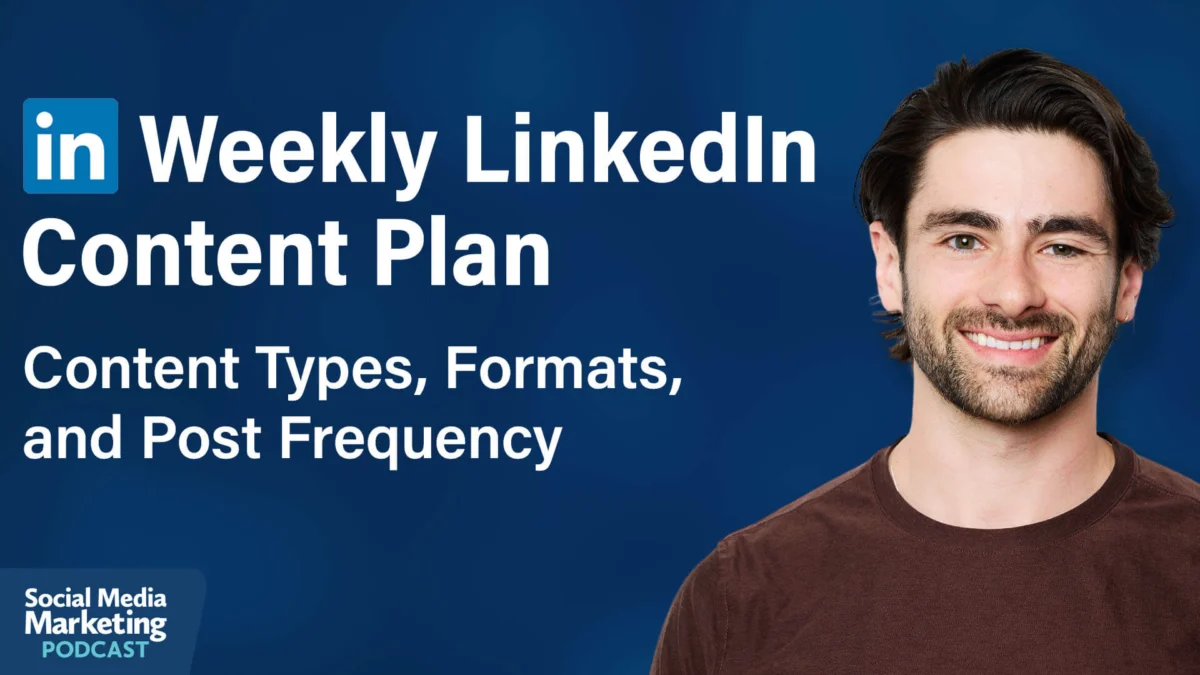
McTighe suggests that the most sustainable approach for a seven-post-per-week schedule is a 4-2-1 ratio: four awareness posts, two trust-building posts, and one lead-generation post.

Stage 1: Awareness—Broadening Your Reach
Awareness content is the entry point for your funnel. Its primary purpose is to expand your reach to individuals who do not yet know you exist. McTighe categorizes this into two sub-types: educational and broadly relatable content.
The Power of Educational Niche Content
Educational content is the most potent converter of followers. By teaching your audience something actionable—such as analyzing a piece of industry news—you signal your authority.
- The Nuance: The niche is paramount. A broad article about AI tools will see high impressions but low conversion. However, framing those same tools as solutions for a specific pain point—such as cybersecurity vulnerabilities for CISOs—attracts your ideal buyer.
Broadly Relatable Content
Posts about universal experiences, like professional burnout, gain high engagement through empathy. While these posts boost visibility, they are less effective at converting followers. To optimize these for your target audience, apply them to a specific professional persona (e.g., "The specific stress of a CISO during a security breach").
Data-Driven Best Practices
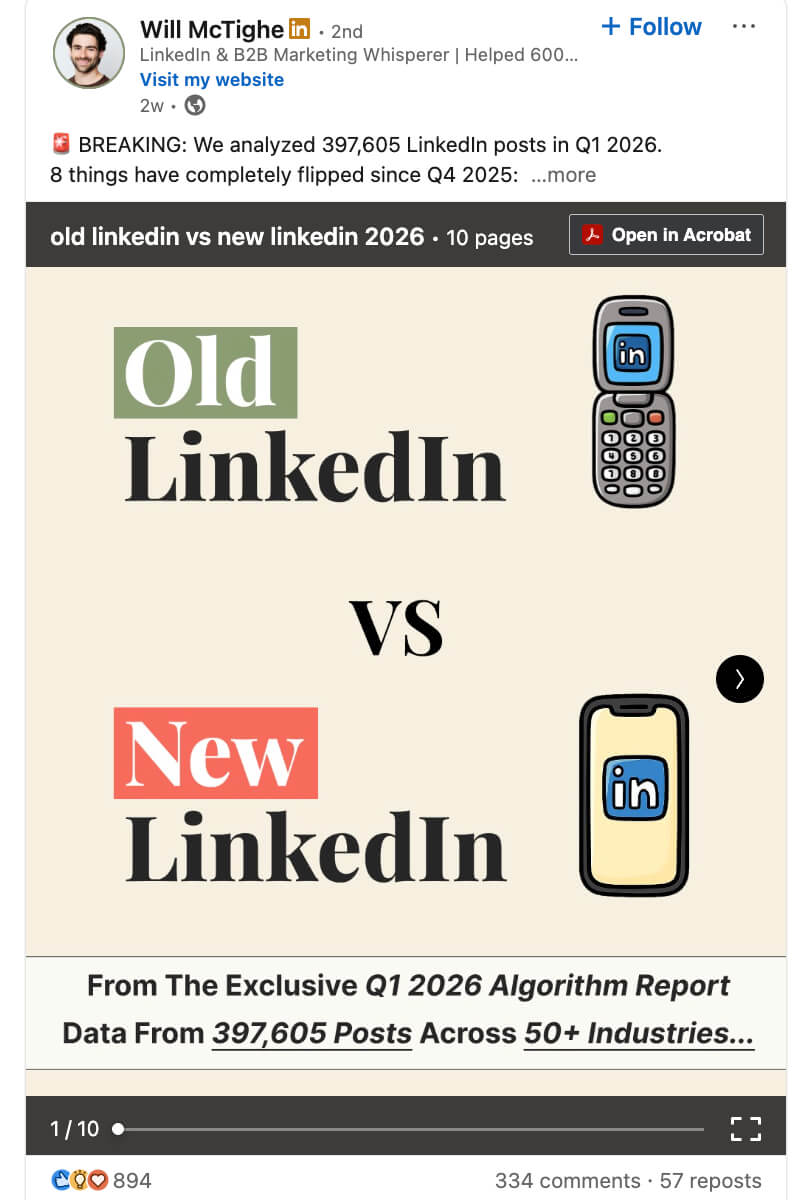
- Visuals are Mandatory: Research indicates that infographics and carousels consistently outperform other formats.
- The Text-Image Rule: Pure text posts generally perform the worst. Adding an image can double performance, provided the image aligns strictly with the first two lines of the post. Confusion at the "hook" phase leads to immediate scrolling.
Stage 2: Trust—Converting Followers into Prospects
Once you have secured a following, the focus must shift from reach to resonance. Trust-building content is the "bridge" between someone knowing who you are and someone considering you as a provider.
The Story-Lesson-Application Framework
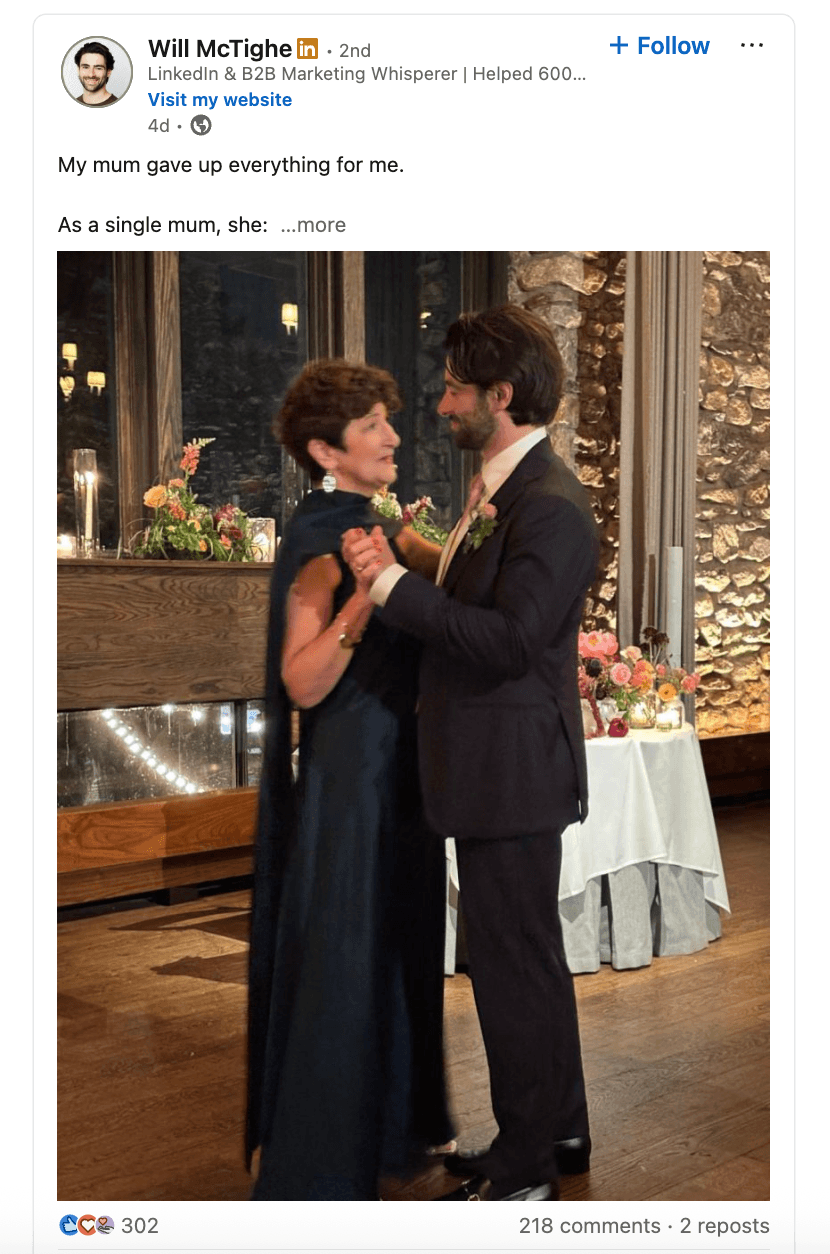
A common failure in trust-building content is sharing a personal anecdote without a clear, takeaway-driven conclusion. A story without a lesson is merely a confession; a story with a lesson is a sales asset.
- The Authoritative Hook: Lead with your credentials. "20 years of marketing experience in 60 seconds" sets a clear value proposition for the reader.
- The Emotive Hook: Share personal stories that reveal your values or the lifestyle benefits your business provides. This creates an emotional connection, allowing the reader to visualize the benefits of working with you.
Leveraging AI for Story Mining
McTighe recommends using AI to audit your existing client interactions. By inputting transcripts of your client calls into tools like Claude or ChatGPT, you can prompt the AI to extract powerful stories or lessons you shared during those conversations. Often, the most valuable insights are those you spoke naturally but failed to document.
Stage 3: Lead Generation—De-risking the Purchase
The final stage of the funnel is designed to overcome the buyer’s hesitation. At this point, the prospect likes you, but they are still assessing risk. Lead generation content must provide evidence that you can solve their specific problems.
The Anatomy of a Case Study
Generic testimonials are largely ignored. Effective lead generation content utilizes "Transformation Case Studies," which follow a specific architecture:
- The Hook: A massive outcome achieved in a short timeframe (e.g., "Jimmy grew 10k followers in one week").
- The Relatable Problem: Describing the starting point in the client’s own words, allowing the reader to identify with the struggle.
- The Hero’s Journey: The client is the hero; you are the guide. Frame their success as a result of their commitment, supported by your tools.
- The Call to Action: Use authentic urgency based on real scarcity or upcoming deadlines.
Supporting Data and Credibility
- Raw Evidence: Screenshots of Slack messages, iMessages, or unedited video testimonials are perceived as more credible than polished marketing collateral. They signal "unfiltered truth."
- The Link Controversy: Contrary to popular belief that LinkedIn penalizes posts with external links, McTighe’s analysis of over 100,000 posts shows that link-inclusive posts can outperform others—provided the linked content is of high enough quality to drive saves and shares.
Official Perspective and Implications
Will McTighe emphasizes that this framework is not a "get rich quick" scheme but a long-term professional investment. Entering his third year of consistent posting, McTighe notes that the most significant obstacle to this strategy is the "vanity trap"—the tendency for creators to focus on viral likes rather than the boring, consistent work of providing value to a specific target audience.
Implications for the Future of LinkedIn Marketing
The shift toward "intentional content" signals a maturing platform. As users become more sophisticated, the "noise" of generic motivational content is being filtered out by the algorithm in favor of high-dwell-time, actionable, and trust-centered posts.
For the modern professional, the implications are clear:
- Stop Planning, Start Posting: Use the trial-and-error period to find your voice.
- Map Your Audience: Before writing, define exactly who you are helping and what pain they are experiencing.
- Commit to the Ratio: The 4-2-1 model provides the structure necessary to balance reach, authority, and revenue.
In conclusion, the most effective LinkedIn strategy is to stop treating the platform as a place to be seen and start treating it as a place to be useful. By moving prospects through the Awareness, Trust, and Lead Generation funnel, you transform your profile from a digital resume into a high-octane revenue engine.
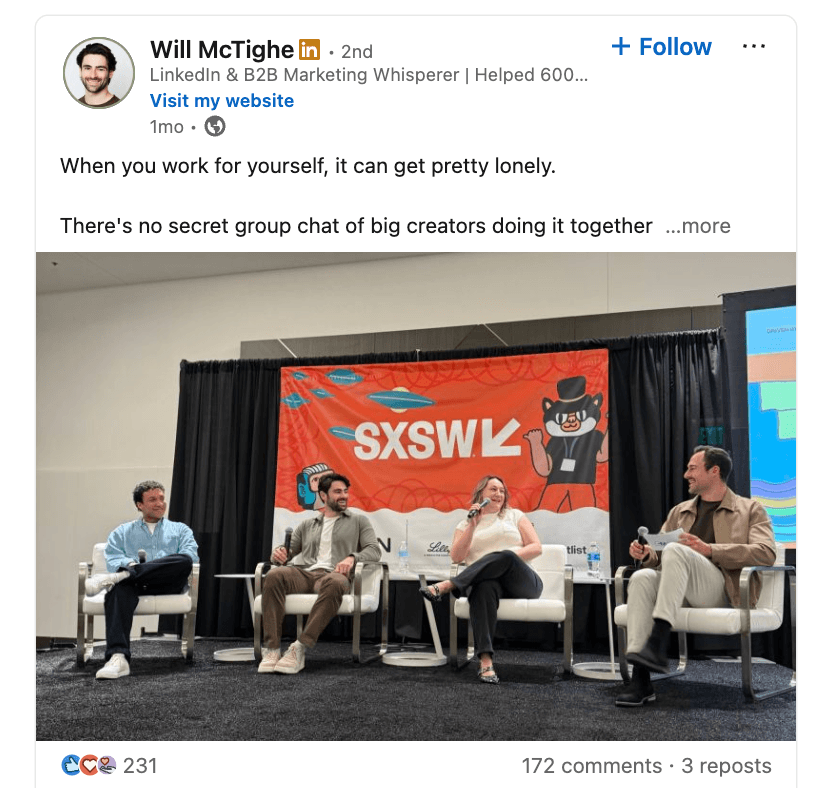
About the Co-Creator:
Will McTighe is a LinkedIn strategist and the founder of WM Media. He is the creator of the SayWhat software suite, which assists business owners in identifying high-performing content patterns and optimizing their LinkedIn presence. His insights are further shared through his "Level Up" newsletter.