For decades, the name "Warner Bros. Animation" has been synonymous with the gold standard of superhero storytelling. From the noir-drenched shadows of Batman: The Animated Series to the sweeping, cosmic stakes of Justice League Unlimited, DC Comics has dominated the small screen. However, the history of animation is often a graveyard of "what-ifs." For every successful debut, there are dozens of pitches, concept reels, and scripts that were quietly shelved by executives, sidelined by shifting corporate priorities, or crushed by the fickle nature of television programming blocks.
While fans are quick to celebrate the shows that defined their childhoods, the untold story lies in the projects that never made it to air. From visionary pitches by industry titans to lost opportunities caused by shifting fads, here is a deep dive into five major DC characters whose solo animated series were canceled before they ever had the chance to leave the studio.
1. The New Teen Titans: The Hanna-Barbera "Almost"
In the early 1980s, the landscape of Saturday morning cartoons was dictated by the formulaic success of Super Friends. While the world was busy watching Superman and Batman, comic book writer Marv Wolfman was hard at work revolutionizing the medium on the printed page. His run on The New Teen Titans was a cultural phenomenon, injecting mature themes and complex interpersonal drama into the superhero genre.
The Pitch and the Pitfall
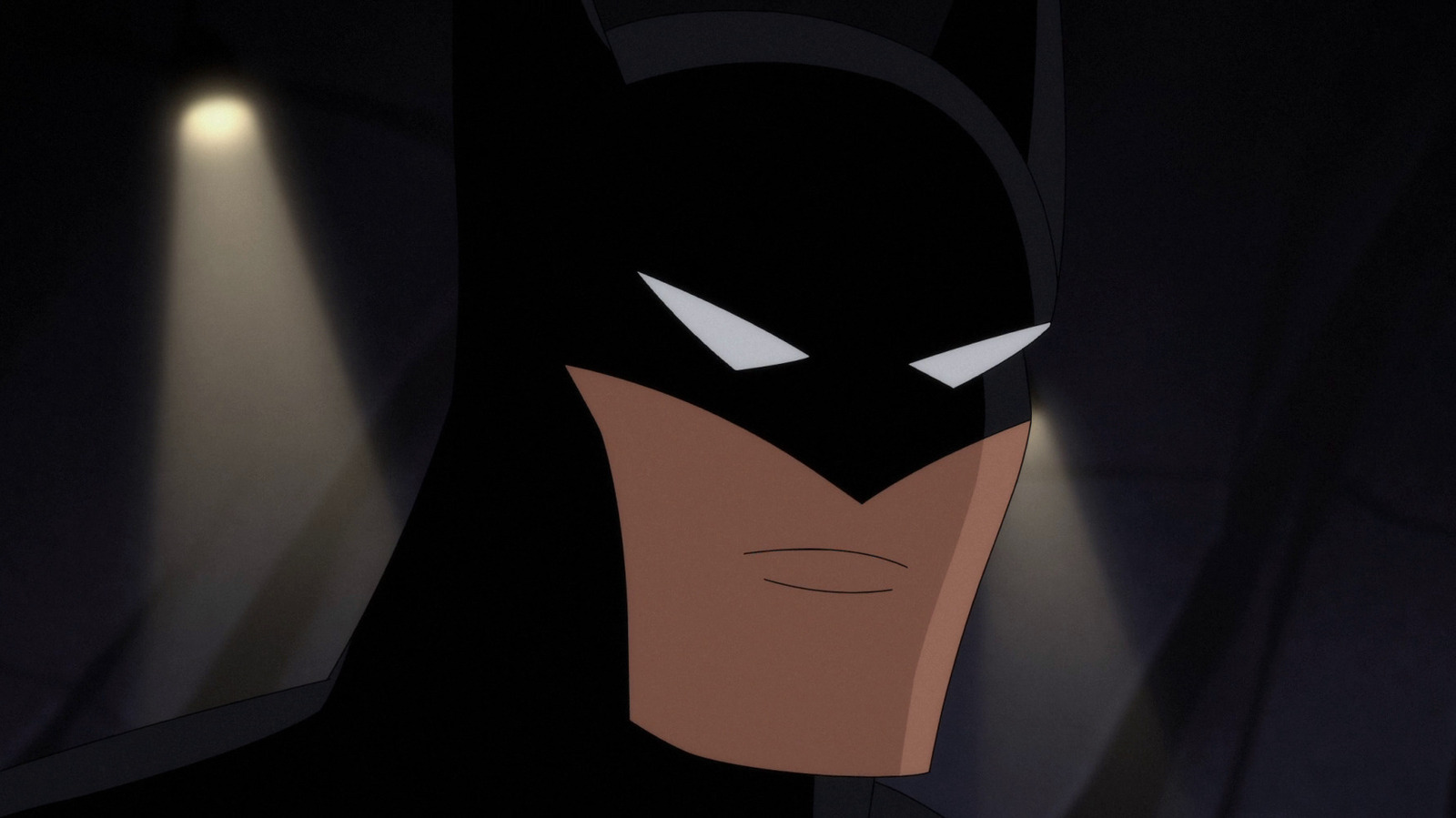
Hanna-Barbera recognized the potential and entered development on a New Teen Titans animated series. The planned roster was revolutionary for the time: Wonder Girl, Cyborg, Changeling (now known as Beast Boy), Kid Flash, Starfire, and Raven. However, the project hit a major roadblock: the "Smurf Effect."
According to industry lore, the network was hunting for the next big sensation to rival the massive success of The Smurfs. Despite the creative strength of the pitch, the project was ultimately "aced out." Furthermore, because of his existing commitments to the Super Friends franchise, the show’s most recognizable face—Robin—was excluded from the lineup, as was the fan-favorite villain-turned-hero, Terra.
The Legacy of the Lost Pilot
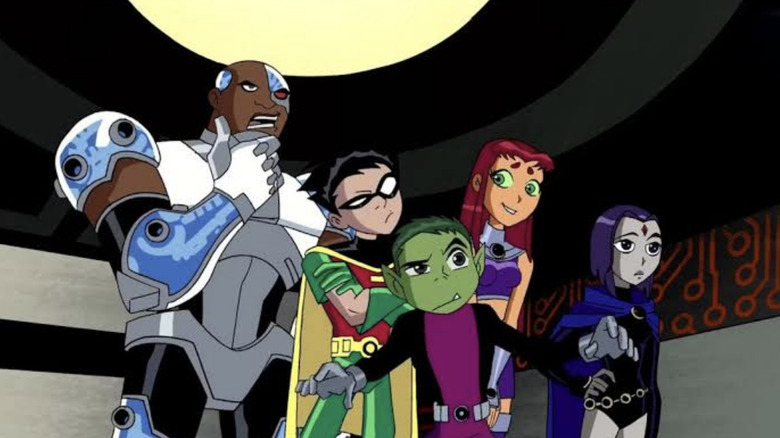
The project never moved past the development phase. The team did eventually make a brief, non-canonical appearance in an anti-drug commercial, where they were forced to replace Robin with a generic character named "The Protector." While it is a tragedy that this version never hit the airwaves, it laid the groundwork for the eventual, massive success of the 2003 Teen Titans series, proving that the characters were always destined for greatness—just not at that specific moment in time.
2. Batman: The "No Man’s Land" Noir
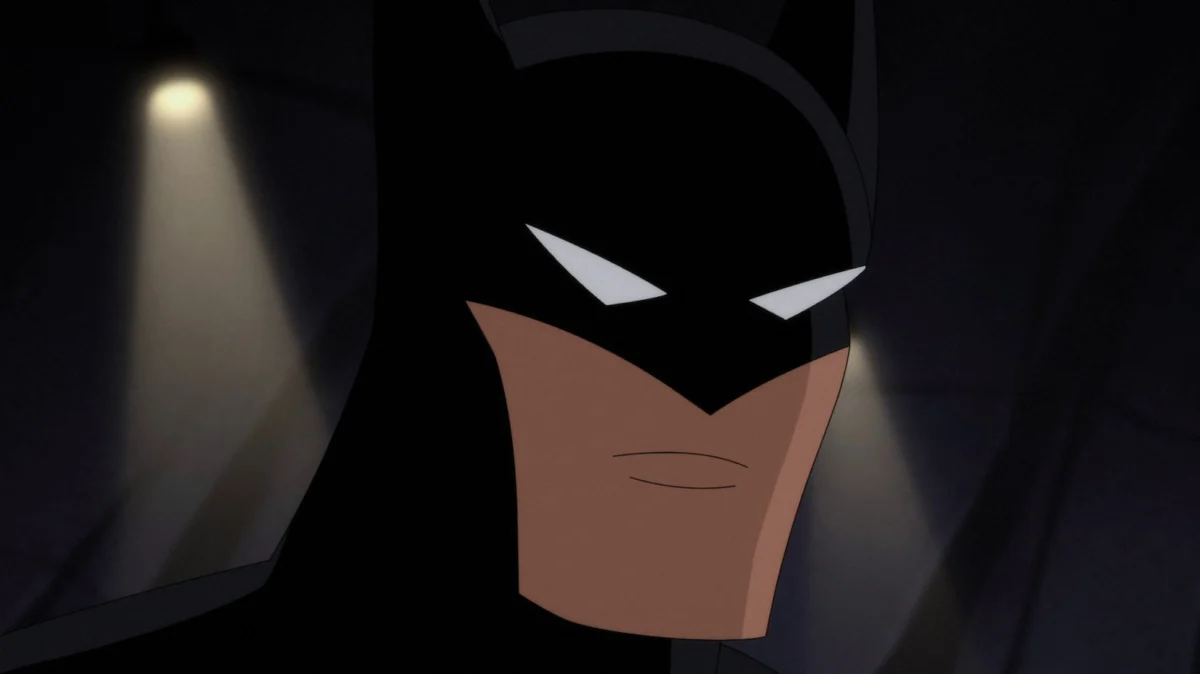
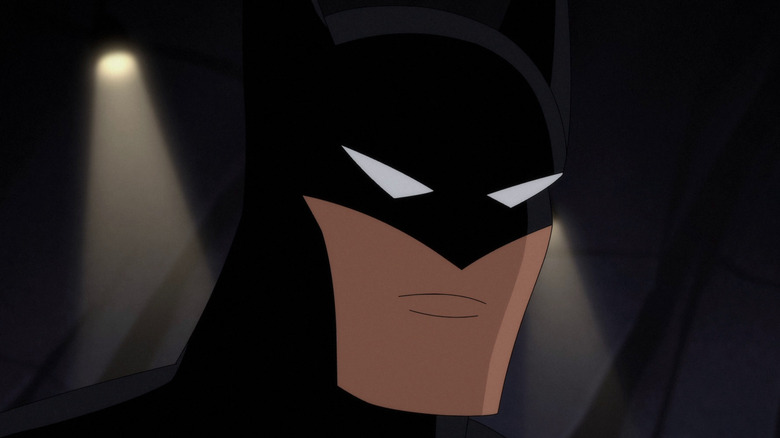
It seems almost impossible to fathom a world where a pitch for a Batman animated series is rejected for being "too dark." Yet, that is exactly what happened in the mid-2000s when producer James Tucker attempted to adapt one of the most acclaimed storylines in DC history: No Man’s Land.
A Vision of Gotham in Ruin
Following the conclusion of The Batman and prior to the debut of Batman: The Brave and the Bold, Tucker collaborated with concept artist Coran Kizer Stone to visualize a gritty, post-apocalyptic Gotham City. The concept art, which eventually surfaced on DeviantArt, depicted a world where the infrastructure had crumbled and the Bat-family was fighting for survival.
The project was designed to be atmospheric, mature, and visually striking. However, Warner Bros. Animation executives pulled the plug after five months of development. The internal consensus was that the tone was "dark as hell" and fundamentally incompatible with the kid-friendly shift the studio wanted to pursue.
Implications for the Future
The rejection of No Man’s Land was a turning point. Instead of this gritty noir, the studio pivoted to the Silver Age-inspired Batman: The Brave and the Bold. Interestingly, the seeds of the rejected project lived on. Tucker’s persistence led to a secondary pitch for a 3D animated version of the concept. While the studio passed on the gritty narrative, they were clearly impressed by the visual aesthetic, which eventually paved the way for the CGI-heavy Beware the Batman in 2013.
3. The Genndy Tartakovsky Superman Shorts
Genndy Tartakovsky is a titan of animation, the mastermind behind Samurai Jack and the Clone Wars micro-series. In the early 2010s, he was tapped by DC to create a series of shorts for the DC Nation programming block on Cartoon Network. These shorts were intended to be bite-sized vignettes exploring the Man of Steel.
The Sudden Cancellation
The project was well into development, with production designer Justin Thompson and artist Scott Wills working closely with Tartakovsky. The team was reportedly excited to offer a stylized, kinetic take on Superman that would have been unlike anything else on television.
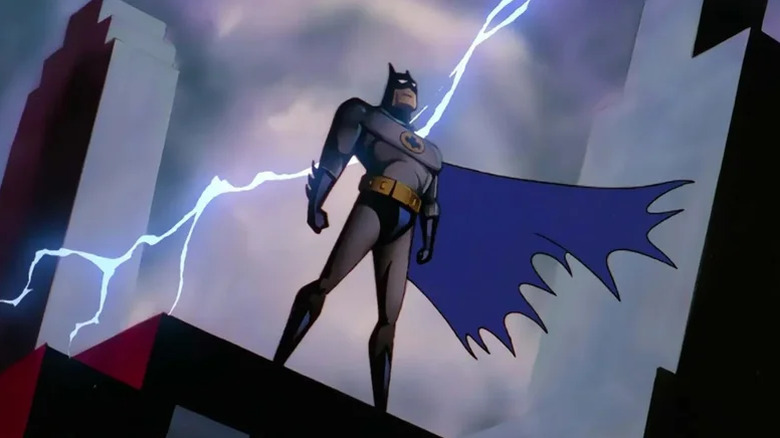
The downfall of the project was not creative, but systemic. In 2014, Cartoon Network shuttered the DC Nation block entirely. Without a home for the shorts to air, the plug was pulled just as the animation work was gaining momentum. The loss of these shorts meant the world lost a "Tartakovsky-fied" Superman, a prospect that still haunts animation enthusiasts today. It would take another decade for Superman to return to solo animation with the highly praised My Adventures with Superman.
4. The Lost Trio: Wonder Woman, Plastic Man, and Metamorpho
The 1960s were a wild west for superhero animation. When DC partnered with Filmation for The Superman/Aquaman Hour of Adventure, they had grand ambitions to turn the DC Universe into a shared animated reality.
The Filmation Pivot
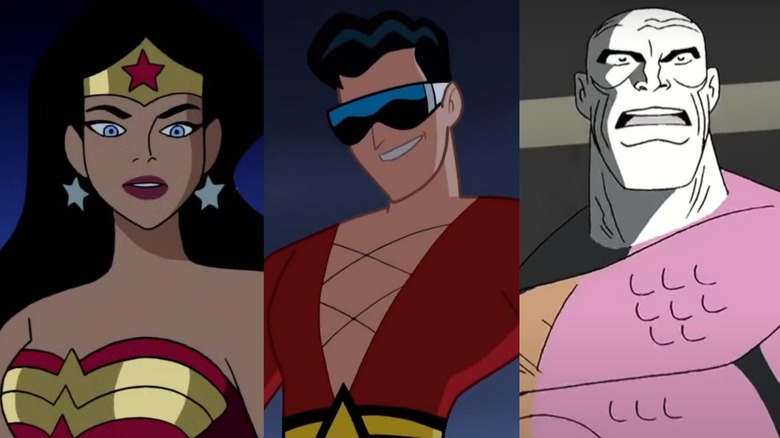
During the production of the Superman/Aquaman segments, there were active plans to give solo series to Wonder Woman, Plastic Man, and Metamorpho. These characters were poised to become household names via their own dedicated segments.
The strategy shifted overnight, however, due to the live-action Batman television series starring Adam West. The massive popularity of the "Bat-mania" phenomenon forced Filmation to pivot their resources. The show was rebranded as The Batman/Superman Hour, and the focus shifted entirely to the Caped Crusader. Wonder Woman, Plastic Man, and Metamorpho were sidelined to make room for more Batman content. While Plastic Man eventually received a series in 1979, Wonder Woman and Metamorpho remained trapped in supporting roles for decades.
5. The Alex Ross and Paul Dini "Shazam!" Pitch
Perhaps the most tantalizing "what-if" in DC history is the collaboration between legendary artist Alex Ross and master storyteller Paul Dini. Following their work on the DC Animated Universe, they pitched a Captain Marvel (Shazam) animated series to Warner Bros.
Style vs. Substance
The visual pitch was a masterclass in design: the solid, iconic anatomy of Bruce Timm’s DCAU style blended with a vibrant, "Powerpuff Girls"-esque flair that captured the whimsical, magical nature of Billy Batson’s world. The pitch included the entire Marvel family: Mary Marvel and Captain Marvel, Jr.
Cartoon Network executives were reportedly receptive to the idea of adding this to the DCAU roster, but the project ultimately collapsed due to internal studio politics. The failure of this project left a massive hole in the DCAU; while the character appeared in a memorable episode of Justice League Unlimited, he never secured a solo platform. Ross and Dini, ever the professionals, channeled their disappointment into the acclaimed graphic novel Shazam!: Power of Hope, proving that while the animation didn’t happen, the creative vision remained potent.
The Broader Implications: Why These Shows Matter
The history of these canceled series reveals a recurring theme in the entertainment industry: the tension between artistic vision and corporate risk-aversion.
- The Tone Problem: The rejection of the No Man’s Land Batman series highlights how studios often fear "dark" content in the animation space, even when the source material demands it.
- Market Trends: The loss of the New Teen Titans and the Filmation lineup shows how external trends—like the search for a "Smurf-like" success or the sudden dominance of a live-action hit—can derail years of development.
- The "Block" Dependency: The Genndy Tartakovsky experience serves as a warning about the fragility of programming blocks. When a platform like DC Nation disappears, the creative work associated with it is often discarded as "collateral damage."
Ultimately, these lost series serve as a reminder that animation is a fragile medium. It requires a perfect alignment of creative vision, executive buy-in, and market timing. While fans may lament the absence of these specific shows, the legacy of these pitches continues to influence the medium, as concepts, designs, and lessons learned from these "failures" often migrate into the successes of tomorrow. We may never see the No Man’s Land we were promised, but the ambition behind it serves as a testament to the enduring, boundless potential of the DC Universe.