Main Facts: The Restructuring of Independent Film Distribution
The post-pandemic era of independent cinema, once defined by existential dread and dwindling audiences, is undergoing a profound structural transformation. As traditional older demographics remain hesitant to return to art houses, a highly engaged, digitally native generation of younger film enthusiasts is stepping into the vacuum. Driven by internet archives, social media platforms, and film-centric networks like Letterboxd, this demographic shift is forcing independent distributors to completely rewrite their theatrical playbooks.
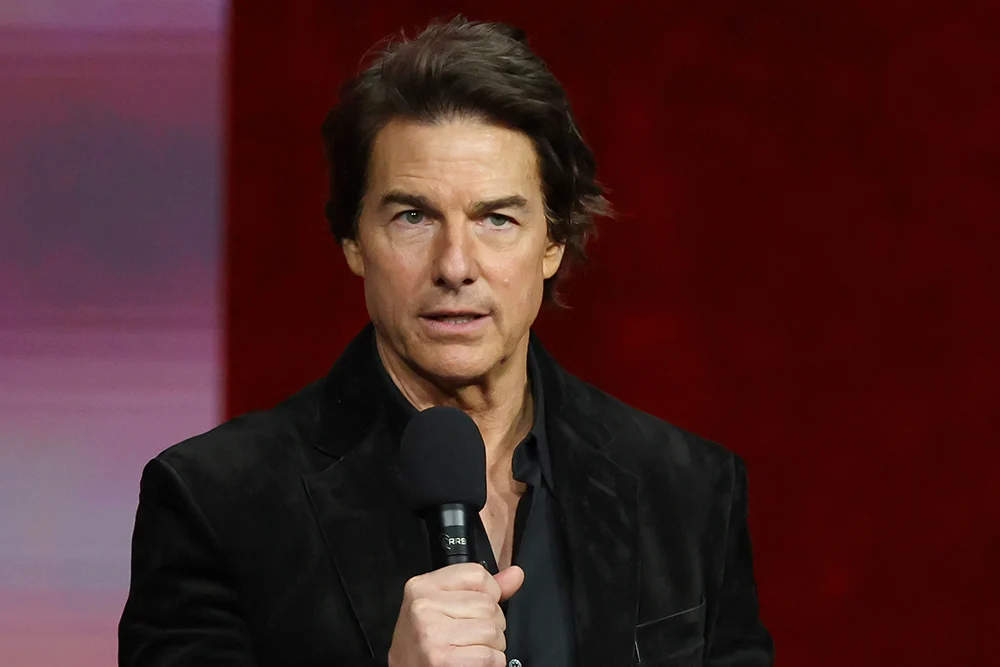
At the forefront of this operational evolution is Utopia Distribution. Speaking at the Costa Rica Media Market, Charlie Sextro—Utopia’s Senior Vice President of Acquisitions and Business Development—detailed how the company is executing a radical pivot to adapt to this new landscape.
Faced with a collapse in traditional Video-on-Demand (VOD) and subscription streaming (SVOD) licensing deals, Utopia is abandoning the industry’s legacy release model. Rather than distributing nine to ten films annually in a rapid, review-dependent cycle, the boutique distributor is cutting its output in half, focusing on just four to five deeply curated, "eventivized" releases per year.
This strategy relies on high-touch, roadshow-style theatrical rollouts designed to mobilize niche online fandoms and transform a standard film screening into a communal, unmissable event.
Chronology: From Pandemic Devastation to the Rise of the New Cinephile
The current crisis and subsequent restructuring of the independent film market is the result of a multi-year transition that accelerated rapidly during the COVID-19 pandemic.
The Pre-Pandemic Baseline (Prior to 2020)
Before global lockdowns, independent and foreign-language film distribution relied heavily on a predictable, loyal, and older demographic. The standard release model was built on "platforming" a film: securing strong critical reviews, opening in key bicoastal markets (New York and Los Angeles), and gradually expanding to arthouse chains across the United States. Ancillary revenues from DVD sales, television syndication, and emerging streaming platforms provided a reliable financial safety net.
The Pandemic Shock and Demobilization (2020–2022)
The arrival of COVID-19 shuttered physical theaters and broke the moviegoing habits of older audiences. When theaters reopened, this core demographic—long the financial cornerstone of foreign and independent cinema—failed to return in sustainable numbers. Concurrently, major streaming platforms experienced a massive surge in market share, consolidating their dominance and conditioning audiences to expect immediate, at-home access to specialized films. Dozens of historic, single-screen arthouse theaters across the globe were forced to permanently close their doors.
The Digital Underground and Gen Z Cinephilia (2022–2024)
As physical theaters struggled, an organic counter-movement was quietly taking shape online. Deprived of physical spaces, younger audiences began exploring cinema history through digital archives, curated streaming platforms (such as MUBI and Criterion Channel), and TikTok. Letterboxd, a social media platform dedicated to film diary logging and reviews, saw its user base swell with millions of teenagers and young adults. This digital-first cinephilia soon spilled back into the physical world, resulting in packed, youth-dominated repertory screenings and midnight shows in major metropolitan hubs.
The Streaming Pullback and Utopia’s Strategic Pivot (2025–Present)
By 2025, the independent film industry faced a new financial bottleneck: the complete retreat of major streaming platforms from the independent acquisition market. SVOD giants, facing mounting pressure from Wall Street to achieve profitability, ceased buying smaller independent titles, eliminating a crucial revenue source for distributors.
In March 2025, Charlie Sextro joined Utopia after a distinguished 13-year tenure as the Sundance Film Festival’s senior film programmer. Recognizing that the old-school distribution pipeline was permanently broken, Sextro and Utopia spent the following year designing a highly concentrated, event-driven release structure tailored specifically to the behaviors of this new, younger generation of film fans.

Supporting Data and Strategic Case Studies: The Economics of "Eventization"
The structural transition at Utopia is a direct response to a harsh financial reality: the traditional "review-and-release" model is no longer economically viable for small distributors.
Historically, Utopia operated with a steady pipeline, releasing roughly nine to ten films a year. In the current market, however, the financial safety nets that once protected these releases have dissolved.
The Collapse of the VOD and SVOD Safety Net
In previous years, a theatrical release served as a marketing campaign to drive subsequent transactional VOD sales (on platforms like Apple TV and Amazon Prime) and secure lucrative SVOD licensing deals with platforms like Netflix, Hulu, or Max. Sextro revealed that this secondary market has effectively vanished for independent titles.
Traditional Indie Revenue Model vs. Modern Reality

[Traditional Model]
Theatrical Release (Marketing) ──> VOD/SVOD Licensing Deal (Guaranteed Profit)

[Modern Reality]
Theatrical Release (High Risk) ──> Minimal VOD Discovery / Zero SVOD Buyouts (Loss)
"In the past year alone, we’ve gotten no major streaming licensing deals from any of the streamers," Sextro stated, noting that tech-based streaming giants routinely reject independent acquisitions as being "too small." Furthermore, the organic discovery of arthouse titles on transactional storefronts like Apple and Amazon has steadily declined, leaving distributors entirely dependent on upfront theatrical monetization.
Case Study: Summer Tour and the Roadshow Model
To combat this revenue loss, Utopia developed an aggressive "roadshow" strategy, treating the film’s promotional window as a direct, revenue-generating product.
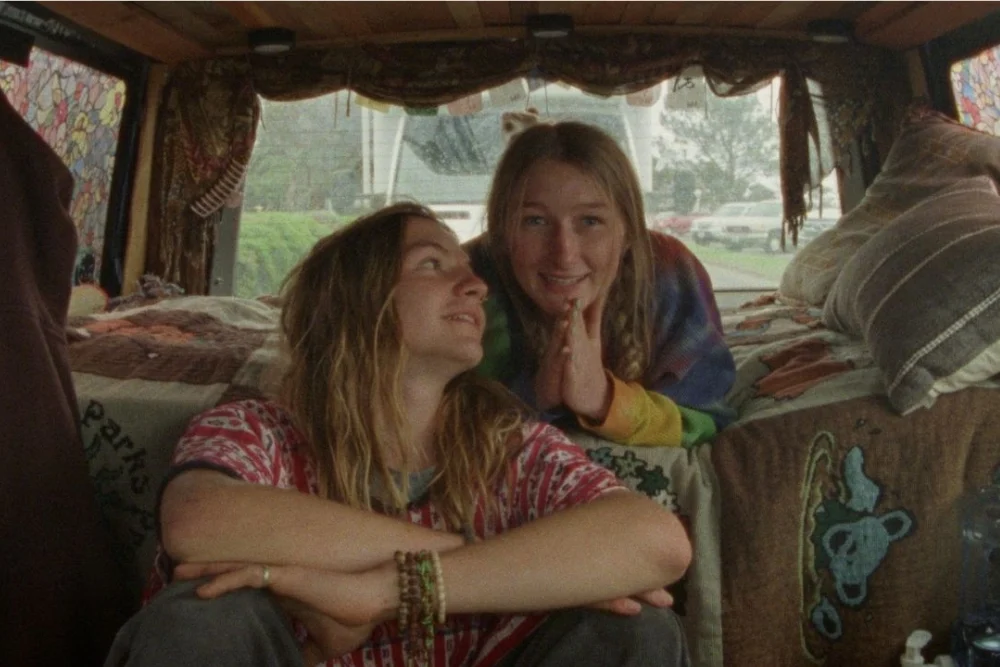
For the release of Summer Tour—a documentary about Grateful Dead fans directed by Mischa Richter and produced by Chloë Sevigny—Utopia bypassed the traditional theatrical platform model entirely for the first month and a half of the campaign.
Utopia's "Summer Tour" Roadshow Strategy:

[Weeks 1–6: High-Yield Experiential Phase]
  - Showings exclusively in live music venues
  - Paired with 90-minute live concerts by Grateful Dead cover bands
  - Premium ticket pricing + Direct merchandise sales
         │
         ▼ (Generates revenue, organic hype, and local press)
         │
[Week 7+: Traditional Arthouse Run]
  - Screenings in standard indie theaters
  - Fueled by established grassroots momentum
By turning the film’s promotional tour into an active, ticket-selling live music event, Utopia generated immediate revenue and built massive, localized excitement. Instead of spending capital on traditional print and advertising (P&A) to drive audiences to theaters six weeks later, the distributor utilized the experiential events to self-fund the subsequent arthouse run.
Harnessing Internet Fandoms
The success of this approach is closely tied to the power of highly targeted online subcultures. Sextro highlighted projects like Curry Barker’s Obsession and Kane Parsons’ Backrooms (the viral YouTube horror phenomenon subsequently picked up for a feature adaptation by Neon) as prime examples of how modern cinema must tap into built-in, passionate online communities. When a distributor builds a release strategy that respects and engages these core fandoms, audiences treat the theatrical screening as a vital, physical gathering point rather than just a passive viewing experience.
Official Responses: Executive Insights from Charlie Sextro
Speaking to industry professionals at the Costa Rica Media Market, Charlie Sextro offered a candid assessment of the current crisis, framing it not as the end of cinema, but as a necessary, creative destruction of outdated industrial systems.
"In the United States, it is maybe as tough as it’s ever been to really connect and get traction, but I feel like everything is being destroyed right now to be rebuilt into something new," Sextro observed.

"The independent film world has always been driven by older audiences... But that went away with COVID, and we now have this young generation that is driving arthouse, which, to me, is the dream."
— Charlie Sextro, Senior VP of Acquisitions & Business Development, Utopia
Sextro emphasized that the industry’s central problem is not a lack of interest in cinema, but rather an archaic distribution apparatus that has failed to keep pace with changing consumer behaviors. "I always believe the movies are great, and there are audiences. The thing that needs fixing right now is how films are being connected to audiences. How audiences are being engaged with movies is what needs to change from the old-school, traditional ways."
Expanding Horizons: Latin American and Spanish-Language Cinema
When questioned by Variety regarding Utopia’s historically limited catalog of Latin American titles, Sextro clarified that the company remains highly "agnostic" in its acquisitions policy and is actively seeking projects from the region. He pointed out that the United States possesses a massive, culturally engaged Spanish-language demographic that represents an incredibly lucrative, yet often underserved, theatrical market.
"In the United States, there is a massive Spanish-language-driven audience," Sextro noted. "There are a lot of films where that is the highest percentage of ticket buyers, so there’s a massive space for it. We are open to the movies that we love, that we believe in, and that we see a potential audience for."
To successfully break into these markets, Sextro emphasized that distributors must work hand-in-hand with creative voices. "We rely heavily on filmmakers to be partners in the release, generating ideas, helping us with the creative. The filmmakers are the ones with the best ideas because they’ve been living with these movies for years and years. Yes, I think there’s incredible potential in releasing Latin American films, even Spanish-language films in general, in the United States. It’s such a strong cause."
Implications: The Structural Future of Independent Cinema
The strategic shift underway at companies like Utopia has far-reaching consequences for the broader global film ecosystem, signaling a permanent departure from the distribution practices of the last three decades.
The Death of the "Middle Class" Indie Film
As major streaming services refuse to license smaller independent films, the financial viability of mid-budget, star-driven indie dramas is severely threatened. Without the safety net of an SVOD buyout, distributors cannot afford to take risks on films that lack a highly defined, exploitable niche or a built-in online community. The independent market is increasingly bifurcating into two categories: high-concept, genre-driven projects backed by specialized mini-majors, and hyper-targeted, event-based micro-budget releases.
Distributors as Event Coordinators
The traditional role of the film distributor is being fundamentally redefined. To survive, boutique distributors must transition from simple logistics and marketing coordinators into experiential event planners. A successful release now requires bespoke partnerships with local communities, musicians, artists, and digital influencers. This "roadshow" methodology requires significantly more labor, physical coordination, and creative ingenuity per title, explaining why companies like Utopia must restrict their annual slates to a handful of films.
The Democratization of Film Discovery
While the loss of algorithmic discovery on major platforms like Apple and Amazon is a significant blow to passive viewership, it has accelerated the democratization of curation. Film discovery has shifted away from corporate-controlled digital storefronts and back into the hands of organic, peer-to-peer networks. Online communities, independent creators, and local repertory programmers have become the new tastemakers of independent cinema, wielding more influence over the financial success of an arthouse film than traditional legacy media critics.
Ultimately, Utopia’s restructuring demonstrates that while the old economic foundations of independent cinema have crumbled, the underlying demand for the theatrical experience remains incredibly strong. By aligning their distribution methods with the passionate, event-seeking behaviors of a new generation of cinephiles, independent distributors are not just surviving—they are actively pioneering a more dynamic, communal, and resilient future for the medium.