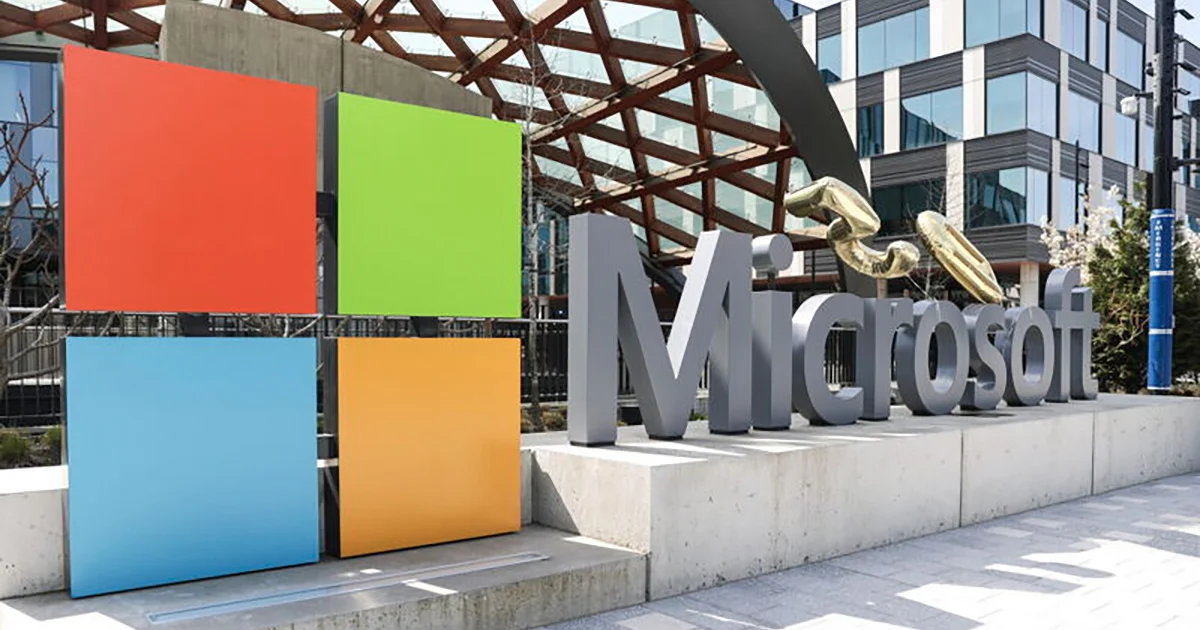
In a move that signals the sheer scale of the artificial intelligence arms race, Microsoft has announced a staggering initiative to more than triple its global data center capacity. According to recent reports from Bloomberg, the technology giant is aggressively scaling its infrastructure to reach 38 gigawatts (GW) of capacity by 2032—a massive leap from its current 12 GW footprint. This expansion, while necessary to support the compute-intensive demands of modern generative AI, has ignited a fierce debate regarding energy sovereignty, grid stability, and the environmental promises tech corporations have made to the public.
Main Facts: The 38-Gigawatt Ambition
The sheer magnitude of Microsoft’s expansion plan is difficult to overstate. To put 38 gigawatts into perspective, at peak operational capacity, Microsoft’s data center network is projected to consume more electricity than the entire state of New York. This consumption profile moves the company from a mere corporate customer to a primary driver of national energy policy.
The cornerstone of this strategy is a pivot toward high-density, reliable power sources. In June, Microsoft formalized a landmark 20-year power purchase agreement (PPA) with Chevron. This deal involves the construction of a co-located, dedicated 2.7-gigawatt natural gas power facility specifically designed to feed a massive new data center complex in Texas. By bypassing the traditional grid for this portion of its load, Microsoft is attempting to secure the "always-on" power that renewable sources like wind and solar currently struggle to provide with the same level of reliability.
Chronology: Building the Digital Backbone
The road to this massive expansion has been marked by rapid shifts in corporate strategy and infrastructure development:
- 2020–2022: Microsoft focuses heavily on its "100/100/0" goal, committing to matching 100% of its electricity consumption with zero-carbon energy purchases 100% of the time by 2030.
- Early 2023: The rapid deployment of GPT-4 and other large language models causes an unforeseen spike in computational power requirements, signaling a need for a massive expansion in data center real estate.
- Late 2023: Microsoft begins identifying energy-rich regions in the United States, specifically Texas and the Midwest, for massive, high-density server farms.
- June 2026: The company announces the 2.7 GW natural gas deal with Chevron, marking a transition toward "co-located" power solutions to avoid burdening public grid infrastructure.
- Present: Microsoft initiates plans to ramp up infrastructure spending, projecting total capital expenditure (capex) to reach $190 billion in the 2026 calendar year.
Supporting Data: The Economics of Scale
The financial commitment required to sustain this expansion is unprecedented in the technology sector. Microsoft’s infrastructure and electricity build-out reached $145.3 billion in its latest fiscal year, and internal projections suggest that annual capex will climb to $190 billion by 2026.
Industry analysts tracking the cost of electricity build-outs provide context for these figures: it costs an estimated $15 million to $20 million per megawatt (MW) to build the specialized infrastructure required for AI data centers. Given that one gigawatt equals 1,000 megawatts, the math is staggering. Microsoft is essentially investing hundreds of billions of dollars not just in servers, but in the physical energy infrastructure—substations, transmission lines, and power generation facilities—that serves as the foundation for the AI era.
Official Responses and Public Relations
The expansion has not gone unnoticed by the public or regulatory bodies, particularly as residential electricity costs in regions hosting these data centers have begun to climb. In response to mounting backlash regarding rising utility bills, Microsoft has taken an unusual step: the company has pledged to cover 100% of the localized electricity price increases attributed to its facilities. By essentially subsidizing the grid impact for local residents, Microsoft hopes to mitigate the "not in my backyard" sentiment that threatens to slow its construction pipeline.
"Our commitment is to growth that doesn’t come at the expense of our neighbors," a company spokesperson suggested in recent briefings. The strategy is clear: if the company can insulate the public from the inflationary pressures of its massive energy draw, it can maintain the political capital necessary to secure land and permits for future sites.
The Implications: Rethinking the 100/100/0 Pledge
Perhaps the most significant consequence of this expansion is the quiet retreat from the company’s ambitious climate goals. For years, Microsoft championed its "100/100/0" pledge—the promise to match electricity use with zero-carbon power on an hourly basis. However, the relentless energy demands of AI have made this goal increasingly difficult to reconcile with the reality of grid constraints.
Third-party analysts and internal reports suggest that Microsoft is now considering delaying or outright abandoning aspects of this pledge. While the company has contracted over 40 gigawatts of renewable energy, the "hourly" requirement—ensuring that the energy used at 2:00 AM matches the renewable output at that exact moment—is proving functionally impossible at the scale of 38 gigawatts.
The Grid Stability Crisis
The broader implication is the strain placed on the North American power grid. As data centers become the "anchor tenants" of the energy market, utility companies are forced to extend the lifespans of aging fossil-fuel plants that were slated for retirement. This creates a paradox: the technology industry, which prides itself on innovation and sustainability, is inadvertently extending the life of the very carbon-intensive infrastructure it once campaigned to replace.
Regulatory and Political Fallout
The shift toward co-located power plants, like the Chevron deal, is a preemptive strike against regulation. By generating its own power, Microsoft avoids competing directly with residential consumers for grid capacity. However, this creates a two-tiered energy economy. When private corporations build their own power plants, the burden of maintaining and upgrading the public transmission system remains with the public, even as the corporations reap the benefits of private generation. Lawmakers in states like Texas and Virginia are beginning to question whether existing tax incentive structures for data centers remain appropriate given the massive strain on local energy resources.
The AI-Energy Trade-off
Ultimately, the industry is reaching a point of reckoning. Is the societal benefit of advanced generative AI worth the environmental cost of a massive, multi-gigawatt power expansion? Microsoft’s willingness to spend $190 billion in a single year underscores its conviction that AI is the most critical technological development of the century. Yet, by choosing to prioritize capacity over its previous climate promises, the company has signaled that in the race for AI supremacy, sustainability is no longer the primary driver of strategy.
Conclusion
Microsoft’s trajectory toward 38 gigawatts of capacity is a microcosm of the global energy transition. It highlights the tension between the insatiable hunger of modern computing and the physical limitations of our current electrical grids. As the company navigates the next decade of expansion, its ability to manage the delicate balance between shareholder demands for AI dominance and public expectations for environmental stewardship will define not only the future of Microsoft but the future of the internet itself.
The era of "invisible" cloud computing is over. Data centers are no longer just server rooms; they are massive power plants, industrial sites, and grid-defining entities. Whether this shift leads to a new era of clean energy innovation or a regression in climate progress depends on whether companies like Microsoft can truly decouple their growth from their environmental impact—or if they will continue to sacrifice their long-term climate pledges at the altar of the AI revolution.