In the modern digital landscape, the line between private opinion and public brand equity has all but vanished. This week’s communications landscape serves as a masterclass in the high-stakes environment where every gesture, silence, and social media post functions as a potential financial liability. From the fallout of an AI-generated video involving a collegiate star to the complex geopolitical tensions surrounding a global concert tour, the message is clear: reputation is no longer a "soft" asset—it is a measurable, bottom-line metric that can fluctuate by billions in a matter of days.
I. Arch Manning and the Perils of AI-Enabled Context
The Incident
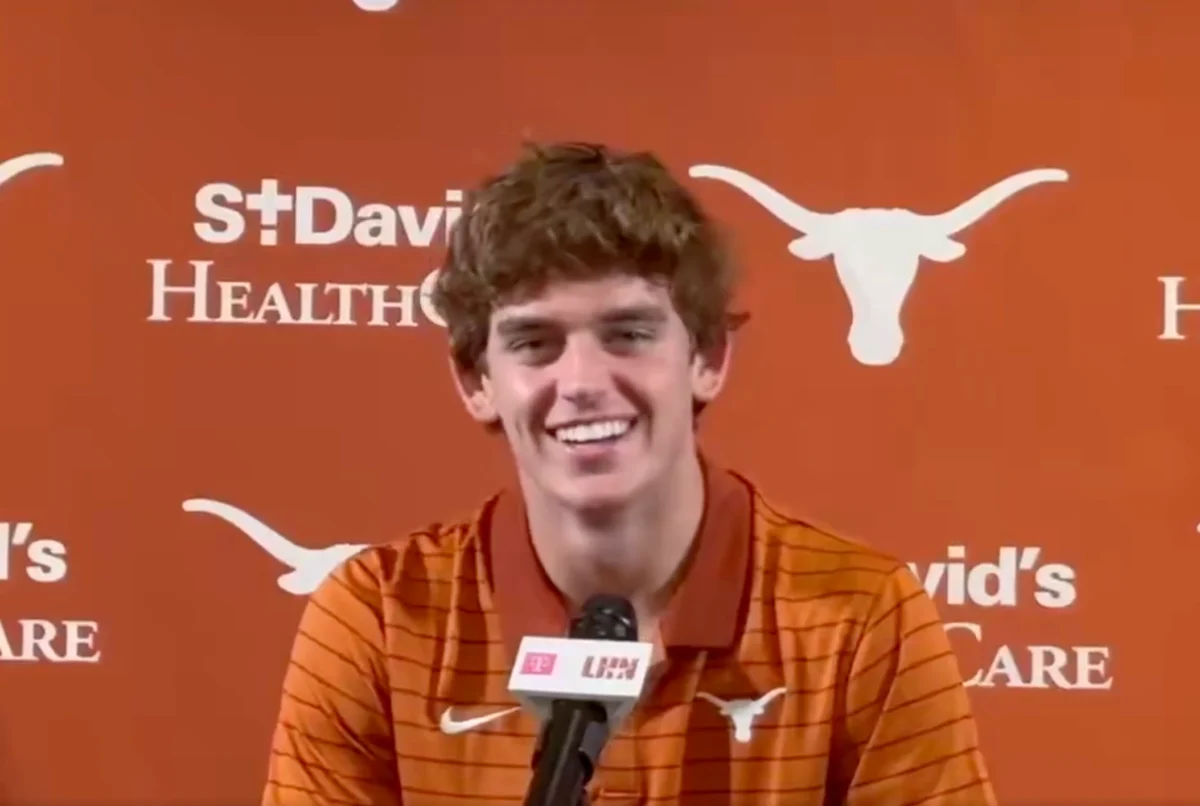
The University of Texas at Austin finds itself navigating the treacherous waters of AI-generated misinformation. During a recent press conference, Longhorns quarterback Arch Manning made an off-the-cuff comment regarding an AI-generated video that depicted his head coach, Steve Sarkisian, striking ESPN reporter Holly Rowe. The video, which surfaced following a high-tension 24-23 comeback victory against Ohio State, was intended as a piece of digital satire—a reaction to a tense postgame interview moment—but its content, which featured physical violence, was anything but benign.
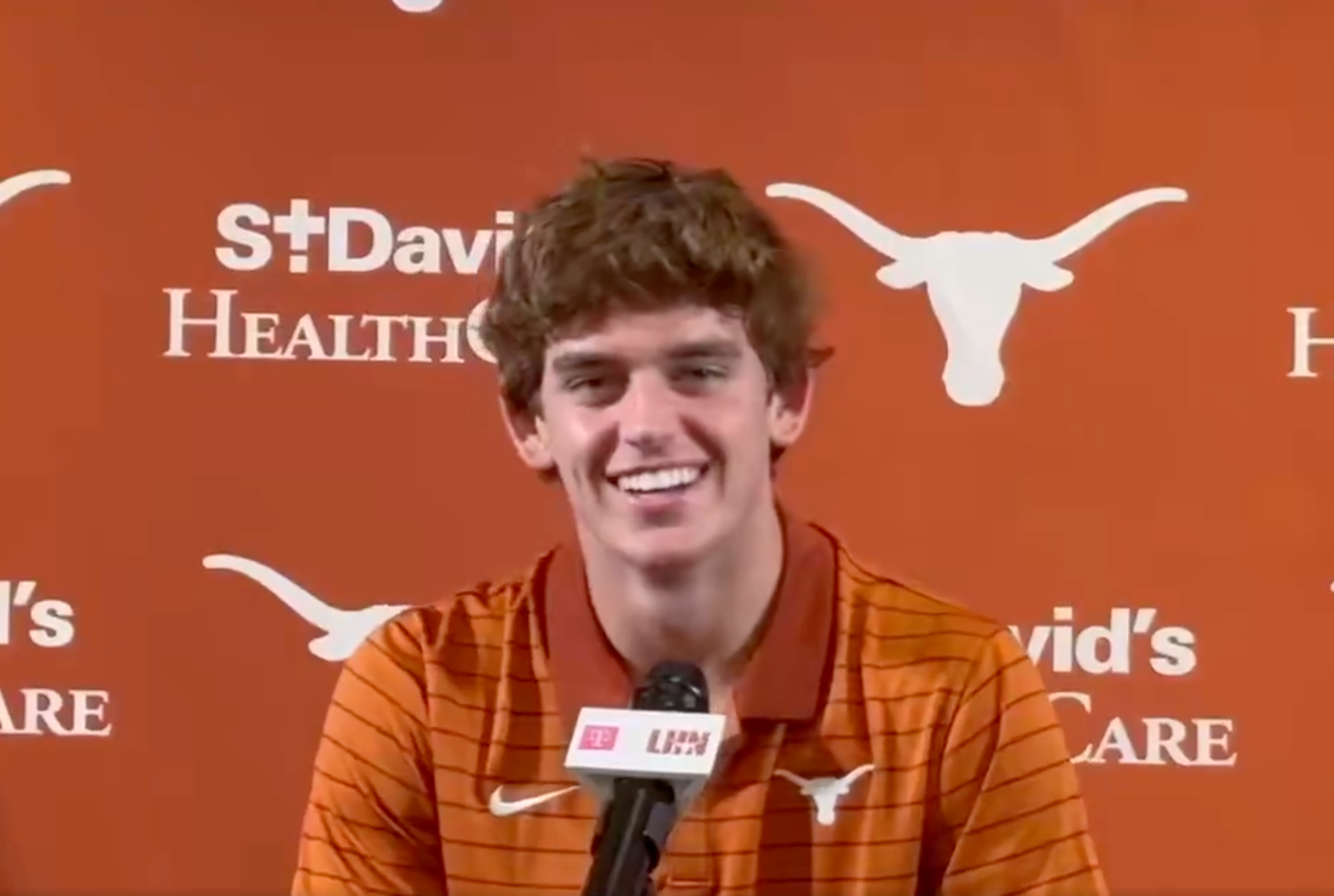
When Manning was asked about the video, he responded by calling it "hilarious" and engaged with reporters about its existence. The moment, captured and disseminated instantly, triggered a firestorm of criticism.
Chronology of the Crisis
- Monday: Manning acknowledges the AI video during a press conference, laughing and soliciting reactions from the media.
- Tuesday Morning: The social media backlash reaches a fever pitch. Public perception shifts from viewing the incident as a "locker room joke" to a serious lapse in judgment involving the trivialization of workplace violence and professional disrespect.
- Tuesday Afternoon: Manning issues a formal apology via Instagram Stories, addressing the sensitivity of the content and specifically reaching out to Holly Rowe.
- The Follow-up: Holly Rowe publicly acknowledges the apology, stating that a private conversation had taken place and that the matter was considered closed.
Communication Implications
Crisis experts point to Manning’s apology as a textbook example of "speed and specificity." He did not attempt to shift blame or hide behind the "it was just a joke" defense. However, the medium of his apology has drawn criticism. By choosing an Instagram Story—a format that vanishes after 24 hours—the gesture, according to Eric Yaverbaum, CEO of Ericho Communications, felt "sheepish" rather than authoritative.
"In the age of digital permanence, a disappearing act for an apology feels like a strategic effort to bury the issue rather than address it," Yaverbaum notes. For communicators, the lesson is stark: the platform used to apologize must match the gravity of the offense. In an era where a screenshot lasts forever, "temporary" apologies are often perceived as a lack of true accountability.
II. The Macklemore-Sheeran-Kraft Dispute: The Myth of Neutrality
The Conflict
The collision between music, politics, and corporate power reached a boiling point this September during Ed Sheeran’s MetLife Stadium shows. Rapper Macklemore, acting as an opening act, utilized his platform to make pro-Palestinian statements, including wearing a keffiyeh and leading anti-war chants.
The backlash was swift and institutional. Robert Kraft, the New England Patriots owner and a prominent philanthropist, intervened, exerting pressure on tour organizers to remove Macklemore from the lineup. Kraft framed his opposition through the lens of "combating hate speech" and maintaining a "welcoming environment."
The Multi-Party Fallout
The situation quickly devolved into a complex PR knot:
- The Promoter’s Dilemma: By removing Macklemore, the tour triggered a solidarity walkout from all remaining supporting acts.
- Ed Sheeran’s "Middle" Ground: Sheeran attempted to distance himself from the decision, blaming the tour’s promoter. However, as the headliner, he became the primary target for both sides of the ideological divide.
- Financial Engagement: In a notable development, reports surfaced that Sheeran requested a $2 million donation to Palestinian humanitarian aid as part of the fallout—a move that highlights how complex, high-stakes negotiations are now being handled in the court of public opinion.
Professional Takeaways
Tina Kozak, CEO of Franco, argues that this event exposes the end of the "neutrality era." For decades, PR strategy focused on staying silent on political issues to protect brand equity. Today, silence is often interpreted as complicity.
"Once the decision was made to remove Macklemore, neutrality was off the table," says Kozak. "The audience associates the tour with the actions taken under its banner. You cannot claim to be ‘non-political’ while making a high-profile political decision to de-platform an artist."
The lesson for corporate leaders is that neutrality is not a buffer against criticism; it is a position in its own right. When faced with a crisis, an organization’s actions—who they hire, who they fire, and what they fund—are the only "statements" the public truly respects.
III. The $1.2 Billion Question: Quantifying Reputation
Supporting Data: The Augur Intelligence Study
For years, Chief Communications Officers have struggled to explain the ROI of reputation to skeptical Boards of Directors. A new three-year study by Augur Intelligence provides the missing link: a concrete dollar figure.
By analyzing 139 corporate crises across 114 public companies, researchers identified a massive delta between firms with strong reputations and those with weak ones.
- The "Weak Reputation" Penalty: Companies entering a crisis with a low reputation value lost a median of 20.1% of their enterprise value relative to peers.
- The "Strong Reputation" Buffer: Companies with high pre-crisis reputation scores lost only 8.5%.
- The Math: On a hypothetical $10 billion company, that 11.7% difference equates to $1.2 billion in lost market cap.
The Nature of "Equity Damage"
Aidan Ryan, CEO of Augur Intelligence, emphasizes that the damage from a reputational crisis is not a quick "blip" on a chart. It is a slow, grinding erosion that persists long after the press release is forgotten. "Equity damage is drawn out over months," Ryan explains. "Communicators often celebrate the end of a news cycle as the end of a crisis, but the financial data shows that the market continues to penalize the company long after the ‘situation room’ has been dismantled."
IV. Strategic Implications for the Future
The convergence of these three stories offers a roadmap for the modern communications professional:
- Context is King (and Queen): As evidenced by the Manning incident, we are living in an era of "synthetic media." Communicators must prepare for AI-generated content to be used as a weapon against their principals. Training spokespeople to react with caution—not levity—to viral media is now a mandatory element of media coaching.
- The "Action-Over-Statement" Mandate: The Macklemore-Sheeran situation proves that public statements are secondary to executive actions. If an organization acts, they must be prepared to own the ideology behind that action. Attempting to hide behind "neutrality" is no longer a viable shield.
- Data-Driven Defense: The Augur study fundamentally changes the boardroom conversation. Reputation is no longer a vague concept of "goodwill." It is a $1.2 billion asset class. Communicators who can demonstrate the financial value of their reputation management efforts are moving from the back-office to the strategic forefront.
As we look toward the end of the year, the common thread is clear: in an era of instantaneous, global, and permanent communication, there is no such thing as a "small" moment. Every press conference, every tour cancellation, and every corporate decision is an entry in a ledger that the public—and the markets—are constantly auditing. The professionals who thrive will be those who treat reputation not as an image, but as the most valuable financial asset on the balance sheet.