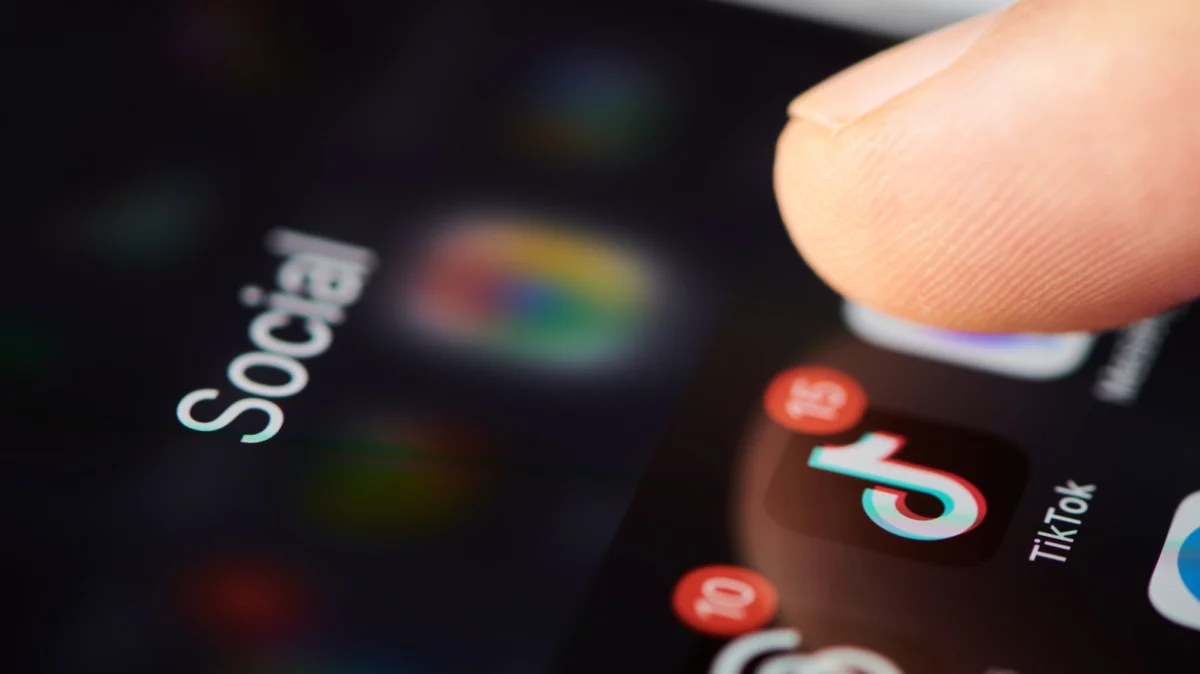
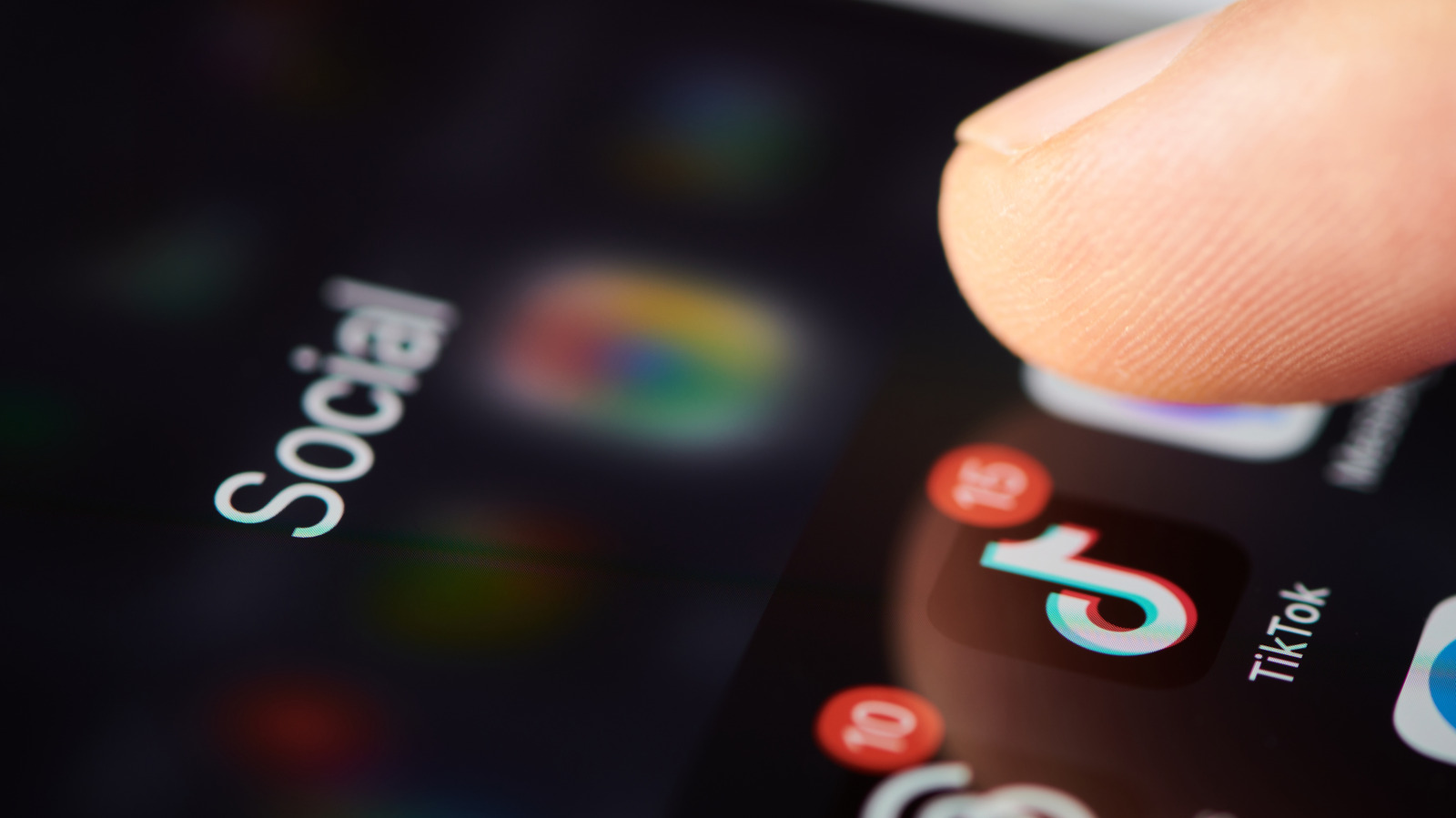
In a significant policy reversal that signals a new chapter in the digital relationship between the United States government and the world’s most popular short-form video platform, the Department of Justice (DOJ) has officially cleared the way for federal employees to download and utilize TikTok on government-issued electronics. This decision marks a dramatic departure from the blanket ban imposed in 2022, reflecting a fundamental restructuring of how the application operates within American borders.
The shift follows the finalized divestiture and corporate restructuring of TikTok’s US operations, a move designed to decouple the platform’s data-handling practices from its Beijing-based parent company, ByteDance. While the ban has been lifted at the federal level, the implications for cybersecurity, inter-agency policy, and the broader tech landscape remain complex and subject to intense scrutiny.
A Chronology of the TikTok Conflict
The trajectory of TikTok’s relationship with the US government has been defined by a four-year cycle of escalating tensions, legislative maneuvers, and corporate restructuring.
2022: The Total Lockdown
In late 2022, amid mounting pressure from intelligence agencies, the US federal government implemented a near-total prohibition on the use of TikTok on government-issued devices. This decision was catalyzed by explicit warnings from high-ranking officials, including FBI Director Christopher Wray, who cautioned that the Chinese government could leverage ByteDance’s ownership to harvest sensitive data or influence American public opinion through algorithmic manipulation. The "No TikTok on Government Devices Act" became a cornerstone of federal cybersecurity policy, effectively walling off the app from the federal workforce.
2024: The Legislative Ultimatum
The pressure intensified in 2024 when the US House of Representatives passed landmark legislation that threatened a nationwide ban on TikTok unless ByteDance divested its US assets. This legislative sword of Damocles forced the company into a corner, leading to urgent negotiations aimed at preserving its presence in the American market.
2025: The Structural Overhaul
By January 2025, a deal was finalized that fundamentally altered the platform’s corporate DNA. The emergence of the "TikTok USDS Joint Venture" represented a seismic shift. In this new arrangement, ByteDance retained a minority stake of less than 20 percent, while the controlling interest shifted to a consortium of non-Chinese investors, most notably Oracle. This restructuring was specifically engineered to satisfy US national security requirements regarding data residency, algorithmic oversight, and corporate governance.
The New Architecture: Understanding the TikTok USDS Joint Venture
The core justification for the DOJ’s policy reversal lies in the operational separation between the global ByteDance entity and the newly formed USDS (US Data Security) Joint Venture.
Independent Infrastructure
According to the DOJ’s recent assessment, the version of TikTok now available to US government agencies is distinct from the global version. The primary distinction is the integration of Oracle’s secure US cloud environment. By housing all American user data on domestic servers, the joint venture effectively isolates US operations from the reach of foreign jurisdictions.
Algorithmic Autonomy
One of the most significant security concerns historically cited by US officials was the "black box" nature of TikTok’s recommendation algorithm. Under the terms of the new venture, the algorithm used for US users has been heavily revised. It is now trained exclusively on data sourced from within the United States, and it operates under a revised cybersecurity framework designed to insulate federal government information from the data-collection protocols that previously triggered the federal ban.
By stripping away the "concerning security features" inherent in the legacy version, the joint venture has effectively created a "walled garden" that satisfies the rigorous standards demanded by the Department of Justice.
Official Responses and Legal Justification
The Department of Justice’s formal announcement served as both a policy directive and a public explanation for the shift in stance. In a memorandum detailing the decision, the DOJ clarified:
"The version of TikTok operated by the TikTok US Data Security Joint Venture does not fall within this prohibition because the Joint Venture functions independently of ByteDance, is majority-owned by American investors, and has revised the content recommendation algorithm and cybersecurity program originally developed by ByteDance to insulate federal government information against the concerning security features that initially motivated the prohibition."
This statement is a tacit acknowledgment that the government’s previous concerns were not with the platform as a media entity, but with the specific data-flow vulnerabilities inherent in its previous ownership and technical architecture.
The Role of Oracle
Oracle’s involvement as a primary stakeholder and technological partner is widely viewed as the "seal of approval" that allowed this deal to proceed. With its deep-rooted history in enterprise-level data security and government contracting, Oracle serves as the guarantor of the platform’s integrity. The migration of data to Oracle’s cloud infrastructure was a non-negotiable condition set by US national security advisors, and its successful implementation has been the deciding factor in the federal government’s willingness to re-engage with the app.
Implications for Federal Agencies and Workforce Policy
While the federal government has officially lifted the ban, the practical reality of TikTok’s presence on government devices remains subject to the discretion of individual agencies. The DOJ was careful to emphasize that the removal of the prohibition does not equate to a mandate for adoption.
The Power of Agency Discretion
Federal agencies retain the autonomy to enforce their own internal cybersecurity policies. For instance, an agency with a focus on sensitive intelligence or classified research may continue to prohibit the app, regardless of its general clearance, to minimize the "attack surface" of its devices.
Furthermore, the DOJ explicitly noted that agencies may choose to ban the app for workforce management reasons. Concerns regarding employee productivity, screen time, and the potential for distraction in high-stakes environments remain valid, and agency heads have the authority to manage their own workforce policies to ensure professional focus.
A Precedent for Future Tech Regulation
The successful resolution of the TikTok dispute provides a potential blueprint for how the US government might handle future technology companies caught in the crosshairs of geopolitical rivalry. By focusing on divestiture, local data residency, and third-party oversight, the government has demonstrated that it is willing to permit foreign-founded platforms to operate within the US, provided they are willing to submit to American oversight standards.
The Road Ahead: Challenges and Vigilance
Despite the lifting of the ban, the status of TikTok remains precarious. The platform is now effectively operating as a hybrid entity—partially American-owned and fully domestically hosted, yet still linked to a global brand that faces skepticism from various international regulators.
Ongoing Cybersecurity Audits
The agreement is not a "set it and forget it" arrangement. The DOJ and other oversight bodies are expected to maintain continuous monitoring of the TikTok USDS Joint Venture. Any drift in the algorithmic protocols or any evidence of data leakage back to foreign servers could result in the rapid reinstatement of the federal ban. The trust is conditional, and the burden of proof remains firmly on the joint venture to demonstrate that it is, and will remain, a safe environment for government officials.
The Broader Social Context
For the general public, this reversal is a significant victory for the platform. It legitimizes the application as a tool that is not inherently "dangerous," potentially easing the stigma that has followed the app since its rapid ascent. However, the contrast between the government’s newfound comfort with the platform and the ongoing scrutiny of its impact on the younger demographic continues to fuel broader cultural debates regarding social media’s influence on mental health and democratic discourse.
Conclusion
The decision to lift the ban on TikTok for federal devices is a masterclass in compromise. It illustrates the ability of the US regulatory state to move from an antagonistic posture to one of managed integration when corporate entities demonstrate a willingness to comply with national security requirements.
As federal employees begin to reinstall the app on their government-issued smartphones, they do so with the knowledge that the version they are accessing is a fundamentally different product than the one that sparked a national security crisis just three years ago. Whether this "new" TikTok can truly maintain its independence while competing in a hyper-globalized digital market remains to be seen. For now, however, the digital divide between the US government and the most influential social media app in the world has officially been bridged.