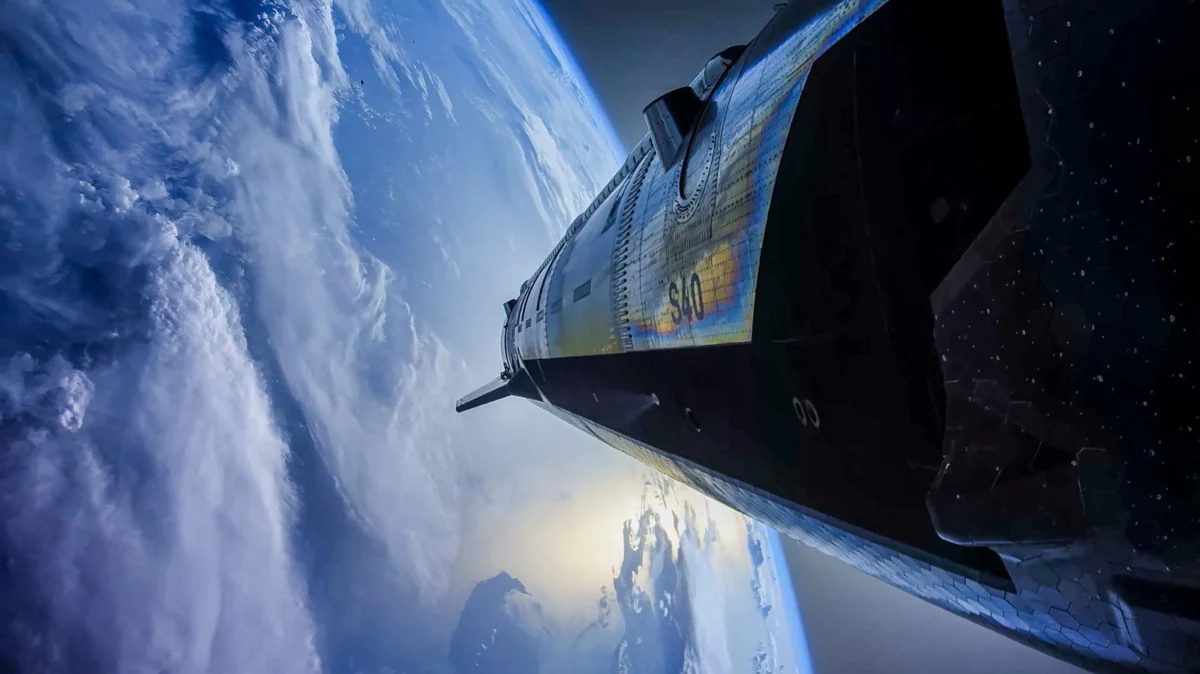
In a move that marks a pivotal transition from iterative testing to operational capability, SpaceX has announced that it is targeting September 28 for the 14th flight of its Starship launch vehicle. This mission is set to be the most ambitious in the program’s history, representing the first time the massive rocket will achieve a full orbital trajectory while simultaneously deploying the next generation of Starlink internet satellites.
SpaceX confirmed the new target date—a delay from the previously scheduled September 22—via its official channel on X (formerly Twitter). While the company provided no specific reason for the shift, it noted that the launch remains subject to final regulatory approval. The mission window is set to open at 8:15 AM Eastern Time, offering a 75-minute window for lift-off from the Starbase facility in Texas.
Main Facts: A Shift to Orbital Operations
The upcoming mission, designated Flight 14, signifies the maturation of the Starship architecture. Unlike previous flight tests, which were strictly suborbital—designed to maximize data gathering while mitigating risks to public safety—this mission aims for a full orbital profile.
During this 10-hour flight, the Starship upper stage will reach an altitude of 171 miles and complete six full orbits around Earth. This is a critical milestone for SpaceX, as it demonstrates the rocket’s ability to sustain operations in space for extended durations, a prerequisite for the company’s long-term goals of lunar and Martian colonization.
Perhaps most significantly, this flight is not merely a test of the vehicle’s structural integrity; it is a revenue-generating mission. SpaceX plans to insert 26 Starlink V3 satellites into orbit. Unlike the experimental payloads carried on the previous test flight, which were designed only to test deployment and communication protocols before deorbiting, the V3 satellites launched on this mission are intended to become active, permanent members of the Starlink constellation.
Chronology: The Road to Flight 14
The path to this orbital milestone has been characterized by rapid, aggressive development. Since the inception of the Starship program, SpaceX has utilized a "fail-fast" approach, learning from every anomaly to refine the design of both the Super Heavy booster and the Starship upper stage.
- Initial Development: SpaceX’s early testing focused on atmospheric "hops" and short-duration flights to master the landing maneuvers of the massive rocket.
- The Suborbital Phase: Flights 1 through 13 were largely focused on proving the viability of the Raptor engines, the thermal protection systems, and the complex maneuvers required for atmospheric re-entry.
- The V2/V3 Transition: Following the successful test of the V2 next-gen satellites, SpaceX accelerated its timeline for the V3 series, recognizing the need for significantly higher bandwidth capacity as the Starlink user base continues to grow exponentially.
- Regulatory Hurdles: Throughout 2025 and 2026, the company has worked closely with federal regulators to streamline the licensing process for increasingly complex missions, including the move toward orbital payloads.
Supporting Data: The Leap to Starlink V3
The deployment of Starlink V3 satellites is the centerpiece of this mission’s technological advancement. The data provided by SpaceX regarding the capabilities of these new units underscores a massive leap in orbital networking infrastructure.
According to technical specifications, the Starlink V3 satellites are engineered to provide a staggering 1 terabit per second (Tbps) of downlink capacity. This represents a tenfold increase over the current V2 satellites. Furthermore, the uplink capacity is slated for an even more dramatic upgrade, reaching 160 Gbps—a 22-fold increase over existing hardware.
This level of performance is essential for SpaceX’s goal of providing high-speed, low-latency broadband to the most remote corners of the globe, including maritime and aviation markets that require consistent, high-bandwidth connections. By utilizing Starship for the deployment of these heavier, more sophisticated satellites, SpaceX can significantly reduce the cost-per-kilogram of its orbital launches, further distancing itself from traditional launch providers.
Official Responses and Regulatory Context
The transition from a test-only platform to a carrier of operational satellites has drawn increased attention from the Federal Aviation Administration (FAA) and other regulatory bodies. The note in the SpaceX announcement regarding "pending regulatory approval" serves as a reminder of the delicate balance between the company’s rapid development cycle and the safety requirements enforced by the U.S. government.
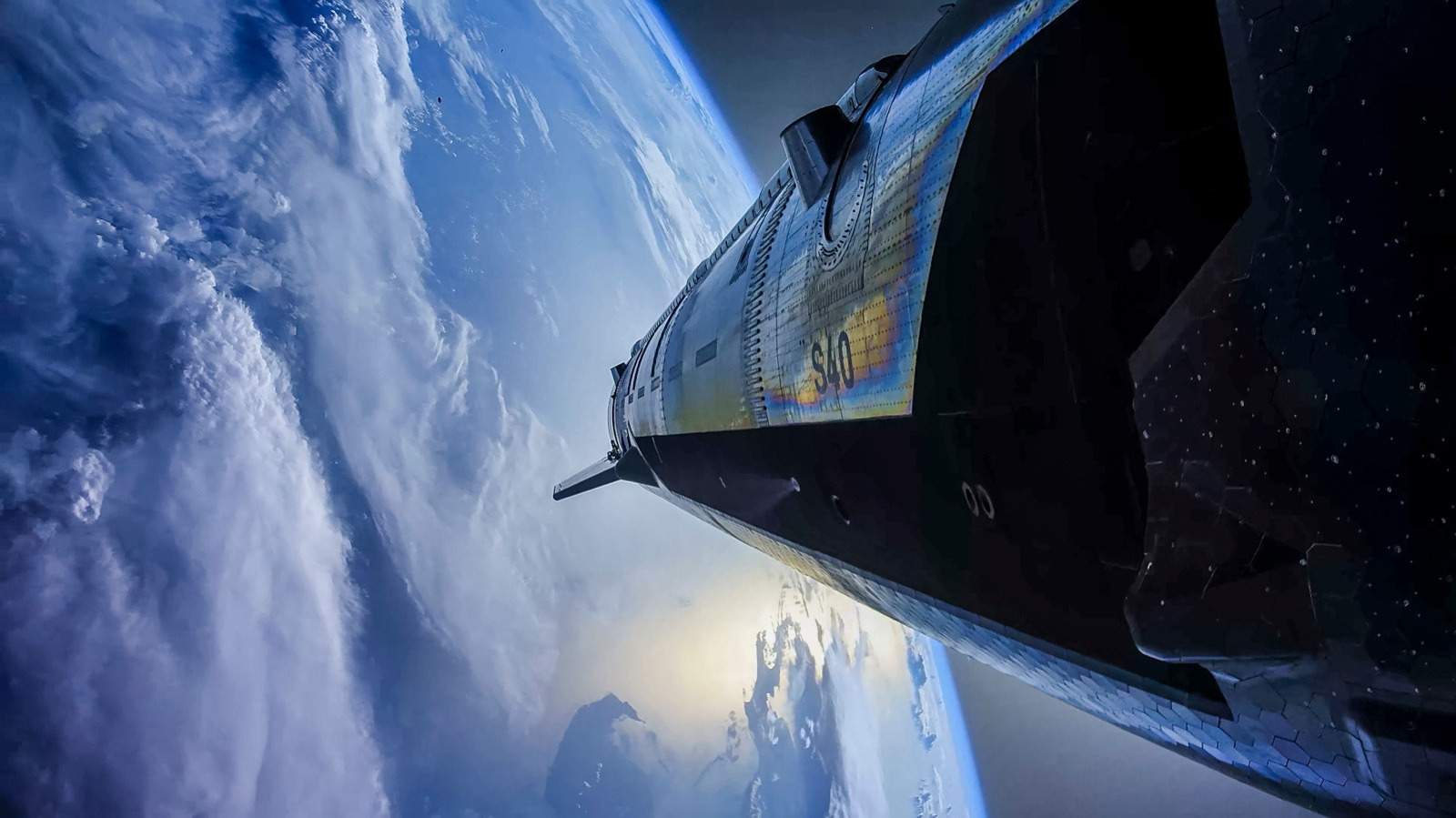
SpaceX has been vocal about its desire to move toward a more predictable launch cadence. In previous statements, company leadership has expressed that the primary bottleneck for the Starship program is no longer the engineering of the rocket itself, but rather the administrative and environmental review processes that govern launch frequency and trajectory safety.
While the company has been tight-lipped regarding the specific reason for the delay from September 22 to the 28th, industry analysts suggest it is likely a combination of routine final systems check-outs and the ongoing synchronization with federal traffic control agencies to ensure that the orbital flight path is clear of debris and other commercial assets.
Implications: The Future of Space Infrastructure
The success of Flight 14 will have profound implications for the global telecommunications and aerospace sectors.
1. Reusability and Economics
For this mission, SpaceX will not attempt a "catch" of the Super Heavy booster using the launch tower’s mechanical arms. Instead, the booster is slated for a controlled splashdown in the Gulf of Mexico. This decision highlights a conservative approach to the mission’s primary objective: orbital insertion. However, the long-term goal remains full, rapid reusability. Once the orbital insertion becomes routine, the focus will shift back to catching both the booster and the upper stage, which would effectively render the current generation of expendable rockets obsolete.
2. The Global Connectivity Race
By deploying the V3 satellites, SpaceX is effectively insulating its lead in the satellite internet market. The sheer throughput of these satellites will likely force competitors—both domestic and international—to accelerate their own satellite deployment schedules. This creates a "new space race" centered not on exploration, but on the control of the global data infrastructure.
3. Geopolitical Considerations
The naming of the splashdown site—the "Gulf of America," a designation used by the current administration—underscores the nationalistic pride and political weight attached to the success of the Starship program. As space becomes an increasingly crowded domain, the ability of a private entity like SpaceX to reliably place heavy payloads into orbit with high frequency provides the United States with a strategic advantage in orbital dominance.
4. Environmental and Operational Strategy
The final phase of the mission, which sees the upper stage crashing into the Pacific Ocean near Chile, serves as a controlled conclusion to the flight. As SpaceX moves toward more frequent orbital missions, the company will likely face increased scrutiny regarding space debris management. The ability to successfully deorbit the massive Starship upper stage in a specific, remote location is a vital skill that ensures the long-term sustainability of the low-Earth orbit (LEO) environment.
Conclusion: A New Era for SpaceX
As September 28 approaches, the eyes of the aerospace community will be fixed on the Texas coastline. Flight 14 represents the culmination of years of hard-won lessons, catastrophic failures, and engineering breakthroughs. If successful, it will prove that Starship is not just a concept or a prototype, but a workhorse capable of sustaining a modern, high-bandwidth orbital network.
SpaceX has invited the public to witness this historic event via its official X account. As the countdown to the 8:15 AM launch window begins, the world waits to see if the next generation of spaceflight is truly ready to take its place in the sky. Whether the mission achieves all its technical milestones or serves as another learning opportunity, one thing remains certain: the trajectory of the Starship program is pointing directly toward a future where the orbital economy is as robust as the terrestrial one.