
The landscape of podcasting is undergoing a seismic shift. For over a decade, the medium was defined by the binary: audio-only RSS feeds versus the visual-first ecosystem of YouTube. However, recent data from independent creators suggests that a new "middle ground" has emerged—and it is proving to be a potent engine for growth.
Stephen Robles, co-host of the popular Primary Technology podcast alongside Jason Aten, recently became a focal point for this trend. By integrating video directly into his Apple Podcasts feed, Robles has seen his engagement metrics and total reach climb significantly. His experience provides a compelling case study for creators wondering if the extra effort of video production is worth the payoff in the increasingly competitive world of Apple’s podcast directory.
The Chronology of a Pivot
The experiment began in earnest on April 9, 2026, when Primary Technology published its first episode featuring native video support on Apple Podcasts. Unlike previous attempts at "video podcasting" that often required separate hosting or redirected users to external links, this implementation uses Apple’s HLS (HTTP Live Streaming) integration to serve video directly within the app.
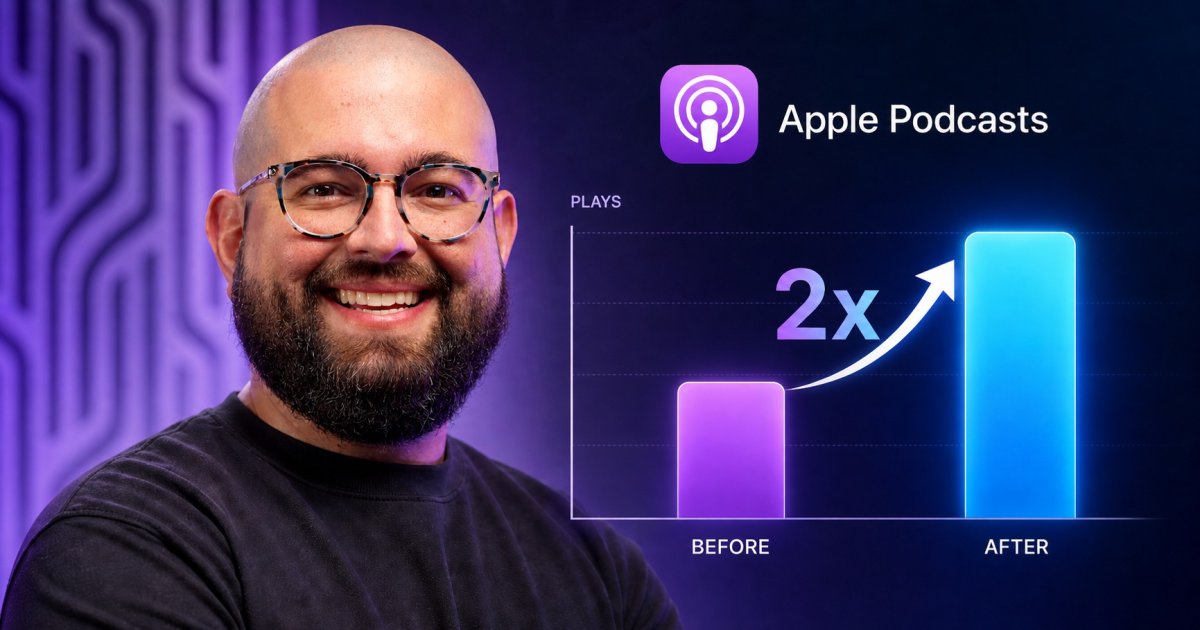
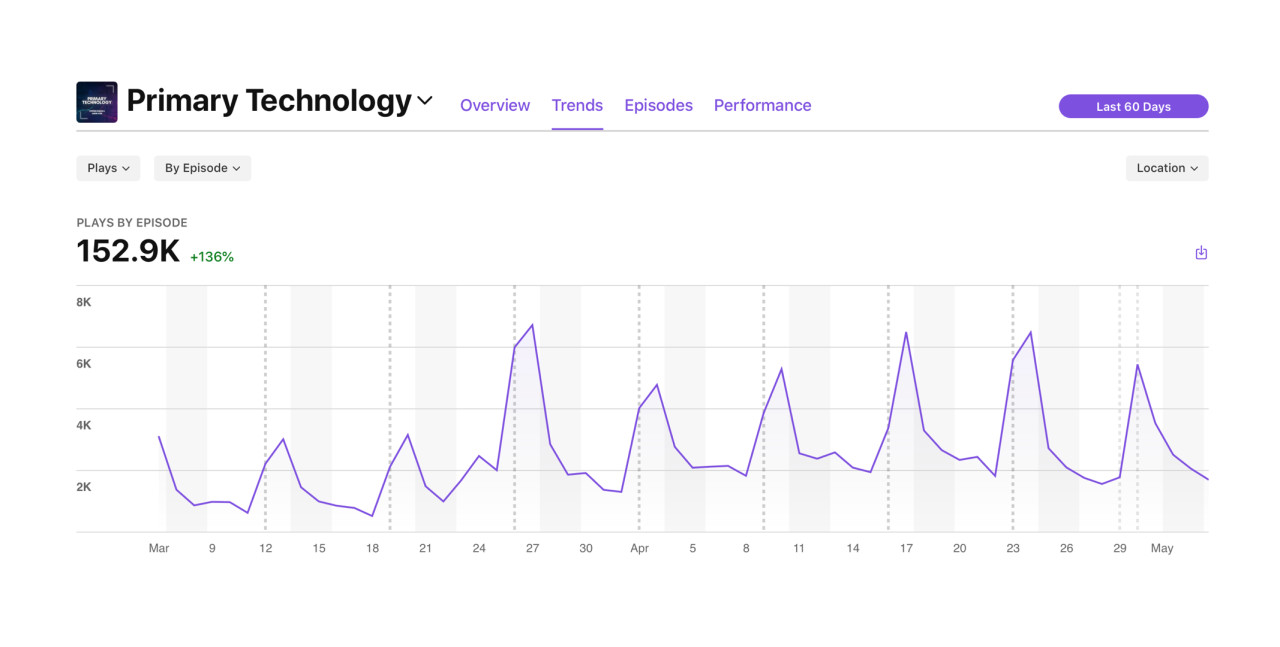
In the 60 days following this launch, the show experienced a remarkable transformation in its performance metrics. Before the switch, the show’s growth had been steady but predictable. After the introduction of video, total plays on the platform surged to 152.9K, representing a 136% increase.
Data-Driven Growth: Beyond Vanity Metrics
The numbers provided by Robles via his Apple Podcasts Connect dashboard reveal a clear correlation between the availability of video and overall consumption.
Per-Episode Performance
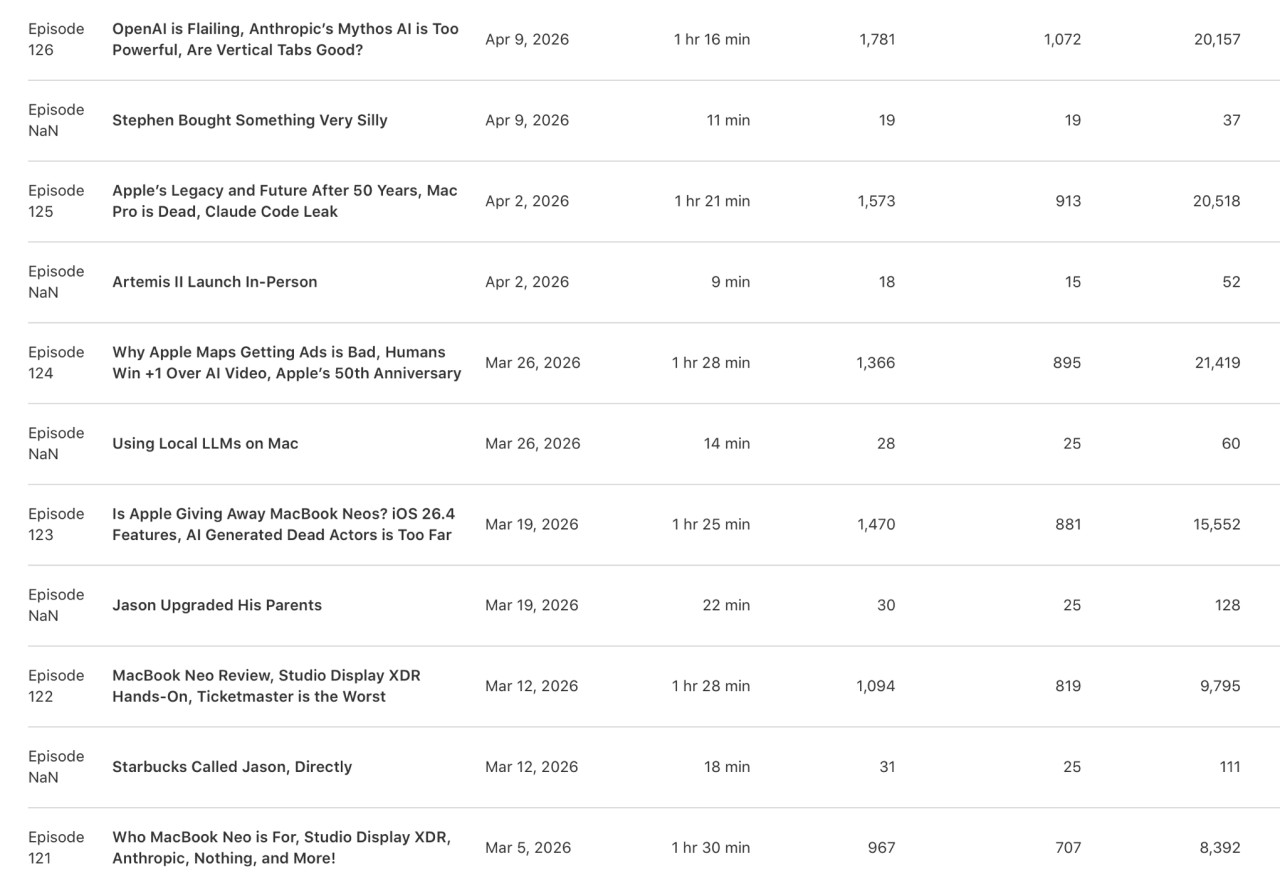
The raw data is striking. Episode 121, released as an audio-only file, garnered 8,392 plays. By contrast, Episode 126—the first to include the video component—saw that number jump to 20,157. This doubling of per-episode plays suggests that the visual element acts as a powerful hook, perhaps signaling higher production value or providing an alternative way for "passive" listeners to engage with the content.
Depth of Engagement
Perhaps more important than total plays is the "engaged listener" metric. Apple defines an engaged listener as someone who completes at least 20 minutes or 40% of an episode. In the case of Primary Technology, this figure climbed from 707 on Episode 121 to 1,072 on Episode 126. This data point is crucial; it indicates that the addition of video is not just bringing in "drive-by" clicks, but is actually keeping listeners hooked for a longer duration of the show.
The "Cannibalization" Myth
One of the most persistent fears among podcasters is that moving video to Apple will cannibalize their existing YouTube audience. However, the data from Primary Technology suggests the opposite.
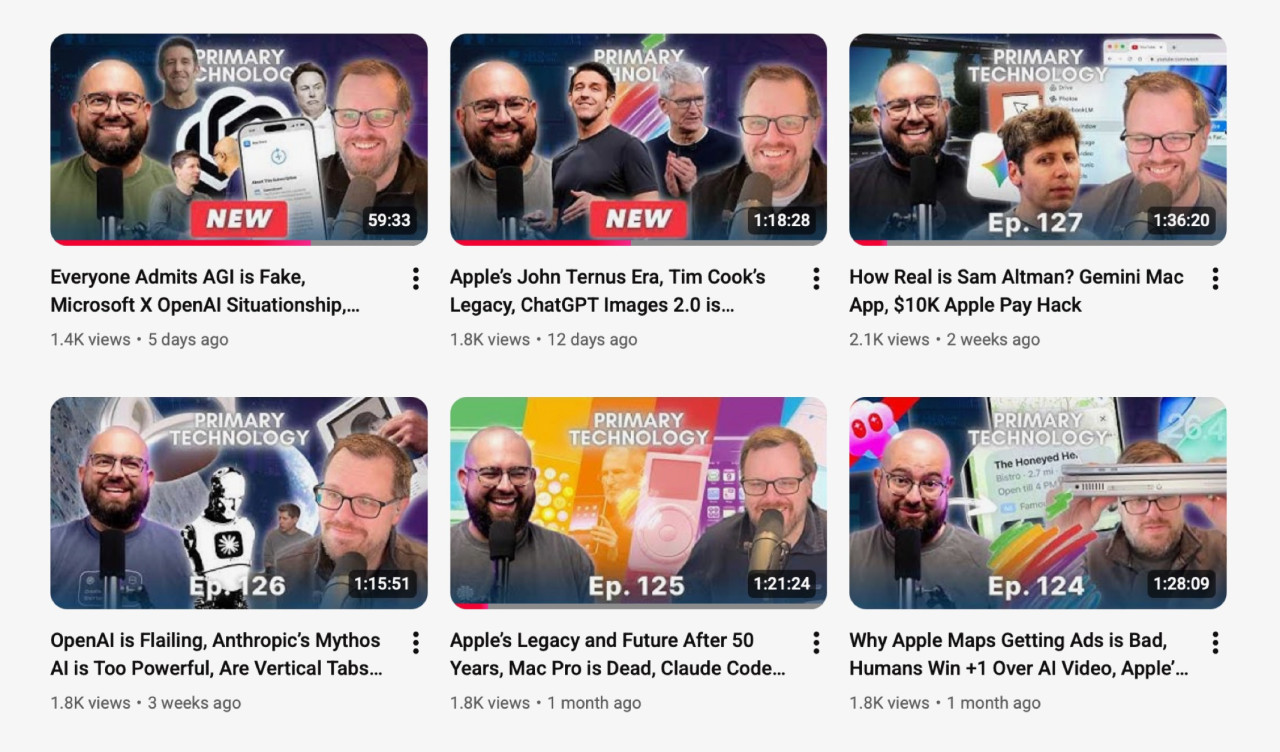
Robles’ YouTube channel has remained remarkably consistent, with episodes continuing to pull between 1,400 and 2,100 views each. This stability confirms that the audience migrating to the Apple Podcasts video feed is largely additive. Rather than shifting existing fans from one platform to another, the video integration is reaching a new segment of the audience—those who prefer the convenience of the Apple Podcasts interface but were previously underserved by audio-only content.
Breaking into the Top 50
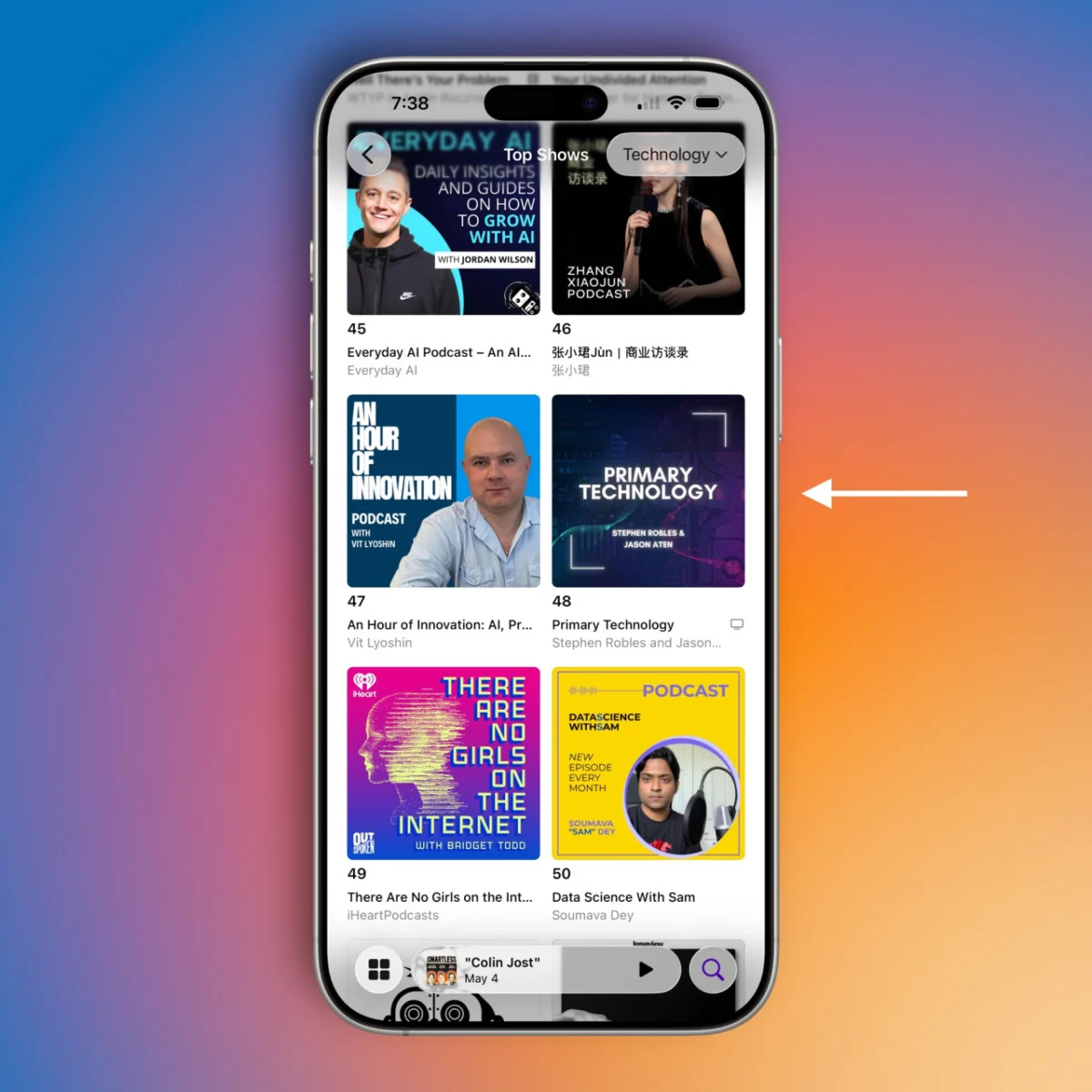
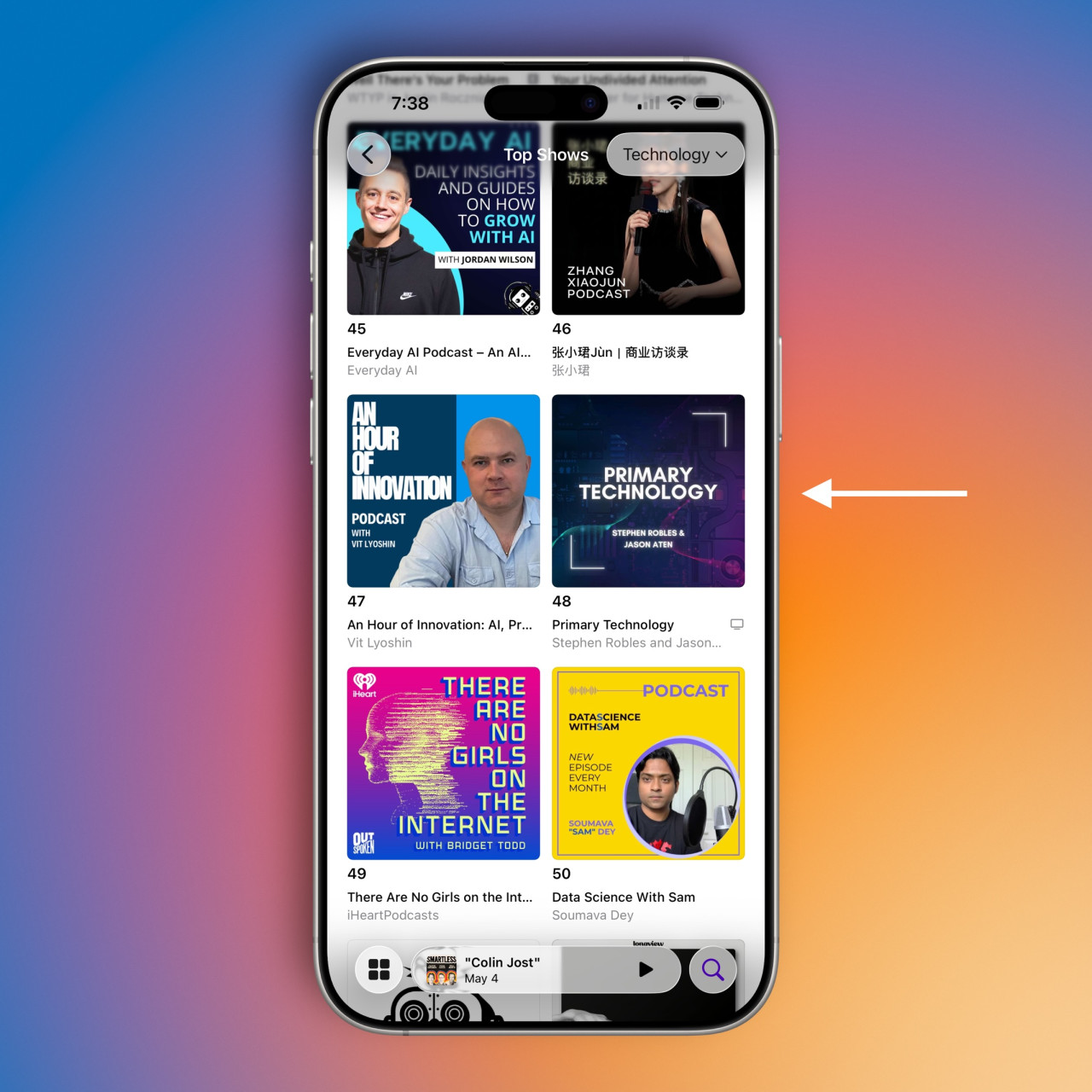
The broader implication of this growth is the impact on discoverability. Following the implementation of video, Primary Technology successfully broke into the Top 50 technology podcasts on Apple.
In a category historically dominated by major media conglomerates like NPR, The New York Times, and Vox, this is a significant achievement for an independent show. Apple’s algorithm appears to be rewarding shows that utilize its latest features, and by prioritizing video, independent creators can effectively "hack" their way into higher visibility. This is supported by anecdotal evidence from user reviews, with listeners explicitly mentioning that they "stumbled into" the show—a common byproduct of increased exposure in the "Top Charts" section.
The "Apple Tax": Technical Trade-offs and Growing Pains
While the growth metrics are undeniably positive, the transition to video is not without its challenges. Robles was candid about the limitations of Apple’s current implementation, which he views as a "work in progress."
The Chapter and Transcript Problem
The most significant drawback noted by creators is the loss of certain features when moving to an HLS video format. Currently, Apple does not support native chapters or synchronized transcripts for shows that add video. This creates a disparity between the "audio-only" experience—which typically includes robust chapter markers and searchable transcripts—and the "video" experience.
Robles noted that this led to confusion among his listeners, some of whom incorrectly assumed the show had placed chapters behind a paywall. In reality, the chapters were still embedded in the MP3 files for other apps like Overcast or Pocket Casts, but were being stripped by Apple’s video player.
The Subscriber Experience
A secondary, more frustrating issue exists for paid subscribers. Currently, Apple does not offer a dedicated "subscriber video" tier that functions seamlessly with their existing subscription model. As a result, listeners who pay to support the show via Apple Podcasts find themselves in a strange limbo where they receive neither the benefits of the video nor the full suite of audio features they might expect.
The Future of Distribution: One Upload, Many Destinations
Despite these technical hurdles, the workflow remains the primary draw for many creators. Utilizing platforms like Transistor—which has become an approved HLS partner for Apple—allows creators to maintain a "distribute everywhere" strategy.
By uploading a single file, a creator can push their content to:
- Apple Podcasts (with HLS video)
- YouTube (via automated export)
- Spotify
- Open Podcast RSS (for apps like Overcast, Pocket Casts, and others)
This efficiency is essential for independent creators who do not have the resources of a major network. It allows them to spend more time on production and less time on the administrative burden of manual multi-platform uploads.
Strategic Implications for Independent Creators
The case of Primary Technology serves as a blueprint for the modern podcaster. The strategy is clear: Apple is currently incentivizing the adoption of its video features through increased discoverability and algorithm placement.
For creators who have already invested in video production for YouTube, moving that content into the Apple ecosystem is a low-friction way to capture a new, highly engaged audience. While the technical limitations regarding chapters and transcripts are significant, they appear to be temporary growing pains of a platform that is still iterating.
Conclusion
As the podcasting market saturates, the ability to differentiate becomes the defining factor for success. Video is no longer an optional "extra" for high-end productions; it is becoming a core component of the distribution mix. For independent creators, the opportunity to reach the Top 50 charts, improve engagement metrics, and capture a new, diverse audience is worth the trade-off of current platform limitations.
The message from the data is clear: if you are a creator who has the capacity to produce video, the current state of Apple Podcasts offers a unique, time-sensitive window of opportunity. The early movers are not just gaining views; they are cementing their place in a new hierarchy of digital media, proving that even in a crowded market, the right strategy can lead to explosive, sustainable growth.
