Introduction: A New Chapter for the Writers Guild
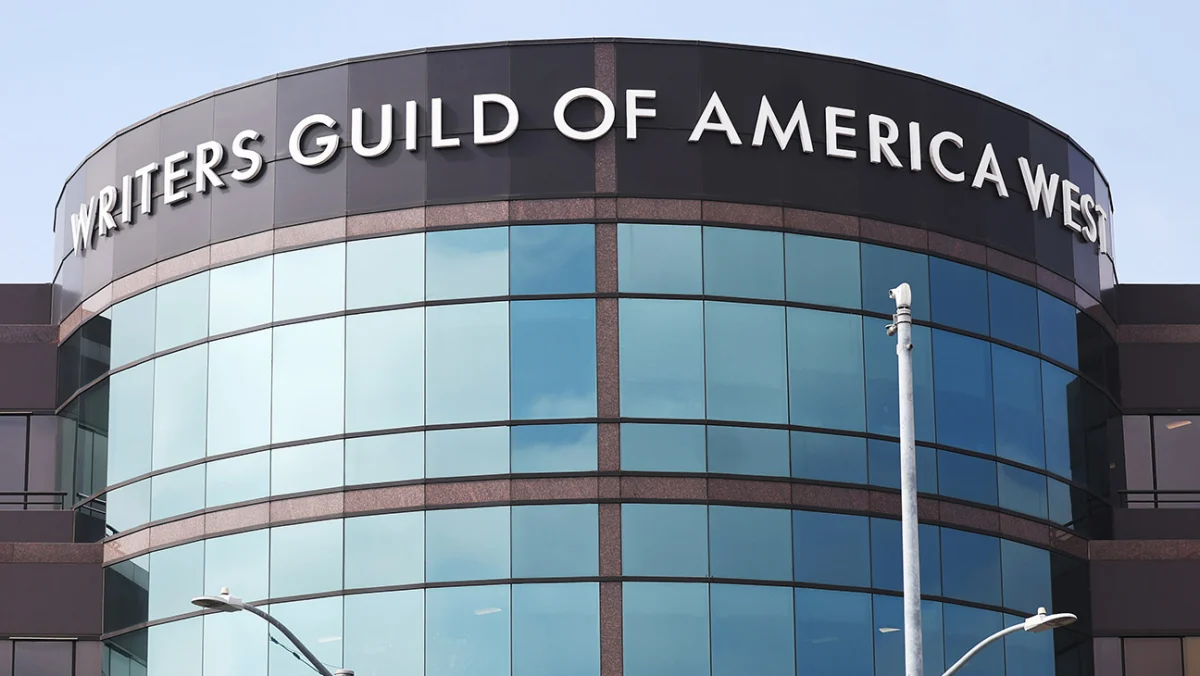
The Writers Guild of America West (WGAW) has officially concluded its 2026 board of directors election, signaling a blend of institutional continuity and fresh creative perspectives. As the industry grapples with rapid technological shifts, the rise of artificial intelligence in the writers’ room, and evolving distribution models, the union has reinforced its governance by re-electing five veteran incumbents while welcoming three prominent industry voices to its leadership table.
The election, which concluded on Tuesday, serves as a pivotal moment for the organization. With 2,451 ballots cast by the membership, the results reflect a mandate for stability, even as the union continues to integrate new leadership to tackle the complexities of modern screenwriting. Among the incoming board members are the creative forces behind acclaimed television series ranging from the raucous animation of Big Mouth to the procedural drama of A Million Little Things.
The Core Results: Who Will Lead?
The WGAW membership has signaled a clear preference for experienced hands at the helm, while simultaneously inviting new strategic thinkers into the fold. The election results confirm the addition of three new board members: Andrew Goldberg, Mark Swift, and Nikita Hamilton.
- Andrew Goldberg: Known for his work on the hit Netflix series Big Mouth and the film Mating Season, Goldberg brings a deep understanding of the animation and streaming landscape—sectors that have been central to recent labor disputes.
- Mark Swift: With a diverse background spanning the iconic Baywatch to the contemporary dramedy Send Help, Swift represents the intersection of legacy television and modern streaming-first content.
- Nikita Hamilton: A writer recognized for her contributions to A Million Little Things and the fashion-forward drama The Bold Type, Hamilton adds a vital voice to the board, representing the interests of writers navigating the high-stakes world of network and cable television.
These three individuals, who were previously vetted and endorsed by the union’s board nominating committee, will serve two-year terms. They join an existing board that includes five re-elected members who successfully retained their seats in a highly competitive contest.
Chronology: The Election Process
The 2026 election cycle was marked by a structured, transparent process designed to ensure member engagement and administrative integrity.
- August 26: The voting window officially opened, allowing WGAW members to review candidate platforms and cast their ballots through the secure, verified portal provided by Votenet Solutions.
- Campaign Period: During the intervening weeks, candidates engaged with the membership, discussing the union’s ongoing priorities, including residual payments, creative rights in the age of AI, and the enforcement of the 2023 Minimum Basic Agreement (MBA).
- September 15: The polls closed, bringing an end to the active voting period.
- The Count: The tallying process was meticulously overseen by the WGAW’s tellers committee in coordination with Votenet Solutions, ensuring that the count was accurate and beyond reproach.
- Tuesday: The final results were certified and released to the membership, confirming the composition of the new board.
Supporting Data: Membership Participation and Voting Trends
The health of a labor union is often measured by the active engagement of its members. The 2026 election saw 2,451 votes cast, a robust showing that underscores the membership’s commitment to the union’s governance.
The re-election of incumbent board members indicates a high level of satisfaction with the current trajectory of the Guild. Melinda Hsu emerged as the frontrunner, securing the highest level of support with 1,661 votes. Following her were Raphael Bob-Waksberg (1,441 votes) and Chris Hazzard (1,429 votes), both of whom solidified their standing within the union hierarchy. Cathryn Humphris and Danny Tolli were also successfully re-elected, rounding out a cohort of incumbents who have been instrumental in recent contract negotiations.
The following table summarizes the key vote counts for the re-elected incumbents:
| Candidate | Vote Count |
|---|---|
| Melinda Hsu | 1,661 |
| Raphael Bob-Waksberg | 1,441 |
| Chris Hazzard | 1,429 |
These figures suggest that despite the internal pressure and the rapid changes facing the industry, the WGAW membership maintains a strong sense of unity regarding its leadership.
Leadership Structure and Organizational Continuity
The newly elected and re-elected board members will be integrated into a larger, established leadership framework. The current union officers—President Michele Mulroney, Vice President Travis Donnelly, and Secretary-Treasurer Peter Murrieta—remain in their positions, as they did not face re-election during this cycle.
This structure creates a deliberate balance. By maintaining the current executive officer team while adding three new directors to the board, the WGAW ensures that institutional knowledge is preserved while new perspectives are brought to the boardroom. This continuity is essential for the union as it transitions from the high-tension period of the 2023 strike to the more granular, day-to-day enforcement of existing contracts and preparation for future labor challenges.
Implications for the Industry
The composition of this board has significant implications for the future of the WGAW and the broader entertainment industry. As the Guild looks toward the future, several key issues will remain at the forefront of their agenda:
1. Artificial Intelligence and Creative Integrity
The inclusion of writers from both animated and live-action backgrounds, such as Goldberg and Hamilton, highlights the importance of addressing AI in the writers’ room. Animation, in particular, faces unique challenges regarding generative technology. The board will be tasked with ensuring that writers’ creative contributions are not only protected but appropriately compensated in an era where AI-generated content is becoming increasingly prevalent.
2. Residuals and Streaming Economics
With the industry shifting from traditional broadcast models to subscription video-on-demand (SVOD), the financial stability of writers is in constant flux. The board’s challenge will be to monitor the implementation of residual structures that accurately reflect the success and viewership of streaming programs. The re-elected incumbents, who have navigated these negotiations before, will play a crucial role in maintaining these hard-won gains.
3. Diversity and Inclusion
The election of Nikita Hamilton, a writer whose work often centers on diverse, nuanced storytelling, signals a continued commitment by the Guild to represent a broad spectrum of voices. The WGAW has long been an advocate for inclusive hiring practices, and the diversity of the new board suggests that this will remain a priority in their discussions with studio heads and production companies.
4. Enforcement of the 2023 MBA
The 2023 strike was a watershed moment for the union. Now that the contract is in place, the primary work of the board shifts to rigorous enforcement. This involves addressing grievances, ensuring compliance with writing team minimums, and advocating for writers who are marginalized by studio cost-cutting measures.
Conclusion: The Path Forward
The 2026 WGAW board election is a reflection of a union that is both confident in its past and prepared for its future. By retaining experienced leaders like Melinda Hsu and Raphael Bob-Waksberg while inviting fresh talent like Andrew Goldberg, Mark Swift, and Nikita Hamilton, the Guild has positioned itself to remain a formidable force in Hollywood.
As these members begin their two-year terms, they do so with the support of a highly engaged membership. Their task is significant: to navigate a landscape defined by technological disruption, shifting economic models, and the enduring need to protect the creative soul of the entertainment industry. For the Writers Guild of America West, the mandate is clear: protect the writer, promote the craft, and ensure that the voice of the storyteller remains the most vital asset in Hollywood.