Introduction and Main Facts
More than a decade after its initial release, Fallout: New Vegas remains an outlier in the modern gaming landscape. Developed by Obsidian Entertainment and released by Bethesda Softworks in 2010, the spin-off is frequently cited by traditional role-playing game (RPG) enthusiasts as the pinnacle of modern Fallout design. It was praised for its intricate factions, branching narratives, and reactive world-building—elements that some critics argue surpassed Bethesda’s own mainline titles.
However, the enduring legacy of New Vegas also birthed a deep-seated cultural divide within the gaming community, fostering an ongoing debate over which studio is better equipped to handle post-apocalyptic or fantasy sandboxes.
According to former Bethesda Game Studios designer Kurt Kuhlmann, this exact dynamic is the primary reason why The Elder Scrolls franchise has never been handed off to an external studio for a similar spin-off treatment. Speaking on the FRVR Podcast, Kuhlmann shed light on how executive producer Todd Howard and leadership at Bethesda viewed the fallout (pun intended) from the Obsidian partnership. Rather than encouraging a healthy ecosystem of creative iteration, the immense critical and cultural success of New Vegas created a polarized narrative: one that pitted Bethesda against Obsidian in a zero-sum game of fan loyalty.
Chronology of Events: The Diverging Paths of Fallout and The Elder Scrolls
To understand why The Elder Scrolls took a strictly in-house trajectory while Fallout embraced outside collaboration, it is necessary to examine the historical timeline of both franchises under Bethesda Softworks.
- 2004–2006 (The Acquisition and Shift): Bethesda acquired the intellectual property rights to Fallout from Interplay Entertainment. In 2006, Bethesda released The Elder Scrolls IV: Oblivion to massive critical acclaim, establishing their proprietary workflow for open-world design.
- 2008 (The Launch of Fallout 3): Bethesda successfully transitioned the isometric, turn-based Fallout franchise into a first-person 3D open-world RPG with Fallout 3. While commercially and critically successful, some purists lamented the loss of classic interplay lore and writing styles.
- 2010 (The Release of Fallout: New Vegas): Hoping to bridge the gap between classic Fallout lore and the new 3D engine, Bethesda contracted Obsidian Entertainment—comprising many original developers of the Interplay era—to develop New Vegas. Despite a notoriously rushed 18-month development cycle that led to launch bugs, the game achieved legendary status for its writing and RPG mechanics.
- 2011–2014 (The Aftermath and The Elder Scrolls Online): Following New Vegas, Bethesda doubled down on internal development for The Elder Scrolls V: Skyrim (2011). Simultaneously, ZeniMax Media launched The Elder Scrolls Online (ESO) in 2014, fulfilling a continuous content pipeline for the IP without requiring a single-player spin-off from an external developer.
- 2015–Present (Consolidation and Industry Shifts): Bethesda released Fallout 4 and Fallout 76, while Microsoft eventually acquired Bethesda’s parent company, ZeniMax, bringing Obsidian and Bethesda under the same corporate umbrella—though corporate structures and studio independence remained largely separated.
Official Responses and Insights from Inside Bethesda
Kurt Kuhlmann’s revelations on the FRVR Podcast offer a rare, candid look into the internal corporate psychology of Bethesda Game Studios during a period of explosive growth.
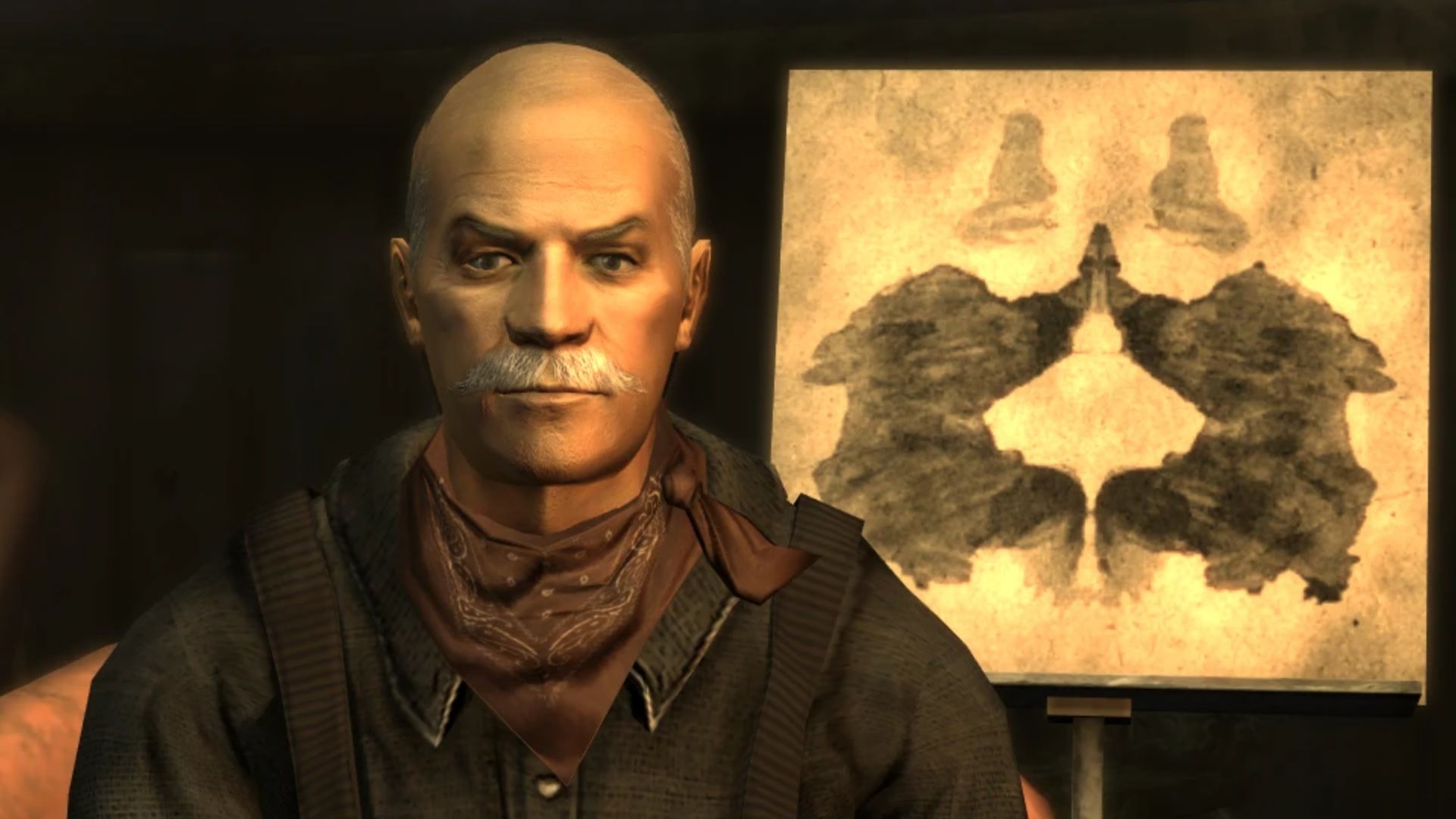
Kuhlmann explained that the critical reception of New Vegas inadvertently manufactured an adversarial relationship in the public eye. "The whole New Vegas thing did create at least the perception of this, ‘Who makes a better Fallout game? Oh, they should just give it to Obsidian,’" Kuhlmann stated. Fans quickly entrenched themselves in camps, arguing that Obsidian’s writing pedigree made them inherently superior custodians of the wasteland.
For Todd Howard and the core leadership team at Bethesda, avoiding a repeat of this situation for The Elder Scrolls became a matter of brand preservation and creative autonomy. Kuhlmann noted that Howard is famously protective of The Elder Scrolls franchise, viewing it as the foundational crown jewel of Bethesda Game Studios.
"I don’t know that Todd wanted to create that situation again for The Elder Scrolls," Kuhlmann said. "Todd, from my time there, he is very protective of it."
Furthermore, Kuhlmann pointed out that the launch and sustained operation of The Elder Scrolls Online served as a pressure valve for the franchise. Rather than needing an external single-player spin-off to keep the brand alive between mainline numbered entries (such as the lengthy wait between Skyrim and the perpetually anticipated The Elder Scrolls VI), ESO provided a steady stream of lore, zones, and adventures.
"There are a lot of people to whom The Elder Scrolls is now ESO," Kuhlmann observed. "That’s their experience with it. That’s what they love. That’s where they got their Elder Scrolls gaming experience, and that’s probably what they want more of."
Supporting Data and Cultural Impact
The friction between Bethesda’s design philosophy and the expectations of hardcore CRPG fans has spawned a unique subculture within online gaming communities.
The "Bethesda vs. Obsidian" Dichotomy
Data from fan communities across Reddit, YouTube, and gaming forums highlights a stark divergence in player priorities:
- Bethesda’s Focus: Environment-driven exploration, environmental storytelling, systemic physics, and a sandbox approach where players can interact with nearly every object in the world.
- Obsidian’s Focus: Deep narrative branching, faction reputation systems, political complexity, and dialogue choices that heavily impact the game world.
While many developers and industry veterans speak respectfully of one another—Bethesda employees have frequently praised Obsidian’s talent—the online discourse has often turned toxic. Content creators and social media commentators have routinely stoked studio rivalry, weaponizing New Vegas as a stick to beat Bethesda with whenever a mainline release like Fallout 4 or Starfield receives mixed reviews regarding its writing or role-playing depth.
Implications for the Future of RPGs
The decision to keep The Elder Scrolls exclusively in-house carries profound implications for the gaming industry, corporate studio dynamics, and the future of open-world development.
1. The Psychology of Brand Ownership
Creative directors like Todd Howard operate under immense pressure to maintain a cohesive artistic vision across decades. When an external studio reinterprets a universe, it risks fracturing the canon or setting a benchmark that the original creators may struggle—or choose not—to follow. By keeping The Elder Scrolls tightly controlled, Bethesda preserves its singular authorial voice, even if it occasionally starves fans of new content during lengthy development cycles.

2. The "Monkey’s Paw" of Corporate Acquisitions
The irony of the New Vegas debate has only deepened with time. Following Microsoft’s acquisition of ZeniMax Media in 2021, both Bethesda Game Studios and Obsidian Entertainment now technically answer to the same parent corporation (Xbox). Fans spent over a decade demanding that Obsidian be allowed to make another Fallout game.
However, the modern games industry landscape has shifted dramatically. With widespread layoffs, studio closures, and tightened budgets sweeping across Xbox and the broader tech sector, the idea of handing off massive franchises casually is no longer simple. As industry observers note, Obsidian is indeed working on major titles, but the corporate pressure cooker under which modern triple-A games are developed means that nobody is playing under ideal conditions anymore. The wish for a new Obsidian-led Fallout arrived alongside an era of corporate instability, proving to be a classic "monkey’s paw" outcome.
3. What This Means for The Elder Scrolls VI
As Bethesda continues development on The Elder Scrolls VI—announced initially in 2018—gamers should harbor no illusions about an external studio stepping in to offer a fresh take on Tamriel. Bethesda remains firmly committed to its vertically integrated development model. Whether The Elder Scrolls VI can satisfy both the modern mainstream audience and the traditional RPG purists who long for the complexity of older titles remains to be seen. What is certain, however, is that the game will bear the distinct, uncompromised signature of Bethesda Game Studios from start to finish.