For years, the dream of personal renewable energy has been gated behind the high costs and logistical hurdles of professional roof-mounted solar installations. For homeowners with the right roof orientation and the capital to invest, the transition to solar was a straightforward path to long-term savings. For the millions of Americans living in apartments, townhomes, or rental properties, however, the renewable revolution remained largely inaccessible.
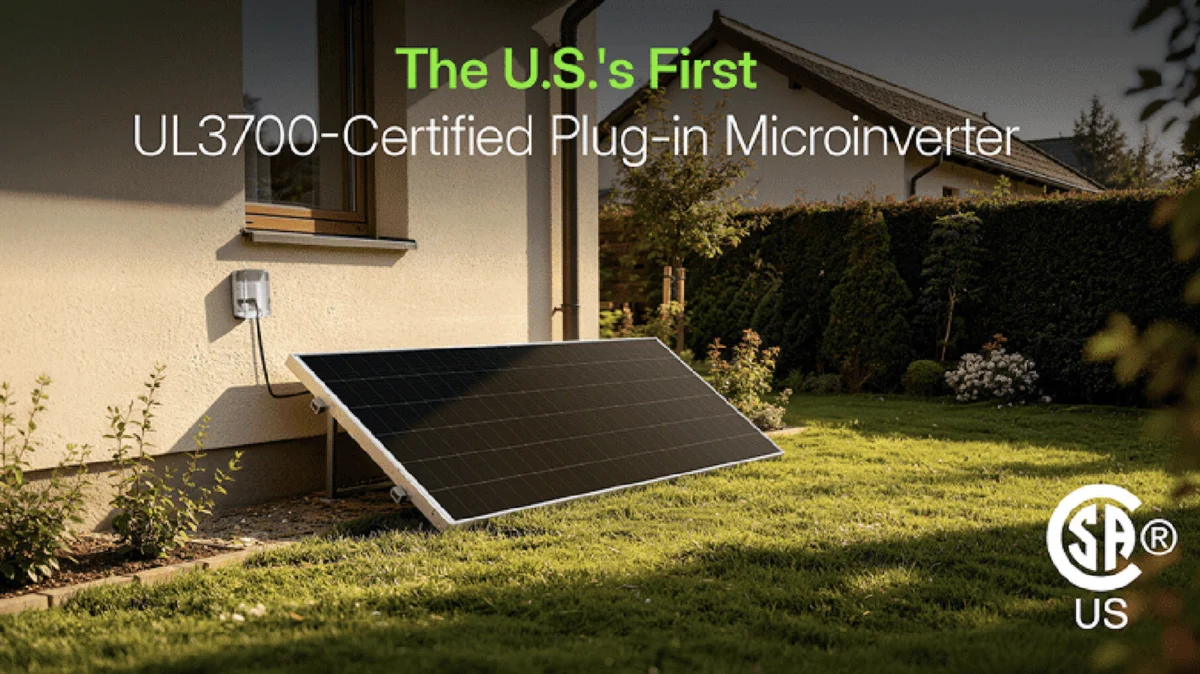
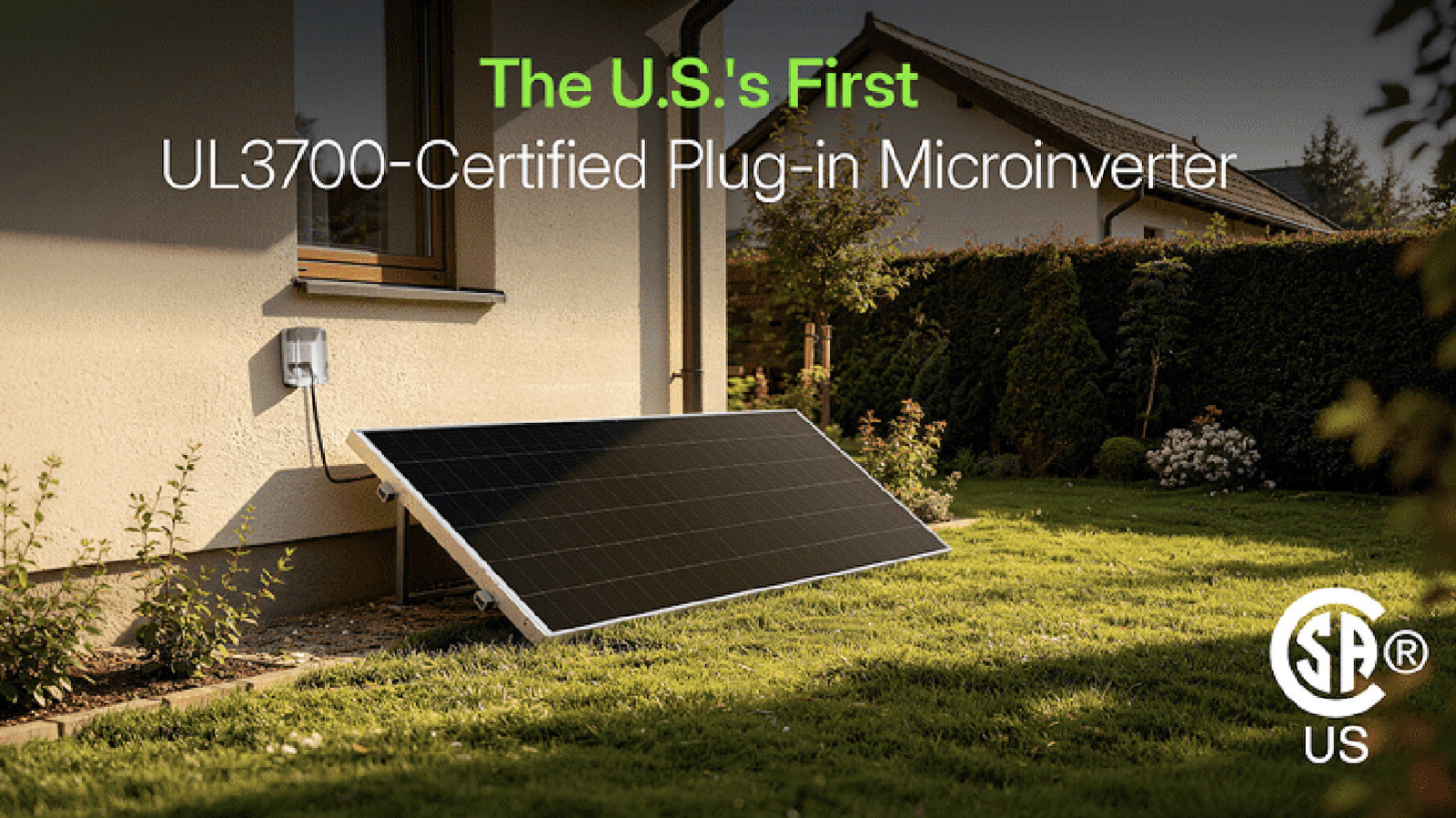
That dynamic is shifting dramatically this month. With the commercial release of the Hoymiles HiFlow Pro, the United States has officially entered the era of "plug-in" solar. As the first microinverter to achieve compliance with the rigorous UL 3700 standard, the HiFlow Pro represents a significant leap forward in making decentralized, small-scale energy production a practical reality for the average consumer.
The Core Innovation: What is the HiFlow Pro?
At its simplest, the Hoymiles HiFlow Pro is a microinverter that bridges the gap between a portable solar panel and a standard household wall outlet. Unlike traditional solar systems that require complex wiring into the home’s main electrical panel—a process that typically necessitates permits, electricians, and the consent of a landlord—the HiFlow Pro allows users to feed electricity generated by a balcony-mounted or patio-based panel directly into their existing home electrical system.
The technology works by converting the direct current (DC) captured by solar panels into alternating current (AC) that matches the frequency and voltage of the household grid. When plugged into an outlet, the device effectively offsets the power draw from the utility company, lowering the user’s electricity bill by feeding energy into the "behind-the-meter" circuit.
The Regulatory Milestone: Understanding UL 3700
The primary barrier to plug-in solar—often referred to as "balcony solar" or "plug-and-play PV"—has never been the technology itself, but rather the safety concerns associated with feeding electricity into a socket rather than drawing it out.
In December 2025, the industry reached a critical inflection point with the adoption of the UL 3700 safety standard. Developed by UL Solutions, this is the first North American framework specifically designed to govern plug-in photovoltaic energy systems.
Why UL 3700 Matters
Before the implementation of this standard, utility companies and municipal fire marshals expressed legitimate fears regarding "back-feeding." In the event of a grid power outage, traditional inverters could theoretically continue to pump electricity into the home’s wiring, potentially energizing the local utility grid. This creates a lethal hazard for electrical line crews working to restore power.
UL 3700 mandates strict "anti-islanding" protection. This technology detects when the grid connection is lost and instantly shuts down power output, ensuring that the solar system does not pose a risk to utility workers. Furthermore, the standard dictates requirements for preventing overloads on standard household circuits and ensures that the hardware can withstand the environmental stressors of being mounted on balconies or exterior walls.
A Chronology of the Plug-in Solar Movement
The path to the HiFlow Pro’s release was paved by years of grassroots advocacy and incremental legislative progress.
- 2020–2022: The European Precedent: While the US lagged, countries like Germany saw a massive surge in "Balkonkraftwerk" (balcony power plants). The ease of installation and the ability to move the hardware when changing apartments created a new market demographic for solar.
- 2023: Early US Interest: Interest began to grow in the US as energy prices spiked. Consumer advocacy groups began pressuring state legislatures to clarify the legality of plug-in systems, which occupied a "gray area" in most electrical codes.
- December 2025: The Standard is Born: UL Solutions officially debuted the certification framework for UL 3700, providing a roadmap for manufacturers to build safe, standardized hardware.
- Early 2026: State-Level Legalization: A handful of forward-thinking states began passing laws permitting plug-in solar, effectively exempting these low-wattage devices from the complex permitting processes required for full-scale rooftop arrays.
- July 2026: The Commercial Launch: Hoymiles releases the HiFlow Pro, marking the first time a consumer can purchase a UL 3700-certified microinverter at retail.
Supporting Data: The Impact of Decentralized Energy
To understand the potential of this technology, one must look at the demographics of the American housing market. According to recent census data, over 35% of US households are occupied by renters. For these millions of citizens, traditional solar is effectively prohibited.
The HiFlow Pro and its successors aim to tap into this massive, underserved market. A typical balcony solar setup—usually comprising one or two high-efficiency panels—can generate between 300 and 800 watts of power. While this is not enough to run an entire apartment, particularly during high-load periods like air conditioning usage, it is highly effective at offsetting "baseload" power consumption.
The "Baseload" Offset
Most households have a constant power draw—refrigerators, internet routers, standby electronics, and ventilation. By feeding 300–400 watts into the home circuit, a plug-in solar system can effectively zero out the electricity cost of these essential appliances.
Data from early pilots suggests that for an average apartment dweller, a modest balcony setup can reduce monthly electricity bills by 10% to 20%, depending on the local utility rates and the number of sun-hours available. When amortized over the lifespan of the hardware, the return on investment (ROI) is significantly faster than that of a multi-thousand-dollar rooftop installation.
Official Responses and Industry Outlook
The industry reaction to the HiFlow Pro has been one of cautious optimism. Utility companies, historically wary of residential solar, have largely stayed neutral, provided the safety standards are strictly adhered to.
"The transition to UL 3700 compliance is the ‘green light’ the industry needed," says Sarah Jenkins, an analyst for renewable energy infrastructure. "Without a recognized safety standard, utilities had the leverage to block these devices. With the Hoymiles release, we are moving from a ‘wild west’ scenario to a regulated, consumer-friendly market."
However, challenges remain. Municipalities are currently updating their building codes to harmonize with the national standard. While some states have already enacted legislation, others are waiting to see how the early adopters fare. There is also the issue of Homeowners Associations (HOAs), which have long held the power to block exterior modifications. Legislative efforts are currently underway in several states to prevent HOAs from banning plug-in solar on balconies, mirroring the "Right to Solar" laws that previously protected rooftop installations.
Implications for the Future of Energy
The arrival of the HiFlow Pro is more than just a new gadget; it is a fundamental shift in how we conceive of the "grid." By democratizing the ability to produce power, we are decentralizing the energy infrastructure.
1. Urban Resilience
As cities become denser and more susceptible to grid strain during extreme weather events, small-scale, plug-in solar acts as a distributed buffer. While these units cannot run an islanded home during a blackout, they do reduce the aggregate load on the grid, providing a marginal but important reduction in peak demand.
2. The Mobility of Energy
One of the most significant advantages of plug-in solar is its portability. Unlike traditional solar panels that are bolted into the rafters of a home, these systems are modular. A renter who invests in a balcony setup can uninstall it in an afternoon and take it to their next apartment. This portability removes the "tenure risk"—the fear that one won’t stay in a home long enough to recoup the investment in solar technology.
3. A Stepping Stone to Wider Adoption
The psychological barrier to solar is often as significant as the financial one. By allowing consumers to "test the waters" with a small, low-risk, and low-cost balcony setup, the industry is creating a new pipeline of future solar customers. Once a consumer experiences the satisfaction of watching their electricity meter slow down due to their own efforts, they are far more likely to advocate for larger, building-wide solar initiatives in the future.
Conclusion: The Path Forward
The launch of the Hoymiles HiFlow Pro is an essential milestone in the energy transition. By bringing safety, standardization, and accessibility together, it has turned balcony solar from a niche hobbyist pursuit into a viable mainstream technology.
While it is not a panacea for the climate crisis or the high cost of energy, it represents a crucial expansion of the renewable energy movement. By empowering renters and apartment dwellers to participate in the energy market, we are not just changing how we power our homes—we are changing who has the right to generate that power. As state laws catch up to the technology and more manufacturers follow Hoymiles’ lead, the sight of a solar panel on a balcony may soon be as common as a window air conditioning unit, marking a permanent change in the American urban landscape.