By Carolina Abbott Galvão
Delacorte Fellow, Columbia Journalism Review
Main Facts: A Coordinated Pressure Campaign Against the Press
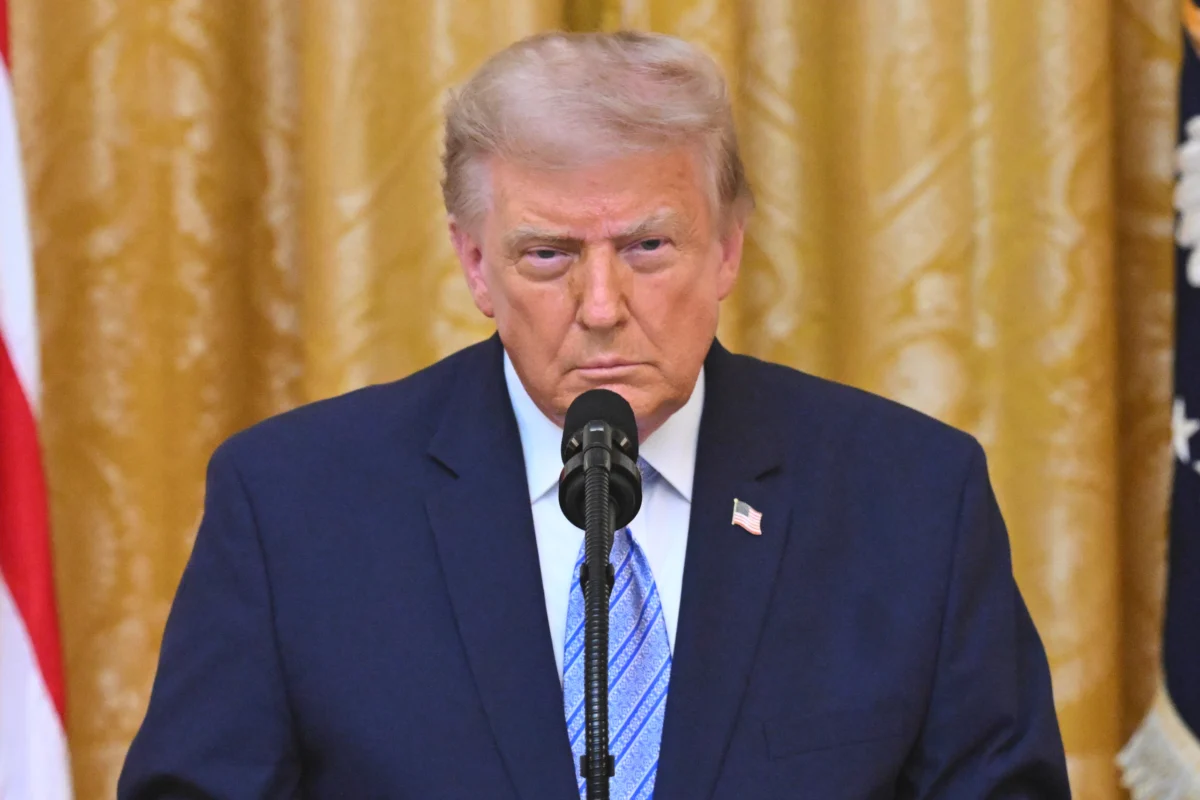
The constitutional architecture of the American republic is facing a severe stress test as the second Trump administration intensifies its multi-pronged offensive against the independent press. At the center of this campaign is a stated desire by President Donald Trump to criminalize the publication of classified national security leaks and force journalists to unmask their confidential sources—under the threat of heavy fines, grand jury subpoenas, and potential imprisonment.
This adversarial posture has transformed from campaign rhetoric into actionable state policy. While the first Trump administration routinely tested the boundaries of press freedoms by seizing the communication records of reporters from outlets like The New York Times, The Washington Post, and CNN, the current administration has escalated these tactics. Federal law enforcement agencies have moved from data-gathering to aggressive legal maneuvers, including the issuance of sweeping grand jury subpoenas, the attempted seizure of electronic devices, and targeted arrests of both domestic reporters and foreign-born journalists under immigration pretexts.
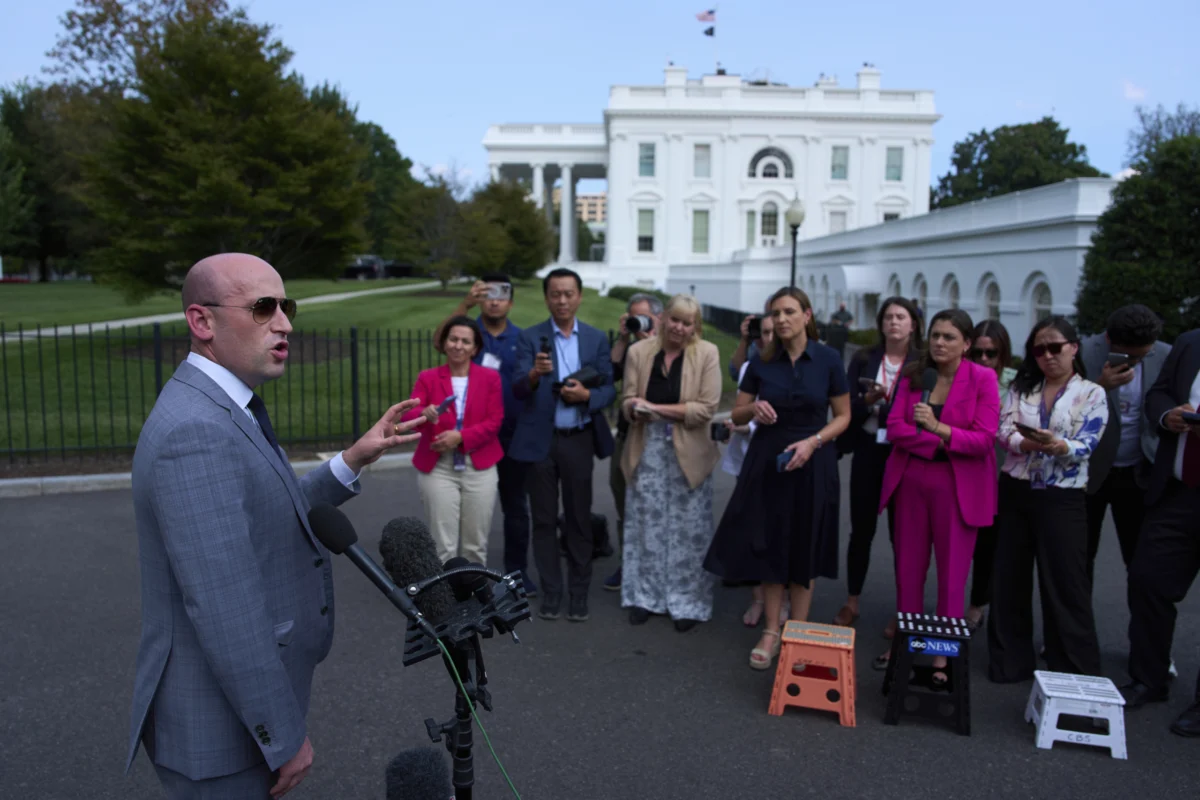
The appointment of Stephen Miller as White House chief of service threatens to accelerate these repressive tactics. Known as a hard-line loyalist and the architect of restrictive immigration policies, Miller represents an administration intent on using the levers of executive power to curb investigative reporting. As legal battles mount over the protection of confidential sources and the application of espionage laws to everyday reporting, the future of national security journalism—and the public’s right to know—hangs in the balance.
Chronology: Key Escalations in the Battle Over State Secrets
The friction between the executive branch and national security journalists spans multiple years, evolving from verbal threats into aggressive legal confrontations.
- June 2019: President Trump openly threatens a Time magazine photographer with imprisonment, claiming that taking a picture of a letter from North Korean leader Kim Jong-un compromised national security.
- February 2017 – 2022: Early in his first term, Trump tells then-FBI Director James Comey that his administration’s war on whistleblowers could involve putting reporters in jail to force them to talk. He repeats these threats multiple times on the 2022 campaign trail.
- April 2026: During a press conference addressing leaked classified information regarding the downing of a U.S. fighter jet in Iran, Trump issues a stark warning to media executives: “We’re going to go to the media company, and we’re going to say, ‘National security—give it up or go to jail.’”
- Spring and Summer 2026: The Department of Justice launches a wave of subpoenas targeting journalists from The Washington Post, The Wall Street Journal, and The New York Times over reporting on Iran, North Korea, and security vulnerabilities surrounding the presidential aircraft, Air Force One.
- November 2026: The U.S. Court of Appeals for the Fourth Circuit rejects a DOJ attempt to vacuum up private LinkedIn data regarding Times reporters tied to a story on a failed Navy SEAL mission. Meanwhile, Stephen Miller is elevated to White House chief of staff, signaling a hard-line approach to executive governance.
Supporting Data: Arrests, Subpoenas, and Judicial Pushback
The mechanics of the administration’s pressure campaign rely on a combination of immigration enforcement, grand jury compulsion, and digital surveillance.
The Targeting of Foreign-Born and Domestic Journalists
While high-profile American reporters have faced legal threats, foreign-born journalists operating within the United States have faced direct detention and deportation actions:
- Mario Guevara: Spent over a hundred days in Immigration and Customs Enforcement (ICE) detention before being deported to El Salvador.
- Don Lemon and Georgia Fort: Taken into custody by federal agents in January following their coverage of a church protest in Minneapolis.
- Estefany Rodríguez, Wilmer Solano, and Luis Galeano: Targeted and detained in various cities across the country, highlighting an expansive immigration dragnet that media freedom advocates argue is used to intimidate critical voices.
- Carlitos Ricardo Parias ("Richard LA"): Remains behind bars following immigration-related enforcement actions.
The Judicial Battles Over Subpoenas
The Department of Justice’s attempts to pierce reporter-source confidentiality have met stiff resistance in the federal courts. Although the DOJ withdrew several subpoenas directed at major news organizations earlier this year, its pursuit of freelance national security reporter Matthew Cole remains active.
In November 2026, the Fourth Circuit Court of Appeals delivered a stinging rebuke to federal prosecutors seeking extensive digital records from LinkedIn regarding Times reporters. Writing for the court, Reagan-appointed Judge Harvie Wilkinson underscored the foundational role of a free press in a democratic society, noting that sweeping government demands for journalists’ records are “inimical to democratic health.”
Official Responses: The Government Justifies Its Actions While the Press Fights Back
The executive branch maintains that its actions are necessary to safeguard national security and plug unauthorized disclosures of state secrets that put American lives at risk. Defending the administration’s posture, officials have consistently emphasized the vast constitutional powers of the presidency in matters of foreign policy and defense.
When questioned about recent investigative books and reports—such as Matthew Cole’s work detailing high-level diplomatic and financial maneuvers in the Middle East—administration officials have dismissed the coverage as "fake news" and entirely incorrect. The elevation of Stephen Miller has been framed by the White House as a vital step in maintaining administrative discipline, securing the border, and driving down crime. A recent White House statement praised Miller as “a driving force behind the administration’s major successes.”
Conversely, media organizations and legal defenders view these moves as a direct assault on the First Amendment. Charlie Stadtlander, a spokesperson for The New York Times, condemned the administration’s aggressive tactics, stating that ongoing attempts to access reporter communications “continue its pattern of targeting a free press—actions that both violate constitutional protections and undermine the public’s right to know about their government.”
Legal defense teams, including counsel for Matthew Cole, maintain absolute confidence that federal district courts will continue to uphold constitutional protections and reject attempts to punish journalists for performing essential oversight.
Implications: The Long-Term Impact on National Security Reporting
The ongoing clash between the White House and the media carries profound implications for the future of investigative journalism in the United States.
The Chilling Effect and Self-Censorship
Even when federal subpoenas are ultimately withdrawn or blocked by the judiciary, the financial and psychological costs of defending against them are immense. Legal battles require substantial resources, drain newsroom budgets, and impose a profound chilling effect on reporters and potential sources alike. Whistleblowers, knowing the full weight of the federal apparatus—and potentially prosecutors utilizing the Espionage Act, as foreshadowed by legal scholars following past high-profile leak prosecutions—are increasingly hesitant to come forward.
A Bipartisan Threat to Transparency
Media watchdogs note that the weaponization of national security laws against journalists is not exclusive to the Trump administration; previous administrations, including that of Barack Obama, aggressively pursued leakers and scrutinized journalists’ phone records. However, the explicit rhetoric coming from the current White House—ranging from suggestions that leakers should face extreme penalties to threats of incarcerating journalists—represents a qualitative escalation in hostility toward the Fourth Estate.
As legal scholars and First Amendment advocates point out, the boundary between legitimate national security reporting and criminal conspiracy is increasingly being tested in courtrooms. With Stephen Miller positioned as a powerful, loyal enforcer within the West Wing, the administration’s apparatus is fully primed to continue its campaign. For the press, the mandate remains clear: to watch these antidemocratic actions closely, defend the constitutional right to report without fear of reprisal, and ensure that the public retains its right to an independent and informed accounting of government actions.