Main Facts: The Intersection of Prehistoric Cartoons and Sci-Fi Misfortune
Television history is filled with bizarre anecdotes, serendipitous scheduling shifts, and chaotic behind-the-scenes mishaps. Few, however, match the strange chain of events that linked a forgotten 1980s NBC science fiction series to the triumphant primetime return of Hanna-Barbera’s most iconic prehistoric family, The Flintstones.
In the autumn of 1982, NBC found itself scrambling to fill a sudden, unexpected programming void. The network’s highly anticipated sci-fi drama, The Powers of Matthew Star, suffered a catastrophic production delay after its lead actor sustained severe, career-threatening injuries during the filming of its pilot episode. With the show’s premiere forced off the schedule for an entire television season, executives needed a reliable, high-profile placeholder to occupy a coveted Sunday evening slot.
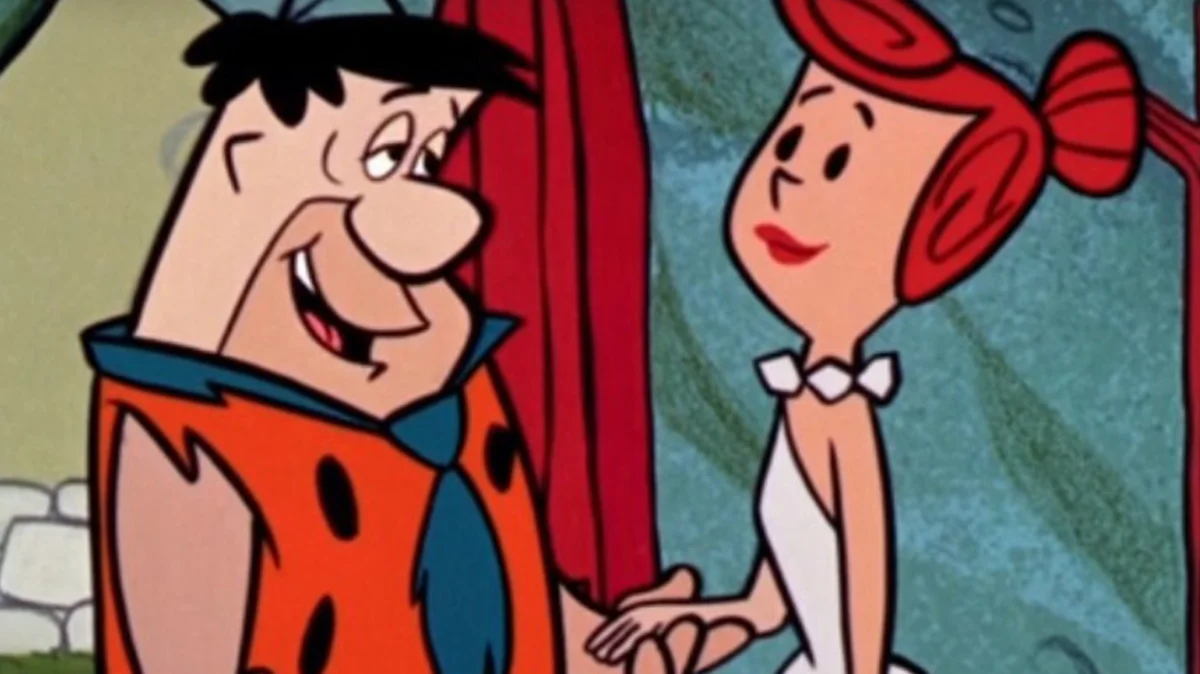
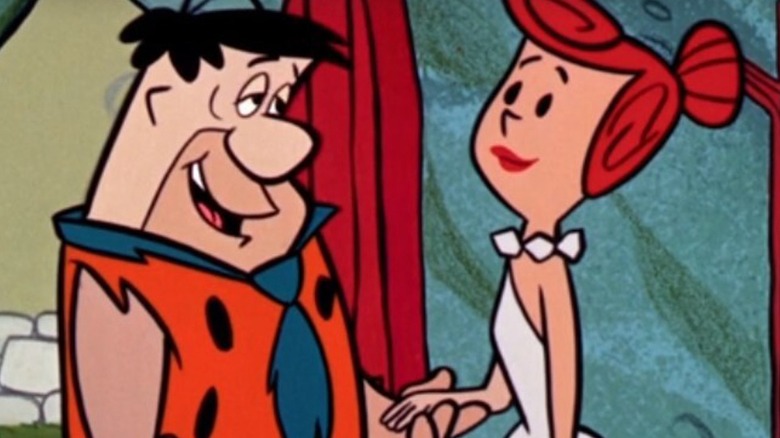
Their solution? They turned back the clock by several decades, unearthing The Flintstones—a series that had famously broken ground as the first animated show to air in primetime on ABC between 1960 and 1966. For a brief, bizarre window, Fred, Wilma, Barney, and Betty stepped out of syndication and back into the primetime spotlight, all because a teenager with extraterrestrial powers literally fell into a fiery trap on a California soundstage.
Chronology of Events: From Set Disaster to Primetime Scheduling
To understand how Bedrock’s premier residents ended up filling a primetime hole reserved for an alien prince, one must trace the timeline back to the turbulent pre-production phase of The Powers of Matthew Star.
November 1981: The Set Accident
Production on The Powers of Matthew Star was well underway when disaster struck. The series starred young heartthrob Peter Barton as Matthew, an undercover alien prince posing as a normal American high school student, alongside the legendary, late Louis Gossett Jr. as his guardian and mentor.
According to reports filed by the Associated Press in November 1981, a routine shooting day turned perilous. During the filming of an action sequence, Peter Barton accidentally fell onto magnesium flares that were being actively utilized for on-set lighting and atmospheric effects. The chemical flares caused immediate, catastrophic damage. Barton suffered severe second- and third-degree burns across his lower back, buttocks, and right arm. Louis Gossett Jr., who was physically bound to a chair as part of the scene’s blocking, was also caught in the hazard and sustained burns, though thankfully of a less severe nature.
The Immediate Aftermath and Production Shutdown
The physical toll on the lead actor brought immediate production to a halt. Barton was rushed to medical facilities for extensive treatment and skin grafting procedures, a grueling ordeal that would leave permanent physical reminders.
With its star hospitalized and production indefinitely paralyzed, NBC had no choice but to postpone the series premiere. What was originally slated to debut in the spring of 1982 was pushed back entirely, leaving a glaring, multi-million-dollar hole in the network’s upcoming autumn programming lineup.
Late 1982: The Flintstones Step In
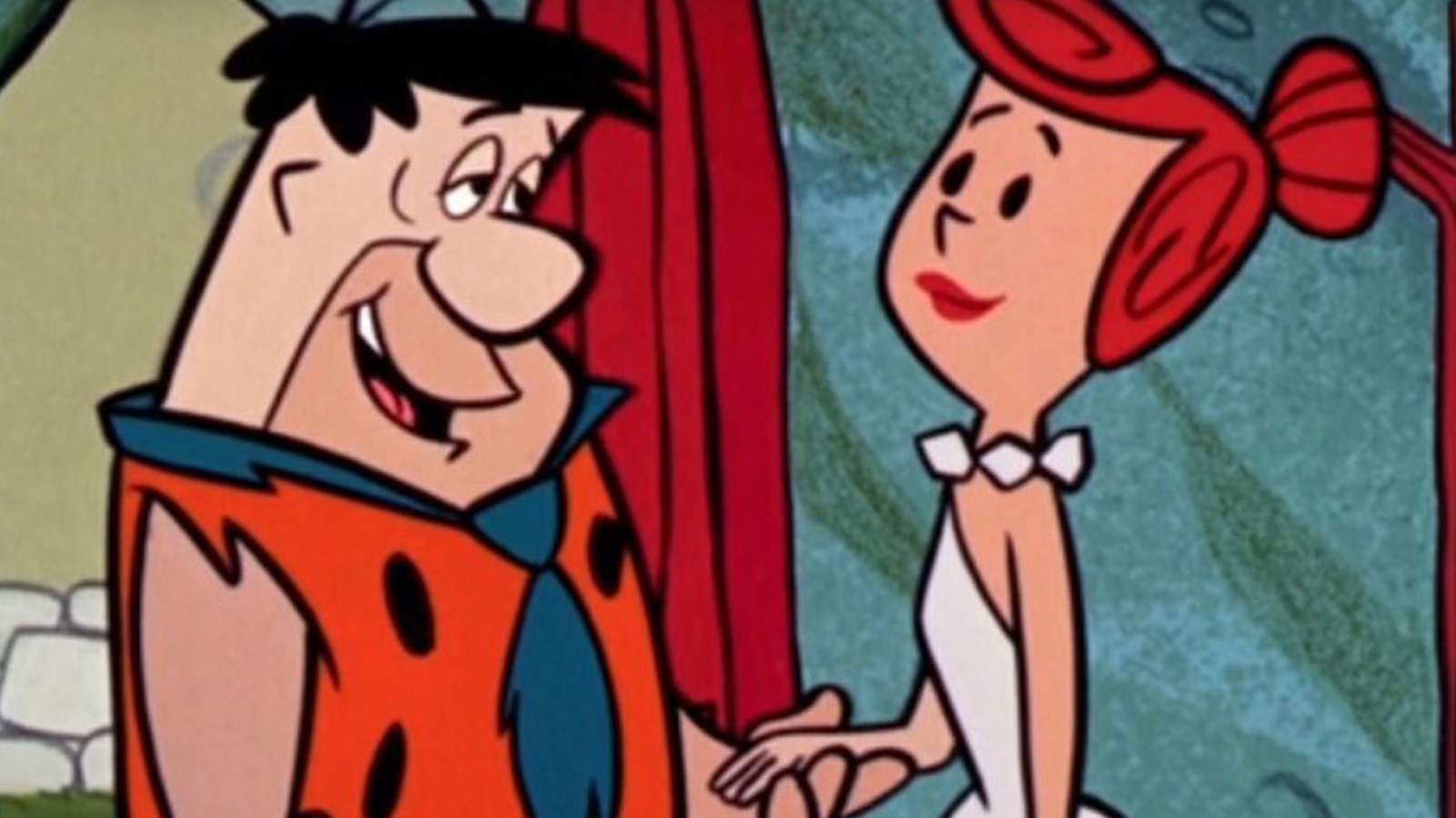
Desperate to patch the schedule with recognizable intellectual property that could capture family audiences on Sunday nights, network programmers looked backward. They secured the rights to broadcast The Flintstones, slotting the classic Hanna-Barbera cartoon into a Sunday 7:00 PM time slot.
By the time The Powers of Matthew Star finally premiered on November 12, 1982—after Barton had recovered sufficiently to resume work—The Flintstones had already completed its unexpected, nostalgic victory lap back into the primetime landscape.
Supporting Data: Behind the Ratings, Reviews, and Creeping Connections
The collision between The Powers of Matthew Star and The Flintstones goes deeper than a simple scheduling quirk. A closer examination of both properties reveals a bizarre web of critical consensus, lasting impacts, and unexpected creative overlaps.
The Fate of The Powers of Matthew Star
Despite high hopes from NBC executives who envisioned a blockbuster sci-fi hit that could rival competing network juggernauts, The Powers of Matthew Star failed to capture the public imagination.
- Run Length: The series managed just a single 22-episode season before NBC mercifully pulled the plug.
- Critical Standing: History was not kind to the program. In 2002, TV Guide looked back at the landscape of television history and ranked The Powers of Matthew Star as the 22nd worst television show of all time.
- The Star’s Perspective: Reflecting on the accident years later in an interview with The Philadelphia Inquirer, Peter Barton maintained a dark sense of humor about his ordeal. "I’m lucky they’re on my butt, not my face," he noted regarding his permanent scarring.
The Strange Creative Convergence: Steven E. de Souza
Perhaps the most fascinating footnote in this bizarre broadcasting history is the career trajectory of Steven E. de Souza, the co-creator of The Powers of Matthew Star.
While his early television foray into alien high-school drama crashed and burned, de Souza quickly pivoted to become one of the premier action screenwriters of the 1980s and 1990s. He penned cinematic masterpieces and blockbusters such as:
- Die Hard (1988)
- Commando (1985)
- The Running Man (1987)
Strangely enough, de Souza’s ties to the prehistoric cartoon family did not end with the 1982 scheduling overlap. More than a decade after The Flintstones bailed out his failed sci-fi series, de Souza found himself back in the Bedrock universe. In 1994, he served as one of three credited screenwriters for Universal Pictures’ live-action feature film adaptation of The Flintstones, which starred John Goodman as Fred and Rick Moranis as Barney.
In a poetic twist of fate, the live-action film shared a critical reception remarkably similar to The Powers of Matthew Star: it was largely panned by critics, proving that translating either prehistoric cartoons or high-concept sci-fi to the screen is fraught with peril.
Official Responses and Industry Reflections
At the time of the 1981 accident, television production safety standards were vastly different from the rigorous protocols enforced on modern sets today. The use of volatile chemical agents like magnesium flares for practical lighting without adequate safety buffers highlighted the wild-west nature of 1980s television production.
Network executives, speaking anonymously to trade publications in the wake of the incident, expressed immense relief that neither Barton nor Gossett suffered fatal injuries. However, the corporate anxiety was palpable. In an era before streaming services and vast cable libraries, a missing primetime slot represented an immediate, catastrophic loss of advertising revenue.
Hanna-Barbera Productions, meanwhile, viewed the unexpected primetime revival of The Flintstones as a welcome validation of the enduring strength of their catalog. William Hanna and Joseph Barbera had long championed the notion that their animated families possessed timeless appeal, and the emergency NBC slot proved that viewers were more than happy to revisit the town of Bedrock when contemporary live-action options fell through.
Implications: The Legacy of a Primetime Fluke
The accidental resurrection of The Flintstones in 1982 holds a unique place in television lore, offering several broader implications for how the entertainment industry operates:
- The Resilience of Classic IP: The incident proved that foundational television intellectual property possesses an elastic, timeless quality. When modern experiments fail or face logistical nightmares, networks can safely rely on nostalgic cornerstones to stabilize ratings.
- The Evolution of Set Safety: The severe burns sustained by Peter Barton and Louis Gossett Jr. serve as a grim reminder of the physical risks historically absorbed by actors before modern stunt and special effects safety protocols became legally mandated and strictly monitored.
- The Interconnected Nature of Hollywood: The bizarre thread connecting a forgotten sci-fi misfire to a blockbuster action screenwriter and, ultimately, a live-action summer tentpole film demonstrates how small industry circles consistently cross-pollinate over decades.
Ultimately, The Powers of Matthew Star may have vanished into the footnotes of television history, remembered chiefly for its pyrotechnic disaster and critical panning. Yet, because a young actor fell onto a magnesium flare on a California soundstage more than forty years ago, millions of viewers were granted an unexpected, nostalgic trip back to the Stone Age—proving that sometimes, television history is written by sheer, unadulterated accident.