
September 22, 2026
Sponsored Insights by DMEXCO
Brand marketing is undergoing a seismic, structural transformation. Driven by the rapid proliferation of conversational chatbots, large language model (LLM)-based interfaces, and AI-powered answer engines, the traditional pathways of consumer discovery are being rewritten. For decades, the digital playbook was anchored in predictable metrics: keyword rankings, organic click-through rates (CTR), and direct website traffic. Today, as consumers increasingly bypass traditional search engine results pages (SERPs) in favor of synthesized, conversational answers, those legacy markers of digital visibility are no longer sufficient on their own to guarantee a brand’s growth and survival.
As search behavior shifts toward zero-click ecosystems, modern brands are compelled to communicate with absolute clarity, credibility, and consistency across an increasingly fractured array of channels. While paid reach remains an essential component of the marketing mix, organic visibility, editorial authority, and trusted third-party endorsements are experiencing a powerful renaissance. In an AI-driven discovery landscape, brands can no longer rely solely on technical SEO; they must holistically cultivate trust, reputation, and digital word-of-mouth.
Main Facts: The AI Disruption in Digital Discovery
The transition from keyword-driven search to conversational AI has fundamentally altered how brands capture consumer attention.
- The Rise of Zero-Click Search: AI answer engines increasingly provide direct solutions to user queries within the interface, drastically reducing the volume of outbound clicks heading to publisher websites and brand landing pages.
- The "Earned-Paid Gap": Marketers can no longer simply "buy" their way into AI visibility through paid ads alone. AI systems heavily index trusted editorial content, PR mentions, and third-party affiliate articles, forcing a strategic realignment toward earned media.
- The Imperative of "Scaling Intelligence": As the theme of DMEXCO 2026 highlights, businesses must move past experimental AI pilots and focus on sustainable implementation—backed by reliable data, structured content, and stringent human oversight.
- The Value of the Human Touch: Paradoxically, as automated, AI-generated content floods the internet, distinctly human elements—creativity, authentic live interactions, and strategic judgment—are gaining unprecedented value.
Chronology of a Shift: From Keyword Rankings to Conversational Engines
To understand where brand marketing stands in late 2026, it is necessary to examine how the digital ecosystem has evolved over recent years:
- The Era of Traditional SEO (Pre-2023): Brand visibility was largely a game of technical optimization. Marketers targeted high-volume keywords, built backlinks, and optimized site architecture to secure top-ten rankings on traditional search engines, driving predictable streams of inbound web traffic.
- The Generative AI Disruption (2023–2024): The mainstream debut of LLMs and conversational search tools began changing user habits. Consumers shifted from typing fragmented search queries to asking complex, multi-layered questions, leading to the birth of zero-click search results where AI synthesizes answers on the spot.
- The Strategic Realignment (2025): As publisher and brand web traffic plateaued or declined due to zero-click answers, marketers recognized that traditional metrics were failing. Brands began shifting budgets toward public relations, thought leadership, and machine-readable content designed to be digested and cited by AI engines.
- The Maturity and Governance Phase (2026): Today, the industry has moved past the initial phase of wild experimentation. Companies are grappling with the economic pressures placed on the open web, figuring out how to balance automated scale with editorial integrity, and establishing strict human governance over AI-driven workflows.
Supporting Data and Industry Dynamics: The Economic Pressures on the Open Web
The migration toward AI-driven discovery has triggered ripple effects across the entire digital economy, exposing deep structural tensions between proprietary AI models and the open web.
The Traffic Dilemma
Marketers across sectors report a noticeable contraction in traditional web traffic metrics. Because AI answer engines summarize information directly for the user, fewer visitors are clicking through to brand sites. This phenomenon has forced brands to rethink the ultimate goal of their digital presence: if users aren’t visiting the homepage, how is brand value communicated?
In response, forward-thinking brands are prioritizing decentralized visibility. They are optimizing their digital footprint so that their core narratives, product specifications, and customer testimonials are easily digestible by web-crawling bots. This includes investing heavily in structured data, robust blogs, comprehensive brand content, and landing pages that external authorities—such as industry publications and review sites—are likely to reference.
The Earned Media Rebalancing
The interdependent relationship between paid media and earned media has grown increasingly complex. Historically, brands could rely on digital ad spend to secure eyeballs. However, because AI algorithms draw heavily on credible, third-party editorial environments, earned media has become a primary vehicle for influencing AI recommendations.
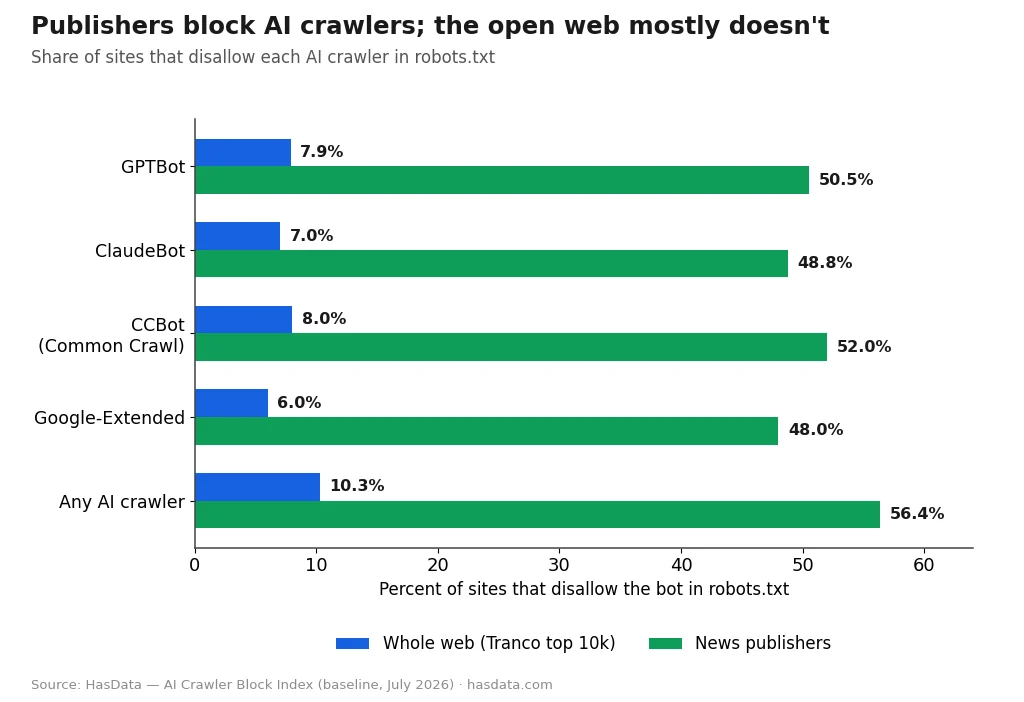
Yet, this creates an economic paradox: as AI systems draw traffic away from publishers, the financial viability of those very publishers is threatened. If trusted journalistic and editorial outlets cannot sustain their business models, the high-quality training data that AI models rely upon will dry up. Maintaining a sustainable economic foundation for the open internet remains one of the most critical challenges facing the marketing industry today.
Official Responses and Expert Perspectives
Industry leaders are increasingly vocal about the need for a balanced, reputation-first approach to AI marketing.
Verena Gründel, host and director of brand and communications at DMEXCO, emphasizes that while technology dictates how information is surfaced, human perception dictates whether a brand is chosen.
"Chatbots may shape what people discover, but word of mouth still shapes a brand’s reputation," Gründel notes. "The more trusted and consistently recommended a brand is across real conversations and public sources, the more likely it is to remain part of the consideration set."
Addressing the tension between paid visibility and organic credibility, Gründel points to what she defines as the "earned-paid gap."
"The earned-paid gap shows that marketers cannot simply buy their way into AI visibility," she explains. "They need to earn trust through credible coverage, relevant content, and a consistent brand narrative, because these are the signals that increasingly shape what AI systems recommend."
Looking toward the overarching theme of DMEXCO 2026—"Scaling Intelligence"—Gründel stresses that organizational readiness goes far beyond simply deploying the latest software tools.
"Becoming AI-ready is about more than adopting new tools," Gründel says. "It requires reliable data, well-structured content, clear processes, and the right skills to turn AI into real business value while keeping the brand recognizable, credible, and human."
Implications: What This Means for Marketers and the Future of Brands
As the digital landscape settles into this new paradigm, marketing professionals must adapt their strategies across several critical fronts.
1. Transitioning AI from Pilot to Sustainable Value
The era of trying AI tools "just to see what happens" is over. Organizations must now integrate artificial intelligence deeply into their operational workflows, ensuring clear data governance, defined internal responsibilities, and measurable business outcomes. Scaling AI successfully requires cross-departmental alignment and structural integration, rather than isolated experiments.
2. Doubling Down on Human Creativity and Connection
Ironically, as the volume of automated, machine-generated content surges, human-centric forms of communication are appreciating in value. Real-world interactions, spontaneous live events, candid peer-to-peer feedback, and nuanced creative storytelling generate insights that cannot be indexed by a search crawler. Brands must leverage AI to handle repetitive tasks and scale efficiency, thereby freeing human workers to focus on high-level strategy, empathy, and brand identity.
3. Cultivating a Holistic Reputation Strategy
To win in an AI-dominated ecosystem, marketers must realize that a brand’s reputation precedes its digital presence. Because algorithms synthesize sentiment from a broad web of public sources, social proof, PR coverage, and customer satisfaction carry more weight than ever.
As Gründel aptly summarizes:
"Technology should create space for better thinking, not replace it. Marketers can use AI to handle tasks and increase efficiency, while people remain responsible for the strategy, the story, and the decisions that give a brand meaning. The strongest results emerge when human and artificial intelligence work together."
Ultimately, the future belongs to brands that successfully harness machine intelligence to optimize their reach while fiercely protecting the human authenticity, trust, and creative judgment that define their true worth.