Main Facts
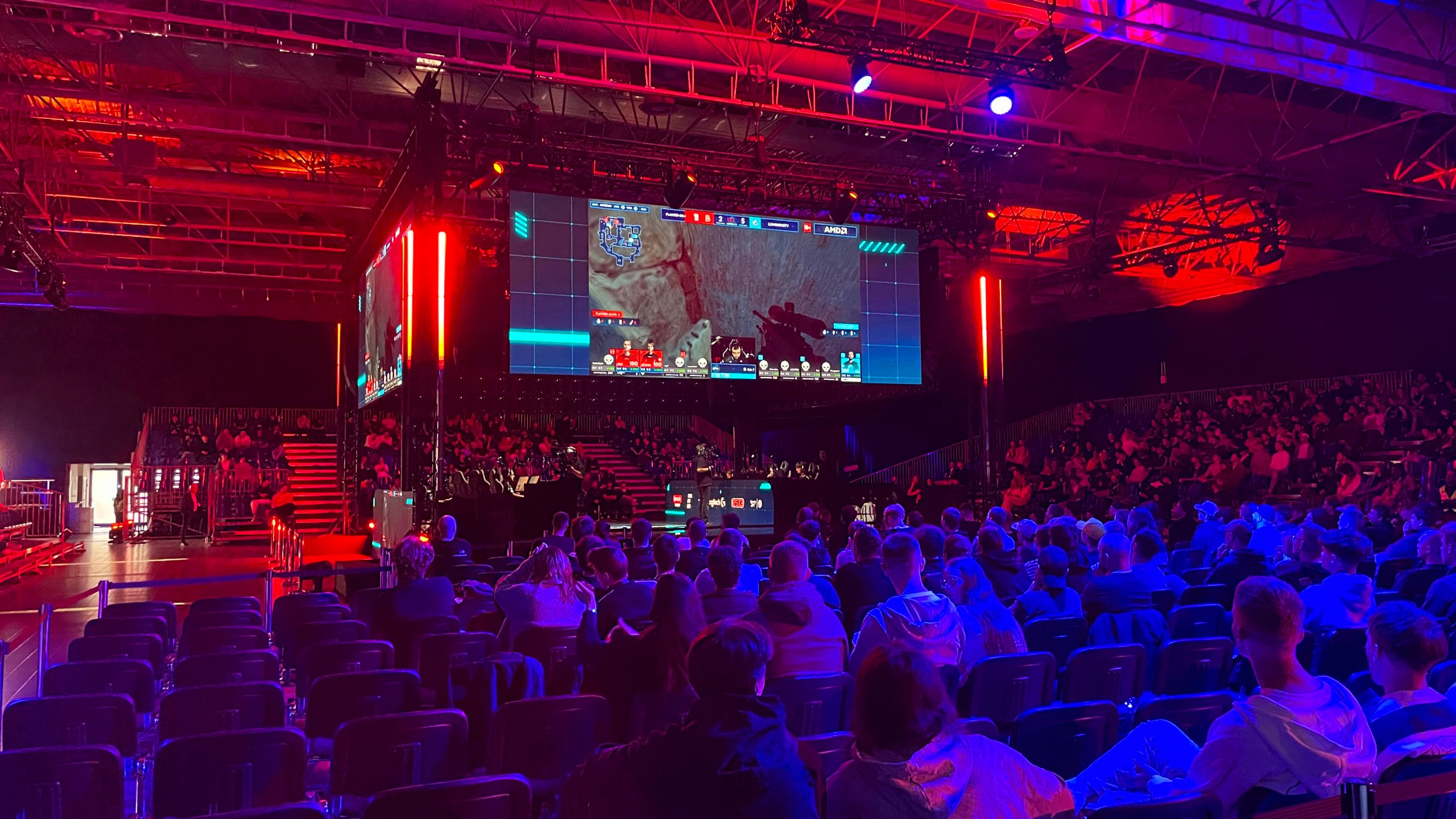
The debate surrounding ultra-high refresh rate gaming monitors has reached a new boiling point within the competitive first-person shooter (FPS) community. At the recent Logitech G Play event in Warsaw, Poland—which played host to an intense Counter-Strike 2 (CS2) tournament—hardware analysts and professional esports athletes converged to discuss the real-world utility of monitors boasting refresh rates north of 360 Hz.
Speaking with professional players Oscar Bell (known in the competitive scene as "Azuwu") and Simon Boije ("yxngstxr"), who both compete for the storied Luminosity esports organization, hardware critics have found validation for a prevailing theory: 360 Hz remains the practical sweet spot for competitive FPS gaming before diminishing returns severely blunt the value of higher numbers.
While monitor manufacturers push boundaries into 500 Hz and 600 Hz territory—exemplified by displays like the Zowie XL2586X+—pro players reveal a stark gap between marketing specifications and actual in-game utility. Because most top-tier competitive PCs running Counter-Strike 2 struggle to consistently maintain 600 frames per second (fps) even at reduced resolutions, the physical benefits of a 600 Hz panel often get lost in translation. Nevertheless, secondary hardware innovations like motion blur reduction and anti-ghosting technologies continue to give competitive players a vital edge, proving that raw refresh rates tell only half of the story.
Chronology
To understand how the hardware industry arrived at the 600 Hz threshold, it is necessary to look at the rapid evolution of competitive display technology over the past decade:
- The 60Hz to 144Hz Transition (Mid-2010s): For years, standard 60Hz office displays dominated PC gaming. The rise of Counter-Strike: Global Offensive (CS:GO) popularized 144Hz panels, which quickly became the baseline requirement for anyone taking competitive matchmaking seriously.
- The 240Hz Standard (Late 2010s to 2020): Esports tournaments and hardware manufacturers pushed the envelope further, introducing 240Hz monitors. Players noticed smoother tracking, and these panels became standard issue at major tier-one LAN events.
- The 360Hz Awakening (2021–2023): As CPU architectures improved—particularly with the introduction of AMD’s X3D chips featuring massive L3 cache sizes—frame rates inside titles like CS:GO and eventually Counter-Strike 2 skyrocketed. Manufacturers introduced 360Hz displays, which early testers and hardware experts identified as the point where human perception and hardware capabilities met in optimal harmony.
- The 500Hz+ Era and Logitech G Play 2026: In the current hardware landscape, ultra-fast panels hitting 500Hz and 600Hz have arrived on the market. At the Logitech G Play event in Warsaw, professionals put these cutting-edge screens to the test, offering a real-time reality check on whether triple-digit-hundred hertz rates genuinely translate to competitive supremacy.
Supporting Data and Hardware Realities
The physics of PC gaming involve a delicate feedback loop between the game engine, the graphics processing unit (GPU), the central processing unit (CPU), and the display panel itself. Achieving high refresh rates requires matching frame outputs; otherwise, hardware investments yield negligible performance gains.
The Rig Setup vs. In-Game Frame Rates
Modern high-end rigs—such as configurations outfitted with an AMD Ryzen 7 7800X3D processor and high-tier graphics hardware—can comfortably push high frame rates. However, Counter-Strike 2 is notoriously demanding on both CPU and memory subsystems during heavy smoke grenade executions, multi-player engagements, and complex map geometries.
Even when dropping native display resolutions down to competitive staples like 1280×960 or 1080p, maintaining a rock-solid 600 fps floor remains an elusive target for most systems. Frame rates typically hover around the 500 fps mark, with regular dips during chaotic server ticks.
The Math of Monitor Refresh Rates
- 60 Hz: 16.67 milliseconds per frame.
- 144 Hz: 6.94 milliseconds per frame.
- 240 Hz: 4.17 milliseconds per frame.
- 360 Hz: 2.78 milliseconds per frame.
- 600 Hz: 1.67 milliseconds per frame.
While moving from 60 Hz to 144 Hz saves nearly 10 milliseconds of input and visual feedback delay—a massive, life-saving margin in competitive shooters—the jump from 360 Hz to 600 Hz shrinks that interval by a mere 1.11 milliseconds. For the human eye and nervous system, crossing the threshold past 360 Hz enters a realm where empirical advantages become exceedingly difficult to quantify.
Official Responses and Pro Insights
During interviews at the Logitech G Play event, Luminosity players offered candid assessments of their transition through various tiers of display hardware.
Oscar "Azuwu" Bell reflected on his personal gear progression:
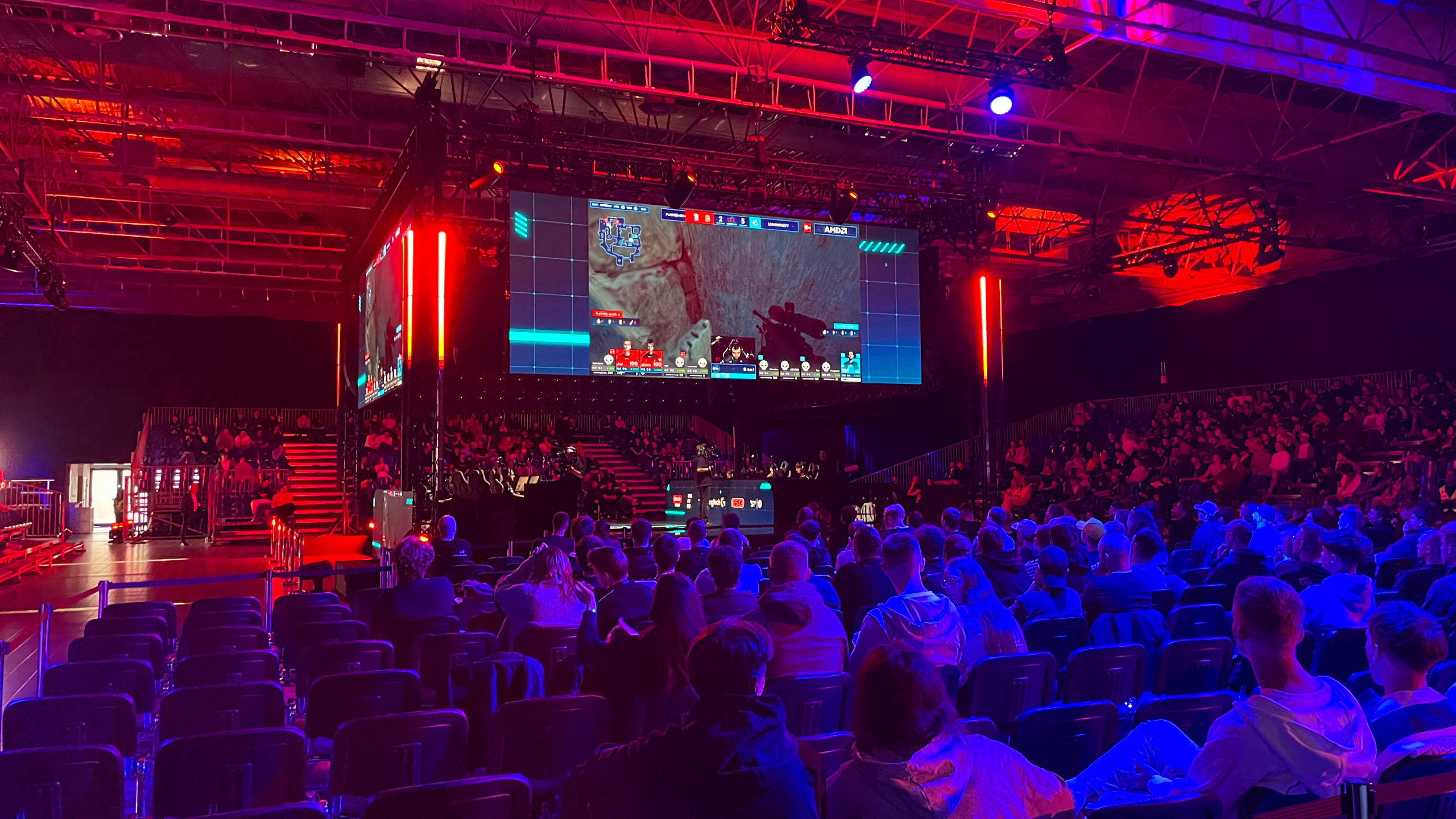
"When I had 240 at home, I didn’t even really notice 360. But now I’m on 360 I can’t go back down, you know, I feel it a lot. So I think 360, 400, and 600 are all pretty similar… I’d say 400 is a nice spot and 600 is extra nice. But anyway, in a lot of PCs, you won’t hit 600 frames."
Simon "yxngstxr" Boije offered an even more pragmatic perspective, questioning the necessity of extreme spec inflation:
"I think it’s kind of a placebo, personal thing, you know? Because on most PCs you rarely get 600 fps, right?… 600 Hz with like 300 fps, it doesn’t even matter."
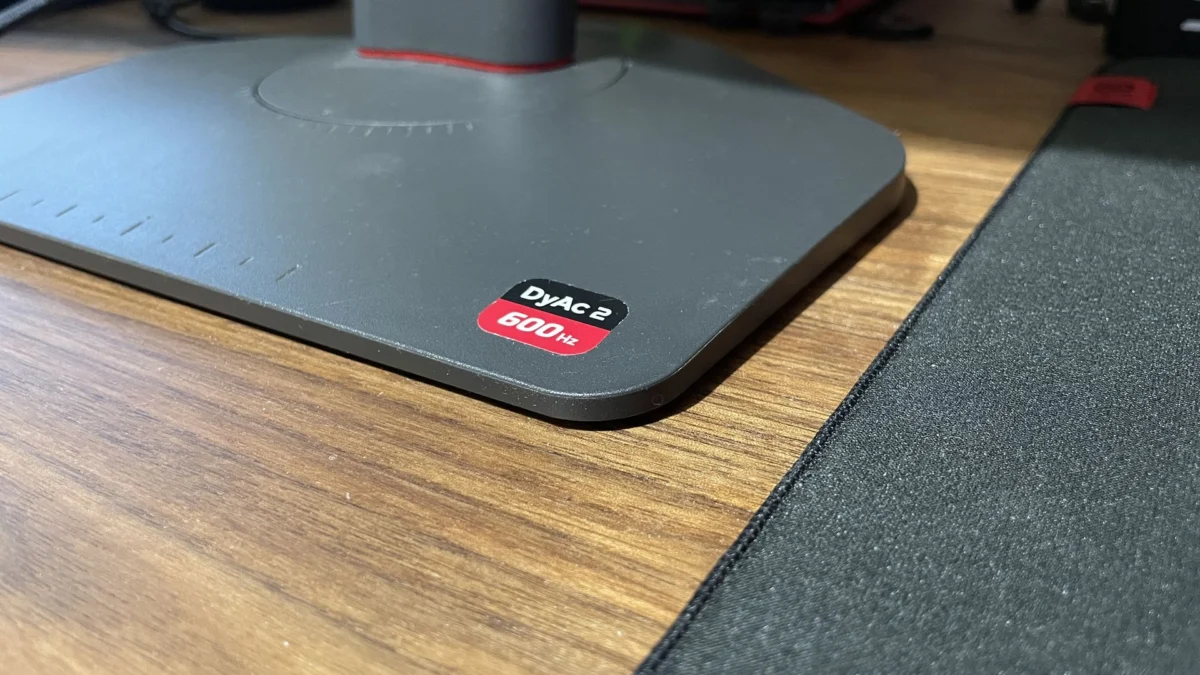
Despite skepticism surrounding extreme hertz numbers, both players emphasized that visual clarity goes beyond raw refresh rates. Modern competitive setups rely heavily on advanced motion clarity features. For instance, Zowie’s proprietary DyAc (Dynamic Accuracy) backlight strobing technology—widely adopted by professionals using Zowie monitors like the XL2586X+—fundamentally changes how moving targets appear on screen.
According to yxngstxr, anti-ghosting and backlight strobing techniques provide a tangible tactical benefit: "The edge of the players get more noticeable."
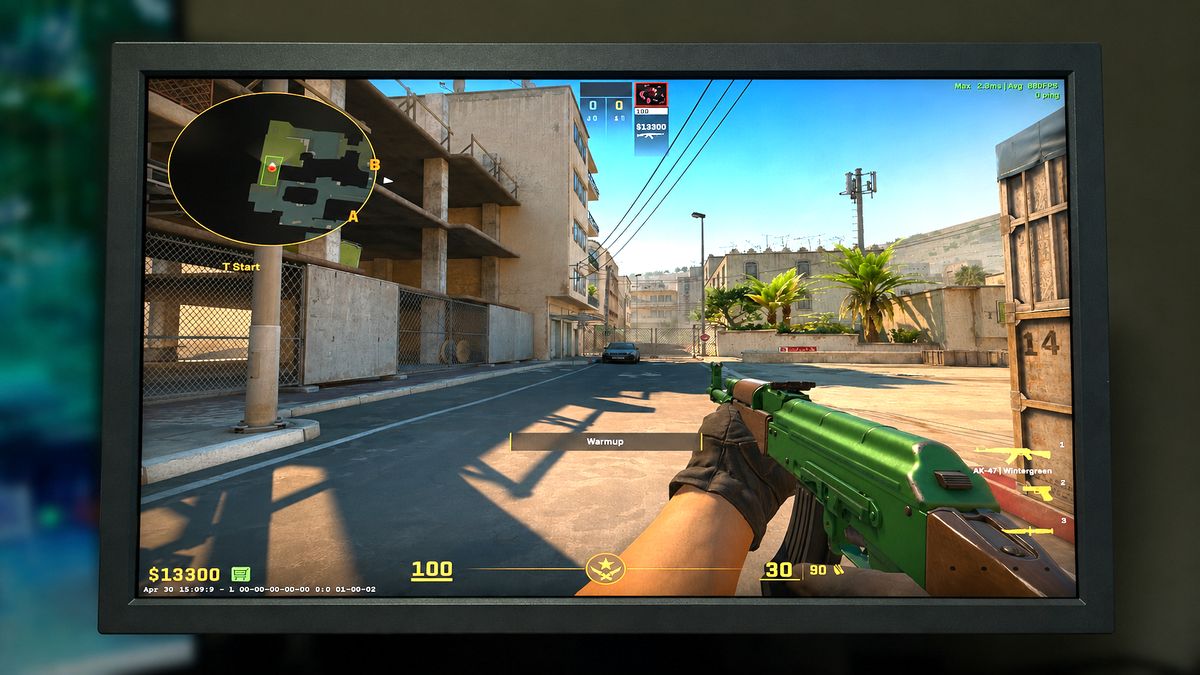
Even so, when asked about the day-to-day impact of having DyAc permanently enabled, Azuwu remained grounded: "I have it on, but it’s hard to tell."
Implications for Competitive Gamers and Future Hardware
The consensus emerging from professional esports testing carries significant implications for everyday consumers, hardware manufacturers, and competitive gamers planning their next major system upgrade.
1. Re-evaluating the Upgrade Path
For years, marketing campaigns have conditioned PC enthusiasts to chase the highest possible specifications, operating under the assumption that bigger numbers automatically translate to better performance. The real-world feedback from top-tier Counter-Strike 2 professionals suggests that consumers can safely cap their hardware ambitions. Investing heavily in a 360 Hz monitor yields noticeable quality-of-life improvements over 240 Hz panels, but stretching budgets to acquire bleeding-edge 600 Hz displays—while pairing them with hardware that cannot consistently drive 600 fps—offers poor return on investment.
2. The Shift Toward Motion Clarity Over Raw Hertz
As pure refresh rate scaling encounters diminishing returns, the competitive hardware race is shifting toward motion blur reduction, panel response times, and pixel clarity. Technologies like backlight strobing, OLED response time improvements, and advanced anti-ghosting suites will likely define the next generation of esports displays. Manufacturers must focus on delivering clean, smear-free motion at achievable frame rates rather than chasing astronomical refresh numbers that outpace current CPU capabilities.
3. The Enduring Legacy of the 360 Hz Sweet Spot
Ultimately, the hardware community’s working thesis holds firm. For competitive first-person shooters, 360 Hz represents a harmonious convergence of human biological limits, processing power, and display technology. While hardware engineers will inevitably continue pushing past technological frontiers, competitive players can rest easy knowing that the current generation of upper-mid-tier high-refresh monitors provides all the visual fidelity required to climb the global leaderboards.