As the gaming industry braces for what is undoubtedly the most monumental cultural and commercial shockwave of the decade, publishers large and small are scrambling for cover. With Grand Theft Auto VI looming large on the horizon—demanding an unprecedented share of media oxygen, consumer wallets, and public consciousness—conventional industry wisdom dictates a strict "clear the tracks" policy. For weeks, autumn release calendars have been unceremoniously cleared out, leaving a massive vacuum in the wake of Rockstar’s juggernaut.
Yet, not every studio has chosen to retreat. While a vast majority of developers elected to vacate the GTA 6 blast radius entirely, a courageous subset of indie developers, mid-tier publishers, and strategy stalwarts are pressing forward. For PC players waiting out the inevitable delayed port or refusing to drop small fortunes on next-generation console hardware, Steam is quietly serving up a diverse slate of alternative entertainment.
Here is an in-depth look at the brave new games launching on Steam during the historic week of GTA 6, offering everything from medieval commerce and cozy spirit-world construction to pure, uncut digital gridlock.
1. Crusader Kings 3: Silk and Silver
- Developer/Publisher: Paradox Interactive
- Release Date: November 17, 2026
- Genre: Grand Strategy / Mercantilism Simulation
Main Facts
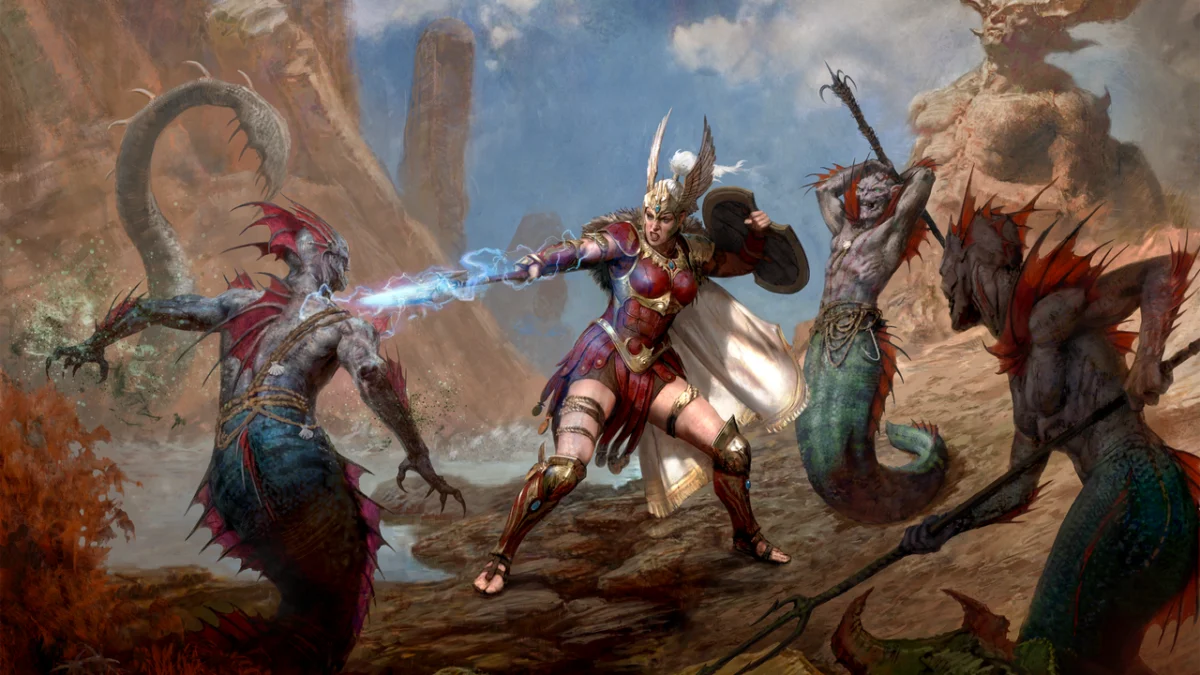
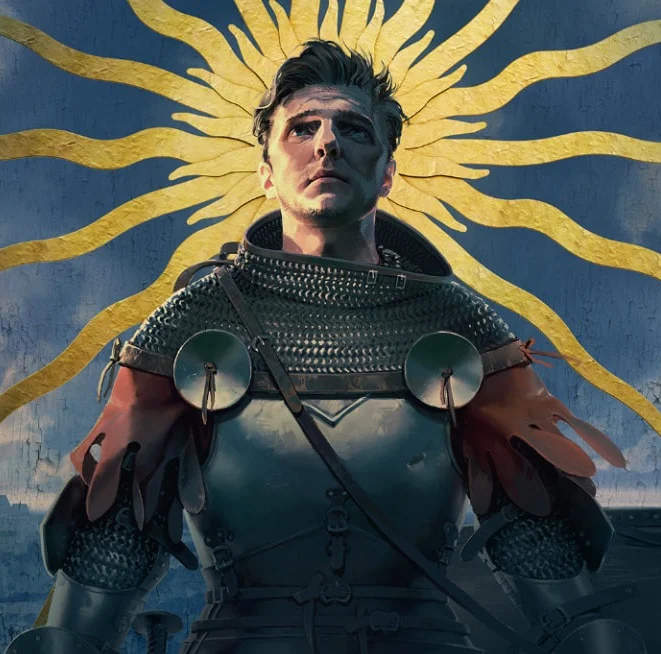
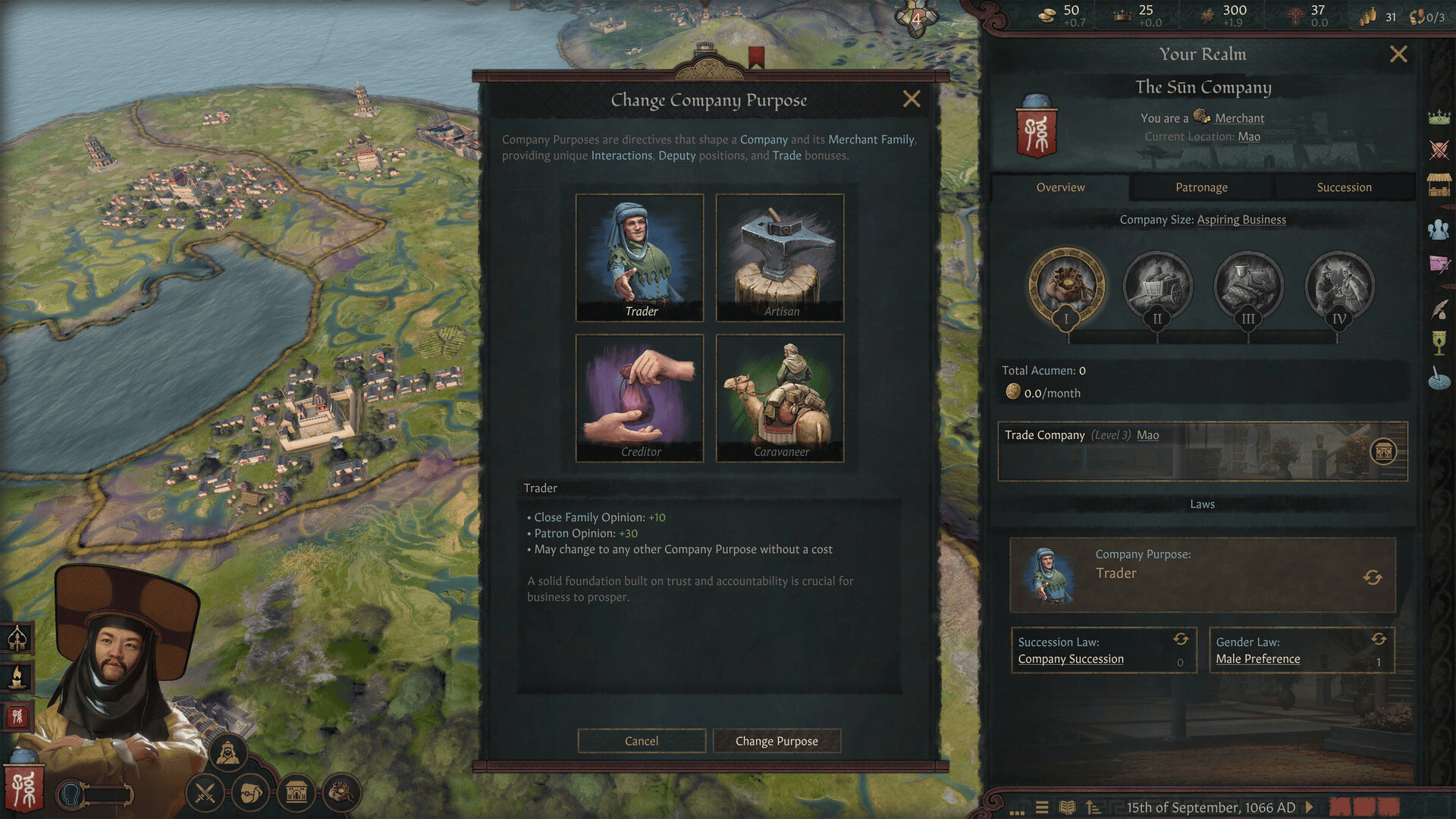
For those who prefer their historical conquests measured in trade monopolies and diplomatic leverage rather than stolen sports cars and neon-lit shootouts, Paradox Interactive is offering a compelling sanctuary. Crusader Kings 3: Silk and Silver represents the next major expansion for one of the most revered grand strategy titles on the PC platform—currently holding a coveted spot as number eight on PC Gamer’s Top 100 list. While the rest of the entertainment world eyes Vice City, Silk and Silver invites players to engage in the grandest theft of all: commerce.
Chronology and Development
Paradox has spent the better part of the last half-decade systematically expanding the sociological, political, and economic depth of Crusader Kings 3. Following a series of regional expansions, the development team turned its collective focus toward late-medieval economic systems. Silk and Silver was formally announced earlier this year, building on community feedback that called for more dynamic, non-violent avenues of power projection. The expansion enters the market on November 17, directly testing whether strategy enthusiasts will choose ledgers over liberty.
Supporting Data and Mechanics
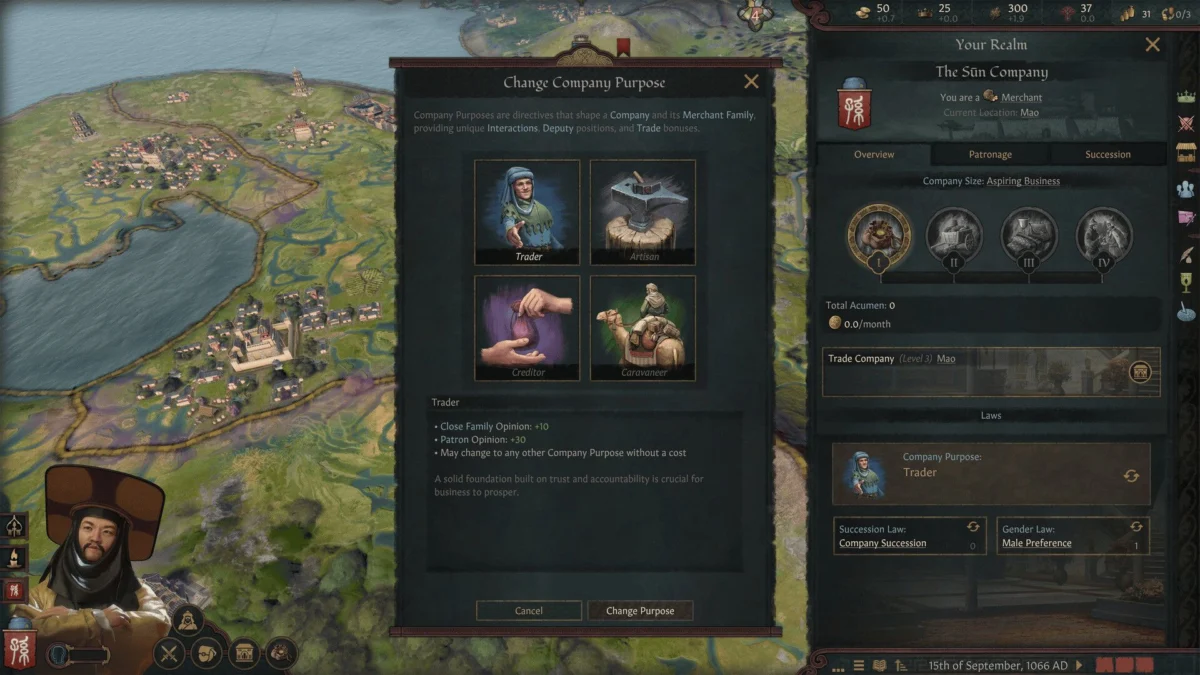
The core hook of Silk and Silver is mercantilism. Merchant families can now aggressively jockey for lucrative trade route monopolies, leveraging accumulated fortunes to buy political influence. Furthermore, the expansion introduces robust new Republic governments, giving patrician dynasties a dedicated venue to vie for dominance within constitutional assemblies. Players can leverage these positions to forge intricate commercial or military pacts with rival Republics. Notably, the expansion features a heavy concentration of rich Italian historical content—a crowd-pleasing addition for fans of the Mediterranean theater.
Official Responses and Strategy
Paradox management has expressed quiet confidence regarding the expansion’s unusual release window. Rather than viewing the GTA 6 phenomenon as a death sentence, the studio is banking on the well-documented demographic divide in the gaming ecosystem. Strategy gamers, they reason, operate on entirely different behavioral loops, preferring long-form intellectual investment over blockbuster action set-pieces.
Implications
If Silk and Silver performs well, it will further cement Paradox’s strategy of insulating its core franchises from external industry shocks. By targeting a hyper-dedicated audience of spreadsheet-loving monarchs, Crusader Kings 3 proves that grand strategy remains largely impervious to the broader tides of the mainstream console market.
2. Spirit Crossing
- Developer/Publisher: Spry Fox
- Release Date: November 16, 2026
- Genre: Cozy MMO / Building / Crafting
Main Facts
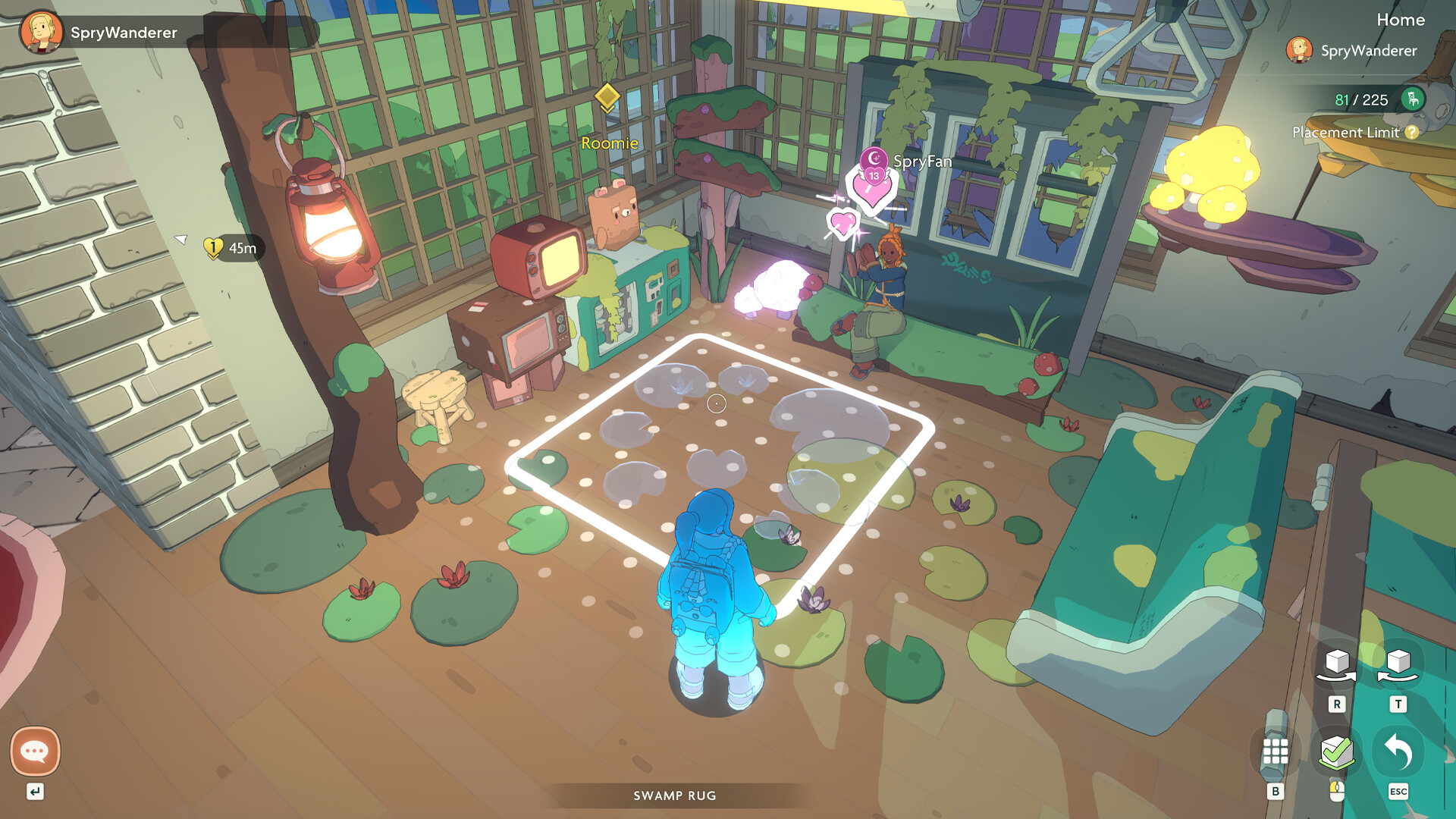
For players looking to entirely detox from the chaotic energy of urban crime simulators, Spry Fox’s Spirit Crossing offers an idyllic, pastel-hued escape. Described as a building, crafting, and decorating MMO, the game takes place in an ethereal world seemingly populated entirely by art students and friendly, otherworldly spirits.
Chronology and Development
Spry Fox, known for crafting emotionally resonant and accessible titles, has spent years refining the multiplayer architecture of Spirit Crossing. The development team drew heavy inspiration from indie masterpieces like Sky: Children of the Light, aiming to solve the toxicity and overcrowding often endemic to traditional massively multiplayer online environments.
Supporting Data and Mechanics
The standout feature of Spirit Crossing is its revolutionary approach to player co-presence. Borrowing a page from atmospheric exploration games, it functions as an MMO only to the extent that the player desires. Other players do not crowd your screen or disrupt your workflow by default; they are only fully rendered and visible in your world if you mutually choose to interact with them. Otherwise, wanderers are free to roam the pastel soulscapes, gather resources, and build out customized homesteads in total solitude.
Official Responses and Industry Position
Spry Fox positioned Spirit Crossing as a direct antidote to high-stress, high-stakes AAA blockbusters. In promotional materials, the studio emphasized that players seeking a low-pressure, therapeutic gaming experience next week would find a welcoming, quiet harbor on Steam.
Implications
Spirit Crossing tests the viability of the "opt-in MMO" model on PC. By stripping away the forced social anxiety of traditional shared-world games, Spry Fox could capture a massive demographic of casual gamers who love community-driven crafting but despise griefing and server congestion.
3. Harma
- Developer/Publisher: Astrolabe Games
- Release Date: November 16, 2026 (Early Access)
- Genre: Roguelike Deckbuilder
Main Facts
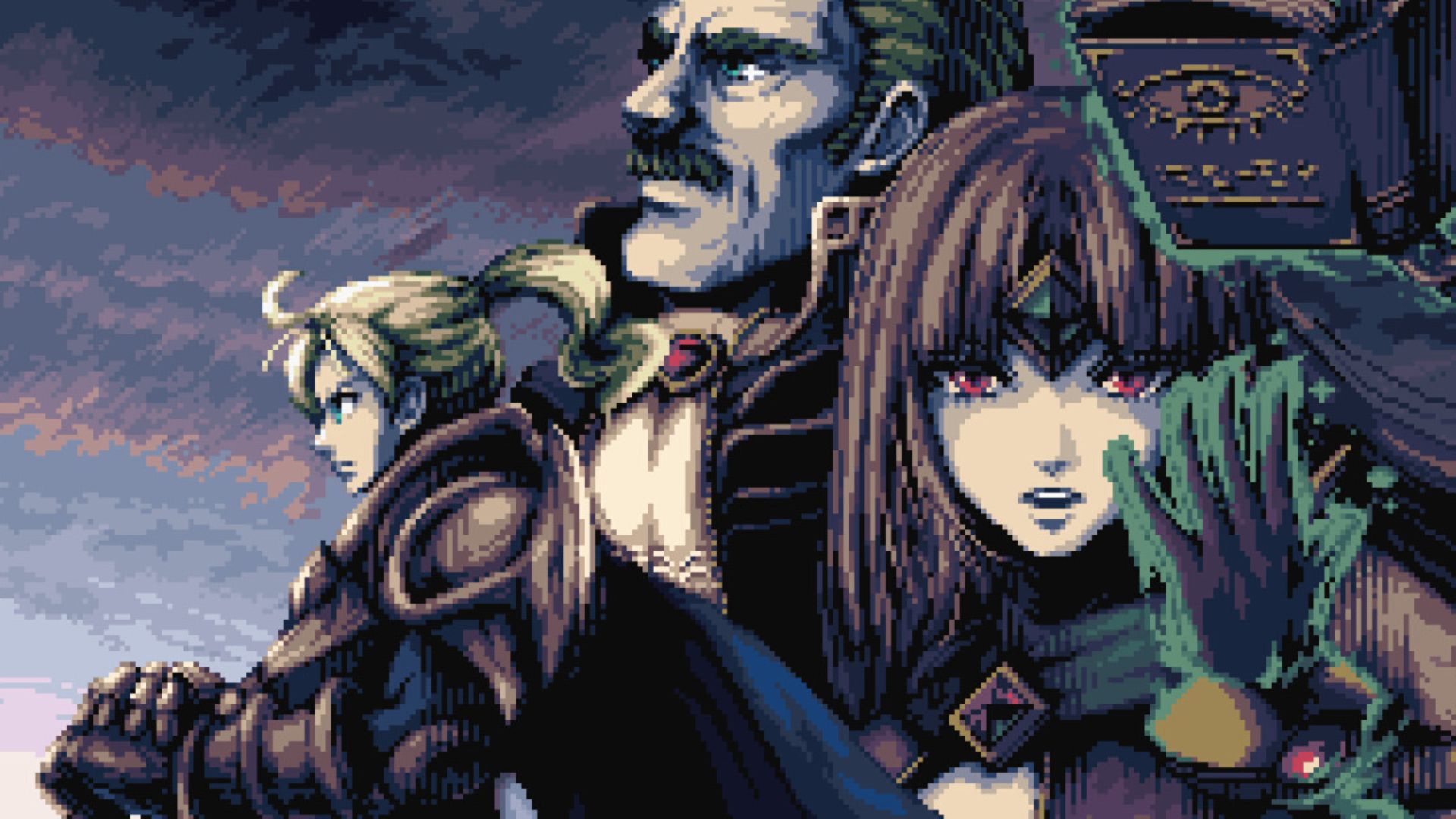
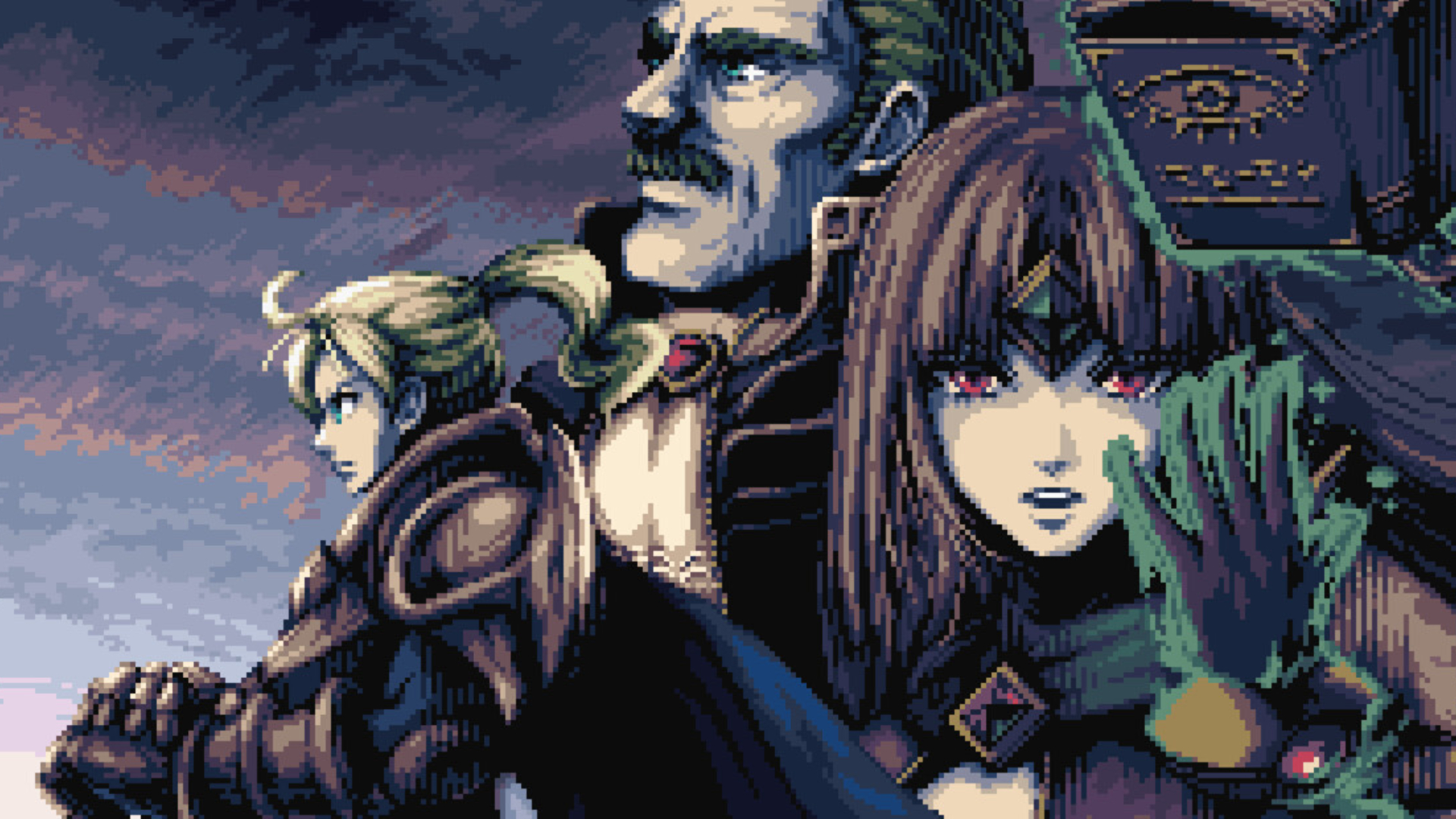
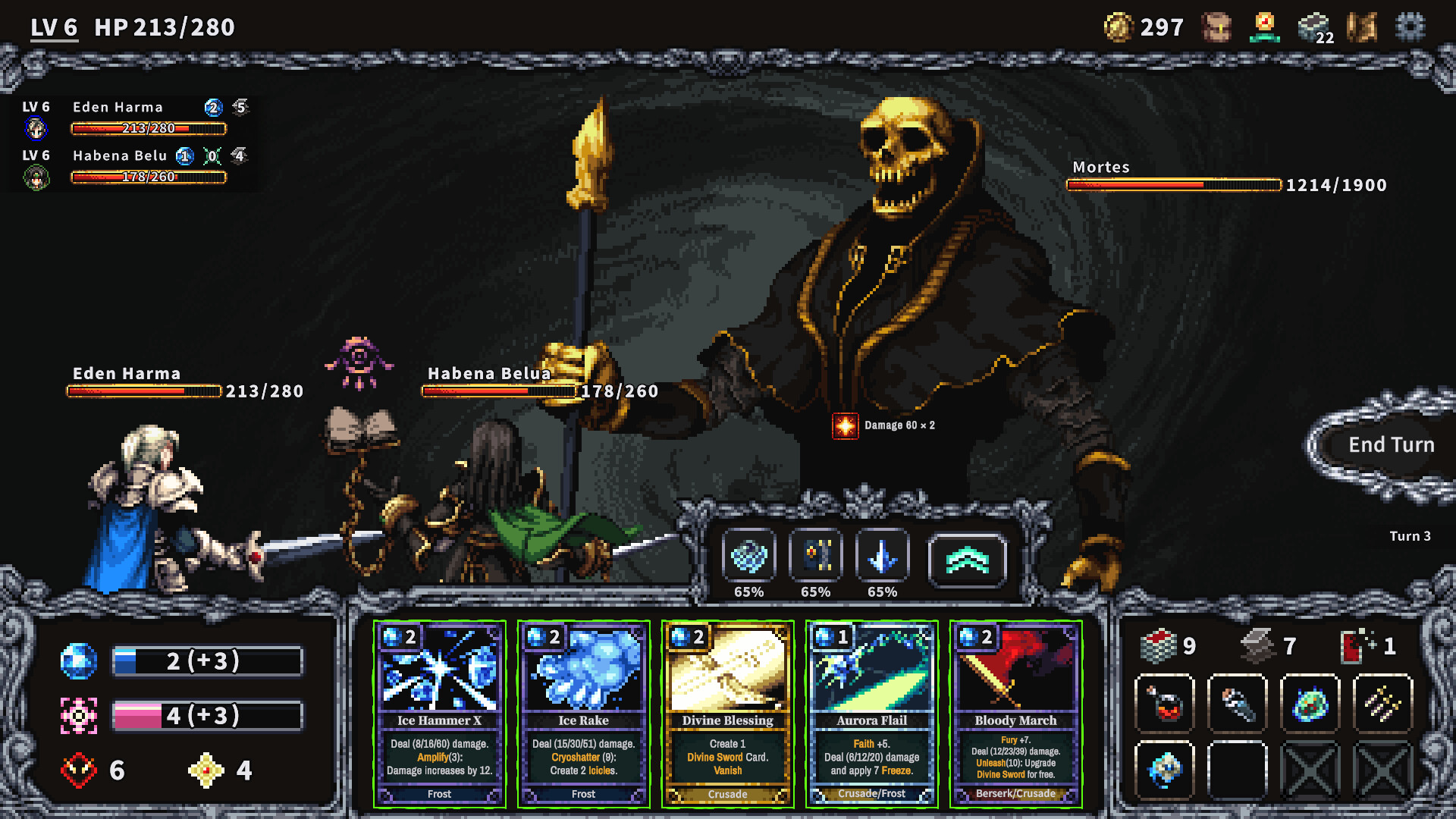
Deckbuilders remain a staple of the PC indie scene, but Harma enters a crowded market under a unique cloud of modern skepticism. A roguelike deckbuilder featuring intricate, full-pixel illustrations, it blends tactical card-play with rich dark fantasy lore. However, its release is accompanied by an unusual marketing necessity: explicit reassurances regarding its human-made craftsmanship.
Chronology and Development
Developed by a tight-knit indie team partnering with Astrolabe Games, Harma has spent the past several years in quiet production. As generative artificial intelligence tools flooded digital storefronts with synthetic pixel assets through the mid-2020s, the developers took the proactive step of publicly swearing off automated content generation.
Supporting Data and Mechanics
The game features two distinct gameplay pillars: a robust, narrative-driven campaign and a highly replayable "Dimensional Rift" mode. This dual structure is specifically designed to highlight the intricate pixel art, smooth animations, and tactical card synergies. Players build decks around specialized archetypes—featuring knights, sorcerers, and imposing warriors—to battle towering skeletons and otherworldly abominations.
Official Responses and Developer Transparency
In an era where players constantly scrutinize indie releases for AI-generated shortcuts, the creators of Harma released an explicit statement ahead of its early access launch: "Harma is developed entirely by human creators and does not contain any contents or assets generated by AI tools." This transparency has become a crucial marketing differentiator for traditional artists fighting for visibility on Steam.
Implications
As Harma enters early access on November 16, its reception will serve as a bellwether for consumer trust. If the game’s undeniable aesthetic charm translates into strong early sales, it will validate the fierce demand for authentic, human-crafted indie art in an increasingly automated digital landscape.
4. Melvor Idle 2: A RuneScape Adventure
- Developer/Publisher: Jagex
- Release Date: November 17, 2026 (Early Access)
- Genre: Idle / Incremental / Progression
Main Facts
Some games ask you to master complex combat systems or navigate branching political webs. Melvor Idle 2, published by Jagex, asks for very little from you aside from patience and a willingness to watch numbers ascend. Essentially spiritual comfort food for veteran Old School RuneScape players, the sequel strips away everything from the classic MMORPG except the core skill grind.
Chronology and Development
Following the breakout indie success of the original Melvor Idle, developer Jagex recognized the profound, cult-like appeal of the incremental genre. Bringing the IP under its formal publishing umbrella, Jagex greenlit a full-scale sequel designed to expand upon the formula with deeper progression loops, polished interfaces, and expanded gathering mechanics.
Supporting Data and Mechanics
Melvor Idle 2 is 100% pure, uncut optimization. Players gather items so they can craft better tools to gather superior items, managing skills like mining, woodcutting, fishing, and combat entirely through menus and automated timers. It is a game designed to run quietly in a browser tab or secondary monitor while the player focuses on real-world tasks—or, this week, actively ignoring the chaos happening in Vice City.
Official Responses and Cultural Footprint
Jagex has leaned heavily into the self-aware humor surrounding the game’s target audience. Melvor Idle 2 is unabashedly built for a very specific type of player: those who find peace in predictable progress bars and repetitive loops.
Implications
The launch of Melvor Idle 2 highlights the enduring power of idle games on Steam. While AAA
titles demand absolute immersion, incremental games thrive precisely because they coexist with other media consumption, making them the ultimate passive companion piece for players weathering massive industry release weeks.
5. Trafficity
- Developer/Publisher: Onramp Games
- Release Date: November 16, 2026
- Genre: Simulation / Urban Planning / Puzzle
Main Facts
Perhaps no game on this list offers a more poetic thematic contrast to Grand Theft Auto VI than Trafficity. While Rockstar’s blockbuster encourages reckless driving, high-speed police chases, and vehicular mayhem, Trafficity invites you to be the exasperated civil engineer trying to keep the asphalt from descending into utter anarchy.
Chronology and Development
Developed by Onramp Games, Trafficity was born out of a simple, universal truth of modern infrastructure: urban transit systems are fragile ecosystems balancing on the edge of collapse. The development team spent years engineering realistic traffic flow physics to test players’ spatial reasoning and problem-solving capabilities.
Supporting Data and Mechanics
The game arms players with a robust toolkit of gridless road-design mechanisms, fully customizable traffic light timing systems, and dynamic interchange simulation software. The core challenge revolves around mastering the "awesome power of the roundabout"—managing compound intersections where vehicles must merge, brake, and navigate complex road networks without grinding to a halt.
Official Responses and Irony
Onramp Games has embraced the tongue-in-cheek irony of releasing a traffic simulator opposite the world’s most famous crime-and-driving franchise. Promotional messaging reminds players that while lawless drivers are busy crashing stolen vehicles elsewhere, an entire city’s infrastructure depends on a higher, more orderly calling: the traffic must flow.
Implications
Trafficity captures a growing market for hyper-specific simulation and management games on Steam. By transforming mundane urban planning into a compelling spatial puzzle, it provides a deeply satisfying intellectual workout for players looking to flex their brains rather than their trigger fingers.
Conclusion: A Diverse Digital Haven
While the entertainment industry holds its collective breath for the arrival of Grand Theft Auto VI, the PC platform continues to demonstrate its remarkable resilience and diversity. Steam’s mid-November release slate proves that there is life beyond the blockbuster bubble. Whether you choose to build merchant empires in Crusader Kings 3, cultivate a quiet pastoral retreat in Spirit Crossing, master deck-building tactics in Harma, grind out numbers in Melvor Idle 2, or optimize roundabouts in Trafficity, the PC gaming ecosystem ensures that no gamer is left stranded without an alternative next week.