Main Facts: The Current State of Deadlock
Valve Corporation’s highly anticipated, invite-only third-person MOBA Deadlock remains firmly locked in its developmental cage. Despite rolling out sweeping updates—including the introduction of six new heroes, profound visual overhauls, and entirely redesigned maps—Valve has explicitly stated that these milestones do not signal an imminent public release.
In its first comprehensive development update, the studio doubled down on its philosophy that building a competitive multiplayer game is inherently high-risk. To mitigate these risks, Valve chose to invite players into the fold at an extraordinarily early stage. This approach allows community feedback to directly shape gameplay mechanics, map design, and core loops, rather than relying on internal theories of what constitutes "fun."
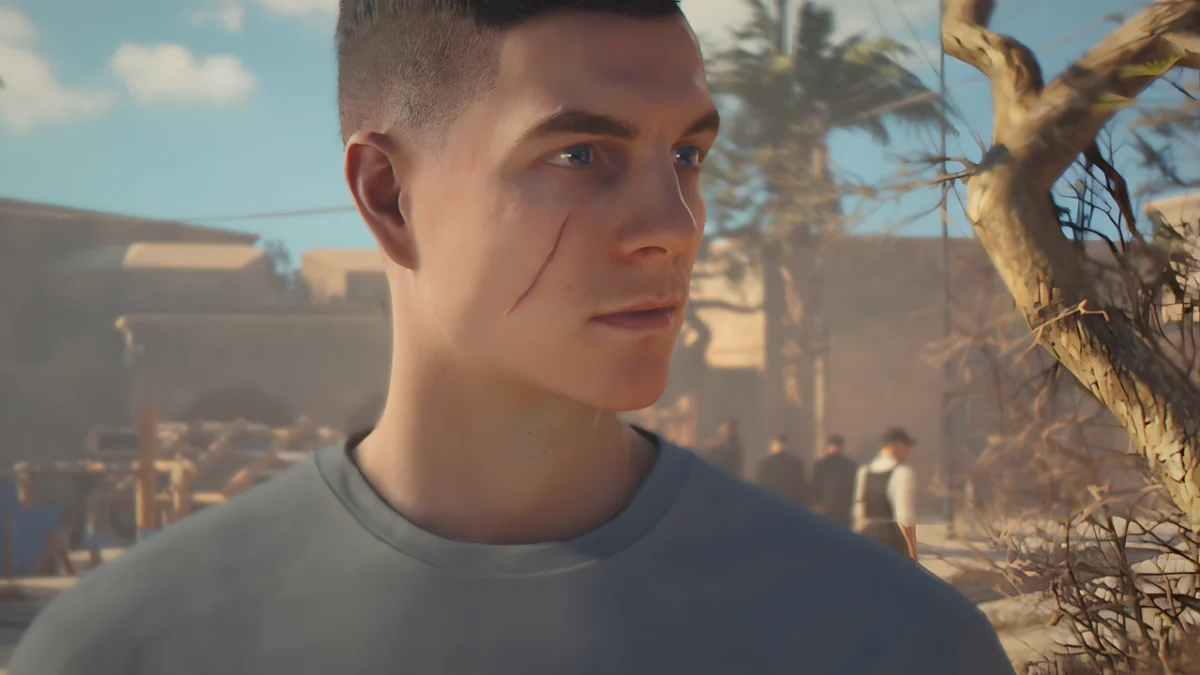
However, the game’s growing visual fidelity and feature-rich patches have caused many in the gaming community to mistake its current iteration for a finished product nearing its commercial debut. Valve has clarified that foundational work on the core game is still ongoing, and players should not expect an open beta or full public launch anytime soon.
Chronology: From Whispered Leaks to Major Overhauls
To understand Deadlock‘s current trajectory, it is necessary to trace how the game has evolved from a clandestine project into one of the industry’s worst-kept secrets.
- Mid-2024: Whispers and leaked playtest footage of a mysterious Valve shooter-MOBA hybrid began circulating online, initially referred to under codenames like Citadel.
- Late Summer 2024: Valve quietly expanded the invite-only playtest, bringing tens of thousands of players into the ecosystem. Concurrently, reports emerged that former Risk of Rain developers had joined forces with Valve to potentially assist on alternative gameplay modes, including speculative PvE content.
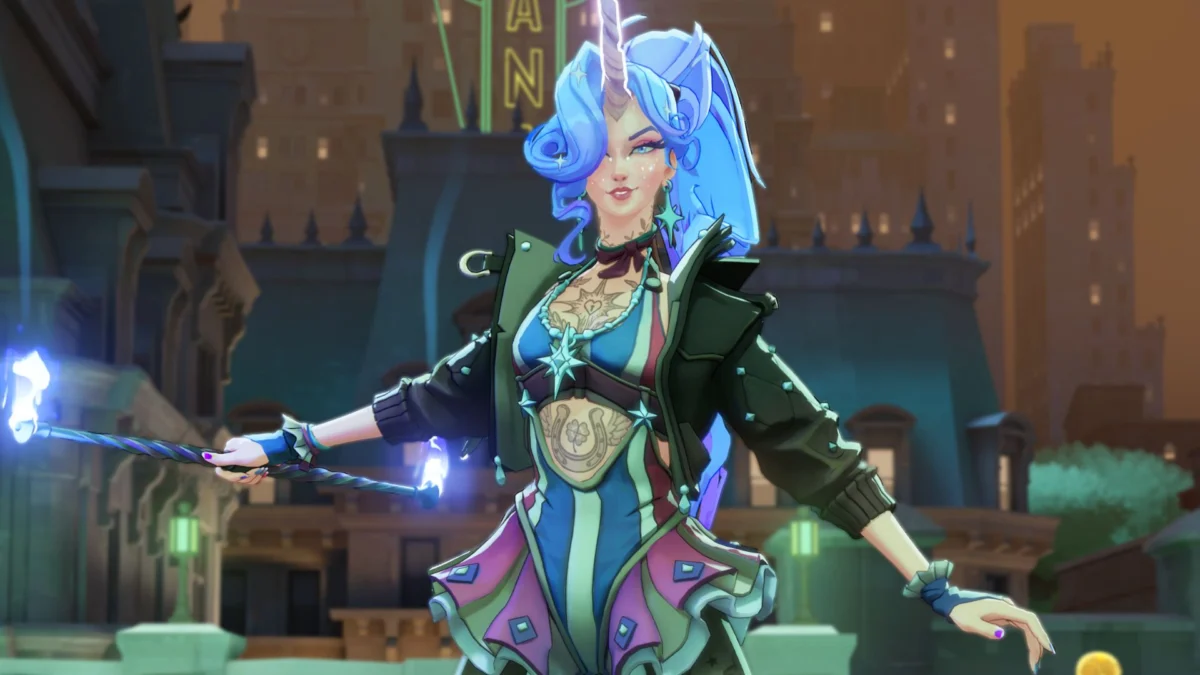
- Early 2025: Deadlock received its landmark "Old Gods, New Blood" update. This patch delivered six new heroes, completely revamped patrons, a brand-new game mode, and refined visual aesthetics that surprised observers with their polish.
- Mid-to-Late 2025: Rather than moving into a traditional "polish and ship" phase, Valve pivoted its development strategy. The team shifted away from isolated, siloed updates and began tackling multiple massive core projects in parallel.
- Late 2025/Early 2026: The release of the "City Never Sleeps" update brought a gorgeous, atmospheric redesign of the map, alongside complex item overhauls. Data-miners simultaneously discovered early concepts for a "Wardrobe" feature and alternative hero outfits, such as a raincoat model for the character Rem.
- Present Day: Valve has released its official development retrospective, managing public expectations and asserting that early development is still very much underway.
Supporting Data & Technical Scope: What’s Inside the Updates?
While Deadlock remains gated behind an invite system, the sheer volume of content Valve has pushed into the testing branch rivals fully released live-service titles.
- Hero Roster Expansion: The inclusion of six unique heroes in a single update significantly altered team composition strategies, introducing complex hybrid roles that blend traditional shooter accuracy with MOBA-style ability drafting.
- Map Redesign: The "City Never Sleeps" update transformed the verticality and lighting of the map. Playtesters noted dramatic improvements in atmosphere, transitioning the skyline into a moody, dusk-lit urban dystopia.
- Data-Mined Customization Systems: Files uncovered by community data-miners indicate that Valve is actively laying the groundwork for player progression, hideout customization, and cosmetic variants. References to a "Wardrobe display background" and alternative apparel (like Rem’s rainy-day raincoat) suggest long-term monetization and personalization frameworks are already being prototyped.
- Experimental Modes: Valve has confirmed ongoing testing for speculative features, including large-scale item redesigns and alternative gameplay structures that stretch far beyond the traditional three-lane MOBA map layout.
Official Responses: Valve’s Transparency and Development Philosophy
Valve has historically favored unconventional development timelines—famously taking its time with titles like Counter-Strike 2, Dota 2, and Half-Life: Alyx. With Deadlock, the company has maintained a surprisingly open dialogue through official Steam development posts.
At the onset of their recent update retrospective, Valve explained the rationale behind their prolonged early-access strategy:
"We think building a multiplayer game is very hard and risky, and the best way to minimize that risk [is] to make sure that we are able to have it in players’ hands from an early state to help us shape it and tell us what is fun and what isn’t."
Addressing why certain production steps—such as updating older hero artwork—were delayed, Valve noted that the team intentionally resisted moving into aesthetic polish phases. Instead, they chose to solidify the core mechanics and gameplay loops first.
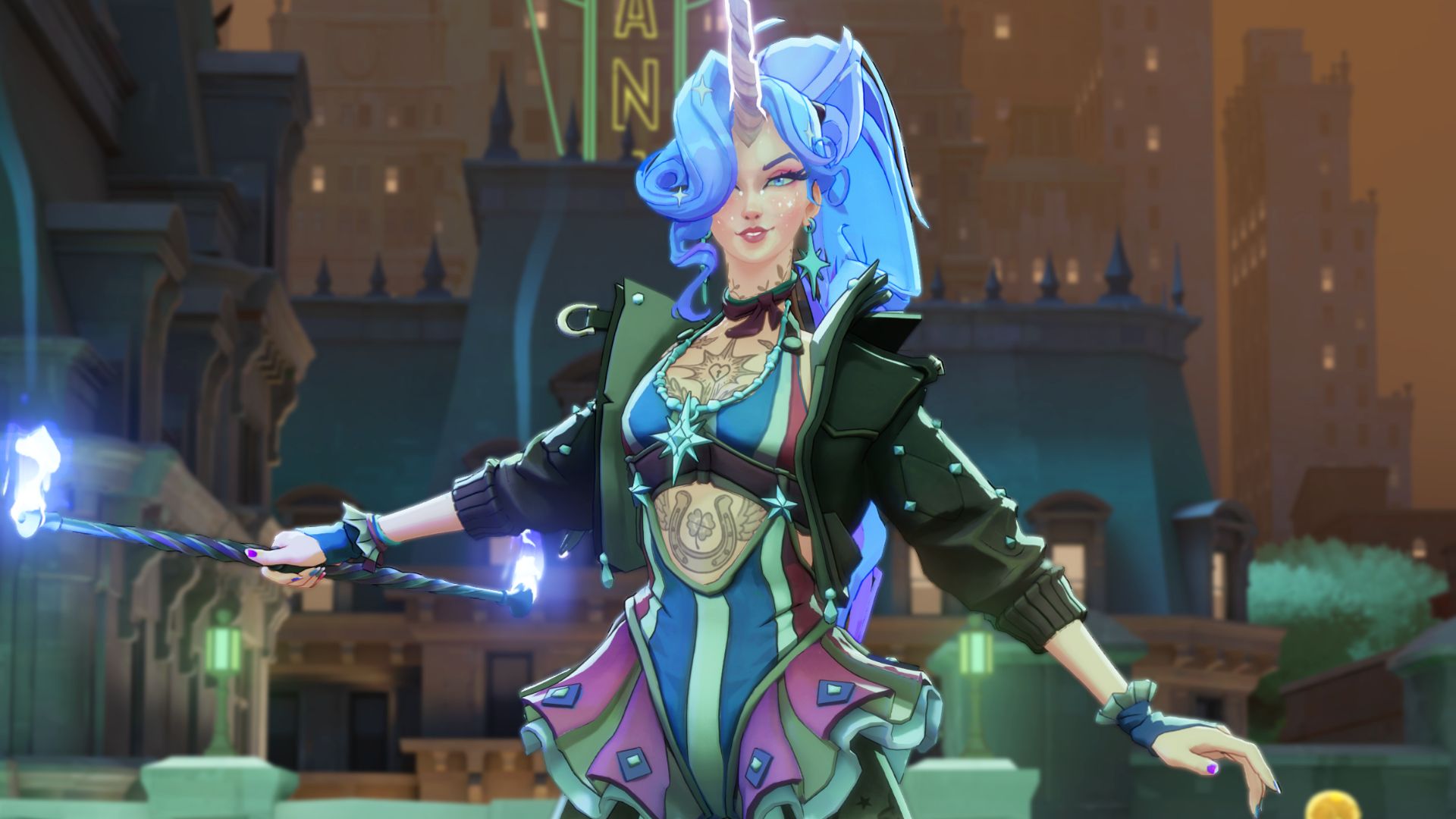
Furthermore, Valve addressed speculative features currently undergoing closed-door evaluation:
"There are also other things we’ve been working on recently that are more speculative (as in we aren’t 100% sure if they will be released or not based on how playtesting goes, though results so far have been promising) like large item redesigns/additions and alternative game modes that expand the scope of the game."
These comments highlight Valve’s willingness to scrap, rework, or entirely overhaul systems based on live data, demonstrating a commitment to quality over arbitrary release deadlines.
Implications: What This Means for the Industry and Eager Players
Valve’s cautious, community-driven approach to Deadlock carries several significant implications for the gaming landscape:
1. The Death of the Rushed Launch
In an industry where live-service titles are frequently rushed to market to meet investor demands—often resulting in disastrous Day-One patches and severe player attrition—Valve’s refusal to be hurried serves as a refreshing, if agonizing, counter-example. By keeping the player base capped via an invite system, Valve avoids the public relations fallout of a botched open launch while still gathering invaluable telemetry data.
2. Redefining "Early Access"
Deadlock challenges the traditional definition of early access. While games on platforms like Steam Early Access often feature placeholder assets and glaring technical deficits, Deadlock frequently boasts a level of environmental design, sound engineering, and mechanical polish that surpasses finished competitors. This has created a psychological paradox for gamers: a game that looks ready to play, but is legally and structurally years away from completion.
3. The Future of the MOBA-Shooter Hybrid
By experimenting with alternative game modes—potentially including PvE experiences crafted in collaboration with veteran developers—Valve is signaling that Deadlock may eventually evolve into an expansive platform rather than just a single competitive game type. If successful, this could establish a new benchmark for how hero-based multiplayer games retain player interest over decades.
Conclusion
For eager fans waiting on the sidelines, the message from Valve is clear: patience is mandatory. Until Valve signals that older hero reworks are underway en masse and core progression systems are locked in, Deadlock will remain behind closed doors. If you want to experience its neon-soaked rooftops and frantic magical-gunplay combat today, your only option remains knocking on the digital door of a friend who already holds an invite.