In a landmark consolidation that marks one of the most significant power shifts in the history of digital media, the Fox Corporation has officially finalized its $22 billion acquisition of Roku. The deal, which was first announced in June, has been cleared in a remarkably swift five-month window, receiving approval from the Trump-era Justice Department despite the immense implications for market competition and consumer data privacy.
For millions of households, Roku has served as the primary gateway to the streaming era. By acquiring the platform, Fox has transitioned from a traditional broadcast and cable powerhouse into a gatekeeper of the modern living room. As the lines between hardware, software, and content distribution continue to blur, this merger forces a critical conversation about the future of digital neutrality and the role of partisan media in domestic entertainment.
A Rapid Consolidation: The Chronology of the Deal
The timeline of this acquisition was, by industry standards, breakneck. When the deal was first unveiled in June, Wall Street analysts were skeptical that such a massive vertical integration—linking a content creator directly to a hardware distribution channel—could bypass regulatory scrutiny in such a short timeframe.
- June 2024: Fox Corporation formally announces its intention to acquire Roku for $22 billion, citing a desire to bolster its digital infrastructure and advertising technology.
- August 2024: The Department of Justice initiates its standard antitrust review. Unlike previous media mega-mergers that languished in regulatory limbo for over a year, the process moved with unprecedented speed.
- September 2024: Reports indicate that Fox’s lobbying efforts and the alignment of the merger with current administration priorities helped clear significant hurdles regarding horizontal competition.
- November 2024: Following a series of late-term administrative clearances, the deal is officially ratified. Fox Corporation assumes full control of Roku’s hardware, operating system (Roku OS), and its lucrative ad-tech stack.
Supporting Data: A Changing Media Environment
The strategic necessity of this acquisition for Fox is rooted in shifting consumer behaviors. The cable television model, which served as the engine of Fox’s revenue for decades, is facing a precipitous decline.
According to recent industry analytics, Fox News viewership saw a 27 percent year-over-year decline in October. This drop-off highlights the volatility of traditional linear television as cord-cutting accelerates. In contrast, competing networks like CNN and MSNBC saw modest growth (3 percent and 16 percent, respectively) during the same period. However, it is important to contextualize these numbers: despite the decline, Fox News maintains a total viewership higher than the combined audiences of CNN and MSNBC.
Fox’s acquisition of Roku is a hedge against this transition. By owning the "plumbing" of the living room, Fox ensures it is no longer reliant on third-party distributors to reach viewers. With over 100 million households globally already using Roku devices, Fox has essentially purchased a direct, high-definition pipeline into the homes of a massive, diverse, and previously "platform-neutral" audience.
The New Power Structure: Leadership and Strategy
A critical component of the acquisition is the appointment of Roku founder Anthony Wood to the Fox Corporation Board of Directors. Wood will also serve as a co-leader of the newly formed "Fox Digital Platforms" division. This entity is designed to consolidate the company’s disparate digital assets, including Tubi, Fox One, and the newly acquired Roku ecosystem.
This move signals that Fox intends to leverage the data-rich environment of Roku’s operating system to refine its advertising capabilities. Fox famously sold its initial stake in Roku back in 2020 to finance its $440 million acquisition of Tubi. Now, the company has come full circle, bringing the entire ecosystem under one roof to create a proprietary, data-driven advertising powerhouse that can compete with the likes of Amazon and Google.
Official Responses and Corporate Assurances
In response to widespread concern regarding content bias and platform censorship, the Fox Corporation has issued a series of public statements aimed at calming investors and regulators.
"Roku will remain an open platform for all content partners," a spokesperson for Fox stated in a press release issued shortly after the finalization. The company maintains that the user experience will remain largely unchanged, and that the "neutrality" of the Roku home screen—where users access apps like Netflix, Disney+, and YouTube TV—will not be compromised by the change in ownership.
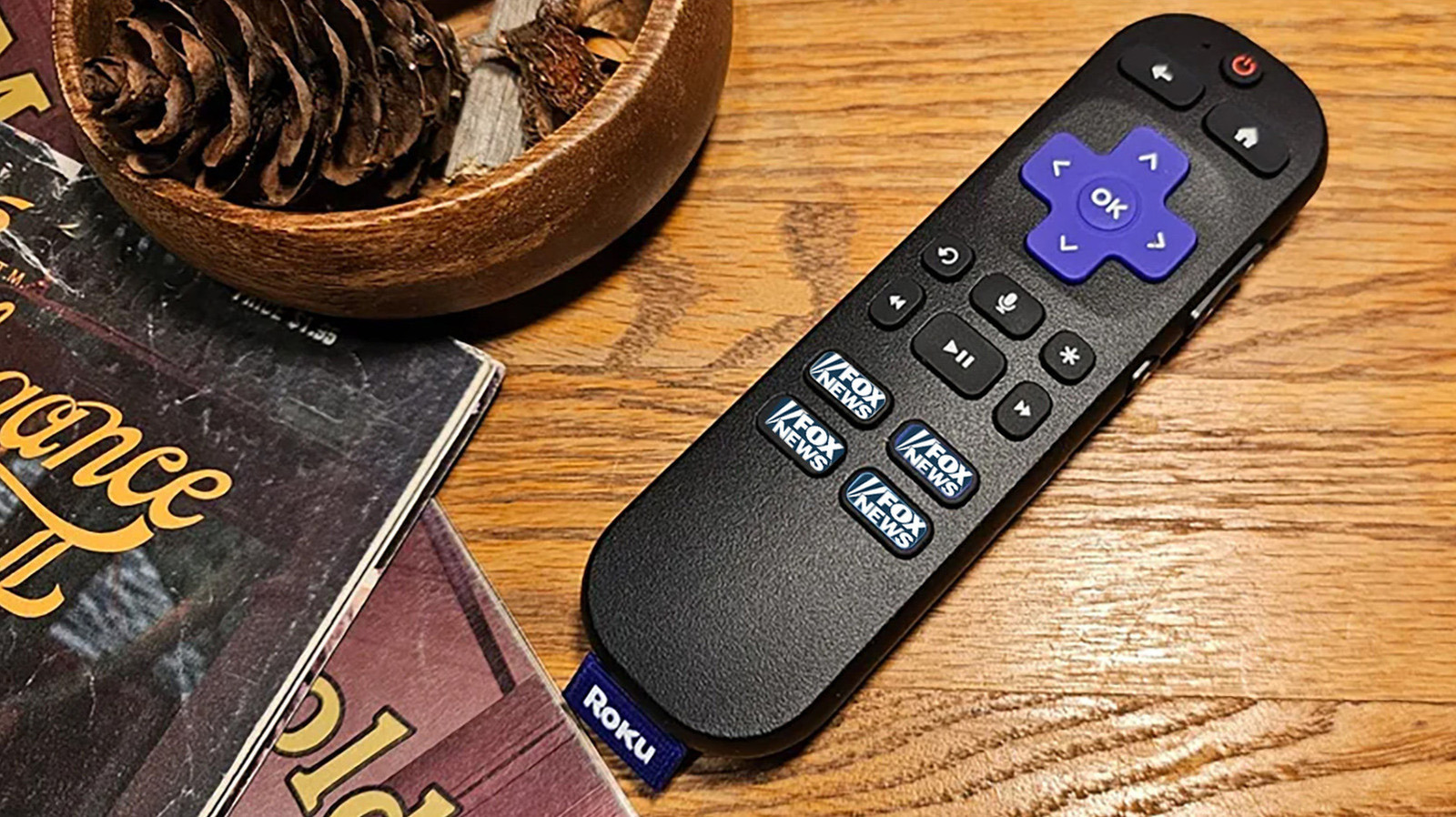
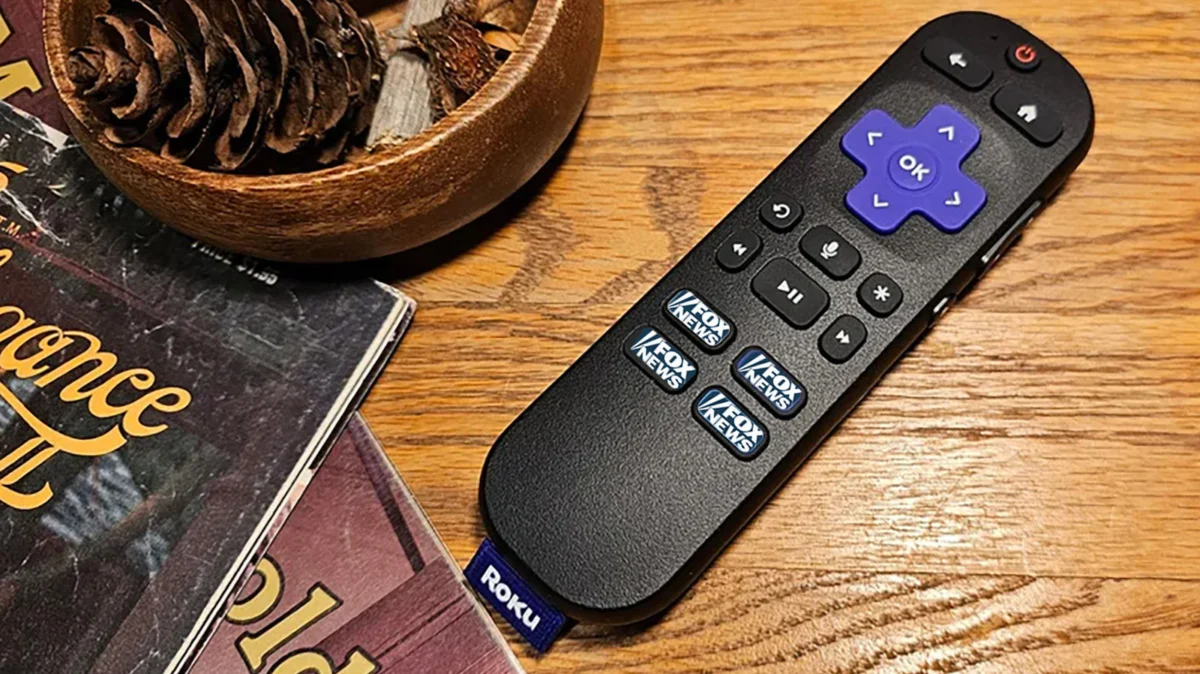
However, industry watchdogs remain skeptical. The history of platform-content integration suggests that incentives to prioritize proprietary content are often irresistible. Critics argue that while the "app" level may remain open, the "home screen" level is prime real estate. The ability for Fox to manipulate user interface (UI) design to promote its own news or entertainment channels—effectively turning the Roku remote into a permanent billboard for the Fox brand—remains a major point of contention.
The Implications: What This Means for the Consumer
The implications of this deal are far-reaching and touch on the fundamental relationship between technology and political discourse.
1. The Weaponization of the Home Screen
The primary fear among technology analysts is the "politicization of the interface." If the home screen of the Roku device becomes a space for algorithmic promotion of Fox-owned content, the platform ceases to be a neutral utility. For millions of consumers who rely on Roku to access a broad spectrum of news and information, this creates a potential "walled garden" that favors a specific political narrative.
2. Data Privacy and Behavioral Profiling
Roku collects a massive amount of data on viewing habits, search queries, and even the external devices connected to the TV. By integrating this data with Fox’s existing advertising and audience databases, the company can create highly granular profiles of individual households. The ethical concerns surrounding how this data will be utilized—particularly in the context of political micro-targeting—have yet to be fully addressed by federal privacy regulators.
3. The Future of Streaming Competition
By owning the distribution hardware, Fox has achieved a vertical integration that few other media companies can replicate. This puts pressure on other content providers, such as NBCUniversal or Paramount, who now find themselves effectively "renting" space on a platform owned by their direct competitor. This could lead to a future where streaming competition is dictated not by the quality of content, but by the terms set by the owner of the hardware.
4. A Template for Future Media Mergers
This deal establishes a new precedent for the media industry. If the regulatory environment continues to favor such massive consolidation, we may see further acquisitions where tech hardware companies are absorbed by content conglomerates. This trend suggests a future where the divide between "tech companies" and "media companies" is entirely eliminated.
Conclusion
The acquisition of Roku by the Fox Corporation is more than just a $22 billion transaction; it is a fundamental restructuring of how Americans consume media. As the dust settles on the merger, the focus will now shift to the actual user experience.
Will Roku remain the neutral, utilitarian platform that millions of users have come to rely on, or will it become the digital megaphone for a single corporate entity? As Fox integrates its new hardware asset into its broader digital strategy, consumers, regulators, and industry competitors will be watching the home screen closely. For now, the "Hannity" button may not be on your home screen, but the infrastructure to put it there is now, undeniably, in the hands of the Fox Corporation.
The digital age of media, once defined by the open competition of the internet, is moving toward a new era of gated, integrated empires. Whether this benefits the consumer through better integration or harms the public through reduced choice and ideological insulation remains to be seen. What is certain is that the landscape of the living room has been permanently altered.