
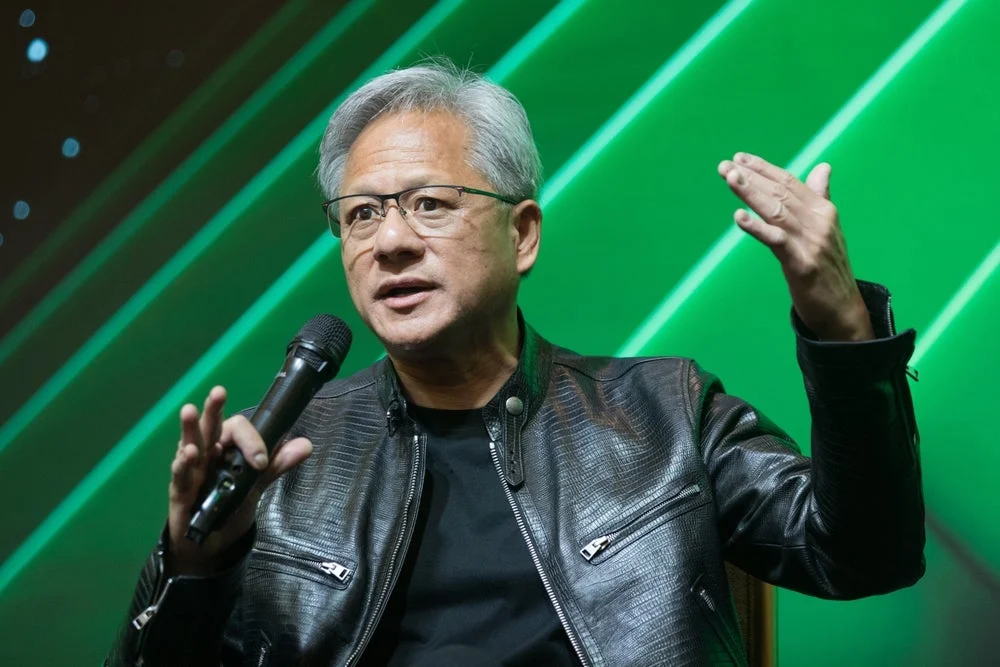
The global technology landscape was stunned this week as Jensen Huang, the visionary founder and long-serving CEO of Nvidia, announced his immediate resignation from all leadership roles within the semiconductor giant. The departure marks the end of a three-decade era for the Silicon Valley titan, triggered by a convergence of personal scandal and burgeoning national security inquiries that have sent shockwaves through the tech sector and global financial markets.
Huang’s exit follows a public admission of an extramarital affair—a revelation that initially appeared to be a personal matter but rapidly metastasized into a corporate and legal crisis. As federal authorities begin to scrutinize the potential overlap between Huang’s private conduct and the handling of sensitive national security data, the industry is left to grapple with the sudden vacancy at the helm of one of the world’s most valuable companies.
The Chronology of a Collapse
The crisis began in early November 2026, when reports surfaced regarding an extramarital relationship involving Huang. Initially, the company attempted to frame the situation as a private matter, but the narrative shifted violently when subsequent investigations by major media outlets alleged a pattern of behavior involving other senior company executives.
Key Milestones in the Crisis:
- Early November 2026: Initial reports of an affair surface, forcing a public acknowledgment from Huang.
- Mid-November 2026: Expanding investigative reports reveal additional alleged relationships involving high-ranking Nvidia officials, raising concerns about corporate culture and internal oversight.
- Late November 2026: Federal authorities signal an interest in the potential compromise of sensitive proprietary information, citing the nature of Nvidia’s role in defense-related AI development.
- December 1, 2026: Jensen Huang officially steps down as CEO, President, and Board Member, stating that his continued presence had become a "distraction" to the company’s mission.
The rapid succession of events underscores the fragility of leadership in the age of hyper-transparency. What began as a personal moral failure transformed into a structural crisis, compelling the board to act with unprecedented speed to protect the organization’s reputation and legal standing.
Examining the National Security Nexus
While the moral implications of the scandal occupy the headlines, the most dangerous facet of the situation involves the intersection of private conduct and public trust. Nvidia is not merely a hardware manufacturer; it is the backbone of the global artificial intelligence infrastructure, heavily involved in projects that hold significant weight for U.S. national security.
The core question facing investigators is whether the lapses in judgment that characterized Huang’s personal life extended to the protection of trade secrets or classified technologies. In an era where AI supremacy is synonymous with geopolitical power, any breach of protocol—whether intentional or through the vulnerability of compromised leadership—carries catastrophic risks.
Legal experts note that if an investigation reveals that sensitive data was exposed during the course of these relationships, Huang could face severe legal consequences, potentially including criminal charges. The resignation, while swift, does not insulate him from these inquiries; if anything, it marks the beginning of a protracted legal battle that will define the next chapter of his life.
The Pitfalls of Public Perception: Lessons in Crisis Management
Huang’s departure serves as a masterclass in the dangers of traditional crisis management. In many corporate scandals, leaders are tempted to lean on the "family unity" narrative—a strategy that has historically backfired.
The "Spouse-at-the-Podium" Trap
History is littered with examples of leaders attempting to sanitize their image by standing alongside their families during public apologies. From former New York Governor Eliot Spitzer to former New Jersey Governor Jim McGreevey, the presence of an uncomfortable spouse often serves only to highlight the dissonance between the leader’s private actions and their performative public display.
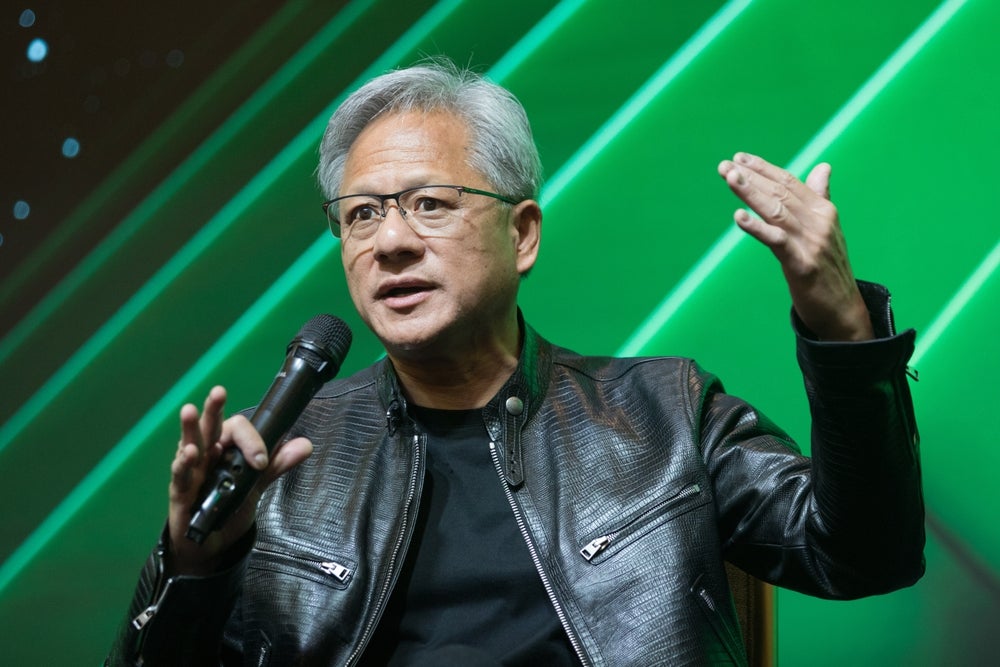
Communications experts have long warned against using family members as props. In Huang’s case, the attempt to manage the narrative through public statements initially fell flat because it failed to account for the depth of the betrayal perceived by the public and shareholders. The lesson for executives is clear: when trust is broken at the domestic level, it cannot be mended with a press release or a staged photo opportunity.
Accountability Over Explanation
The tendency for executives in crisis is to "explain"—to offer context, shift blame to workplace stress, or frame the situation as a media-driven frenzy. However, as the Nvidia scandal demonstrates, the moment a leader begins to explain, they lose the narrative. Credibility is not restored through rhetoric; it is restored through the long, quiet work of behavioral change. The comparison to Tiger Woods’ 2010 apology is instructive. While Woods’ initial efforts were heavily scrutinized, he eventually managed to rebuild his professional standing not through words, but through years of consistent, silent commitment to his craft.
Institutional Resilience: Nvidia Beyond the Founder
The resignation of a founder is always a traumatic event for a corporation, but it is often a necessary one. The company is now significantly larger than the individual who built it. For Nvidia to survive this transition, it must decouple its identity from the personality of its founder.
The precedent set by David Petraeus in 2012 provides a stark blueprint for such departures. When the former CIA Director resigned due to an affair that raised questions about the handling of classified information, he recognized that his personal conduct had rendered him an institutional liability. By stepping aside, Petraeus prioritized the security of the organization over his own career. Huang’s decision to follow a similar path suggests a realization that the sanctity of the institution—and the safety of its intellectual property—supersedes his personal legacy.
The Long Road Ahead
As the dust settles, the implications for Nvidia are far-reaching. The company must now navigate a massive leadership vacuum while simultaneously undergoing internal audits to address questions regarding executive oversight and corporate governance.
For Jensen Huang, the road to rehabilitation is not found in the public square. The most significant work he has ahead of him—rebuilding the trust of his family and addressing the legal complexities of the national security investigation—must be conducted in private.
The story of Jensen Huang is a cautionary tale for modern leadership. It illustrates that in the 21st century, the barrier between personal integrity and corporate stability has effectively evaporated. The higher the pedestal, the more devastating the fall, and the more rigorous the requirements for recovery.
Ultimately, Huang’s legacy will not be determined by his past successes in chip manufacturing or his historical role in the AI revolution. Instead, it will be defined by his actions in the coming months. Will he be remembered as a leader who, in his final act, chose the path of humility and accountability? Or will he be remembered as a cautionary example of how one person’s failure can threaten the foundation of a global empire?
For now, the world waits, watching to see if the architect of the AI age can navigate the most complex problem he has ever faced: his own fall from grace. As his communications counselors and legal advisors prepare for the battles ahead, the message remains clear: when you have lost everything, the only way forward is to stop talking, start listening, and begin the agonizingly slow process of earning back the trust that was squandered.