In the modern corporate landscape, a company’s code of conduct is more than a legal formality; it is the bedrock of its organizational culture. It represents a promise—a set of shared standards that apply from the factory floor to the executive suite. However, that promise faces its most rigorous test when a leadership team must choose between a strategic business opportunity and their stated values.
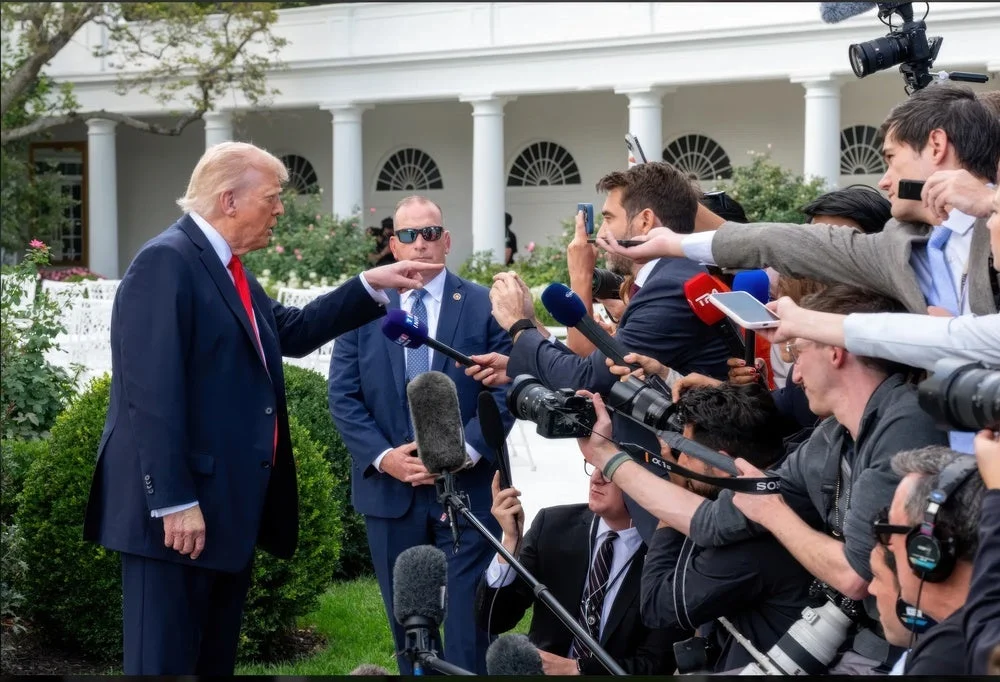
On October 24, Audi AG, the luxury automotive arm of the Volkswagen Group, encountered this exact collision of interests. CEO Gernot Döllner appeared alongside President Donald Trump at a high-profile campaign rally in Georgia, an event centered on the announcement of a proposed $4 billion U.S. manufacturing investment. While the move was framed by leadership as a pragmatic step toward securing Audi’s industrial future in a critical market, the decision has sparked an internal firestorm, raising profound questions about policy consistency, the limits of executive discretion, and the fragile nature of employee trust.
The Chronology of a Controversy
The sequence of events leading to the current outcry began long before Döllner stepped onto the stage in Georgia. Audi’s internal governance strictly prohibits public engagements with political parties or candidates within the three-month window preceding an election. This policy is designed to maintain the brand’s image of neutrality and to avoid alienating employees or customers with diverse political leanings.
- Pre-Event: Recognizing the sensitivity of the situation, Audi’s management board deliberated on the invitation. Ultimately, they authorized a formal exception to the policy, concluding that the business imperative—securing a massive U.S. investment—outweighed the procedural prohibition.
- October 24: Gernot Döllner appeared on stage at the Georgia rally. The optics were immediate and visceral; the presence of an international automotive CEO at a campaign event, regardless of the underlying economic rationale, was interpreted by many as a political endorsement.
- Post-Event: The backlash was swift. Labor representatives, most notably the head of IG Metall, publicly labeled the appearance as “deeply embarrassing.”
- Internal Response: Following the fallout, Döllner issued a letter to employees attempting to contextualize the decision. Simultaneously, the parent company, Volkswagen, moved to disable comment sections on internal intranet posts after the volume of employee criticism became unmanageable, citing concerns over personal attacks and violations of respectful communication standards.
The Business Rationale vs. Ethical Consistency
To understand the decision-making process, one must consider the macroeconomic pressures currently facing European automakers. With the threat of escalating tariffs and the imperative to localize production to remain competitive in the U.S. market, Audi is under immense pressure to expand its North American footprint.
From a purely financial standpoint, the logic is sound. Negotiating with the highest levels of government is a standard component of international business strategy. However, the "business case" often fails to account for the "cultural case." When a corporation establishes a rule, it creates an expectation of fairness. When that rule is waived for a senior executive, it creates a "two-tier" reality.
Employees judge a company’s integrity by how its leadership adheres to the rules that govern everyone else. When an exception is granted for the CEO but denied for lower-level employees, the policy loses its moral authority. The perception that the rules are "fluid" for those at the top breeds cynicism and undermines the very culture that corporations strive to build.
The Communication Gap: Why Timing Matters
One of the most significant failures in this episode was not the decision itself, but the timing of the communication. By the time Döllner reached out to the workforce to explain that the appearance was a strategic business move rather than a political signal, the narrative had already been set by the images of the rally.
In the digital age, silence is never neutral. When leadership fails to proactively explain a high-stakes decision, they cede the floor to speculation and media critique. A pre-event communication could have accomplished several key goals:
- Transparency: Explaining the commercial considerations and the necessity of the $4 billion investment.
- Contextualization: Clarifying that the appearance was a transactional business meeting, not an ideological alignment.
- Policy Integrity: Acknowledging the departure from standard policy and explaining why this specific instance was deemed a unique exception.
By waiting until after the public outcry, the company’s internal messaging was reduced to "damage control." Regardless of the sincerity of the letter, it was destined to be perceived as reactive rather than transparent.
Internal Dissent and the "Safe Space" Dilemma
The aftermath at Volkswagen, where over 200 employee comments were scrubbed from the internal intranet, highlights a critical tension in modern corporate management: the balance between maintaining a respectful workplace and fostering open discourse.
While it is the responsibility of human resources and leadership to prevent harassment and maintain professional standards, there is a fine line between moderating abuse and suppressing dissent. When a company shuts down a forum for feedback immediately following a controversial leadership action, it sends a chilling message to the workforce: We want to hear from you, but only if you agree with us.
Effective leadership requires the courage to hear criticism. Instead of disabling the platform, the company might have been better served by acknowledging the frustration, validating the employees’ right to be concerned, and opening a constructive dialogue. By effectively silencing the room, the company missed an opportunity to demonstrate that it values its employees as stakeholders in the brand’s future.
Implications for Corporate Governance
This incident serves as a case study for global organizations navigating the increasingly politicized landscape of the 21st century. The implications for future governance are threefold:
1. The Burden of Transparency
Corporate policies regarding political activity must be robust, but they must also be flexible enough to handle reality. However, if a policy is to be broken, the "why" must be communicated before the "what." Transparency is the only antidote to the perception of favoritism.
2. The Role of the Communications Function
Communications leaders must have a seat at the table when strategic decisions are made. They should act as the "institutional conscience," asking the hard questions: Is this the only way to achieve this objective? How will this look to our frontline employees? What is our strategy for internal alignment? If these questions are not asked in the planning phase, the organization will inevitably face the fallout during the implementation phase.
3. Training and Emotional Intelligence
Leadership is not just about executing business strategies; it is about managing the human element of the organization. Managers should be equipped with the skills to address employee concerns about sensitive, high-profile decisions without resorting to political debate. This requires training, empathy, and a genuine willingness to hear out the workforce.
Conclusion: Values at the Top
Ultimately, the Audi episode is a reminder that a brand is not just what it produces—it is how it acts. A company’s values are not found in its mission statement; they are found in its behavior during moments of stress.
As executives continue to interact with political figures in an increasingly polarized world, the need for clear, consistent, and communicated standards has never been greater. The strongest corporate policies are not those that are never broken, but those that are upheld by leaders who accept the constraints they impose. If an exception must be made, the organization owes it to its employees to explain why, to listen to their reactions, and to demonstrate that the company’s core values apply equally to everyone—especially those at the top.
If Audi and its parent company are to move forward, they must reconcile the distance between their executive actions and their internal culture. In the long run, the success of a company is measured not just by its manufacturing capacity or its market share, but by the trust of the people who make its growth possible. When that trust is frayed, it is the responsibility of leadership to mend it through openness, accountability, and a renewed commitment to the principles that unite the organization.