Main Facts
Filmmaker Bassam Tariq has finally pulled back the curtain on his high-profile exit from Marvel Studios’ troubled Blade reboot. In a candid interview with The New Arab while promoting his new project, Your Mother Your Mother Your Mother, Tariq detailed the creative and structural incompatibilities that led him to abandon the blockbuster starring two-time Academy Award winner Mahershala Ali.
At the core of Tariq’s departure was a fundamental disagreement over the filmmaking process, specifically the studio’s approach to pre-production and script development. Tariq revealed that he was expected to begin casting and conceptualizing the film’s visual world before a finalized script was in place—a common, yet heavily criticized, practice in modern franchise filmmaking.
The director’s decision to walk away was driven by a desire to preserve his professional integrity. Rather than continuing to act as a middleman between high-profile talent and a major corporate machine, Tariq chose to prioritize creative autonomy. Although parting ways with the Marvel Cinematic Universe (MCU) meant losing out on helming a major tentpole, it ultimately paved the way for a fruitful creative partnership with Ali on a more personal project, as well as an unexpected silver lining involving costumes from the aborted production being repurposed for Ryan Coogler’s upcoming feature, Sinners.
Chronology of the ‘Blade’ Development and Tariq’s Departure
To fully understand Bassam Tariq’s exit, it is necessary to examine the turbulent timeline of Marvel’s Blade reboot, a project that has suffered from continuous delays, shifting creative teams, and script rewrites.
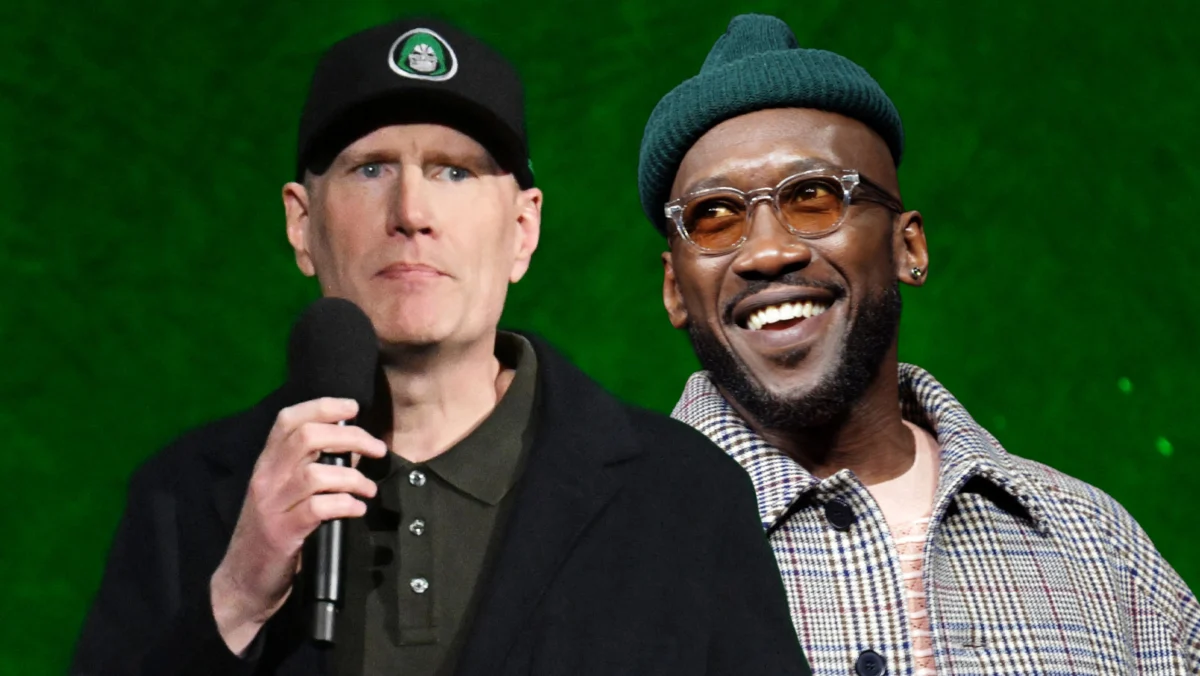
- July 2019: Marvel Studios President Kevin Feige shocks Hall H at San Diego Comic-Con by officially announcing that a Blade reboot is in development, with Mahershala Ali cast as the iconic daywalker originally portrayed on screen by Wesley Snipes.
- Fall 2020: After searching for the right visionary to bring the vampire hunter into the MCU, Marvel enters negotiations with Bassam Tariq, fresh off the critical success of his indie drama Mogul Mowgli.
- Summer 2021: Tariq is officially confirmed as the director of Blade. Pre-production begins, and the project is slated for a November 2023 theatrical release.
- September 2022: Just weeks before principal photography is scheduled to begin in Atlanta, reports break that Bassam Tariq has stepped down as director due to creative differences and scheduling pressures caused by the shifting production calendar.
- Late 2022 to Present: The film undergoes a revolving door of writers (including Stacy Osei-Kuffour, Beau DeMayo, Michael Starrbury, Nic Pizzolatto, and Eric Pearson) and directors (such as Yann Demange, who also eventually exited). The film remains indefinitely delayed on Disney’s release calendar, underscoring the exact pre-production chaos Tariq warned against.
Supporting Data and Direct Quotes
Tariq’s revelations shed light on the mechanics of modern Hollywood blockbuster production, where release dates are often locked in before a screenplay is even finished. Speaking to The New Arab, Tariq did not hold back regarding the pressure placed on directors working within rigid studio systems.
“Life’s too short to make shit films, so that was my big lesson: I have to have full control over my script,” Tariq explained. “If we disagree, it’s between them and me. It’s quite sad because we had such high hopes for what we wanted to build.”
The director elaborated on the bizarre dynamic of trying to pitch a film to actors when the narrative foundation had not yet been solidified on the page:
“I found it funny and strange to start casting and building without a proper script,” Tariq said. He noted the difficulty of explaining character arcs to talent without knowing how the text would ultimately turn out. “That’s also very dangerous because if the text comes and it doesn’t add up to what you were saying, your credibility gets completely shot. All I have is my integrity, and I’ve been thinking about that a lot.”
Tariq emphasized the ethical dilemma of managing actors’ expectations when creative decisions are ultimately dictated by a corporate entity rather than the artistic lead on set:
“If you’re the bearer of bad news to your actors, but you’re not the one making any of these decisions — and it’s actually coming from a corporate entity — that’s not a great way to be a director,” Tariq stated. “I know some people can take that and run with it, but I learned I was losing credibility with my actors, and it wasn’t a healthy way to operate as a filmmaker.”
Official Responses and Industry Impact
While Marvel Studios has maintained its standard policy of keeping internal disputes quiet, Tariq’s public statements reflect a growing sentiment among independent filmmakers who enter the studio system only to find their creative wings clipped. The studio initially stated that Tariq stepped down due to "ongoing shifts in our production schedule," but the director’s recent comments confirm that script instability and corporate overreach were the true catalysts.
Despite the initial setback, Tariq found unexpected positivity in the aftermath of the project’s stagnation. Some of the costume designs meticulously crafted for his iteration of Blade were ultimately salvaged and repurposed for Ryan Coogler’s mysterious horror-thriller, Sinners. Tariq expressed profound admiration for Coogler’s pivot to original storytelling:
“That was awesome. I was so happy that that’s the film we got out of it, because Sinners feels so much bolder than what we could have accomplished,” Tariq shared. “Also, it felt so singular for Ryan Coogler, who has been building all these IPs for other people. Now he’s doing his own in such an unapologetically beautiful way, celebrating so many different facets of blackness, being an immigrant and the transcendence of music.”
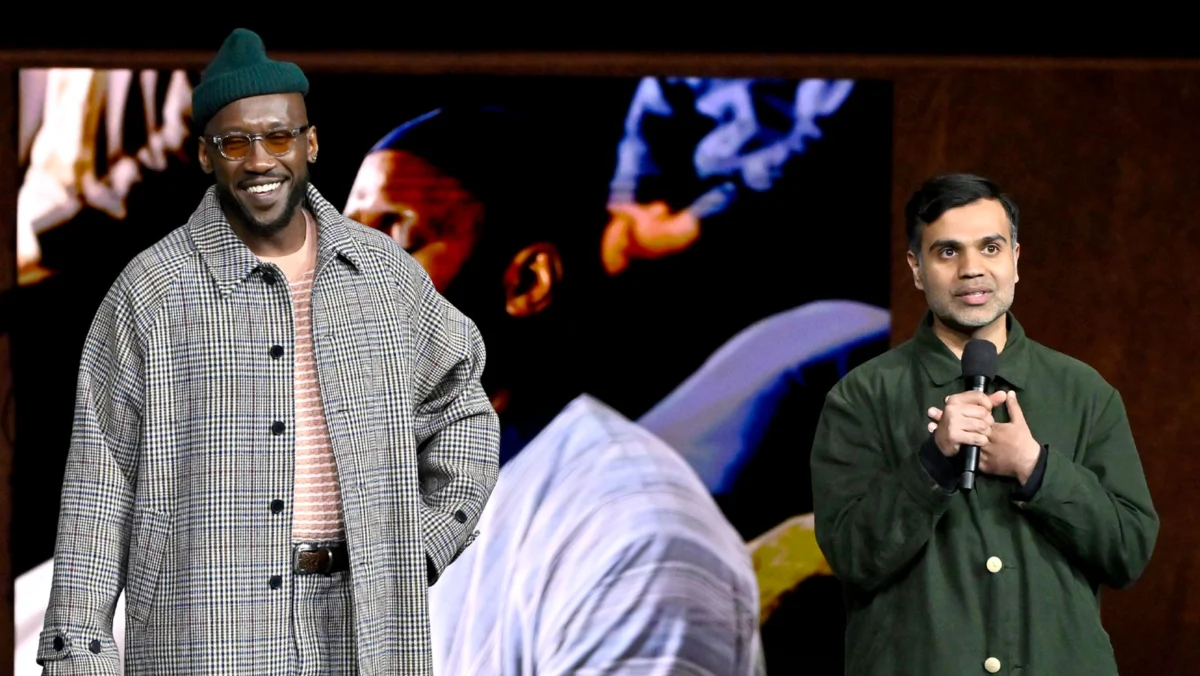
Furthermore, Tariq’s relationship with Mahershala Ali survived the Blade collapse. The duo transitioned their creative energy into Your Mother Your Mother Your Mother, allowing them to finally collaborate on terms defined by artistic freedom rather than corporate mandates. Tariq praised Ali’s dedication and selflessness as an actor on the indie set:
“I’m blessed that Mahershala came along on this journey with me. The fights, I didn’t expect him to nail it on the first try. I think it was unexpected for him too, since he’d never done it before,” Tariq noted. “What really blew me away was how he conducted himself with other actors. Sometimes actors can get greedy and want to make sure they give their best performance when the cameras are on them, and not be present when they aren’t.”
Implications for the Future of Franchise Filmmaking
Bassam Tariq’s public post-mortem on Blade carries significant implications for how major studios like Marvel approach talent acquisition and project development. For years, the prevailing wisdom in Hollywood was that rising indie auteurs should jump at the chance to helm massive intellectual properties (IPs), trading creative control for blockbuster budgets and global exposure.
However, a string of high-profile departures across the industry—including directors leaving Marvel, Star Wars, and DC projects—suggests a paradigm shift. Directors are increasingly recognizing that the price of admission for a blockbuster franchise often involves sacrificing their artistic voice, dealing with unfinished scripts rushed into production, and bearing the brunt of actors’ frustrations when narrative promises go unfulfilled.
Tariq’s uncompromising stance highlights a necessary recalibration within the industry. By choosing to walk away from a guaranteed payday and high visibility in favor of personal integrity and script control, Tariq has set a precedent for how filmmakers can protect their reputations.
For Marvel Studios, Tariq’s comments serve as a cautionary tale about the perils of the "release-date-first, script-later" mentality. As the studio attempts to course-correct its production pipelines, slow down its release schedule, and refocus on quality over quantity, the lessons learned from the Blade debacle may force executives to grant filmmakers the very autonomy Tariq demanded.
Ultimately, Tariq’s journey proves that walking away from a toxic or incompatible corporate framework is not a career death sentence, but rather a vital step toward more authentic, meaningful storytelling. Whether Blade ever finally makes it to the big screen remains to be seen, but Bassam Tariq has already moved on to greener, more creatively fulfilling pastures.