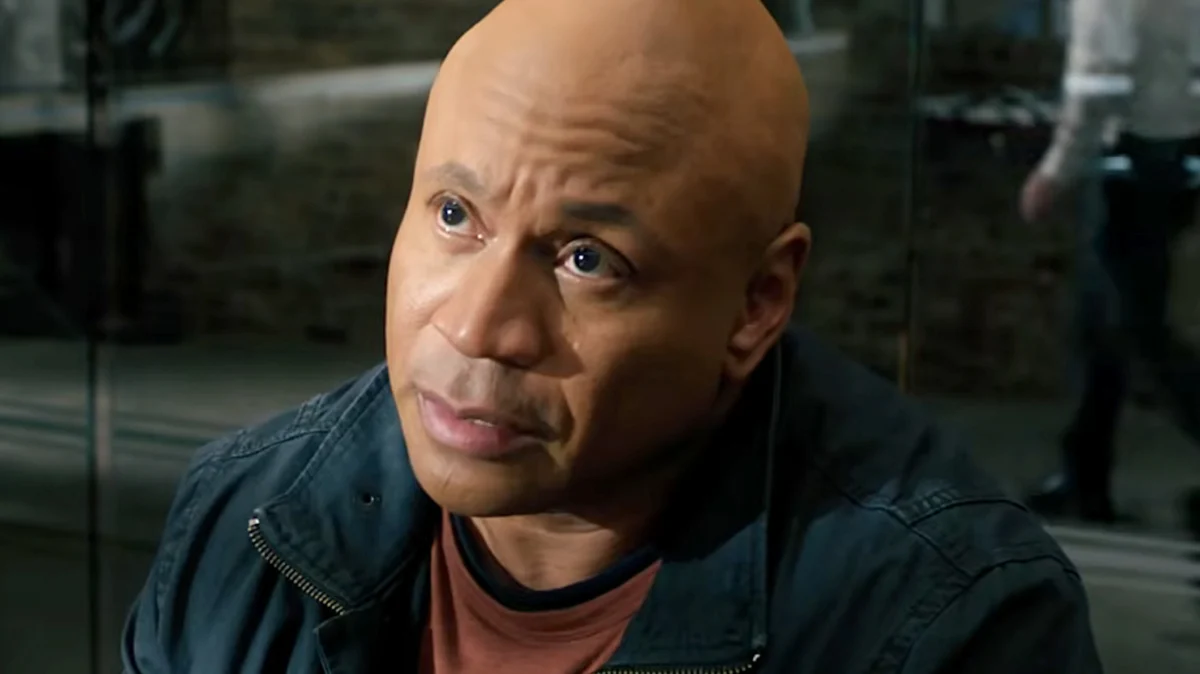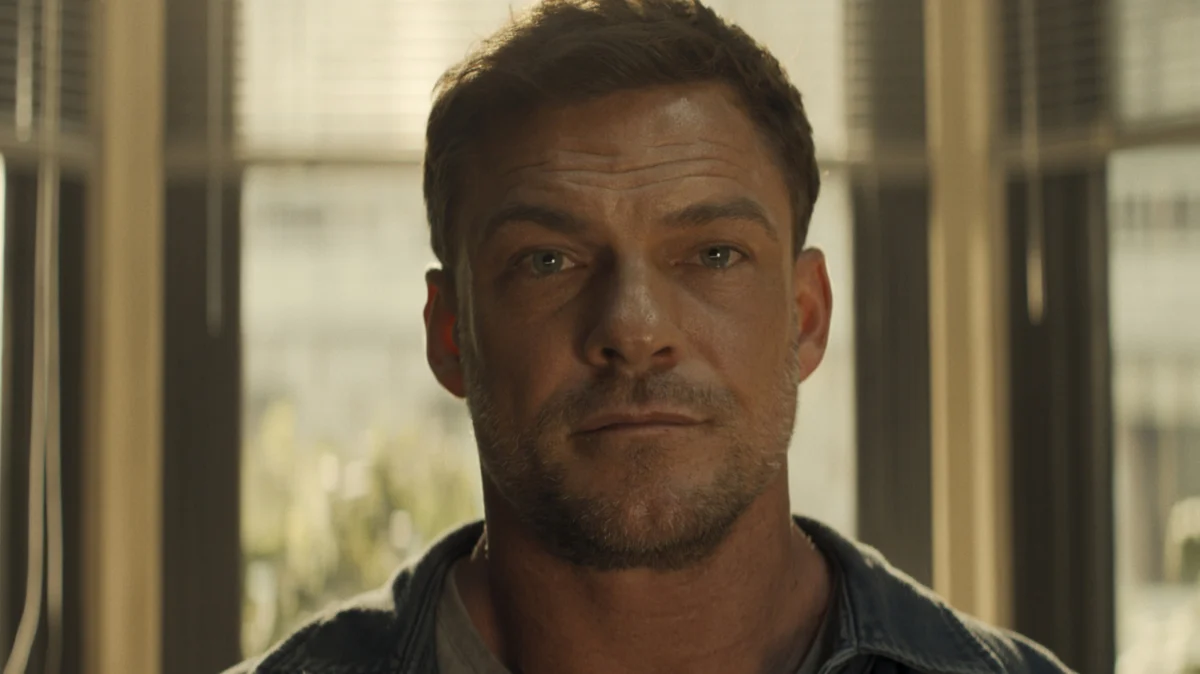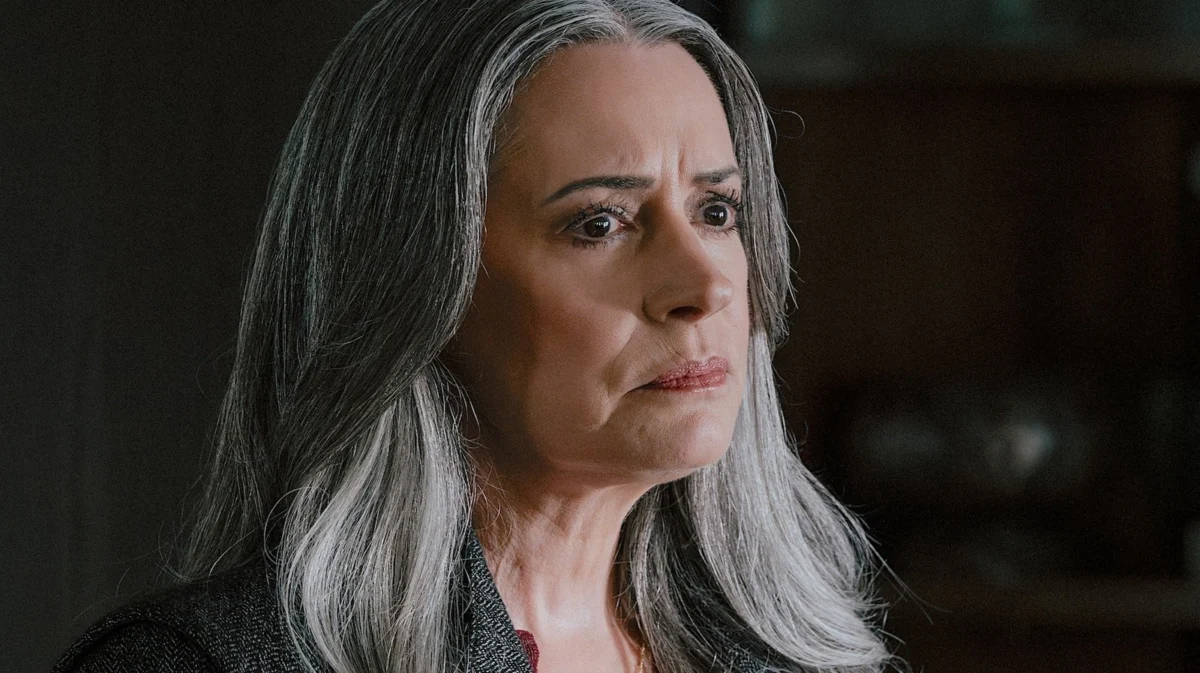
After two decades of tracking the nation’s most elusive serial killers, the Behavioral Analysis Unit (BAU) is officially hanging up its badge. In a development that marks the end of one of the most resilient franchises in television history, it has been confirmed that Criminal Minds will conclude its run with the upcoming 20th season on Paramount+.
The announcement brings a definitive close to a narrative journey that began in 2005 on CBS and evolved into a gritty, serialized powerhouse on the streaming platform Paramount+. For millions of viewers, the BAU team was more than just a procedural ensemble; they were fixtures of a weekly ritual that defined the landscape of network crime drama for twenty years.
The Legacy of the BAU: A Chronological Journey
The odyssey of Criminal Minds began during the mid-2000s, a golden age for the procedural format. When the show premiered on CBS in September 2005, it offered a distinct twist on the genre. Rather than focusing on forensic science—the hallmark of the CSI franchise—Criminal Minds prioritized the psychological "profile." Led by the brilliant but tormented Jason Gideon (Mandy Patinkin), the show invited audiences into the dark, labyrinthine minds of serial offenders, exploring the "why" behind the "what."
The CBS Era (2005–2020)
The series quickly cemented its place in pop culture, running for 15 successful seasons on CBS. Over the years, the show underwent numerous cast shifts, a common occurrence in long-running procedurals. When Mandy Patinkin departed in Season 3, the transition was expertly managed with the introduction of Joe Mantegna’s David Rossi, a character who would become the heartbeat of the show for the following seventeen years.
Throughout its tenure on network television, the series weathered criticism for its dark subject matter while simultaneously earning praise for its tight-knit ensemble cast, featuring staples like Paget Brewster (Emily Prentiss), A.J. Cook (Jennifer "JJ" Jareau), and the fan-favorite technical analyst, Penelope Garcia, played by Kirsten Vangsness. The show’s popularity spawned two spinoffs: Criminal Minds: Suspect Behavior (2011) and Criminal Minds: Beyond Borders (2016–2017), neither of which achieved the longevity of the original series.
The Paramount+ Evolution (2022–2025)
Following the conclusion of its CBS run in 2020, the franchise remained dormant for only two years. In 2022, the series was resurrected on Paramount+ as Criminal Minds: Evolution. This iteration shifted the format from a "case-of-the-week" structure to a serialized, season-long arc, allowing for deeper character development and darker, more complex storytelling.
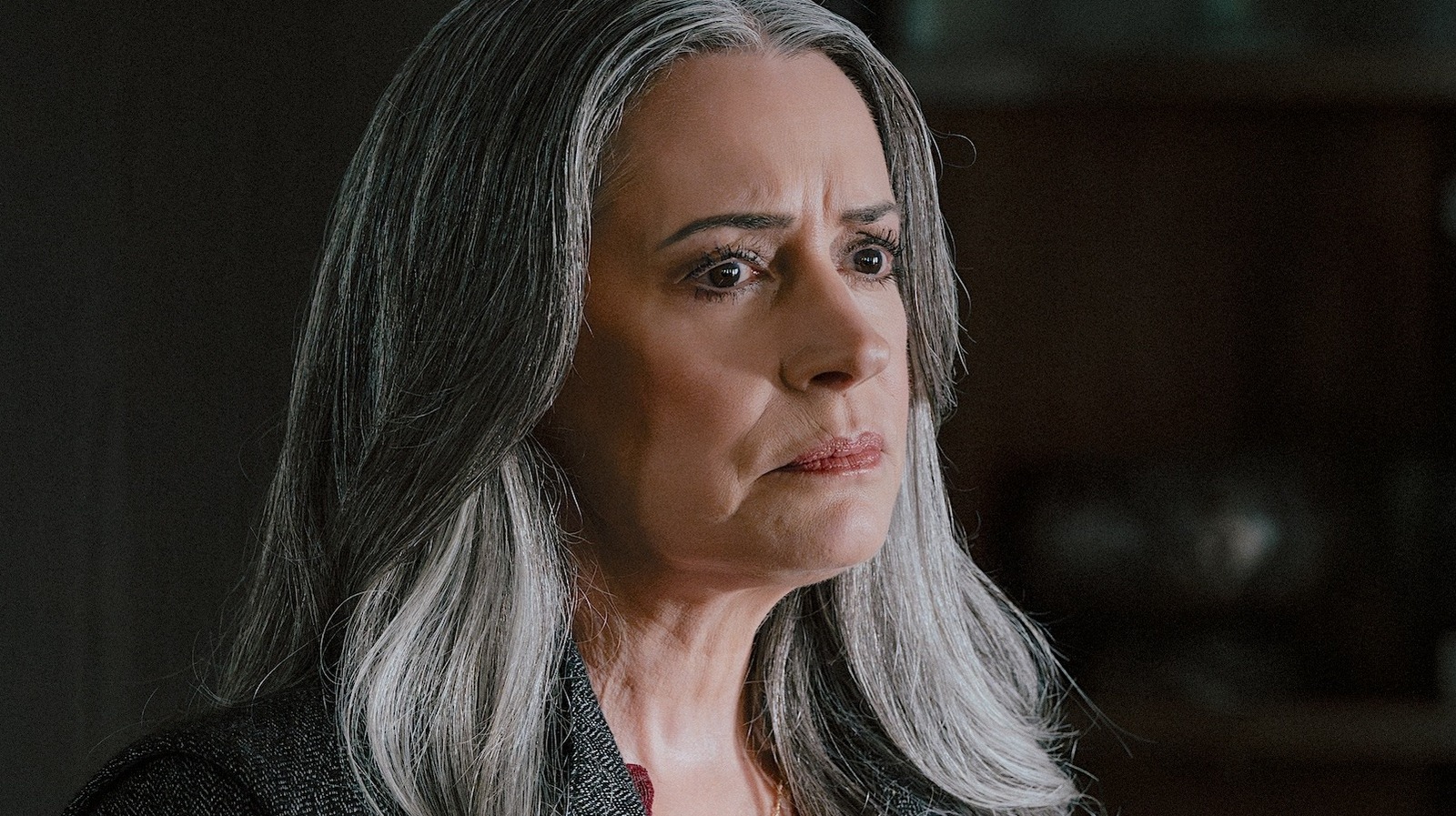
While the show maintained its core cast, notable absences—most prominently Matthew Gray Gubler (Spencer Reid)—were felt by the fanbase. Despite these shifts, Evolution proved that the appetite for the BAU remained high, earning a renewal for a 20th season back in March, well ahead of the Season 19 premiere.
Official Statements and Production Context
The news of the cancellation arrived with a mix of finality and appreciation from those who guided the ship for two decades. Showrunner Erica Messer, who has been an integral part of the show’s DNA, released a statement reflecting on the emotional weight of the decision.
"It’s hard to put into words what Criminal Minds has meant to all of us who have been fortunate enough to be part of this extraordinary journey, first on CBS for 15 seasons and then on Paramount+ for five," Messer noted. "While suddenly navigating the end of this chapter, I’m filled with gratitude for our remarkable cast, writers, directors and crew who have poured their hearts into this show, and for the incredible fans around the world whose unwavering loyalty has kept Criminal Minds going for two decades."
Messer emphasized that the upcoming final season is not just a conclusion, but a celebration. "We’re looking forward to sharing Season 20 with everyone, and celebrating the legacy of this special show we’ve all built together."
Supporting Data: Why ‘Criminal Minds’ Remained an Outlier
To understand why a show lasted for 20 seasons, one must look at the specific metrics of its success. In an era where television shows are often canceled after one or two seasons, Criminal Minds functioned as a "sticky" brand.
- Syndication Dominance: Throughout its CBS years, Criminal Minds was a titan of syndication. Its ability to be watched out of order made it a staple of cable television blocks and eventually a top-performer on streaming platforms like Netflix, where it consistently ranked as one of the most-watched series in the world.
- Character Loyalty: The show prioritized the emotional lives of the profilers as much as the crimes they solved. Fans were deeply invested in the "family" dynamic of the BAU. The camaraderie between Garcia and Derek Morgan (Shemar Moore) or the mentor-mentee relationship between Rossi and his team created a parasocial bond that kept viewers returning for nearly 400 episodes.
- The "Evolution" Pivot: By transitioning to a streaming format, the show successfully modernized. The jump to Paramount+ allowed for more mature content, longer runtime, and serialized storytelling that better suited the "binge-watching" habits of the modern audience.
Implications of the Cancellation
The end of Criminal Minds signals a broader shift in the television industry. We are seeing a decline in the "legacy procedural." As networks and streamers pivot toward shorter, high-concept, limited-series models, the "20-season procedural" is becoming a relic of the past.
Impact on Paramount+
For Paramount+, the loss of Criminal Minds: Evolution is significant. The show was a cornerstone of their original content strategy, acting as a bridge between older, legacy audiences and younger streamers. Losing such a reliable performer leaves a void in the platform’s crime-drama library, potentially signaling a shift in their programming strategy toward new IP or different genres entirely.
The Fan Perspective
For the fans, the "Case Closed" status brings a sense of grief. Long-running shows become part of the background noise of life; they are there through life events, job changes, and shifts in the global landscape. The closure of the BAU is, for many, the loss of a familiar comfort. However, the legacy of the show is firmly established. 20 seasons of television is an achievement that fewer than a dozen scripted series have ever accomplished in the history of the medium.
Looking Ahead: The Final Season
As production gears up for the final outing, speculation is high regarding how the show will wrap up. Will there be guest appearances from departed cast members? Will the show offer a definitive ending to the lives of our protagonists, or leave the door slightly ajar for future installments?
While the official word is that this is the end, the history of television has taught us that successful brands rarely stay dead forever. For now, however, the focus is on the mission at hand. The BAU has faced everything from unhinged serial killers to government conspiracies, and as they prepare for their final case, the narrative focus will surely be on the legacy of the team.
The 20th and final season is expected to arrive on Paramount+ sometime next year. Until then, the series remains one of the most significant pillars of 21st-century television, a testament to the power of character-driven storytelling and the enduring fascination with the dark side of the human psyche.
The badge is being turned in, but the profiles will remain in the cultural lexicon for years to come. Whether you were a day-one viewer who tuned in on CBS in 2005 or a recent convert who binged the Evolution seasons, the end of Criminal Minds marks the closing of a chapter that has spanned a generation.