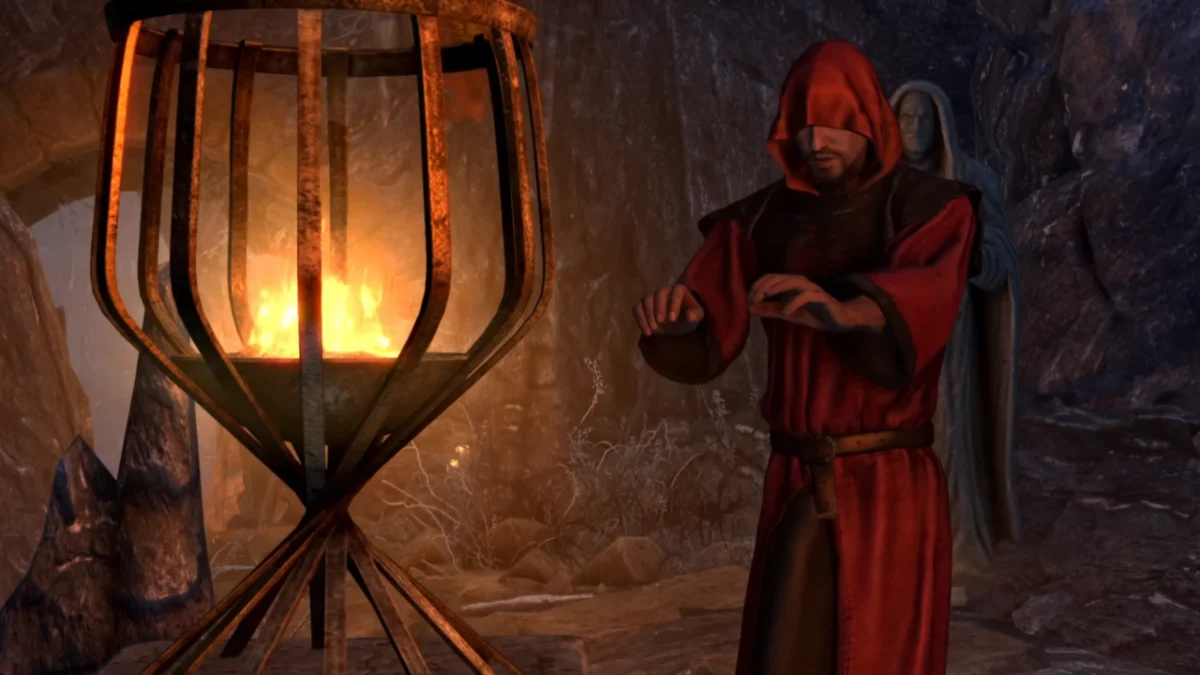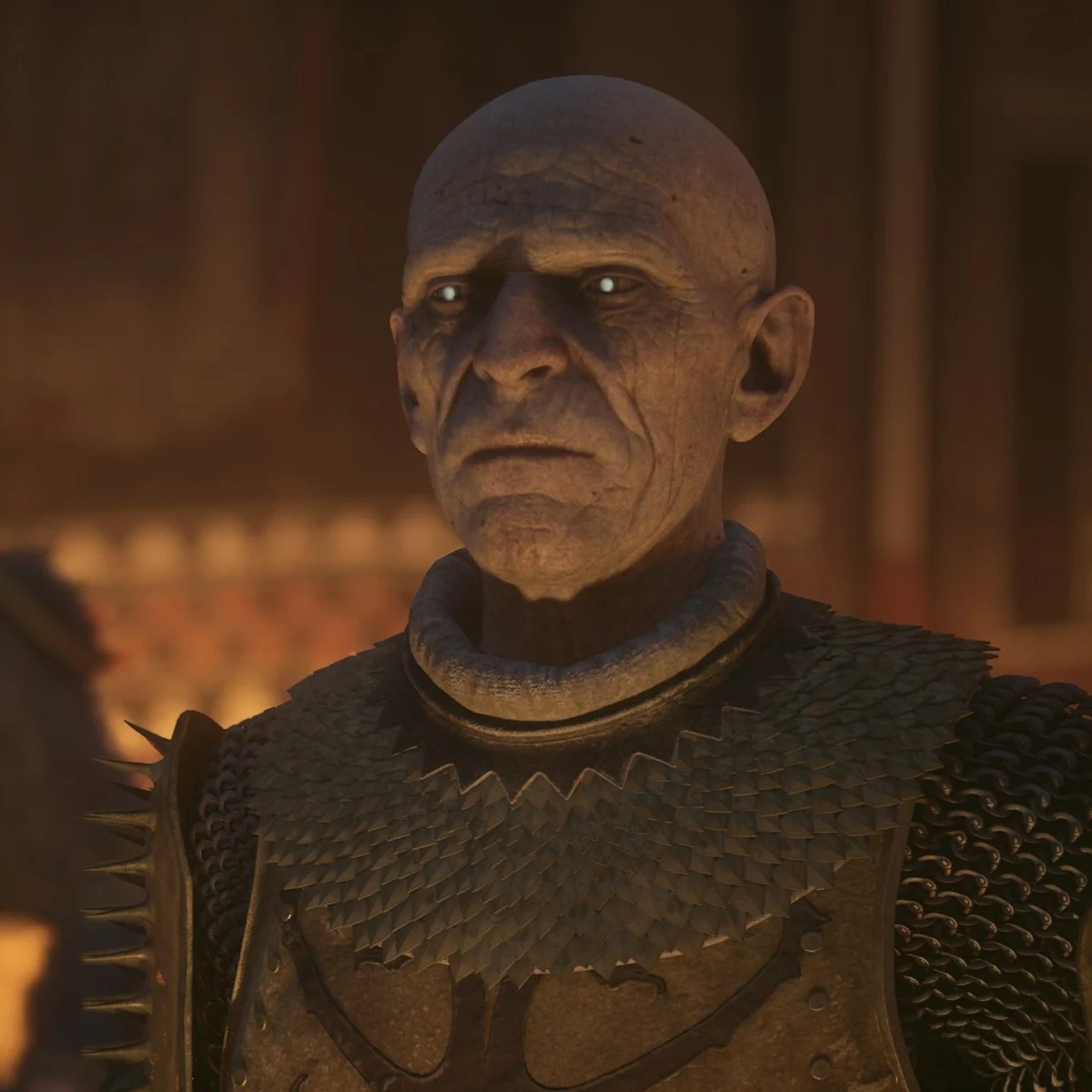
When Rebel Wolves released The Blood of Dawnwalker, the studio set out to challenge traditional role-playing game conventions. Chief among these innovations was a ticking-clock mechanic that restricted the protagonist Coen’s actions through a finite, highly valuable resource: time. While critics praised the system for injecting a palpable sense of urgency and narrative consequence into the early hours of the adventure, a vocal segment of the player base viewed the restriction as an unwelcome barrier.
Within days of launch, community backlash manifested most prominently on Nexus Mods, where the "Better Story Timer"—a modification designed to strip away the time pressure entirely—became the most downloaded add-on for the game. As the studio looks toward a newly confirmed sequel, the debate surrounding The Blood of Dawnwalker has ignited a broader industry conversation about player freedom, narrative pacing, and the enduring friction between open-world exploration and strict design loops.
Main Facts: The Mechanic, the Mod, and the Studio’s Stance
At the heart of the discussion is The Blood of Dawnwalker’s core system, which forces players to weigh every investigative lead, side quest, and moment of exploration against a persistent background countdown.
- The Core Mechanic: Players step into the shoes of Coen, navigating a world where time is a heavily constrained asset. Unlike traditional sprawling RPGs that allow players to wander indefinitely without narrative penalty, Dawnwalker uses its time pressure to heighten the stakes of the main plot.
- The Player Backlash: While reviewers noted that the system successfully created immediate narrative momentum, many players felt frustrated by their inability to engage in relaxed exploration, resource gathering, or sprawling side content without sacrificing main story progress.
- The Modding Community’s Intervention: The release of the "Better Story Timer" mod offered an immediate solution for purists of the "do-everything-at-your-own-pace" school of play, skyrocketing to the top of Nexus Mods’ charts almost overnight.
- Developer Response: Rebel Wolves CEO and game director Konrad Tomaszkiewicz has defended the intended design balance, noting that the game allows players to experience roughly 80 percent of its content even with the timer active. However, he also acknowledged that future projects will not blindly force the mechanic if it does not fit the narrative.
Chronology of Events: From Launch to Sequel Development
The trajectory of The Blood of Dawnwalker has moved at a breakneck speed, echoing the hurried nature of its own gameplay loop.
- Pre-Launch Anticipation: Rebel Wolves—founded by industry veterans, including former developers from CD Projekt Red—marketed The Blood of Dawnwalker as a narrative-driven, dark fantasy RPG that would refuse to hold players’ hands, teasing unconventional structural choices.
- Launch Week: The game debuted to generally positive reviews, with critics highlighting its atmospheric world-building and strong writing. However, the time restriction immediately became the dominant talking point within community forums and review spaces.
- The Modding Wave (Days 1–5): PC players quickly engineered workarounds. The "Better Story Timer" arrived on Nexus Mods within days, effectively neutralizing the game’s central design pillar for thousands of users.
- Post-Launch Reflection (Weeks 1–2): As players completed the campaign, public sentiment began to shift. Studio leadership noted a drop-off in complaints, suggesting that initial panic over the timer subsided once players realized the game was more forgiving than it initially appeared.
- Sequel Announcement: Capitalizing on the game’s launch momentum, Rebel Wolves announced they are already looking to the future of the franchise, actively recruiting a lead writer to "craft the next chapter in the Dawnwalker saga" less than two weeks after the original game hit shelves.
Supporting Data: Balancing Freedom and Consequence
To understand the controversy, one must examine how modern RPG players interact with virtual worlds. Historically, titles like The Witcher 3: Wild Hunt or The Elder Scrolls V: Skyrim have trained audiences to expect absolute temporal autonomy. In these games, players can ignore a burning village for weeks of in-game time to collect rare flora (such as The Witcher’s infamous nirnroot equivalents) or play card minigames like Gwent.
Dawnwalker disrupted this expectation. Yet, according to Rebel Wolves’ internal balancing, the system was never designed to lock players out of the vast majority of the experience. Tomaszkiewicz revealed that meticulous balancing ensures roughly 80 percent of the game’s total content remains accessible under standard playthrough conditions.
Furthermore, the studio argues that the frustration stems from a broader psychological desire to "see everything in a single run"—a luxury that modern RPG design has increasingly tried to dismantle. Tomaszkiewicz drew direct parallels to classic choice-and-consequence architecture:
"The arguments of, ‘I want to see everything in one playthrough,’ I understand, but it’s false to begin with, because even in games like The Witcher, you cannot see everything in one playthrough because you have choices and consequences."
Industry history supports this philosophy. Critical darlings like CD Projekt Red’s The Witcher 2: Assassins of Kings famously split its entire second act based on a single, irreconcilable player choice, effectively cutting off access to half the game’s environments and quests on any given playthrough. Similarly, Obsidian Entertainment’s critically acclaimed 2022 historical mystery Pentiment relied on strict, unforgiving time limits to force players to live with the consequences of their investigations.
Official Responses: Konrad Tomaszkiewicz on Design Philosophy
In his interview with Eurogamer, Konrad Tomaszkiewicz addressed the friction head-on, displaying a pragmatic attitude toward both the community’s mods and the studio’s future design philosophy.
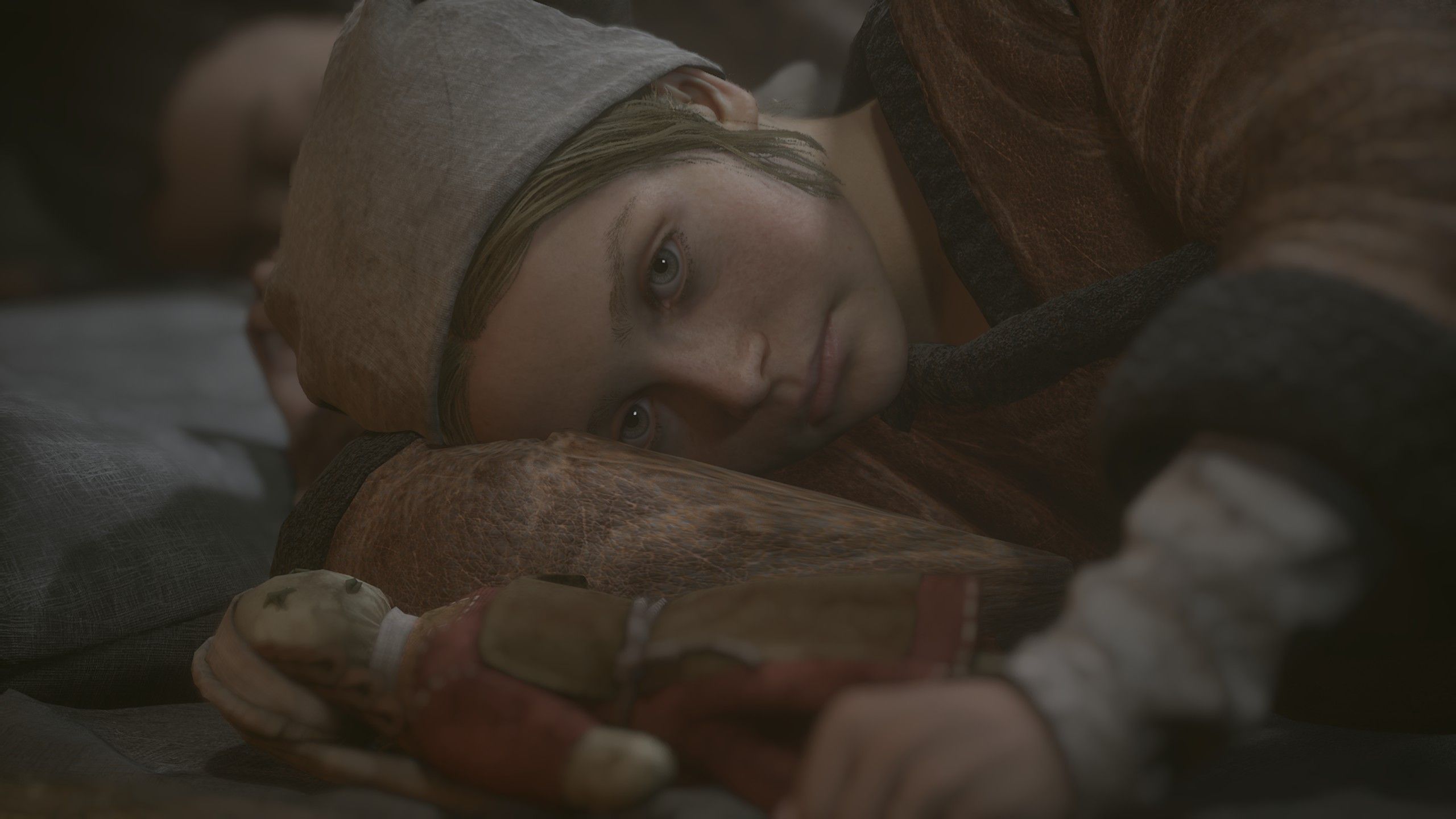
Tomaszkiewicz made it clear that while Rebel Wolves believes deeply in the creative value of the time mechanic, they are not dogmatic about its mandatory inclusion in future installments.
"We will play with it. If we will have parts of the story, or the whole story, to which it fits, then we will use it," Tomaszkiewicz explained. "If we will have stories where it does not fit, we will not force it. We will play with this system and we will try to use it to boost the urgency of some events in the game. But I’m not saying that in every game we will have the same scheme or loop—it’s not like this."
Regarding the swift creation of mods to bypass his team’s careful balancing, Tomaszkiewicz expressed zero animosity. He noted that accessibility and player agency extend to how people choose to experience the software on their own terms:
"There will always be people who will have a problem with that because they don’t like time mechanics at all, but I think that is fine. They can download the mod and play without it if they want."
He also observed a predictable pattern regarding the complaints: as players pushed past the stressful early hours and actually finished the campaign, the outcry naturally diminished. The initial panic over a perceived impossible race against the clock gave way to the realization that the game’s breathing room was wider than anticipated.
Implications for the Future of the Franchise and the RPG Genre
The Dawnwalker time-pressure saga carries significant implications for Rebel Wolves as they embark on the development of the franchise’s second chapter.
1. Evolving Studio Design
By confirming that future titles will evaluate the timer mechanic on a case-by-case basis, Rebel Wolves has signaled that they are listening to the market without compromising their artistic vision. The studio has avoided an outright rejection of pressure mechanics, preserving the tool for stories that demand high-stakes urgency while remaining flexible enough to drop it for more leisurely narratives.
2. The Modding Safety Net for Creative Risks
The rapid deployment and massive popularity of the "Better Story Timer" underscore the vital role that PC modding communities play in modern game design. Mods act as a shock absorber for developers willing to take bold, polarizing creative risks. Knowing that modders can sand down the sharpest edges of a difficult design choice may encourage more studios to experiment with unconventional gameplay loops.
3. Redefining "Player Choice"
The debate highlights a growing philosophical divide in RPG development. On one side are players who view open-world games as sandboxes for complete completionist mastery; on the other are developers who view role-playing games as finite narratives shaped by sacrifice, limitation, and hard choices. As Rebel Wolves searches for a new lead writer to shape the next chapter of the Dawnwalker saga, the lessons learned from Coen’s race against time will undoubtedly influence how future stories balance player comfort against dramatic tension.