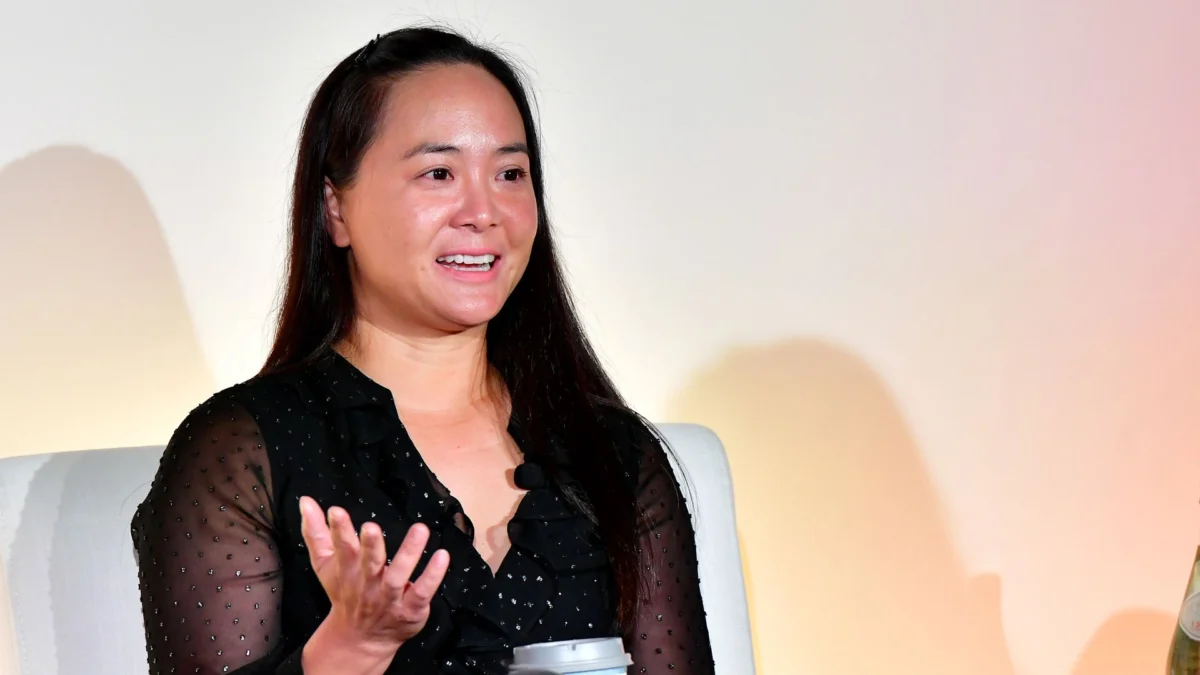
BEVERLY HILLS, CALIFORNIA — In the high-stakes world of corporate technology and video game publishing, few exits have raised as many eyebrows as the sudden departure of Helen Chiang from Microsoft. After a stellar, two-decade career scaling the ranks of the tech giant—culminating in her appointment as Xbox’s inaugural Chief Operating Officer during a sweeping corporate restructuring—Chiang vanished from the organizational chart just three months later.
Now, following weeks of speculative whispers, damaging anonymous leaks, and corporate silence, Chiang has officially broken her silence. Taking to LinkedIn to address the narrative surrounding her exit, the veteran gaming executive has pushed back sharply against rumors alleging she was terminated for policy violations, leaving the broader games industry to reckon with troubling questions about corporate governance, accountability, and internal transparency at Microsoft.
Main Facts: The Rise and Abrupt Fall of an Xbox Veteran
The crux of the controversy centers on the meteoric rise and equally dizzying descent of one of Microsoft’s most established leaders. In July, amidst a massive brand "reset" that included widespread restructuring, layoffs impacting thousands of workers, and strategic shifts across studios, Microsoft elevated Chiang to the newly minted role of Xbox Chief Operating Officer.
The appointment was designed to streamline operations and project stability. It granted Chiang end-to-end profit and loss (P&L) responsibility spanning content, hardware, platforms, and services. For a company attempting to revitalize its hardware sales, navigate subscription models, and redefine its multi-platform strategy, Chiang was seen as a steady, experienced hand at the wheel.
Yet, by October, the landscape had completely shifted. With almost no internal fanfare or public acknowledgment from top leadership, Chiang was gone from the company. Compounding the shock were anonymous allegations whispered through industry channels claiming she had been ousted due to severe "policy violations."
Chiang’s recent public statement directly confronts these rumors, signaling that she is unwilling to let anonymous character assassinations define her legacy. "This is not how I ever imagined my story here would end," Chiang wrote. "And it is not the whole story."
Chronology of Events: From Landmark Promotion to Quiet Exit
To understand the weight of Chiang’s departure, it is essential to trace the timeline of her tenure and the rapid sequence of events that led to her exit.
- 2007: Helen Chiang officially joins Microsoft, stepping in as the Xbox platform business manager. This marks the beginning of a 20-year career deeply intertwined with the growth and evolution of the Xbox brand.
- 2020: Following years of successful leadership across various operational and strategic units, Chiang is named Corporate Vice President of the Minecraft franchise—one of the most lucrative and culturally significant properties in modern entertainment. She holds this high-profile position for more than six years.
- July: Microsoft enacts a sweeping operational overhaul of its gaming division. As part of this brand "reset," the company introduces the position of Xbox Chief Operating Officer and appoints Chiang to the role, placing her in charge of overarching P&L across content, hardware, platforms, and services.
- October (Three Months Later): Chiang’s tenure as COO comes to an abrupt and unexpected end. An internal memo penned by Xbox CEO Asha Sharma is remarkably restrained, stating simply: "Helen Chiang is leaving Microsoft today. I’m grateful for her years of service and wish her well."
- Post-Departure: Anonymous leaks surface in industry circles, alleging that Chiang’s departure was the result of policy violations.
- Present: Chiang publishes an extensive statement on LinkedIn to "set the record straight," categorically denying policy violations, questioning how company standards were applied in her case, and vowing to protect her hard-earned professional reputation.
Supporting Data: A Legacy Built on Two Decades of Service
To view Chiang’s exit merely as a routine executive shuffle is to ignore the historical weight of her tenure at Microsoft. For over twenty years, Chiang was not just a participant in the gaming industry; she was a core architect of Xbox’s modern identity.
During her tenure managing the Minecraft franchise beginning in 2020, Chiang oversaw an empire. Under her guidance, the sandbox phenomenon expanded across dozens of platforms, pushed educational boundaries with Minecraft Education, spawned multi-platform merchandise lines, and maintained its status as one of the best-selling video games of all time, boasting hundreds of millions of active monthly users.
Furthermore, her promotion to COO in July placed her at the absolute pinnacle of corporate strategy. Prior to her elevation, very few executives held such sweeping, centralized authority over both hardware development and software ecosystem pipelines within Xbox. The sudden termination of such an institutional pillar—someone who had navigated hardware transitions from the Xbox 360 era through the Xbox Series X/S generation—highlights the precarious nature of executive leadership during times of corporate crisis.
Official Responses and Corporate Silence
The divergence in tone between Microsoft’s official statements and Chiang’s personal declarations highlights a widening chasm of perspective regarding her exit.
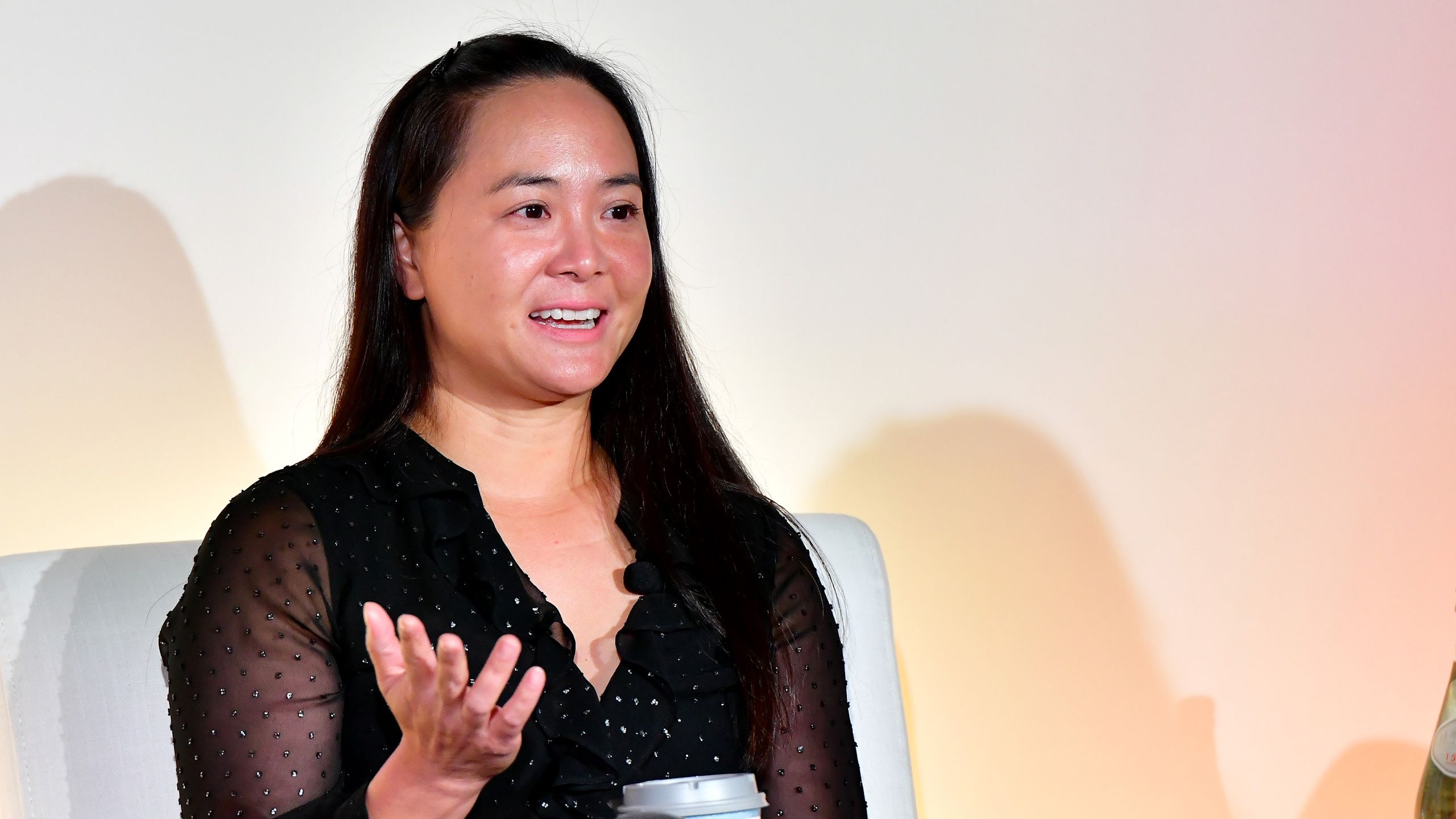
When Chiang’s departure was finalized in October, the internal communications released by Xbox leadership were notable for their brevity. Xbox CEO Asha Sharma’s memo offered standard corporate pleasantries, thanking Chiang for her years of service and offering brief well-wishes. There was no celebratory retrospective detailing her two decades of contributions, nor was there any explicit acknowledgment of the massive organizational restructuring that had created her COO position just three months prior.
In the wake of Sharma’s memo, a vacuum was created—one quickly filled by anonymous claims that Chiang had been "terminated for policy violations." These kinds of leaks can inflict lasting damage on an executive’s career, often leaving them defenseless due to non-disclosure agreements and corporate legal policies.
Chiang’s recent LinkedIn post shattered that silence. Writing to clear her name, she stated: "I share this because I don’t want my departure reduced to an inaccurate story about incompetence, ambition for the next big job, or a Nelson-level scandal. My story is about staying true to your core values, especially when it is hard. That’s the legacy I hope to leave behind."
Crucially, Chiang did not shy away from questioning the internal mechanisms of her former employer. Expressing deep reservations about procedural fairness, she noted: "I believe in fairness, accountability, and holding ourselves to the standards we expect of others. Those standards only mean something when they’re applied consistently. I have serious concerns about how they were applied in my case, and I believe those concerns deserve to be taken seriously."
Industry observers and media outlets have since reached out to Microsoft for formal comment regarding Chiang’s public statements, but as of press time, corporate headquarters has declined to elaborate further on the circumstances of her departure.
Implications: What Chiang’s Exit Means for Xbox and the Gaming Industry
The fallout from Helen Chiang’s departure extends far beyond a single executive personnel file. It arrives at a deeply sensitive time for Microsoft’s gaming division, and it carries several critical implications for the broader industry.
1. Questions Surrounding Corporate Culture at Xbox
Microsoft has spent years attempting to cultivate a progressive, transparent, and employee-first corporate culture—particularly following industry-wide reckonings regarding workplace misconduct and corporate governance across major tech and gaming firms. However, the emergence of anonymous leaks accusing a 20-year veteran of policy violations, contrasted with Chiang’s assertion that standards were inconsistently or unfairly applied, points to potential fractures in internal communication and dispute resolution. When top-tier leaders feel compelled to publicly dispute the narrative propagated around their exits, it suggests underlying tensions between executive staff and corporate HR structures.
2. Instability in Leadership During a Critical Pivot
Xbox is currently navigating one of the most volatile transitional phases in its corporate history. With shifting hardware strategies, a heavier reliance on cross-platform publishing (bringing historically exclusive titles to competing consoles like PlayStation and Nintendo Switch), and massive workforce reductions—including thousands of layoffs earlier in the year—stable leadership is paramount. Losing a newly minted COO who held "end-to-end P&L responsibility" just 90 days into a strategic "reset" introduces unnecessary turbulence into an already delicate turnaround effort.
3. The Weaponization of Anonymous Leaks
Chiang’s decision to speak out sheds light on a toxic trend within corporate America: the strategic leaking of unverified allegations to damage an outgoing executive’s reputation. By preemptively addressing and refuting these claims, Chiang has set a precedent for how high-profile leaders might fight back against whisper campaigns that operate in the gray areas of corporate confidentiality.
Looking Ahead
As Microsoft maintains its official silence, the true story behind Helen Chiang’s departure remains partially obscured behind the corporate veil. Yet, by stepping forward to demand accountability and defend her integrity, Chiang has ensured that her exit will not be swept under the rug as a mere footnote in Xbox’s corporate history.
Whether Microsoft chooses to address her specific concerns regarding fairness and consistency remains to be seen. What is certain, however, is that the ripples of Chiang’s departure will continue to be felt across the corridors of Redmond for a long time to come.