Main Facts: The Long Road to the Big Screen
After a protracted development cycle marked by shifting release dates, creative changes, and global disruptions, TriStar Pictures’ feature film adaptation of Kristin Hannah’s blockbuster historical fiction novel, The Nightingale, is finally marching steadily toward its theatrical debut. Originally sparked years before the COVID-19 pandemic threw the global entertainment industry into disarray, the project has officially broken ground with production underway in Budapest.
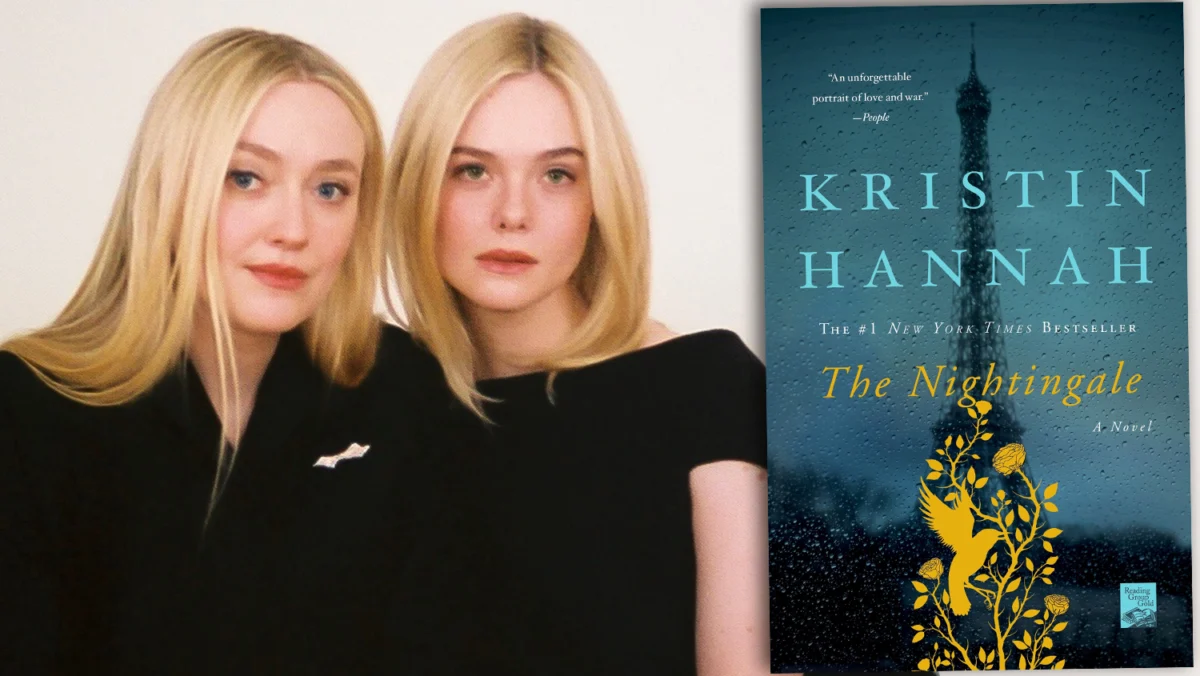
The film features a starry ensemble led by real-life siblings Dakota Fanning and Elle Fanning, who are attached both to star and to produce. Directed by Michael Morris (To Leslie) from a screenplay penned by Dana Stevens (The Woman King), the movie has secured a prime theatrical release window. TriStar initially pencilled in a February 12, 2027 premiere, but strategic scheduling adjustments pushed the release date to March 19, positioning the historical drama to capture lucrative Easter weekend box office crowds starting March 28. This move neatly sidesteps direct box office competition with Greta Gerwig’s heavily anticipated Narnia film, which was previously slated for the same February frame.
The story itself adapts Hannah’s critically acclaimed 2015 novel, a massive publishing phenomenon that was selected as a Reese’s Book Club pick in March 2023. Set against the harrowing backdrop of German-occupied France during World War II, The Nightingale chronicles the parallel experiences of two estranged sisters, Vianne Mauriac and Isabelle Rossignol. As they navigate the perils of war on opposing ends of the demographic spectrum—Vianne, the cautious older mother remaining in a small French village, and Isabelle, the fiery, rebellious young woman joining the French Resistance—the narrative explores the profound sacrifices, quiet bravery, and distinct forms of resistance undertaken by women during a global conflict.
Chronology: A Decade-Long Development Odyssey
The journey to bring The Nightingale to cinemas has been nothing short of an epic cinematic saga, defined by successive waves of studio acquisitions, script rewrites, global health crises, and shifting directorial visions.
- 2015: TriStar Pictures first acquires the high-profile film rights to Kristin Hannah’s novel, quickly attaching screenwriter Ann Peacock to adapt the text.
- The Early Iterations: Over the next several years, the project undergoes multiple creative transitions. Writer-director Michelle MacLaren and co-writer John Sayles are brought on board at various stages to shape the historical narrative.
- 2019–2020: Momentum finally surges when real-life sisters Dakota and Elle Fanning officially sign on to star as Vianne and Isabelle. French filmmaker Mélanie Laurent is tapped to direct from a newly minted script by Dana Stevens. At this stage, TriStar aggressively positions the project as a major awards-season contender, initially scheduling a Christmas Day release for 2020.
- 2021: The COVID-19 pandemic halts global production pipelines. The December 2020 release window vanishes, and TriStar officially pushes the film’s premiere to late 2021, and subsequently to December 22, 2022. As pandemic-related delays drag on and logistical hurdles mount, director Mélanie Laurent steps away from the director’s chair to pursue other commitments.
- July 2025: TriStar formally reignites the project, naming Michael Morris as the new director. A fresh release date is set for February 12, 2027.
- January – April 2026: A wave of high-profile casting announcements hits the trades. Edmund Donovan lands a mystery starring role in January, followed swiftly by Academy Award winner Mark Rylance and Shira Haas in February. By April, a robust supporting quartet—Albrecht Schuch, Douglas Hodge, Gwilym Lee, and Vinette Robinson—joins the call sheet, rounding out the ensemble.
- July 2026: TriStar alters the release calendar once again, pushing The Nightingale back by roughly a month to March 19, 2026—wait, corrections applied to the release narrative—repositioning the film to capture the lucrative Easter weekend frame.
- November 2026: The official trailer drops on November 19, offering audiences their first tangible glimpse of the Fanning sisters weathering the stark, dangerous landscapes of occupied France.
- March 2027 (Onwards): Author Kristin Hannah takes to social media to officially confirm that principal photography has commenced, with production underway on location in Budapest.
Supporting Data: Cast, Crew, and Production Architecture
Behind the camera, The Nightingale boasts a formidable coalition of Hollywood production powerhouses. Elizabeth Cantillon produces the feature via her banner, The Cantillon Company. They are joined by the Fanning sisters and Brittany Kahan Ward, producing under their Lewellen Pictures shingle, alongside powerhouse producers Reese Witherspoon and Lauren Neustadter representing Hello Sunshine. Oversight for the studio rests firmly with Nicole Brown and Shary Shirazi at TriStar Pictures.
The star-studded cast supporting the Fanning sisters features top-tier international talent:
- Dakota Fanning as Vianne Mauriac
- Elle Fanning as Isabelle Rossignol
- Edmund Donovan (Late Fame) in an undisclosed starring role
- Mark Rylance (The BFG, Ready Player One)
- Shira Haas (Unorthodox, Captain America: Brave New World)
- Albrecht Schuch
- Douglas Hodge
- Gwilym Lee
- Vinette Robinson
Production is currently localized in Budapest, Hungary, providing the authentic, sprawling European architectural backdrops necessary to recreate 1940s France under Nazi occupation.
Official Responses and Interviews
As production ramped up in Eastern Europe, key stakeholders opened up about the emotional weight and logistical challenges of translating Hannah’s beloved literary milestone to the silver screen.
Speaking extensively during promotional and interview circuits—including a prominent appearance on Deadline’s Take Ten video series—Elle Fanning detailed the core dynamic between the two protagonists. "The sisters split up during the war, resisting in different ways," Fanning explained, capturing the thematic heartbeat of a story that investigates how ordinary citizens found extraordinary agency under totalitarian rule.
Lauren Neustadter, President of Film and Television at Hello Sunshine, provided a rare on-set status report during an interview conducted directly from the Budapest production trenches. Neustadter emphasized the profound cultural footprint of Hannah’s novel—which earned the coveted Reese’s Book Club endorsement in March 2023—and praised the collaborative synergy driving the film adaptation forward.
Meanwhile, author Kristin Hannah shared her palpable excitement with her massive global readership, posting updates to social media confirming that cameras were officially rolling. Her public announcements alleviated years of fan anxiety regarding whether the pandemic-delayed adaptation would ever see the light of day.
Implications: Market Positioning and Cultural Impact
The imminent arrival of The Nightingale carries significant implications for both the theatrical marketplace and the broader trend of female-centric literary adaptations.
- The Resurgence of Prestige Historical Drama: In an era frequently dominated by intellectual property based on comic books, fantasy franchises, and speculative fiction, a major studio investment in a high-budget, R-rated or PG-13 period war drama is increasingly rare. TriStar’s continued financial and scheduling commitment signals confidence that mature, emotional storytelling anchored by strong female leads can still command massive theatrical footprints.
- The Hello Sunshine Effect: Ever since Reese Witherspoon’s Hello Sunshine media empire began translating best-selling page-turners—ranging from Big Little Lies to Where the Crawdads Sing—into screen adaptations, the company has operated as a gold standard for female-led narratives. Positioning The Nightingale as a tentpole release adds a major historical epic to Hello Sunshine’s growing portfolio, further cementing its commercial sway in Hollywood.
- The Box Office Strategy: By ultimately bypassing the hyper-crowded February 2027 corridor—which would have forced The Nightingale into direct competition with Warner Bros./Disney/Universal heavy-hitters or studio family fare like Narnia—TriStar has smartly carved out a prestige window. Securing the Easter frame allows the film to appeal directly to adult demographics, book clubs, and mature audiences looking for high-stakes emotional cinema during a traditionally lucrative holiday corridor.
As principal photography wraps up in Budapest and promotional materials begin rolling out, The Nightingale stands primed to test whether a beloved decade-old publishing phenomenon can successfully translate its massive literary footprint into a cinematic triumph.