For moviegoers, the IMAX experience is synonymous with immersion. The towering screens, the crystalline resolution, and the bone-rattling audio create an atmosphere that standard multiplexes struggle to replicate. Yet, for the cinematographers and sound engineers tasked with capturing that imagery, the "IMAX experience" is often synonymous with a very specific, high-decibel mechanical nuisance.
While the digital revolution has rendered the modern film set largely silent, the world of 70mm IMAX filmmaking remains tethered to a loud, clunky, and physically demanding reality. To understand why IMAX cameras are so notoriously loud, one must peel back the curtain on the engineering marvels that drive the most immersive format in cinematic history.
The Mechanics of Magnitude: Main Facts
The noise produced by an IMAX camera is not a design flaw; it is a byproduct of pure, raw physics. Traditional 35mm cameras are relative whispers compared to their 70mm counterparts. The IMAX format, specifically the 15/70 process, requires moving a massive amount of physical film through the gate at incredible speeds.
Unlike standard film cameras that pull film vertically, IMAX cameras pull 65mm negative film horizontally. Each frame spans 15 sprocket holes, as opposed to the standard four or five. This massive physical footprint results in an image roughly ten times the surface area of a standard 35mm frame.
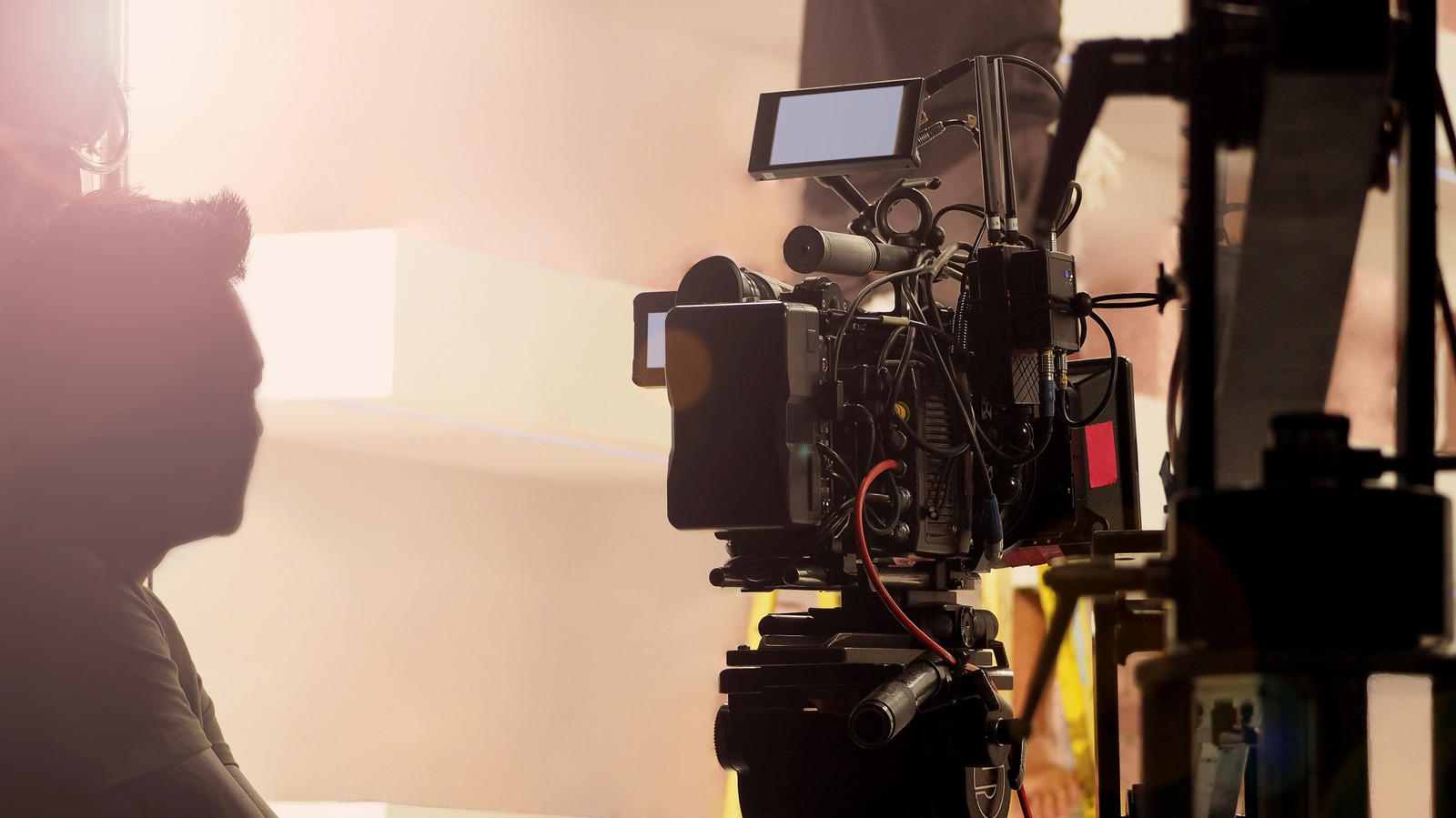
Because the camera must expose 24 of these massive frames every single second, it must advance 5.6 feet of film per second—or 336 feet per minute. To achieve this, the camera’s internal motors must exert significant force to start, stop, and hold the film perfectly flat for each exposure. This rapid, high-torque mechanical cycle creates a distinct, rhythmic "clatter" that is the bane of any location sound recordist.
A Chronology of the 15/70 Format
The history of IMAX is one of unwavering commitment to size. Developed in the late 1960s, the format was designed to solve the problem of image degradation when projected onto massive screens.
- 1970: The first IMAX film, Tiger Child, premiered at Expo ’70 in Osaka, Japan. The camera systems were essentially massive, custom-built mechanical behemoths designed to handle the 15/70 film stock.
- The 1980s and 90s: IMAX evolved from specialized museum and science center documentaries into a niche technical standard. During this period, the cameras remained largely unchanged in their basic mechanical operation. The "whine" and "clatter" became a well-known hurdle for documentary crews working in quiet environments.
- The Christopher Nolan Effect (2000s–Present): With the release of The Dark Knight (2008), the industry saw a shift. Nolan’s insistence on using IMAX film for major narrative features brought the limitations of the hardware into the public eye. Behind-the-scenes footage from sets like The Dark Knight Rises and Oppenheimer revealed sound crews struggling to manage the acoustic footprint of these cameras.
- The Modern Era: The introduction of the IMAX "Keighley" camera signals a new phase. By integrating advanced materials and internal sound-dampening, IMAX is attempting to modernize the 15/70 workflow to allow for synchronized dialogue recording.
Supporting Data: The Cost of Quality
The logistical burden of these cameras is staggering. A standard 1,000-foot magazine of IMAX film—which provides only about three minutes of shooting time—weighs significantly more than a standard 35mm load.
When you factor in the vacuum system, the motor housing, and the film magazines, the weight of the apparatus can balloon to between 250 and 300 pounds. This is not a "run-and-gun" setup. It requires specialized cranes, heavy-duty dollies, and a small army of technicians to operate.
The vacuum system, which is essential to keep the film from curling, adds a secondary layer of acoustic pollution. The vacuum pump operates at a high frequency, creating a persistent, high-pitched hum. If the vacuum pressure fails, the film curls, the plane of focus is ruined, and the take is rendered unusable. Consequently, the vacuum is non-negotiable, meaning the "whine" is a permanent soundtrack to every IMAX set.
Official Perspectives and Industry Adaptations
IMAX Corporation has long acknowledged that their cameras are not built for quiet intimacy. However, the company has pivoted its strategy to address the "digital shift."
In recent years, IMAX has leaned heavily into the "Filmed for IMAX" initiative. By certifying high-end digital cameras (such as the ARRI ALEXA 65), IMAX allows directors to achieve a "large format" look without the mechanical noise of 70mm film.
"We are constantly evaluating how to balance the fidelity of 70mm film with the practical needs of modern directors," a spokesperson for the company noted in recent technical briefings. The debut of the "Keighley" camera, named after IMAX’s Chief Quality Officer David Keighley, represents the company’s direct response to directors like Christopher Nolan, who demanded a quieter, more agile film camera for The Odyssey.
While the Keighley camera is a monumental improvement, it remains an outlier. For most productions, the noise remains a "cost of doing business." Production sound mixers often rely on ADR (Automated Dialogue Replacement) to "fix it in post," essentially discarding the audio captured on set in favor of cleaner studio recordings.
Implications for the Future of Filmmaking
The noise of the IMAX camera raises a fundamental question: Is the aesthetic superiority of 70mm film worth the massive technical overhead?
The Death of the "Small" Set
The inherent noise of the camera dictates the scene. Because the cameras are so loud, directors are forced to use them only for wide shots, action sequences, or scenes where dialogue is secondary. If a scene requires a quiet, emotional whisper, the production will likely switch to a silent digital camera. This creates a disjointed workflow where the "visual language" of the film shifts based on the limitations of the hardware.
The Rise of Digital Emulation
As digital sensors continue to improve, the "IMAX look" is becoming increasingly reproducible. Digital cameras are silent, lightweight, and can shoot for hours without a reload. The implication is clear: unless IMAX finds a way to make 70mm cameras as quiet as digital ones, film-based IMAX will likely remain a boutique, artisanal choice rather than an industry standard.
The Preservation of Craft
Despite the noise, there is an artistic argument for the 15/70 format. The mechanical "rattle" is the sound of a physical process—a tangible connection to the history of cinema. For purists, the noise is a reminder that the image on screen is a product of light hitting real chemical emulsions, a process that digital sensors, for all their convenience, cannot perfectly replicate.
Conclusion
The IMAX camera is a relic of an analog age, a beautiful, violent, and deafening machine that demands complete submission from a film crew. Its notorious noise is the sound of 336 feet of film being pushed to its physical limit every minute. While engineers continue to wrap these beasts in better blimps and quieter vacuum systems, the mechanical reality of 15/70 film remains loud.
For the foreseeable future, the IMAX experience will continue to be defined by a paradox: to capture the most expansive, silent landscapes on earth, filmmakers must endure one of the loudest, most cumbersome machines ever built. It is a testament to the power of the medium that, despite the rattle and the whine, the industry continues to choose the "beast" over the convenience of the silent digital alternative.