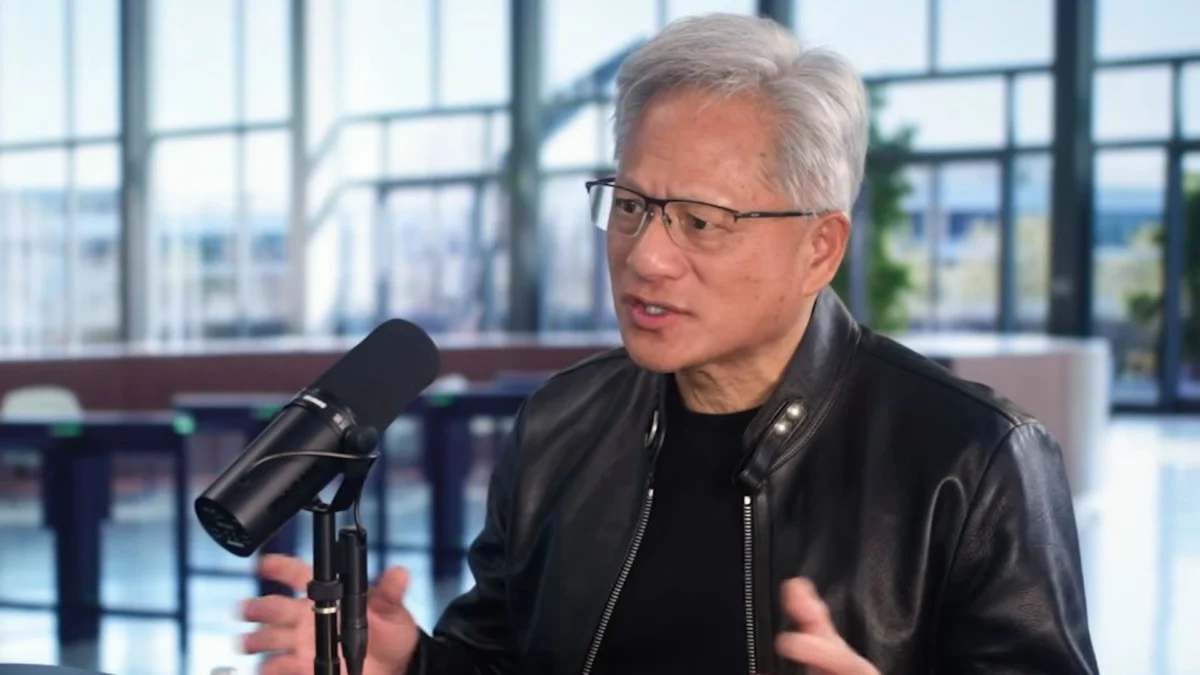
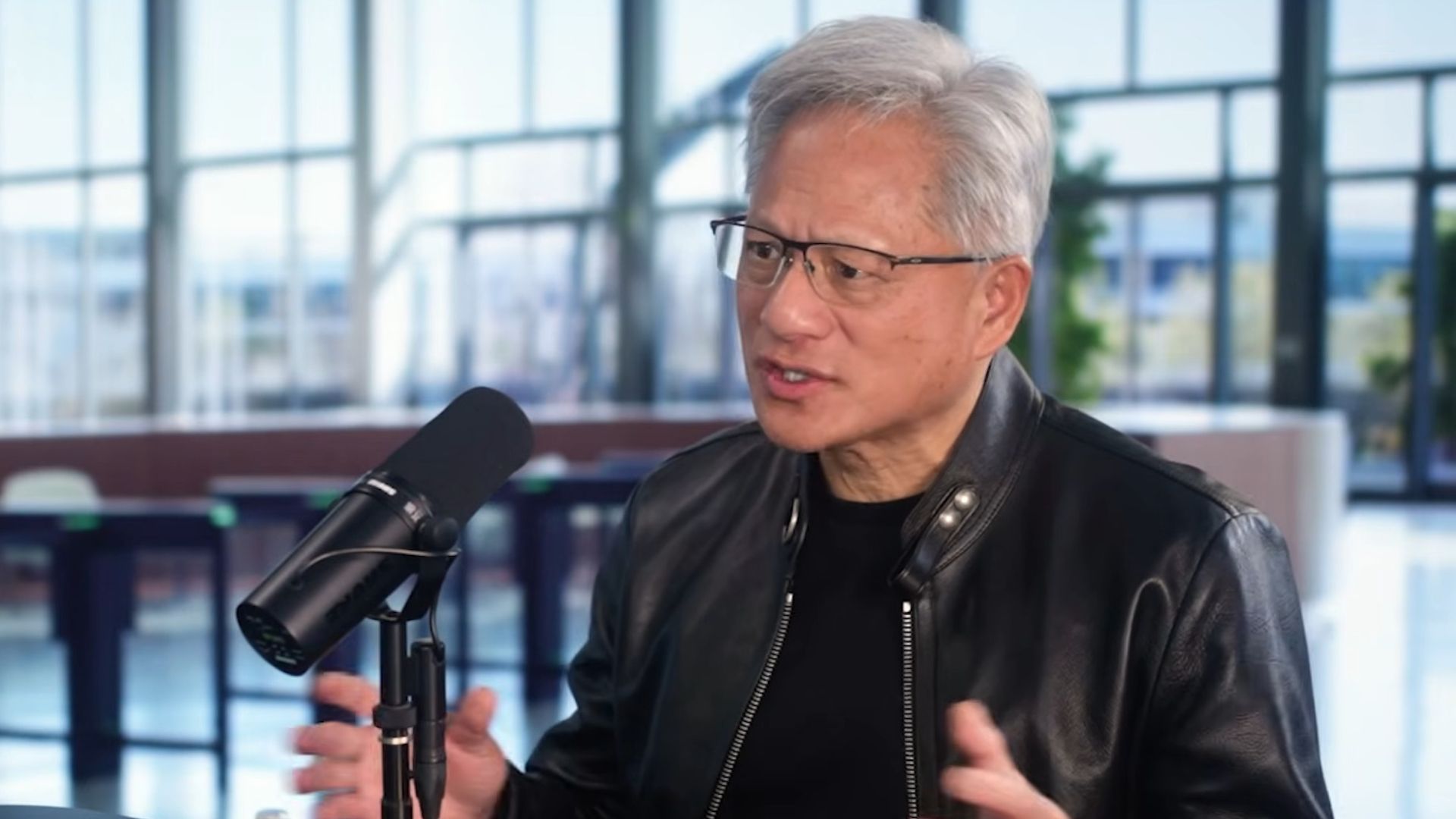
WASHINGTON / SANTA CLARA — In an unfolding geopolitical and corporate thriller that has captured the attention of Wall Street, Washington, and the global technology sector, Nvidia CEO Jensen Huang has returned to the helm of the world’s most valuable chipmaker. However, his reinstatement is clouded by mounting controversies involving high-level espionage connections, allegations of violating strict U.S. export controls, and conflicting narratives between the White House and the corporate boardroom.
The scandal has transformed Nvidia—traditionally viewed as an indispensable engine of the artificial intelligence revolution—into the epicenter of a fierce debate over national security, international trade, and the cozy boundaries separating corporate power from political influence. With Huang scheduled to testify before the United States Senate on Thursday, December 3, the tech industry is bracing for what promises to be a high-stakes legislative reckoning.
Main Facts: The Core of the Controversy
The multi-layered crisis surrounding Jensen Huang and Nvidia involves several intersecting controversies, each carrying profound implications for American national security and corporate governance:
- The Reinstatement and the Boardroom Disconnect: Jensen Huang, recently ousted amid a wave of internal scrutiny, has been reinstated as CEO of Nvidia. While Huang told employees during an all-hands meeting that the board of directors independently chose to bring him back without pressure from the Trump administration, President Donald Trump publicly contradicted this narrative. Trump asserted to CNBC that he personally "convinced" the Nvidia board to reinstate the tech executive.
- The Espionage Allegations: Reports surfaced detailing Huang’s romantic involvement with a woman identified as Alice Huang (no relation). According to investigative reports from The New York Times, this individual was in direct contact with China’s top spy agency. Furthermore, reports indicate that the CEO also engaged in relationships with several Nvidia employees.
- National Security and Export Control Concerns: Critics, led by congressional leadership, accuse Huang of facilitating the unauthorized shipment of highly advanced AI hardware to China. This, lawmakers argue, directly undermines U.S. export control laws designed to curb Beijing’s technological and military advancement.
- Lack of Formal Investigation: Despite the gravity of the allegations, the U.S. Department of Justice (DOJ) confirmed that it did not open a formal investigation into Huang prior to his return. Trump’s assurances of the CEO’s innocence were delivered to the Nvidia board without the backing of a comprehensive federal inquiry into Huang’s personal dealings.
Chronology of Events: How the Crisis Unfolded
The sequence of events leading to Huang’s dramatic ousting, swift rehabilitation, and upcoming congressional grilling highlights the dizzying speed at which modern corporate crises evolve under the spotlight of social media and geopolitical tension.
Early November 2026: The Scandal Breaks
Reports emerge detailing Jensen Huang’s personal relationships, most notably his association with Alice Huang, a woman linked to Chinese intelligence operations. Simultaneously, questions arise regarding internal company culture following revelations of relationships with Nvidia staff members. Under immediate pressure, Nvidia’s board makes the seismic decision to remove Huang as CEO.
Mid-November 2026: Behind-the-Scenes Lobbying and Board Decisions
As markets react to the power vacuum at the top of the AI titan, political figures step into the fray. President Donald Trump publicly offers "assurances" to Nvidia stakeholders, claiming that despite the headlines, Huang does not pose a national security threat. Trump later boasts on CNBC that he played a pivotal role in persuading the board to reverse its decision.
November 23–25, 2026: Public Posturing and DOJ Clarifications
On Monday, November 23, President Trump doubles down on his support for the CEO during a CNBC interview. Shortly after, U.S. Attorney General Todd Blanche holds a press conference where he struggles to articulate whether any formal federal investigation into Huang had ever been initiated, stating he "doesn’t understand the question" regarding investigations into the CEO’s personal or professional conduct. Reuters subsequently reports that the DOJ bypassed a direct probe into Huang, instead relying on localized reviews of Nvidia’s third-party clients.
November 24, 2026: The All-Hands Meeting
In a leaked transcript from an internal all-hands meeting published by journalist Marisa Kabas, Huang addresses his workforce. He insists that his return was entirely a product of the board’s autonomous evaluation, directly contradicting President Trump’s claims of executive intervention.
Late November 2026: Market Volatility and Congressional Summons
Nvidia’s stock experiences wild fluctuations—rallying initially upon news of Huang’s return before sliding back down. Observers note that Nvidia’s share price remains down roughly 21.5% compared to the start of the year. Amidst the chaos, Senate Minority Leader Chuck Schumer and other congressional leaders demand accountability, culminating in an official summons for Huang to testify before the U.S. Senate on December 3.
Supporting Data and Financial Context
The fallout from the Nvidia scandal extends far beyond political rhetoric; it is deeply rooted in global supply chains, international trade law, and multi-billion-dollar market valuations.
The Export Control Debate
At the heart of the legislative anger is the flow of semiconductors. U.S. export regulations restrict the export of cutting-edge AI accelerators (such as Nvidia’s flagship H100 and newer architectures) to China to prevent the People’s Liberation Army from leveraging advanced computing for military simulations, hypersonic research, and autonomous warfare.
Senate Minority Leader Chuck Schumer forcefully framed the gravity of the situation, comparing alleged chip transfers to illicit wartime trade:
"A critical national security threat in the Nvidia situation is that Jensen Huang shipped extremely advanced chips to China, violating U.S. export control law, in what amounts to the equivalent of selling rocket engines to the Soviets during the Space Race."
Investigations into Third-Party Intermediaries
According to insights gathered by Reuters, the Trump administration’s internal assurances regarding Nvidia were not born from a direct examination of Huang. Instead, they relied on broader federal investigations into Nvidia clients—specifically Super Micro Computer and Megaspeed International. Megaspeed International is the firm directly tied to Alice Huang, the central figure in the espionage allegations. By investigating how these intermediate nodes distributed high-end hardware, federal agencies attempted to map out potential sanctions evasion routes without putting the CEO under a direct microscope.
Financial Footprint and Market Reactions
Nvidia’s financial health remains a barometer for the entire technology sector. However, the current scandal has taken a measurable toll:
- Stock Performance: Nvidia shares are currently trading roughly 21.5% lower than their valuation at the beginning of the year, punctuated by sharp intraday swings following news cycles regarding Huang’s ousting and reinstatement.
- Political Financial Ties: The intersection of politics and business has also drawn scrutiny from watchdog groups. President Trump is a known Nvidia investor, and corporate records show that Nvidia previously donated $25 million to Trump’s White House ballroom project, fueling accusations of a conflict of interest in the administration’s lenient posture toward the company.
Official Responses: Washington vs. The Boardroom
The political and legal establishments have offered a patchwork of contradictory explanations, underscoring the friction between federal law enforcement agencies and the executive branch.
The Executive Branch: Assurances Without Investigation
President Trump has maintained a protective stance toward the chip titan, asserting unequivocally that national security is not compromised. However, this stance is complicated by the administration’s own law enforcement apparatus.
During a contentious press briefing, U.S. Attorney General Todd Blanche was pressed on whether the Justice Department had investigated Huang prior to his return to corporate power. Blanche’s response raised eyebrows across legal circles:
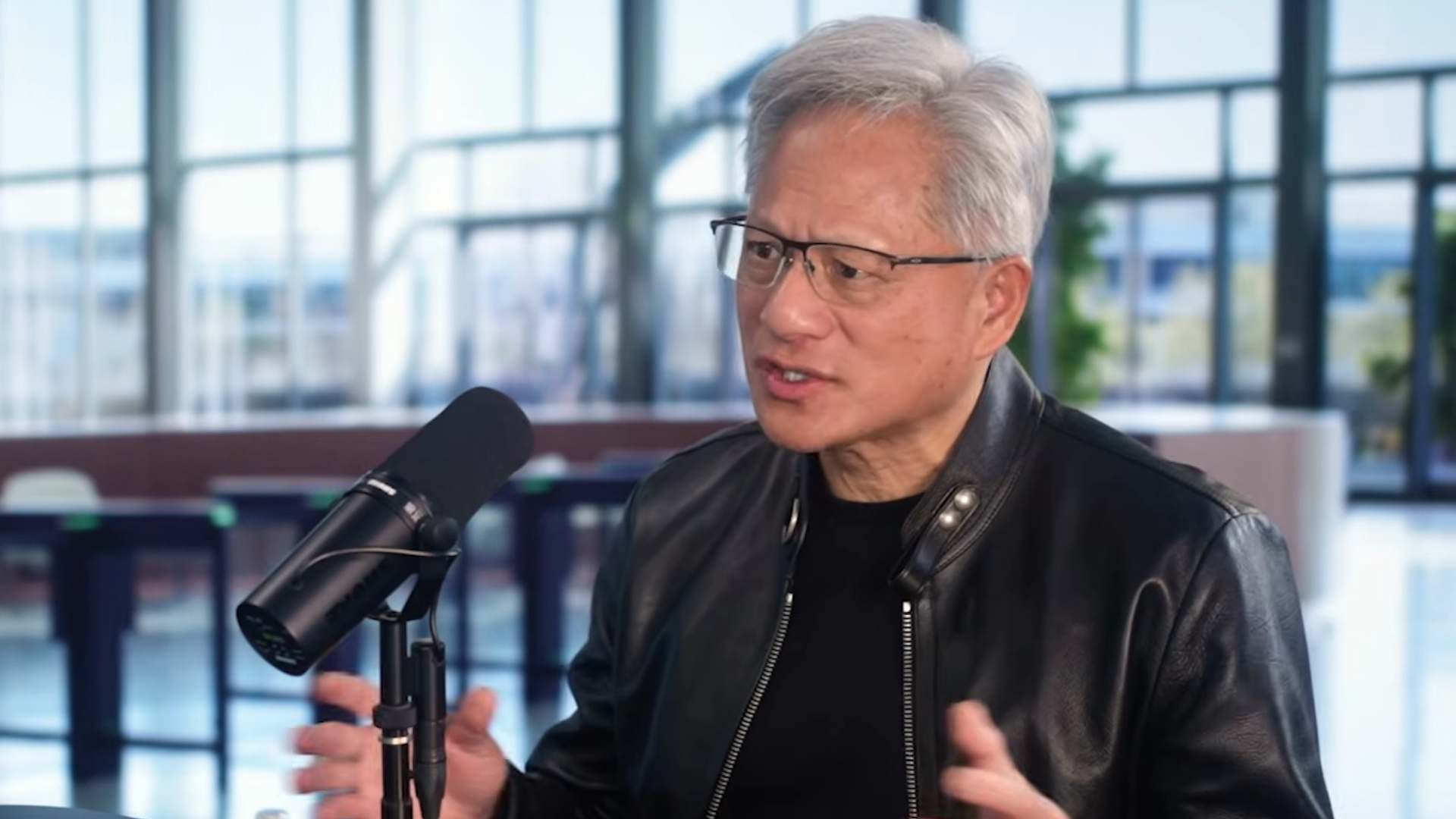
"I don’t want to talk about investigation. What does that mean, had Huang been investigated? For what? I don’t understand the question."
Furthermore, Blanche admitted he had no knowledge of any active export control investigations targeting Nvidia, despite the fact that export compliance is the foundational legal concern raised by lawmakers.
The Boardroom Narrative
Jensen Huang’s communication with his employees painted a picture of corporate sovereignty. Eager to restore morale and project stability, Huang assured staff that the board’s decision to reinstate him was reached independently, free from external political coercion. Yet, this assertion was publicly undermined by Trump’s own boastful remarks to CNBC that he had actively "convinced" the board to take him back—exposing a deep disconnect between what executives tell their workforce and what political leaders claim to orchestrate behind closed doors.
Implications: What This Means for Tech, Trade, and Governance
As the dust begins to settle on the initial phase of the crisis, the long-term ramifications for the technology industry, regulatory enforcement, and U.S.-China relations are profound.
1. The Weaponization of Corporate Compliance
The lack of a formal DOJ investigation into Huang, coupled with the administration’s informal "assurances," sets a dangerous precedent. Critics argue it signals a two-tiered system of justice where corporations deemed "too big to fail"—or too critical to national infrastructure—receive political exemptions from federal scrutiny, undermining the rule of law.
2. Heightened Scrutiny on AI Supply Chains
For years, Silicon Valley operated under the assumption that commercial imperatives would routinely supersede geopolitical boundaries. The Nvidia scandal shatters that illusion. Moving forward, the U.S. government is expected to ramp up enforcement of semiconductor export controls, subjecting not just manufacturers like Nvidia, but also downstream clients and international intermediaries, to rigorous, unannounced audits.
3. The December 3 Senate Hearing as a Watershed Moment
All eyes now turn to Capitol Hill. When Jensen Huang takes the stand before the U.S. Senate on December 3, he will face aggressive questioning from both sides of the aisle. Lawmakers will demand clear answers regarding:
- The precise nature of Nvidia’s hardware distribution channels into Asia.
- The extent of corporate communication with foreign intelligence-linked individuals.
- The exact nature of the discussions between the White House and Nvidia’s board during Huang’s brief exile.
Ultimately, the Nvidia crisis is more than a corporate soap opera about a fallen and resurrected CEO. It is a defining stress test for American economic nationalism, illustrating the agonizing friction points that occur when national security, personal indiscretion, and the unfettered ambition of the artificial intelligence boom collide.