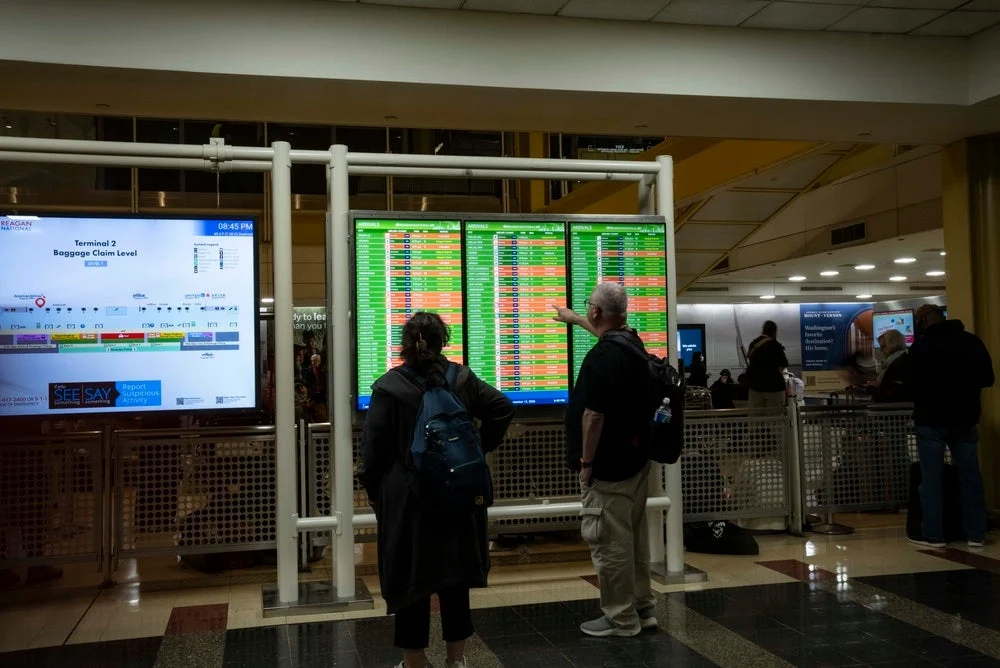
The old adage about "building the plane while flying it" is meant to illustrate the complex challenge of modernizing critical systems without interrupting daily operations. However, when the plane begins to falter mid-air, the metaphor takes on a more ominous tone. Last week, that metaphor became a reality for thousands of travelers as the Federal Aviation Administration (FAA) issued a rare, nationwide ground stop, paralyzing air travel across the United States.
The incident was not merely a technical glitch; it served as a catalyst for a broader national conversation regarding the reliability, security, and transparency of the infrastructure that underpins American life. In an era where a string of unexplained tech outages has already left the public on edge, the FAA’s handling of the crisis provided a stark case study in how a failure of communication can rapidly transform an operational hiccup into a profound crisis of public confidence.
The Anatomy of the Ground Stop: Main Facts
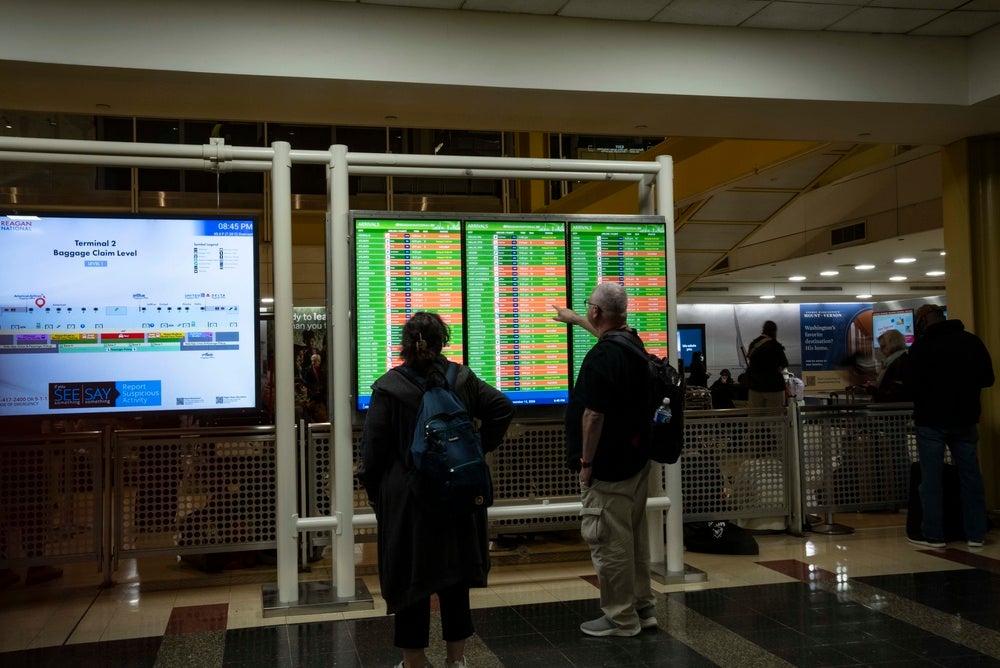
On November 13, 2026, the FAA took the extraordinary step of ordering a total ground stop for all domestic flights. For hours, aircraft remained at gates and in the air as systems across the country struggled with a massive communications outage. The immediate impact was felt by hundreds of thousands of passengers, but the secondary impact was felt by the nation at large: a palpable sense of anxiety regarding the integrity of domestic security.
While the Department of Homeland Security was quick to state that the outage did not appear to be the result of a "nefarious attack," the silence that followed the initial announcement allowed fear to fester. In the absence of definitive information, the public was left to speculate. Was this the result of a sophisticated cyberattack? Was it foreign interference? Had the nation’s technological backbone finally fractured under the weight of decades of neglect?
A Chronology of Uncertainty
The timeline of the November 13 outage highlights the critical importance of rapid, transparent communication in the digital age.
- The Initial Disruption: As flights were grounded, the lack of immediate, detailed explanation from federal authorities created a vacuum. Social media platforms, typically the first line of public discourse, were flooded with conspiracy theories and speculation. Even high-profile voices, such as author Stephen King, weighed in with dark humor about extraterrestrial intervention, reflecting the absurdity and frustration of the moment.
- The Silence Phase: For several hours, the lack of official guidance left passengers in airports across the country without clarity. The failure to acknowledge the severity of the problem or to provide a timeline for resolution turned a technical issue into a psychological one.
- The Shift in Messaging: As the afternoon progressed, government officials began to emerge from their initial silence. Transportation Secretary Sean Duffy provided the first substantive explanation, citing "aging switches, routers, and telecommunications equipment" that had become overloaded, leading to inconsistencies in radar data.
- The Coordinated Response: By the following days, the administration shifted gears, deploying senior officials to provide reassurance. Secretaries and intelligence directors appeared on news programs to categorically deny that the outages were the result of a coordinated cyber campaign.
The Broader Context: A Pattern of Fragility
The FAA ground stop did not occur in a vacuum. It was preceded and followed by a series of high-profile technical disruptions that have rattled the American public. From systemic outages at major banking institutions to technical failures at Apple and United Airlines, and even a breach of highly classified national security communications, the perception of a fragile, vulnerable infrastructure has taken root.
Perhaps most concerning are reports of hackers remotely manipulating commercial refrigeration systems in both Europe and the U.S. Army. These incidents, while varied in nature, have coalesced into a narrative of vulnerability. When disruptions become a recurring feature of modern life, the public cannot be expected to regain confidence through occasional, disjointed assurances.
The government’s response to these events has often been reactive. However, a pattern of systemic failure demands a pattern of proactive, responsible, and transparent communication. Without this, the public’s "baseline" of trust continues to erode.
Official Responses and the Burden of Accountability
As questions mounted, the administration’s response evolved from vague updates to more direct, high-level briefings. Transportation Secretary Sean Duffy, facing intense pressure on Capitol Hill, emphasized the need for a $50 billion modernization effort for the nation’s air traffic control systems.
While the administration was quick to point toward decades of neglected infrastructure and insufficient funding from previous Congresses, this narrative faced significant scrutiny. Blaming predecessors or pointing fingers at contractors—such as L3Harris, which has been involved in the FAA’s modernization efforts—is often viewed by the public as a defensive maneuver rather than a leadership solution.
True accountability, experts argue, cannot be outsourced. Government agencies maintain responsibility for the systems they operate, the contractors they hire, and the transitions they oversee. By the end of the week, the administration appeared to recognize this. Secretary of State Marco Rubio’s public statement, issued despite the pressures of a major summit with global powers, was a turning point. By directly addressing the public’s fear and stating, "We have zero evidence or any reason to believe that any of these isolated or individual instances have anything to do with nefarious actors," the government finally began to close the information vacuum.
Implications for Future Crisis Management
The events of mid-November offer a definitive lesson for leaders in both the public and private sectors: The absence of new information is not an excuse for the absence of communication.
1. Transparency as a Strategic Asset
In a crisis, stakeholders do not expect leaders to have all the answers immediately. They do, however, expect an acknowledgment of the problem and a commitment to keeping them informed. When leaders remain silent, they allow others to control the narrative—a tactical error that almost always results in a loss of public trust.
2. Avoiding the Blame Game
The temptation to shift blame onto past administrations, political rivals, or external contractors is high during a crisis. However, this rarely serves the public interest. Leadership in a crisis is defined by the acceptance of responsibility and the focus on actionable solutions. The public is far more interested in how a system will be secured for the future than in who is to blame for the past.
3. The Need for Consistent Rhythm
Effective crisis management is not a one-time event; it is a sustained rhythm. Once a crisis begins, a pattern of regular, transparent updates is essential to maintaining stability. This strategy, which the administration eventually adopted, should be the standard operating procedure for all future disruptions.
4. Investing in Resilience
Beyond communication, the technical implications are clear: the nation’s infrastructure is at a tipping point. The $50 billion investment proposed by Secretary Duffy is not merely a request for funding; it is a recognition that the "plane" is currently being held together by outdated, overloaded technology. Modernization is no longer a luxury—it is a security imperative.
Conclusion: The True Test of Leadership
The FAA ground stop of 2026 will be remembered as a pivotal moment in the discussion of American infrastructure. While the immediate operational failure was eventually resolved, the long-term impact on public confidence remains to be seen.
The administration’s eventual pivot to transparency and high-level engagement was a necessary step toward rebuilding trust, but the errors made in the initial hours serve as a warning. In an age of instant information and heightened cyber-sensitivity, the margin for error in crisis communication has all but vanished.
Anyone can lead when systems are functioning as intended. The true measure of an administration’s capability, and the true test of leadership, is how it behaves when the systems fail. As the country looks toward the future, the integration of stronger infrastructure, more rigorous oversight, and a commitment to transparent communication will be the only way to ensure that the "plane" stays in the air, and that the public feels confident enough to keep flying.