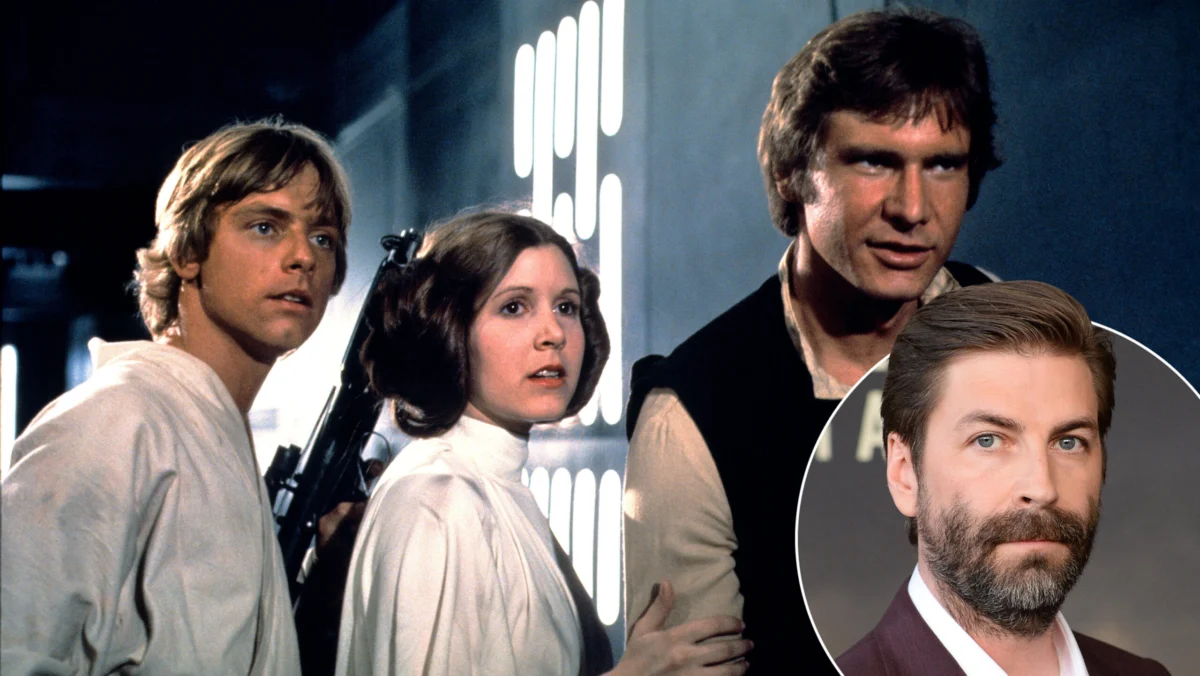
LOS ANGELES — Nearly a decade after the conclusion of the most recent cinematic chapter in the franchise, Lucasfilm is officially preparing to revisit the legendary bloodline that built the modern space opera. In a major development for the multi-billion-dollar empire, sources have confirmed that Spider-Man trilogy director Jon Watts has been tapped to helm the inaugural film of a brand-new Star Wars trilogy. The project will continue the storied Skywalker Saga, with veteran franchise writer and producer Simon Kinberg attached to script the ambitious undertaking.
The move marks a significant pivot for Lucasfilm, which has spent the years following the 2019 release of Star Wars: The Rise of Skywalker focusing heavily on television streaming content for Disney+, theatrical exploration of different eras, and expanding the franchise’s vast lore through side stories. Now, the studio is returning to its foundational roots, bringing the Skywalker narrative back to the forefront of the cinematic landscape.
Main Facts: The Creative Team and the Next Era
The newly announced trilogy represents a high-profile collaboration between two seasoned creators deeply entrenched in modern blockbuster filmmaking and franchise building.
Jon Watts, widely celebrated for revitalizing the web-slinger’s cinematic fortunes via Marvel Studios’ Spider-Man: Homecoming (2017), Spider-Man: Far From Home (2019), and Spider-Man: No Way Home (2021), is stepping into the director’s chair for the trilogy’s first installment. Watts is no stranger to the Lucasfilm ecosystem, having recently co-created the upcoming Disney+ series Star Wars: Skeleton Crew, an Amblin-esque adventure set within the franchise’s New Republic era. His knack for blending grounded human emotion with sprawling spectacle made him a top choice for studio executives looking to usher the saga into its next phase.
Penning the script is Simon Kinberg, a powerhouse producer and writer whose credits include Fox’s X-Men franchise, Logan, Deadpool, and Amazon Prime Video’s serialized adaptation of Mr. & Mrs. Smith. Kinberg’s history with Lucasfilm runs deep; he previously co-created the critically acclaimed animated television series Star Wars Rebels (2014–2018) alongside Dave Filoni and Carrie Beck, and served as a crucial creative consultant across the broader cinematic universe during the development of the sequel trilogy.
According to insiders, Kinberg has quietly been developing the foundation for this new trilogy since 2018. Furthermore, industry reports indicate that Daisy Ridley is being eyed to reprise her iconic role as Rey, bridging the gap from the previous trilogy to serve as a narrative anchor for the upcoming chapter in the Skywalker Saga.
Despite the heavy momentum behind the scenes, the project has not yet received a formal greenlight from parent company The Walt Disney Company. Lucasfilm has declined to comment on the developments, though the initial reports first broke via Knight Edge Media.
Chronology: Tracing the Epic Arc of the Skywalker Saga
To understand the magnitude of Lucasfilm’s latest announcement, one must look back at the nearly fifty-year history of the Skywalker Saga, a cinematic journey that fundamentally altered the landscape of popular culture.
The Original Trilogy (1977–1983)
The phenomenon began with the release of George Lucas’s groundbreaking space fantasy, Star Wars (later retitled Star Wars: Episode IV — A New Hope) in 1977. Starring Mark Hamill as Luke Skywalker, Harrison Ford as Han Solo, and Carrie Fisher as Princess Leia, the film captured the global imagination. It was followed by two masterpieces of modern cinema:
- Star Wars: Episode V — The Empire Strikes Back (1980), directed by Irvin Kershner, which darkened the narrative and introduced deep emotional stakes; and
- Star Wars: Episode VI — Return of the Jedi (1983), directed by Richard Marquand, which provided a triumphant conclusion to the conflict between the Rebel Alliance and the tyrannical Galactic Empire.
The Prequel Trilogy (1999–2005)
More than a decade after the original trilogy wrapped, George Lucas returned to the director’s chair to explore the tragic origins of cinema’s most famous villain. The prequel trilogy chronicled the fall of the Galactic Republic, the clone wars, and the corruption of Anakin Skywalker into Darth Vader:
- Star Wars: Episode I — The Phantom Menace (1999)
- Star Wars: Episode II — Attack of the Clones (2002)
- Star Wars: Episode III — Revenge of the Sith (2005)
The Sequel Trilogy (2015–2019)
Following Disney’s acquisition of Lucasfilm in 2012, the studio launched a third trilogy designed to pass the torch from the legacy characters to a new generation of heroes, led by Daisy Ridley’s Rey, John Boyega’s Finn, and Adam Driver’s Kylo Ren:
- Star Wars: Episode VII — The Force Awakens (2015), directed by J.J. Abrams
- Star Wars: Episode VIII — The Last Jedi (2017), directed by Rian Johnson
- Star Wars: Episode IX — The Rise of Skywalker (2019), directed by J.J. Abrams, which ostensibly closed the book on the nine-film core saga.
In the years following The Rise of Skywalker, Lucasfilm pivoted away from the central Skywalker narrative. The cinematic and streaming branches of the company expanded across multiple eras, producing standalone films like Rogue One and Solo, as well as a robust slate of Disney+ television shows including The Mandalorian, Andor, Ahsoka, and The Acolyte. The theatrical slate remains active, with upcoming entries such as Star Wars: Starfighter slated for release on May 28, 2027.
Supporting Data: The Business and Creative Landscape
The decision to return to the Skywalker Saga is rooted in both creative ambition and commercial reality. Star Wars remains one of the most lucrative and culturally enduring intellectual properties in entertainment history, but its theatrical journey over the past decade has experienced both historic highs and notable behind-the-scenes turbulence.
- Box Office Dominance: The nine core films of the Skywalker Saga have grossed over $10 billion worldwide unadjusted for inflation. The Force Awakens alone shattered domestic box office records in 2015, hauling in over $2 billion globally.
- Creative Turnover: Lucasfilm has historically faced challenges with director retention. Filmmakers such as Colin Trevorrow, Phil Lord, Christopher Miller, and Patty Jenkins have famously parted ways with the studio during development phases due to "creative differences." Securing a proven studio collaborator like Jon Watts, who successfully navigated the complex machinery of Marvel Studios, suggests a concerted effort by Lucasfilm leadership to streamline production and foster stable creative partnerships.
- Streaming vs. Theatrical Balance: While Disney+ proved to be a fertile testing ground for Star Wars storytelling, the studio has faced increasing pressure from investors and fans alike to re-establish the franchise as an elite, event-level theatrical experience. Launching a new trilogy centered on the most recognized brand equity in the franchise—the Skywalker name—serves as a clear signal of intent to dominate the global box office once more.
Official Responses and Industry Reception
As news of the Jon Watts and Simon Kinberg trilogy broke across the entertainment industry, fan communities and trade analysts immediately began dissecting what this means for the future of the galaxy far, far away.
While Lucasfilm has maintained a strict "no comment" stance, industry insiders point out that the studio is playing a long game. Simon Kinberg’s quiet multi-year development of the scripts indicates that Lucasfilm is attempting to avoid the rushed production schedules that plagued parts of the sequel trilogy. By allowing the story to gestate since 2018, Kinberg and Lucasfilm are aiming for a cohesive, pre-planned narrative arc across all three films.
Reaction from the creative community has been largely optimistic, though guarded. Jon Watts’s transition from high-stakes superhero blockbusters to epic space opera is viewed by many as a natural evolution. His experience directing ensemble casts, managing heavy visual effects workloads, and delivering crowd-pleasing entertainment aligns closely with the foundational DNA of Star Wars.
Implications: What a New Trilogy Means for the Future of Star Wars
The announcement of a new Skywalker Saga trilogy carries profound implications for the trajectory of the franchise over the next decade and beyond.
1. Re-centering the Mythos
For years, Lucasfilm attempted to prove that the Star Wars universe could thrive far away from the Skywalker family tree, exploring different centuries, factions, and philosophies. While projects like Andor proved that critical acclaim could be found in the periphery, the broader audience base has occasionally yearned for the mythic weight and emotional resonance associated with the core family saga. By returning to this well, Lucasfilm is re-centering its narrative North Star.
2. The Return of Rey
If reports regarding Daisy Ridley’s potential involvement hold true, the trilogy will serve as a direct continuation of her character arc from the sequel trilogy. This opens up fascinating storytelling avenues. Will Rey be attempting to rebuild the Jedi Order from the ashes of the past? What new threats will emerge to test the balance of the Force? Placing a familiar, beloved protagonist at the center mitigates some of the risk inherent in launching a brand-new theatrical trilogy.
3. A Stabilized Cinematic Roadmap
With Star Wars: Starfighter anchored for May 2027, the addition of a new trilogy spearheaded by Watts and Kinberg gives Lucasfilm a definitive long-term theatrical roadmap. As the entertainment industry continues to navigate shifting box office trends and consumer habits, having a clear, premier-tier cinematic event on the horizon provides stability for both the studio and its parent company, Disney.
As development continues behind closed doors, all eyes will remain on Lucasfilm to see when the project receives its official greenlight and when additional casting and plot details come to light. For now, millions of fans across the globe are left with a familiar and exciting prospect: the saga is returning home.