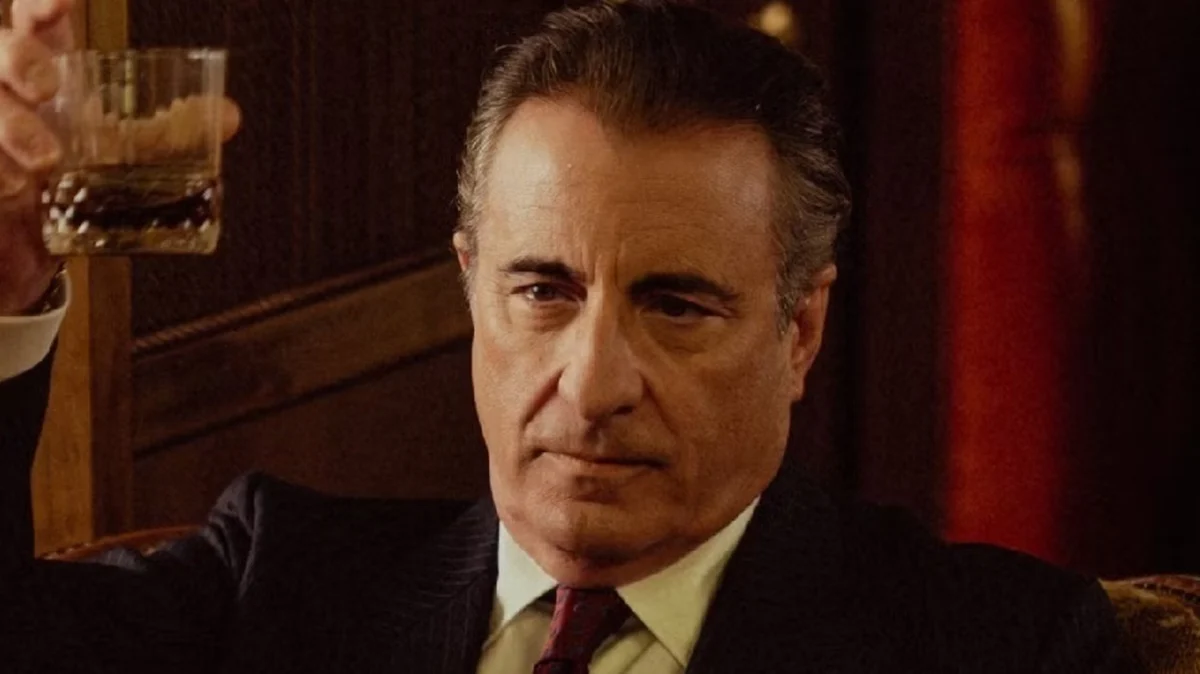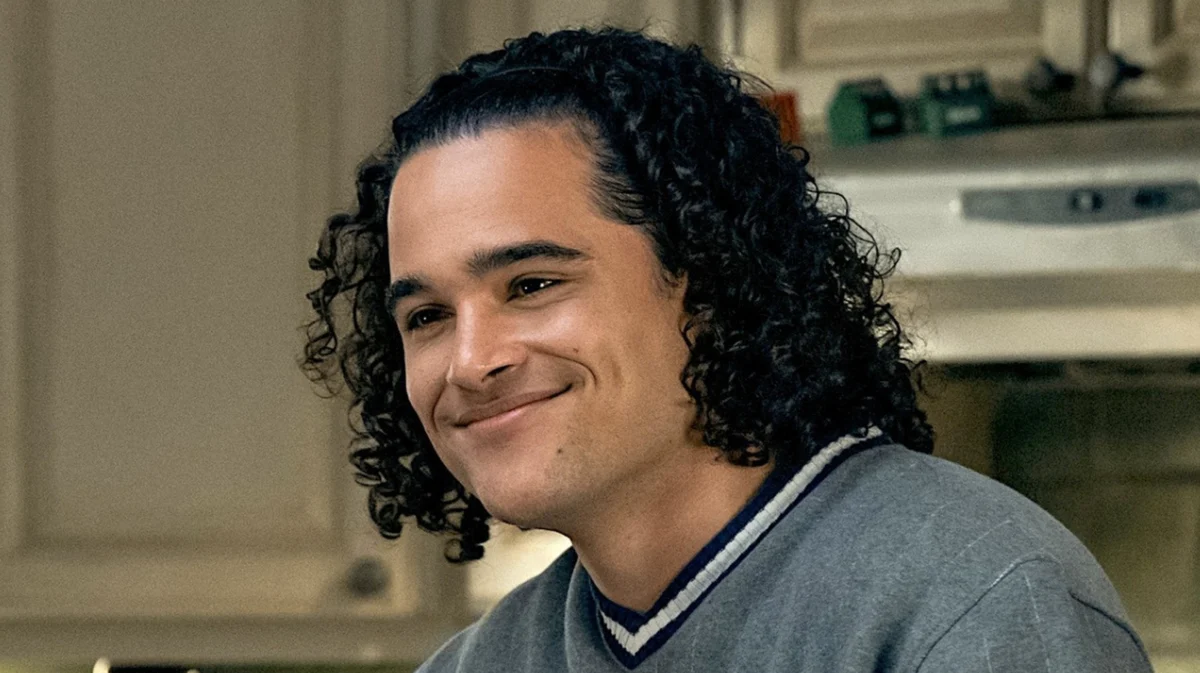
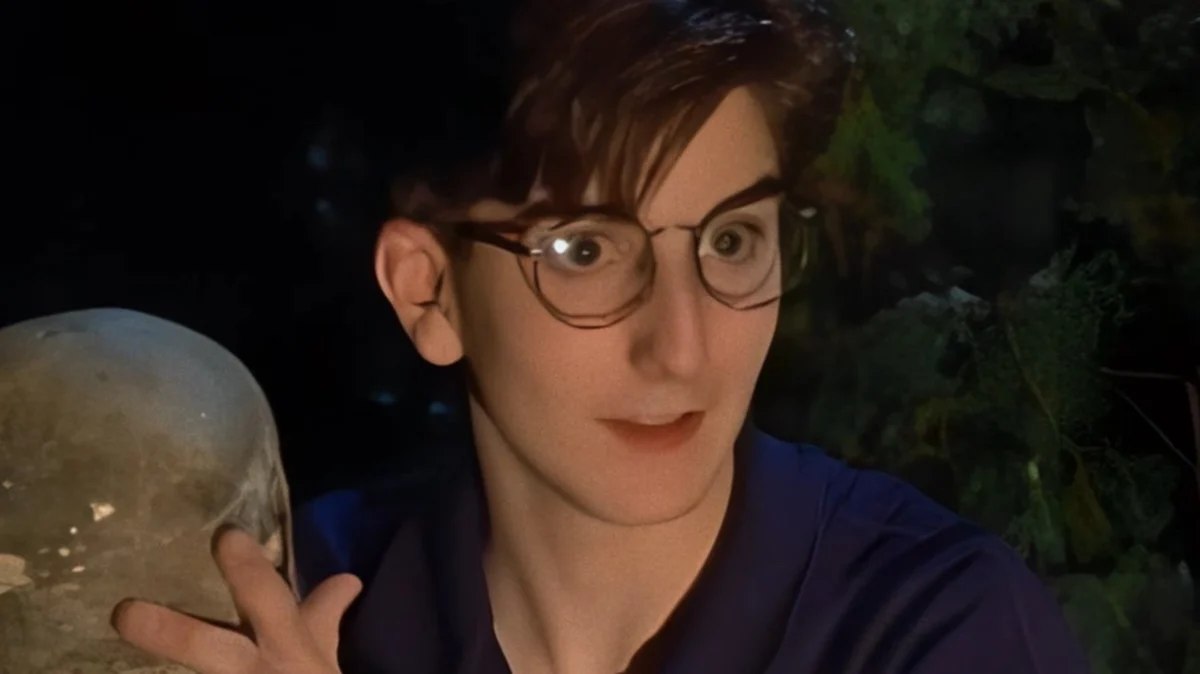
For a specific generation of viewers who came of age in the 1990s, the ritual was sacred: the sun would set, the television would flicker to life, and the unmistakable sound of a campfire crackling would fill the living room. Are You Afraid of the Dark? was more than just a television show; it was a rite of passage. It served as a gateway drug to the horror genre, inviting children to peer into the shadows and confront their fears within the safe, controlled confines of a half-hour anthology series. Decades later, the show remains a cultural touchstone, remembered not just for its genuinely unsettling atmosphere, but for its pioneering approach to storytelling and character development.
The Genesis of a Cult Phenomenon: Main Facts
Premiering on Nickelodeon in 1991, Are You Afraid of the Dark? operated on a deceptively simple premise. It followed the Midnight Society, a secret club of teenagers who would meet in the woods at night to trade stories of the supernatural. Each episode began with a member tossing a handful of "midnight dust" into the campfire, uttering the iconic phrase: "Submitted for the approval of the Midnight Society, I call this story…"
The brilliance of the show lay in its format. By utilizing an anthology structure, the writers were never tethered to a single narrative arc. They could pivot from urban legends to haunted mirrors, from malevolent dolls to eerie carnivals. Crucially, the show did not talk down to its audience. It recognized that children were capable of processing complex emotions—fear, grief, and curiosity—and it treated its young viewers with the respect usually reserved for adult programming.
A Chronology of Shadows: From 1991 to the Modern Reboot
The timeline of the series is a testament to its enduring, albeit fluctuating, popularity.
- 1991–1996: The original run established the gold standard for children’s horror. It was during this era that the series cultivated its most iconic villains, such as the Zeebo the Clown and the sinister Dr. Vink.
- 1999–2000: Nickelodeon attempted a revival, introducing a new generation of the Midnight Society. While it maintained the aesthetic of the original, it struggled to capture the lightning-in-a-bottle magic of the early ’90s.
- 2019–2022: A high-budget reboot aired, shifting from the anthology format to a serialized approach. While it received moderate praise for its production value, many long-time fans felt the shift away from the "story-of-the-week" campfire format diluted the series’ unique charm.
The legacy of the show is marked by these transitions, yet the original iteration remains the undisputed benchmark. It serves as a reminder of an era when television executives were willing to take risks on concepts that were inherently "edgy" for a younger demographic.
The Anatomy of Fear: Why It Worked
What distinguished Are You Afraid of the Dark? from its contemporaries like Goosebumps or Tales from the Cryptkeeper was the depth of its characters. The members of the Midnight Society were not merely narrators; they were fleshed-out individuals with distinct personalities and arcs.
D.J. MacHale, the co-creator and mastermind behind the show, prioritized internal logic and character motivation. In his interviews, MacHale has emphasized that the goal was never to be "scary for the sake of being scary." Instead, the scares were the result of characters making choices in high-stakes situations. The children in these stories were the heroes—or the victims—of their own narratives, and they were frequently tasked with solving problems that required courage, wit, and intellect.
Inclusivity and Feminist Roots
Perhaps most notably, the series was ahead of its time in its representation. MacHale frequently centered the narrative on strong female leads who were not defined by their gender. As noted in various retrospectives, many young girls found their first role models for bravery in the episodes of Are You Afraid of the Dark?. Whether they were outsmarting a vengeful ghost or surviving a night in a haunted house, these characters shattered the "damsel in distress" trope. This inclusivity was not a performative checklist item; it was woven into the fabric of the storytelling.
Official Responses and Cast Perspectives
The passage of time has only sharpened the nostalgia for the series. Daniel DeSanto, who played the beloved character Tucker, has been vocal about the unique environment in which the show was produced. In recent reflections, he noted that the creative freedom afforded to writers in the early 90s is largely absent in today’s risk-averse media landscape.
"There’s no way we could get away with that show, I think, today," DeSanto remarked in a recent interview. His assessment highlights a broader industry trend: the sanitization of children’s media. By modern standards, some of the imagery in Are You Afraid of the Dark?—the creeping shadows, the existential dread, the unresolved endings—would likely trigger "content concerns" from focus groups or network standards departments. Yet, it was precisely that lack of censorship that allowed the show to leave such an indelible mark on the psyche of its viewers.
The Lasting Implications: A Legacy of "Good Trauma"
The term "childhood trauma" is often used loosely, but in the context of the series, it refers to the thrill of being safely terrified. The AV Club and other cultural commentators have noted that Are You Afraid of the Dark? performed a vital psychological function: it allowed children to explore the concept of the unknown. By witnessing characters navigate supernatural threats, viewers were essentially rehearsing how to handle fear in the real world.
The show proved that horror, when done with craft and intelligence, is a legitimate tool for childhood development. It taught resilience. It taught that not every story has a "happily ever after," and that sometimes, the most frightening thing is not the monster under the bed, but the choices we make when we are truly alone.
Conclusion: The Fire Still Burns
As we look back at the landscape of 90s television, Are You Afraid of the Dark? stands as a monument to a time when children’s television was permitted to be complex, challenging, and occasionally dark. It didn’t sugarcoat the world; it held up a mirror to it.
While reboots and revivals will likely continue to attempt to capture the spark of the Midnight Society, the original remains untouchable. It exists in a unique space, defined by a specific blend of low-budget ingenuity, genuine heart, and a refusal to patronize its audience. For those of us who grew up huddled in front of the television, the embers of that campfire haven’t gone out. Every time we encounter a creaky floorboard or a flickering streetlamp, we remember the lessons taught by the Midnight Society: keep your wits about you, face your fears, and always, always keep the fire burning.
The stories told around that campfire were more than just entertainment; they were the foundation of a shared cultural experience that continues to influence the horror genre to this day. In a world that often tries to protect children from the dark, Are You Afraid of the Dark? reminded us that there is a certain kind of wisdom to be found by stepping into the shadows.