In the competitive landscape of digital marketing services, the traditional sales pitch—characterized by cold emails, generic decks, and nervous anticipation—is rapidly becoming obsolete. As artificial intelligence continues to reshape the professional services sector, a new methodology has emerged, one that prioritizes "demonstrable value" over "persuasive rhetoric."
AI consultant Etan Polinger, in a recent collaboration with Michael Stelzner, revealed a transformative workflow that allowed him to secure a $12,000 contract by fundamentally altering the power dynamic of the initial sales meeting. By leveraging AI to perform deep research and build functional prototypes before ever shaking hands, Polinger has proven that the future of sales isn’t about convincing a client to buy; it’s about making the decision to hire you a logical necessity.
The Paradigm Shift in Modern Sales
For decades, the sales process has been defined by the "pitch." Professionals would spend hours crafting presentations, attempting to identify pain points and promising solutions. However, Polinger argues that this approach is inherently flawed because it positions the service provider as a supplicant.
"When you show up with the right preparation and the right assets, you remove the ‘I hope they choose me’ energy from the room entirely," Polinger explains.
By utilizing AI-driven tools, a single practitioner or a lean team can now accomplish in four hours what previously required a small department to execute over several days. This high-leverage approach allows consultants to present a functional prototype, a tailored brand strategy, and a concrete roadmap during the first interaction. When a client is presented with a working version of their own vision, the conversation shifts from "Will this person be able to do the job?" to "How can we get this person onboarded as quickly as possible?"
Chronology of the $12K Workflow
The effectiveness of this methodology is best illustrated through a recent engagement where Polinger identified a prospect seeking a custom digital widget within a professional community. Rather than sending a standard introductory message, he followed a rigorous, four-step AI-augmented process.
Phase 1: Decoding the Prospect’s Intent
The process begins with absolute clarity. Polinger advocates for stripping away technical jargon to identify the core outcome the client desires. By inputting transcripts or social media posts from a prospect into an AI model, he generates a one-sentence summary of the requested goal. This focus on "outcome-oriented" solutions ensures that the proposal remains aligned with business objectives rather than getting lost in the "technical stack."
Phase 2: Deep-Dive Research
Once the goal is established, Polinger executes three distinct research passes, each utilizing the full processing power of LLMs like Claude or ChatGPT.

- The Individual: He analyzes the prospect’s previous interviews, YouTube content, and public discourse to understand their communication style, personal brand, and specific challenges.
- The Company: By analyzing the organization’s digital footprint, he gains insight into their current business model and operational trajectory.
- The Market: By mapping competitors and analyzing job postings, he uncovers the business’s internal priorities, providing a "safety net" that allows for pivots if the client’s initial requirements prove impractical.
Phase 3: The "Wow" Factor—Style Alignment
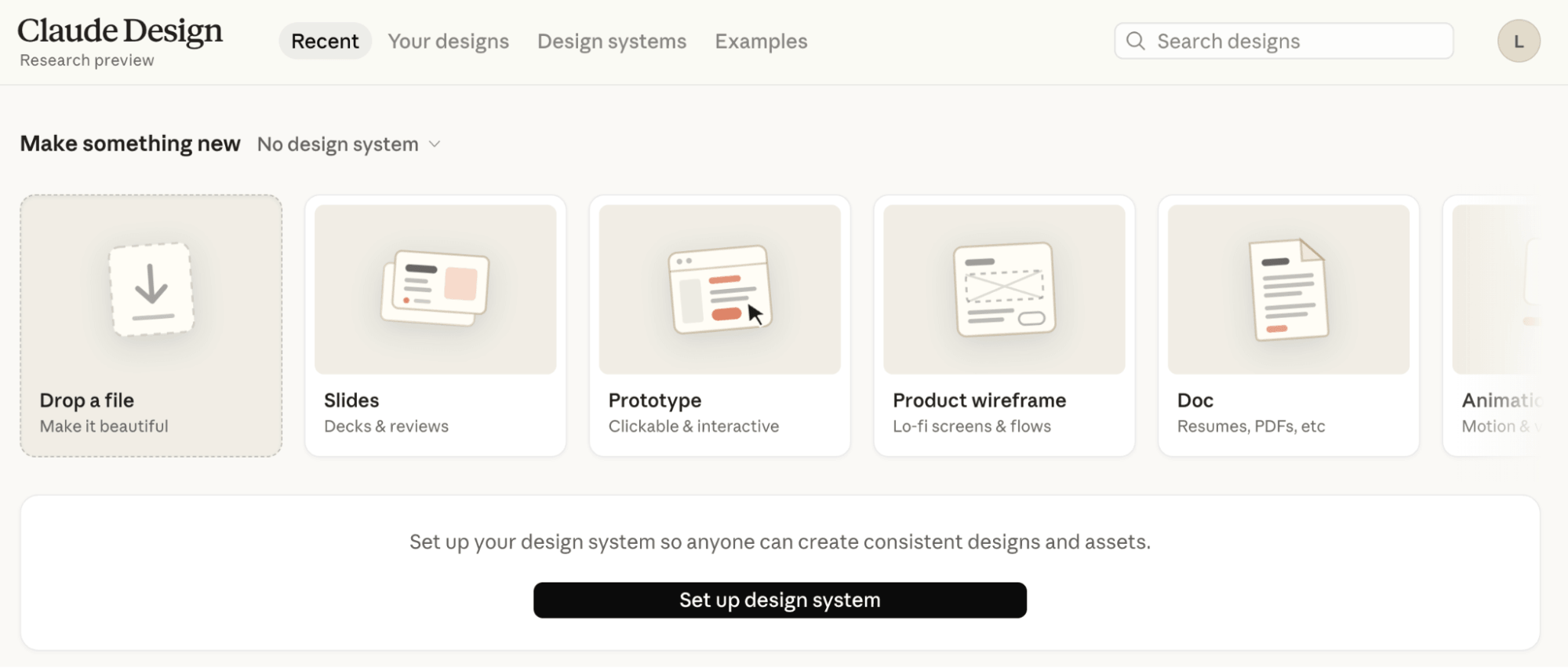
A common failure in agency pitches is a lack of visual cohesion. Polinger bridges this gap by using tools like WhatFont and ColorZilla to extract a prospect’s brand identity, then feeding this data into Claude Design. This generates a comprehensive style guide—including code snippets for UI/UX elements—that matches the prospect’s existing brand identity, creating an impression of internal-level familiarity.
Phase 4: Prototyping and Delivery
The final stage involves "vibe coding." Using tools like Claude Code or Replit, Polinger translates the style guide into a functional prototype. When he walks into the first meeting, he isn’t selling an idea; he is presenting a working, branded asset. This transition from "pitching" to "demonstrating" is what effectively closed the $12,000 deal.
Supporting Data: Why This Works
The data supporting this shift is rooted in the efficiency of AI-human collaboration. By automating the extraction of brand assets and the generation of technical documentation, consultants reduce "time-to-prototype" by roughly 80%.
Furthermore, by conducting market research through AI, the consultant gains a comprehensive understanding of the "opportunity cost" the client faces. In the case of the $12,000 deal, the prospect’s initial anxiety about whether Polinger had the bandwidth to handle the project served as the ultimate proof of success. The prospect was no longer evaluating a service provider; they were competing for access to one.

Official Perspectives: The Role of the AI Consultant
Etan Polinger, who is the creator of the AI Integrator Certification at Chief AI Officer, emphasizes that this methodology is not a "magic bullet" but a disciplined approach to professional service. He cautions against the tendency to view AI as a replacement for strategy, noting that the technology is only as effective as the human directing it.
"This is a different way of selling than most people are used to, and it only works because of AI," says Polinger. His approach highlights a broader trend: the democratization of high-end consulting. Where elite firms once dominated the market due to their sheer headcount and capacity for research, individual practitioners can now leverage AI to scale their efforts, providing enterprise-level preparation for boutique-level projects.
Broader Implications for the Marketing Industry
The success of this workflow carries significant implications for the future of digital marketing and sales:
- The End of the "Blind" Pitch: The era of cold pitching without deep, AI-assisted research is likely coming to a close. Clients now expect a level of personalization that was previously cost-prohibitive.
- Productization of Services: As consultants move toward "prototyping-first" sales, the boundary between service-based businesses and product-based businesses will continue to blur. Consultants will increasingly offer "productized" solutions that are pre-configured to a client’s needs.
- Increased Competition for High-Value Clients: As the barriers to entry for professional, high-quality pitches drop, competition will intensify. Success will no longer be determined by who has the best proposal, but by who has the most sophisticated AI-integrated workflow.
- Operational Efficiency: The ability to pivot based on real-time market research means that consultants can provide better service, faster. This reduces the risk for both parties, as the consultant can identify potential hurdles before the contract is even signed.
Conclusion: Preparing for the Future
The story of this $12,000 deal serves as a roadmap for any entrepreneur looking to scale their business in an AI-driven economy. By front-loading the effort—conducting deep research, aligning with the brand, and building a working prototype—the sales process ceases to be a negotiation and becomes a partnership.
As AI tools continue to evolve, the ability to synthesize data and turn it into tangible, high-value assets will become the primary competitive advantage. For those willing to adopt these workflows, the question of whether a deal will close becomes secondary to the question of which clients are the best fit for their business. The future of sales belongs to those who show up not with a pitch, but with a solution.