In the fast-paced world of AAA game development, silence is often as loud as an announcement. Last week, Ubisoft offered a candid, if sobering, outlook on its future: while new iterations of massive franchises like Assassin’s Creed, Far Cry, and Ghost Recon are in the works, fans should brace for a “quieter” period as the company navigates a challenging fiscal and operational landscape. However, less than a week after tempering expectations, Ubisoft has pivoted back to the spotlight, announcing that it will celebrate the 25th anniversary of the Ghost Recon franchise this coming August 6th with fresh intelligence on the series’ future.
While the gaming community is undoubtedly eager to see what comes next for the tactical shooter, the announcement serves as a focal point for a much larger conversation regarding Ubisoft’s internal stability, its history of project delays, and the growing frustration of a fanbase waiting for long-dormant classics like Splinter Cell to return to form.
The August 6th Reveal: What We Know
The official Ghost Recon social media channels broke the silence with a succinct, energized message: “It’s been a while, Ghosts! We know some of you saw some updates, we’ll have more to say on the 6th of August when we celebrate the 25th Anniversary of Ghost Recon. Intel coming soon.”
For a franchise whose most recent mainline entry, Ghost Recon Breakpoint, debuted seven years ago to a lukewarm reception, this anniversary event carries significant weight. Breakpoint was a cautionary tale for Ubisoft; while the developers eventually managed to salvage the experience through years of post-launch support, the initial launch was marred by design choices that alienated the core tactical fanbase. As the franchise hits its quarter-century milestone, the August 6th reveal is expected to be more than just a celebratory retrospective. Industry analysts suggest it will be a crucial "proof of life" for the brand, intended to reassure stakeholders and players that the series remains a pillar of Ubisoft’s long-term portfolio.
Chronology of a Challenging Era
To understand why this specific announcement feels like a "scaled-down" version of industry hype cycles, one must look at the context of Ubisoft’s recent years. The company has been in a state of constant restructuring, characterized by studio closures, internal layoffs, and the cancellation of projects that were once highly anticipated.
- 2017–2019: The Ghost Recon series struggles with the transition to live-service models. Breakpoint launches in 2017, suffering from technical issues and a shift away from the series’ gritty, realistic roots.
- 2021: Ubisoft officially announces the Splinter Cell remake, sending ripples of excitement through the community.
- 2022: A year of turnover. The director of the Splinter Cell remake, David Grivel, departs the company, leading to further uncertainty regarding the project’s timeline.
- 2023–2024: The industry faces a wave of contraction. Xbox undergoes massive layoffs, and Ubisoft continues its own internal cost-cutting measures, shuttering studios and consolidating resources.
- July 2024: Ubisoft confirms a “quieter” year for major releases, setting expectations for a longer development cycle for their upcoming slate.
This timeline reflects a company trying to find its footing after years of over-expansion. When major publishers drop teasers during periods of internal turmoil, they are often attempting to steer the narrative away from corporate instability—such as the recent, harrowing layoffs across the gaming sector—and back toward the creative output that keeps the company relevant.
The "Clancyverse" Conundrum: Splinter Cell’s Stalled Shadow
While Ghost Recon fans have a date to look forward to, the broader "Tom Clancy" brand remains in a state of suspended animation. The anticipation surrounding Ghost Recon naturally invites comparisons to the Splinter Cell franchise. For many, the two series represent the gold standard of tactical, high-stakes military gaming.
Yet, the treatment of these two properties by Ubisoft has been starkly different. While Ghost Recon is receiving a 25th-anniversary celebration, Splinter Cell continues to drift in development limbo. The Splinter Cell remake, announced three years ago, has been plagued by a revolving door of leadership. Although director David Grivel eventually returned to the project after a stint elsewhere, the lack of concrete progress remains a sore point.
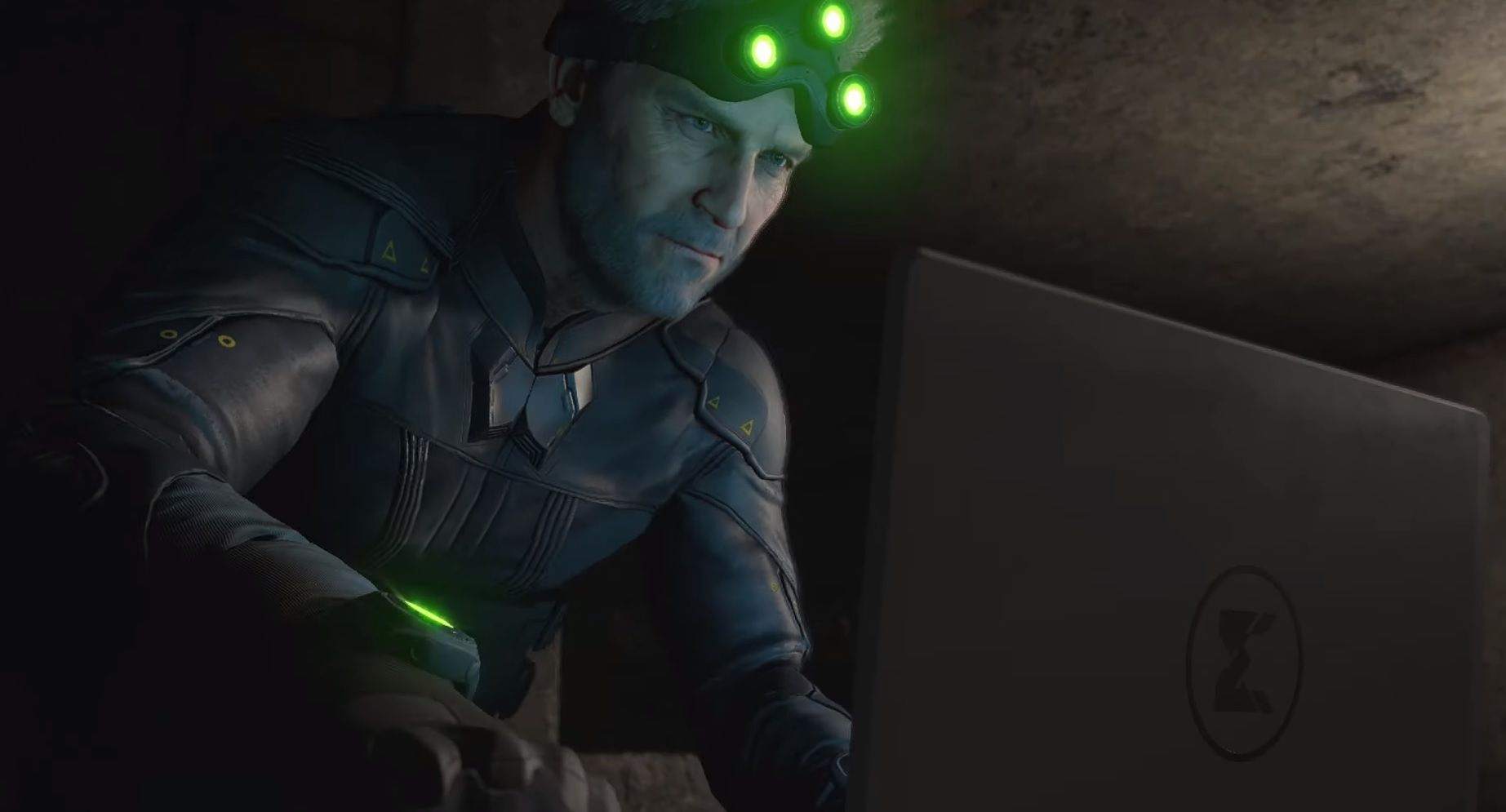
Compounding this frustration is the perception that Ubisoft is actively "trolling" its fanbase. From the release of a Netflix animated series that notably excludes original voice actor Michael Ironside, to the cancellation of a high-profile Splinter Cell film starring Tom Hardy, the brand has suffered from a lack of cohesive direction. Most infamously, Ubisoft’s social media team has occasionally posted images of Sam Fisher that utilized incorrect character designs, leading many fans to believe the company is either woefully out of touch or intentionally poking the bear.
The Cost of Delayed Gratification
Ubisoft’s inability to deliver on time is not limited to its tactical shooters. The company has become synonymous with "development hell." The Prince of Persia: The Sands of Time remake, once a beacon of hope for fans of classic action-adventure, was ultimately cancelled after years of iterative failure and internal restructuring. Skull and Bones, an ambitious pirate simulation, took six years to arrive—only to face critical and commercial hurdles upon release. Beyond Good and Evil 2, perhaps the most infamous case, is nearing its 20th year of existence without a clear release date.
This pattern of delay and cancellation has created a "trust deficit" between Ubisoft and its audience. When the company claims a project is coming, the immediate consumer reaction is no longer excitement, but skepticism. The announcement of a "quieter year" for 2024/2025 is seen by many as a euphemism for the fact that the company’s internal pipelines are congested, broken, or under-resourced.
Implications for the Future
The implications of the August 6th Ghost Recon announcement are twofold.
On one hand, it represents a necessary marketing step. Ubisoft needs to keep its intellectual properties in the conversation to maintain stock value and consumer interest. By highlighting the 25th anniversary, they are leveraging the nostalgia of long-time fans to build goodwill. If the August 6th reveal includes a concrete gameplay trailer or a definitive release window for a new Ghost Recon title, it could signal a turning point—a move toward more focused, disciplined development.
On the other hand, if the reveal is merely a cosmetic update, a mobile game announcement, or a vague cinematic teaser with no gameplay, it may only deepen the divide between the developer and the community. In an era where companies like Bethesda have successfully managed to balance long-term project planning with clear communication, Ubisoft’s strategy of "tease and wait" feels increasingly antiquated.
Conclusion: A Turning Point?
As August 6th approaches, all eyes will be on Ubisoft. The company is currently operating in a "dire" climate, where every project must justify its existence. The Ghost Recon series, with its storied history and loyal player base, is the perfect candidate to lead the company’s potential recovery.
If Ubisoft can deliver a product that honors the roots of the franchise while learning from the mistakes of Breakpoint, they may be able to reclaim the trust they have lost. However, if the pattern of stagnation continues, the 25th anniversary may be remembered not as a celebration, but as another reminder of a titan struggling to keep its footing in a rapidly changing industry. For now, the Ghosts remain in the shadows, waiting for the signal to move. Whether that signal leads to a triumphant return or another long, quiet wait remains to be seen.