Why do we find ourselves inexplicably drawn to a specific sweatshirt, a high-end hair tool, or an overpriced wellness smoothie? Why do some brands command a level of devotion that feels almost religious, while others fade into the background noise of the marketplace?
The answer lies in a fundamental shift in consumer psychology. We have moved past the era of utility-based consumption. Today, the most successful brands are not selling features; they are selling entry into an immersive, aspirational reality. Whether it is the curated aesthetic of a Dairy Boy sweatshirt or the technical promise of a Dyson Airwrap, these products serve as identity signals. They are not merely objects—they are the keys to a kingdom the consumer wishes to inhabit.
The Evolution of Consumption: From Function to Identity
For decades, marketing was built on the foundation of "Problem/Solution." If you were hungry, you bought food. If you were cold, you bought a coat. But in a hyper-saturated, digital-first economy, the functional gap has largely closed. Almost every product category is crowded with high-quality, reliable options.
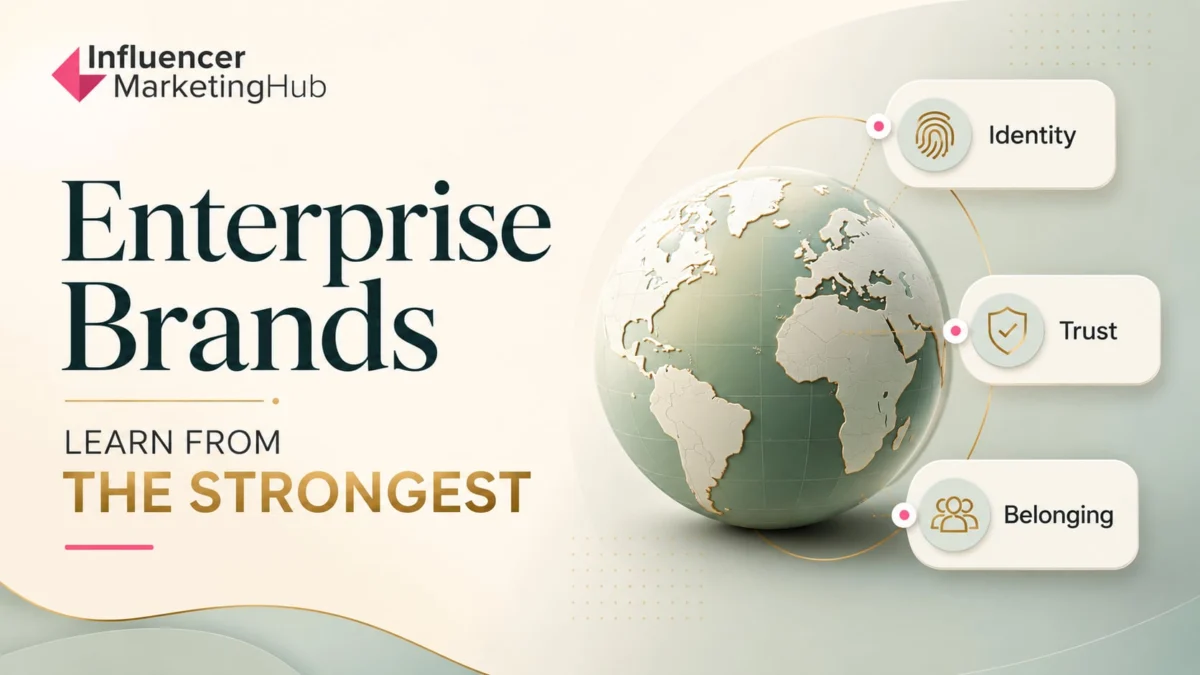
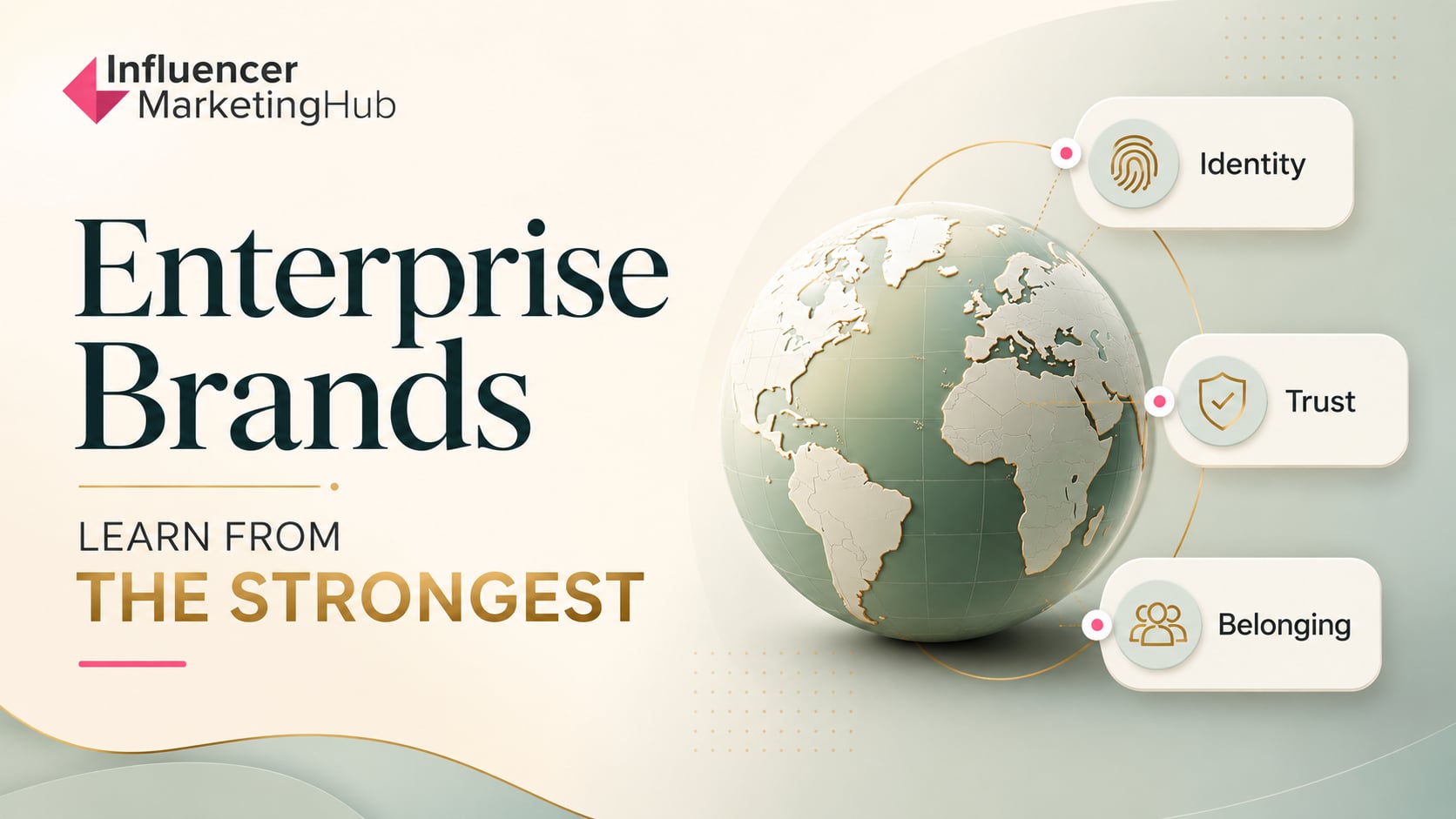
When utility is a commodity, differentiation must happen elsewhere. Modern branding has migrated toward the psychological: identity, belonging, and aspiration.
The Psychology of the "Extended Self"
Psychologist Russell Belk’s theory of the "extended self" provides the bedrock for understanding this transition. Belk posited that our possessions are not external to us; they are extensions of our identity. When we purchase a brand, we are literally "purchasing" a piece of the identity we want to project to the world.
This is further explained by M. Joseph Sirgy’s "self-congruity theory," which suggests that consumers gravitate toward brands that reflect either their current self-image or their ideal self-image. A consumer might buy Nike sneakers because they view themselves as an athlete (current self), or they might buy them as a step toward becoming the version of themselves that works out daily (ideal self).
Cultural Capital and the Signaling Effect
Sociologist Pierre Bourdieu’s concept of "cultural capital" explains why certain aesthetics—the "right" smoothie, the "right" coffee machine, the "right" fashion label—carry so much weight. Possession of these items signals to a specific in-group that the owner possesses the taste and knowledge required to belong to that world. It is a quiet, powerful declaration: I understand the cultural codes of this space, and therefore, I belong here.
Finally, Aron & Aron’s "self-expansion theory" provides the emotional hook. Humans have an innate drive to grow and expand their sense of self. By aligning with brands that promise an "expanded" version of our lifestyle, we feel a surge of emotional satisfaction that goes far beyond the practical use of the product.
The Chronology of a Cultural Shift
To understand how we arrived at the current "World-Building" era, we must look at the timeline of consumer-brand relationships:
- 1950s–1980s (The Era of Utility and Mass Media): Brands focused on mass-market TV advertising. The goal was reach and recognition. The product was the hero, and the message was simple: "Our soap cleans better than theirs."
- 1990s–2000s (The Era of Lifestyle Branding): Companies like Apple and Nike began shifting the narrative. They stopped talking about processors and soles and started talking about "Think Different" and "Just Do It." The product became an extension of a lifestyle.
- 2010s (The Rise of Digital Communities): Social media democratized influence. Brands had to move from one-way broadcasts to two-way conversations.
- 2020s–Present (The World-Building Era): The current landscape, defined by creator-led ecosystems. The consumer no longer wants to be "sold to" by a corporation; they want to be invited into a world curated by someone they trust.
The Creator’s Role: The Bridge to Relevance
In this new paradigm, creators are not just promotional vehicles; they are architects of cultural relevance. An enterprise brand might have the budget and the manufacturing prowess, but it often lacks "cultural fluency"—the ability to speak the language of the internet in a way that feels authentic rather than intrusive.
When a brand partners with a creator, they are not just buying impressions. They are borrowing the creator’s "world." The creator has already done the heavy lifting of building a community, establishing a visual aesthetic, and cultivating a sense of belonging. When a brand integrates into that space correctly, the product stops feeling like an advertisement and starts feeling like a natural, essential piece of that creator’s reality.
Supporting Data: Why Authenticity Drives Conversion
Market research consistently shows that Gen Z and Millennial consumers prioritize peer-to-peer recommendations over traditional advertising by a wide margin. According to recent industry reports, campaigns that treat creators as creative partners rather than mere distribution channels see:
- Higher Engagement Rates: Authenticity allows the content to bypass "ad-blindness," leading to longer watch times and deeper community interaction.
- Increased Purchase Intent: Because the recommendation comes from a trusted source, the psychological friction of the purchase is significantly reduced.
- Long-Term Brand Equity: Brands that consistently align with creators who share their values see a compounding effect in brand sentiment, as the "world" of the brand becomes more clearly defined over time.
Implications for Enterprise Brands
The biggest mistake large-scale organizations make is viewing creator marketing as a line item on a media plan. When a company treats a creator as a billboard, the audience can smell the artifice immediately. The result is a failure to convert, leading to the common corporate lament that "influencer marketing doesn’t work."
The brands that are winning are the ones that treat creators as co-architects. They invite creators into the product development process, give them agency over the storytelling, and allow them to translate the brand’s core mission into the specific "world" of their community.
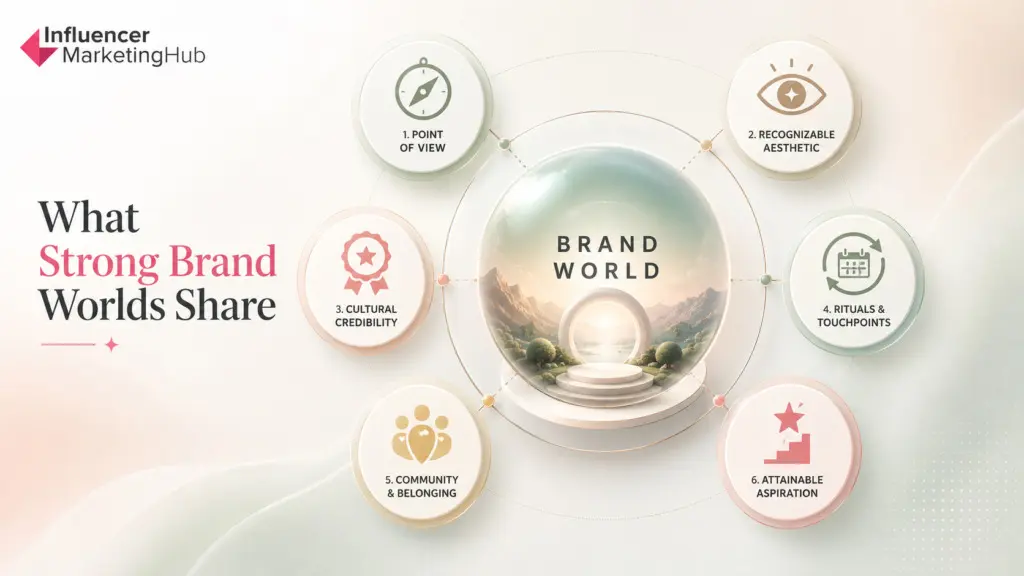
The Six Pillars of an Irresistible Brand World
To build an ecosystem that consumers want to step inside, brands must focus on six core elements:
- Rituals: Creating repeated, meaningful actions that involve the product (e.g., the specific way a creator makes a morning matcha).
- Aesthetics: A consistent visual language that is instantly recognizable across platforms.
- Community: A sense of belonging that extends beyond the product itself.
- Cultural Moments: Active participation in, or creation of, the conversations that matter to the target audience.
- Values: A clearly defined point of view that the consumer can use to define their own identity.
- Accessibility: Ensuring that while the world is aspirational, it remains reachable and participatory for the fan base.
Official Responses and Strategic Shifts
Industry leaders are beginning to take note. CMOs from major global brands are increasingly pivoting away from legacy "celebrity" endorsements toward "niche-influence" strategies.
"We are no longer looking for the person with the most followers," says one industry analyst. "We are looking for the person who has the most coherent world. If the audience isn’t already living in that creator’s world, our product has nowhere to land."
This shift requires a change in internal structure. Marketing teams are evolving from "ad-buyers" into "community managers" and "creative directors." The focus has moved from CPMs (cost per mille) and raw impressions to Connection Metrics—measuring how effectively a brand is integrating into the social fabric of its target demographic.
Conclusion: The Future of Belonging
The brands of the future will not compete on price or utility alone. Those are table stakes. The brands of the future will compete on their ability to offer a compelling vision of reality—a world that the consumer wants to be a part of.
As we look ahead, the divide between the companies that "get it" and those that don’t will only widen. The ones that treat creator partnerships as a transactional media buy will continue to struggle with conversion, unable to understand why their message isn’t landing. Meanwhile, the brands that embrace their role as world-builders—and understand that they cannot build those worlds alone—will foster a level of customer loyalty that money simply cannot buy.
In the end, we don’t just buy products to use them. We buy them to signal who we are, to find our tribe, and to inch closer to the people we hope to become. Smart brands know this. The question for every enterprise leader is simple: Are you just selling a product, or are you offering an invitation?