The American journalism landscape is navigating a period of profound turbulence, defined by escalating political hostility toward the press, massive corporate restructuring, and deep-seated introspection within newsrooms. Over recent weeks, these intersecting pressures have manifested in three distinct arenas: an unprecedented display of solidarity among the White House press corps following targeted administration bans; mounting fears over editorial independence as a massive corporate merger places storied news brands under controversial new leadership; and a rare, reflective look at the mechanics of investigative reporting through a landmark HBO documentary.
While journalists have demonstrated a remarkable capacity to band together in defense of the First Amendment, structural threats from both the political sphere and corporate boardrooms continue to loom large. This report examines the major developments shaping the media industry, evaluating the victories of press solidarity, the alarming consolidation of news empires, and the enduring power of tenacious investigative journalism.
Chronology: A Week of Confrontation and Capitulation
The crisis at the intersection of media and politics unfolded rapidly over a series of high-stakes events:
July (Previous Actions): The White House Correspondents’ Association (WHCA) faced severe criticism—earning a "dart" from media watchdogs—for pushing ahead with its annual dinner just weeks after the Trump administration subpoenaed New York Times journalists, raising questions about whether the association prioritized access over adversarial accountability.
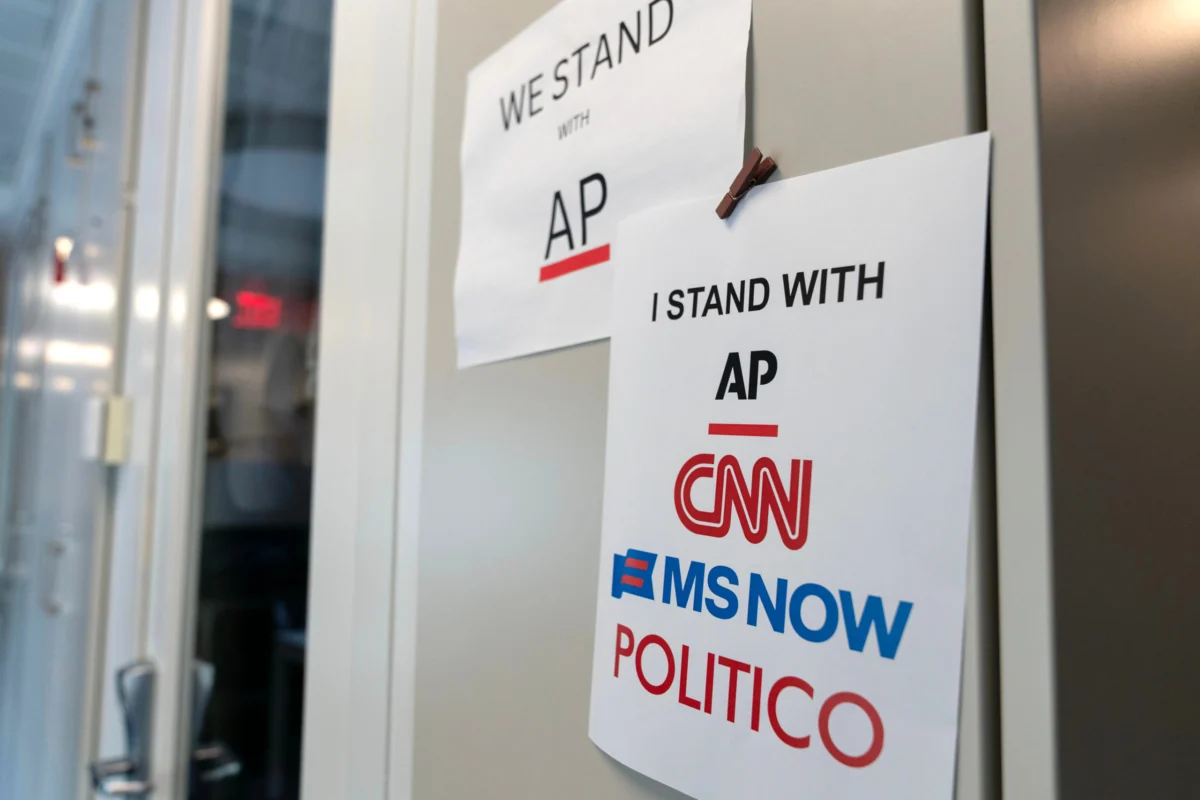
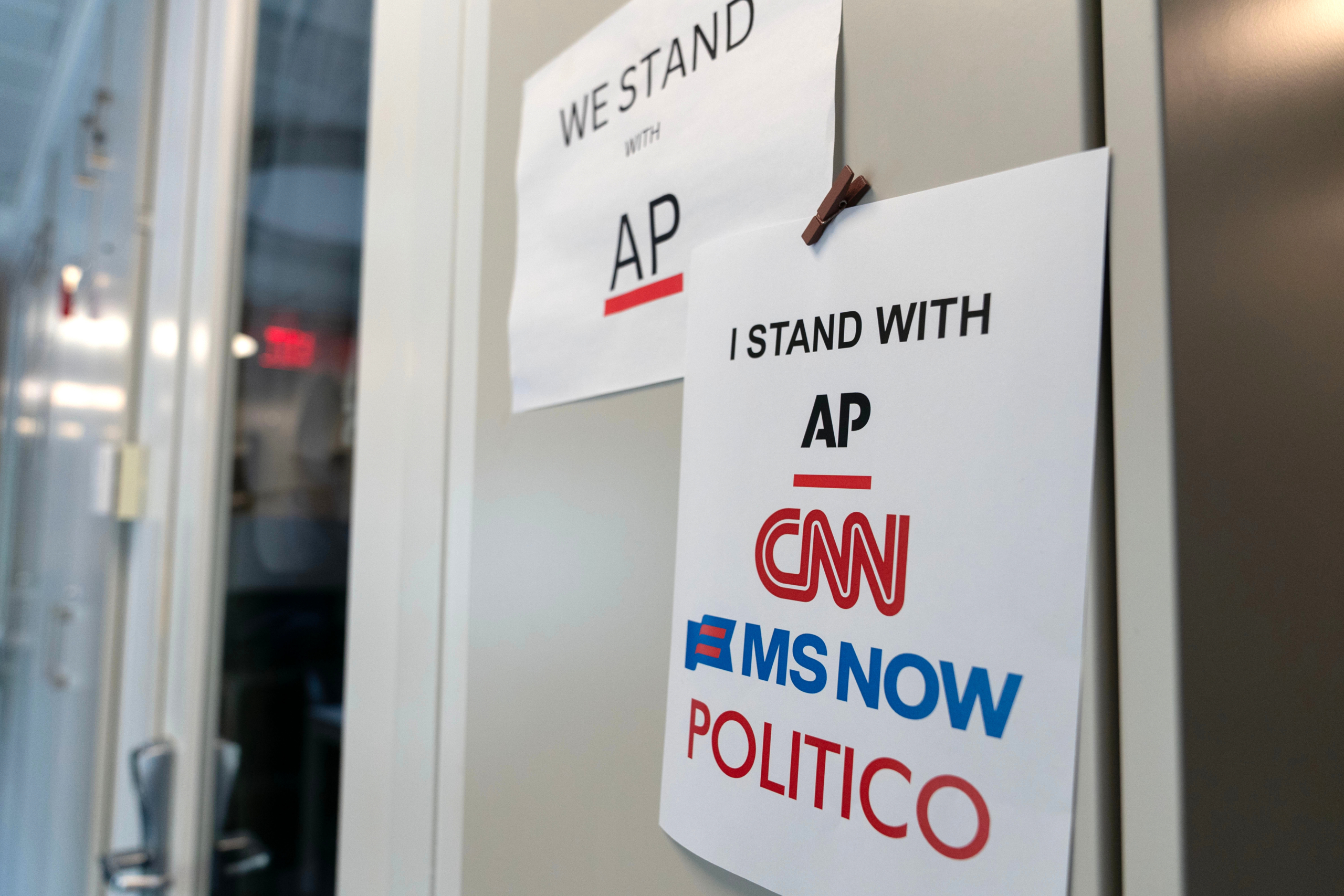
Early September: President Trump escalated tensions by banning reporters from CNN, MS Now, and Politico from the White House grounds, prompting immediate legal action from the affected outlets and widespread pushback from media advocacy groups.
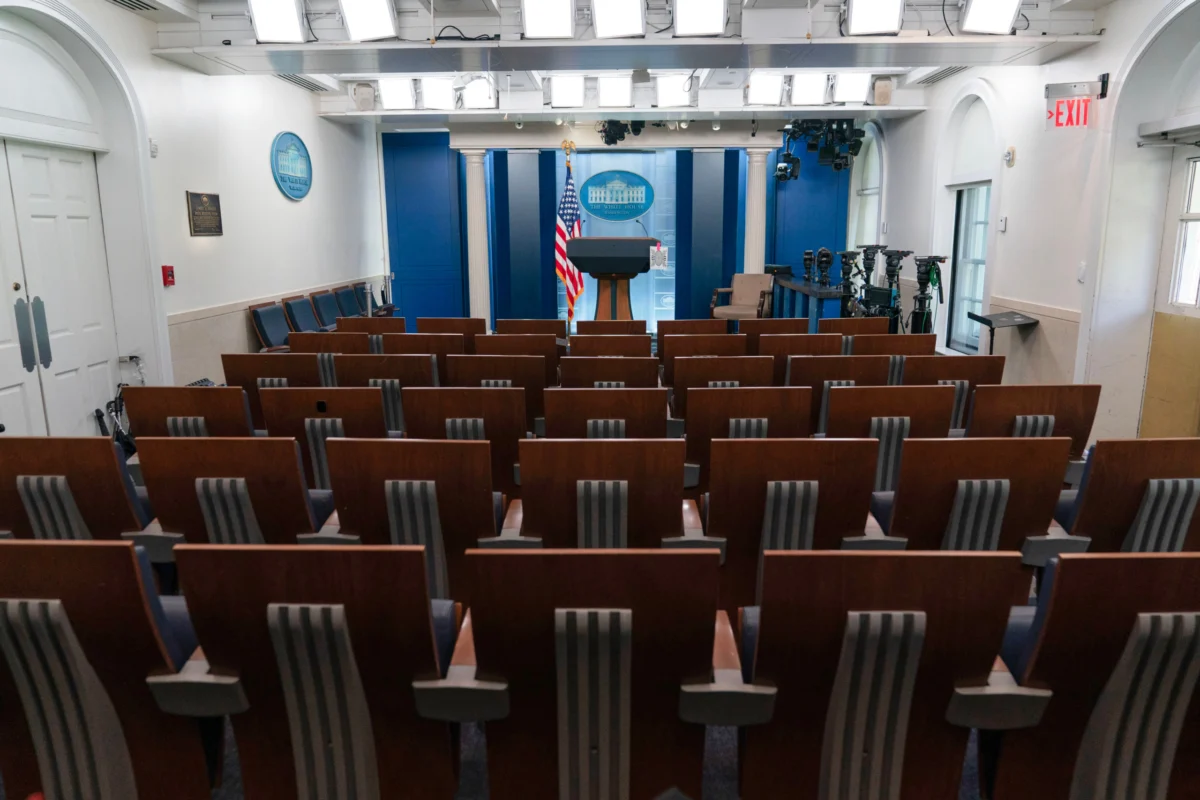
Monday: Major broadcast and cable networks—including ABC, CBS, Fox News, and NBC—collectively refused to backfill CNN’s position in the daily pool rotation, effectively suspending standard television coverage of White House operations in a historic show of solidarity. Concurrently, public radio and major print outlets began withholding audio and photographic assets.
Wednesday: A federal judge held a hearing on the ban, issuing a temporary restraining order that mandated the restoration of press access within fourteen days and noting that the administration’s actions were likely unconstitutional.
Thursday: Brief confusion reigned at the White House as administration officials appeared to briefly resist the judicial order. While some reporters regained entry by noon, others were barred from attending an evening state dinner.
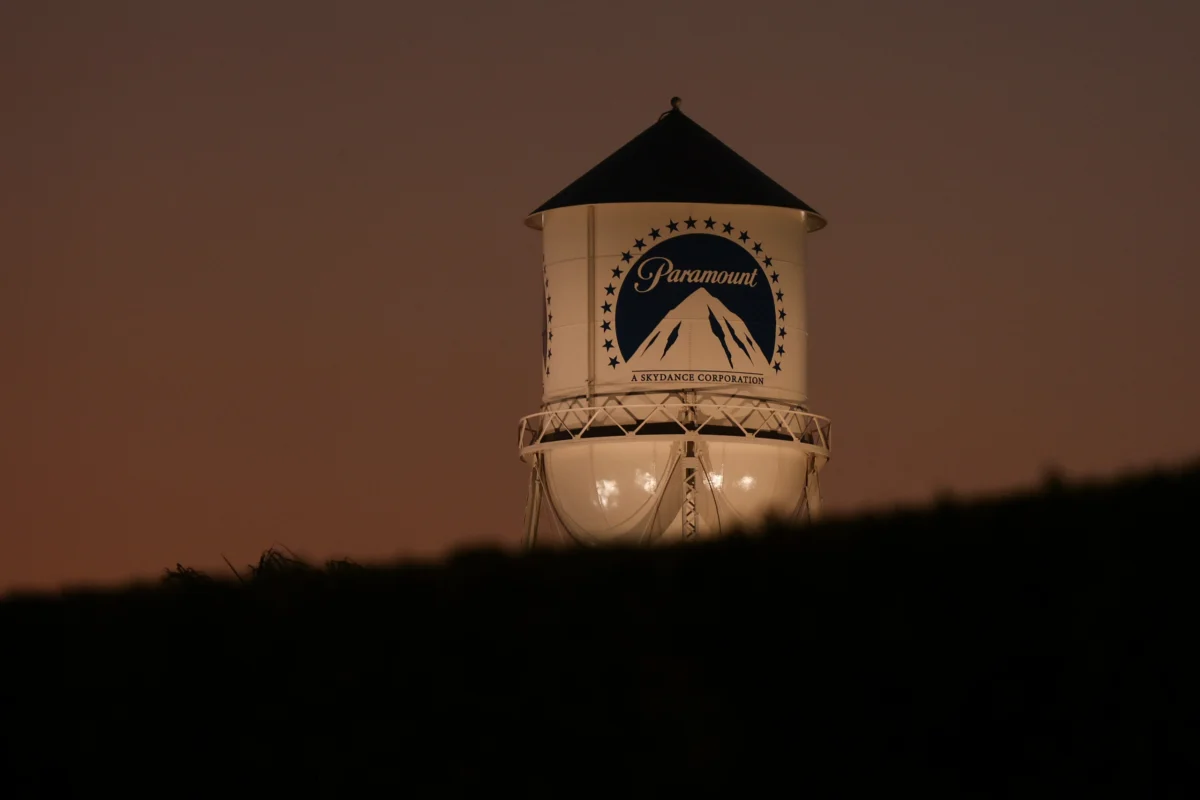
Tuesday: State attorneys general, led by California’s Rob Bonta, announced a settlement in their antitrust lawsuit regarding the Paramount and Warner Bros. Discovery merger. The deal allowed the creation of a massive corporate entity controlled by the Ellison family, bringing outlets like CNN and CBS under a single corporate umbrella.
Supporting Data: The Anatomy of a Press Blackout and Corporate Merger
The scale of recent events highlights tectonic shifts in how news is gathered, distributed, and controlled.
According to reports compiled by the Committee to Protect Journalists and allied newsrooms, an open letter condemning government restrictions on press access was signed by twenty-eight major news organizations. Furthermore, forty-nine separate media entities filed an amicus brief supporting the lawsuit initiated by CNN, MS Now, and Politico.
The operational impact of the subsequent press blackout was historic. As veteran New York Times chief White House correspondent Peter Baker observed, the decision marked the first time in his thirty-year career covering the presidency that a sitting commander-in-chief operated without regular network television camera coverage of official daily actions and travel.
On the corporate front, the Paramount-Warner Bros. Discovery settlement consolidated immense market share under the Ellison family. To mitigate regulatory pushback and concerns over political bias, the merger agreement established a so-called "Editorial Independence Board." This five-person panel—restricted to individuals with at least a decade of journalistic experience and a rule capping partisan affiliation at two members from the same political party—is tasked with resolving disputes over reporting fairness. However, critical data points regarding the board’s appointment structure reveal that its members will be selected directly by the combined corporate board of directors, chaired by Chief Executive David Ellison.
Official Responses and Industry Reactions
The dual shocks of White House bans and corporate consolidation drew sharp reactions from news executives, legal advocates, and political figures alike.
The White House Press Corps and Legal Defenses
Jacqui Heinrich, a Fox News correspondent and president of the WHCA, issued a forceful defense of her colleagues following the initial expulsions.
"The Constitution protects the freedom of the press from government interference," Heinrich wrote, affirming that "the WHCA stands in defense of our colleagues."
In a joint statement explaining their decision to suspend pool coverage, representatives for ABC, CBS, Fox News, and NBC stated:
"No administration should restrict a news organization because it objects to its reporting."
The Paramount-Warner Bros. Merger and the "Editorial Independence Board"
The creation of the Editorial Independence Board failed to placate industry skeptics, who viewed the mechanism as toothless window dressing.
Connecticut Attorney General William Tong, whose state participated in the antitrust coalition, expressed deep dissatisfaction with the final terms of the settlement.
"I was pushing for a spin-off of CNN, untethered from the mother ship," Tong remarked, characterizing the way the Ellison family has managed CBS as "pretty ugly."
Prominent voices within journalism echoed these concerns. Kara Swisher, a prominent tech journalist and CNN contributor, announced her resignation in protest. On social media, she wrote:
"CNN is not going to be protected. As someone recently told me: Always some fuckery."
Jessica J. González, co-chief executive of the media advocacy nonprofit Free Press, offered an equally scathing assessment:
"A fake bipartisan oversight committee won’t save CNN. We have all the evidence we need from the Ellisons’ destruction of CBS about what they do to warp journalism at Donald Trump’s request."
Implications: A Fragile Future for Journalistic Independence
The events of the past week carry profound implications for the future of American democracy and the fourth estate.
1. The Cost of Appeasement vs. The Power of Collective Action
For years, critics have argued that institutional press bodies and major networks lean toward appeasement, prioritizing access over accountability. The unprecedented blackout orchestrated by ABC, CBS, Fox News, and NBC—alongside support from NPR, the Times, and the Washington Post—suggests that media organizations are beginning to realize that selective exclusion is a slippery slope. When the administration targeted specific outlets, the broader press corps recognized that an injury to one is an injury to all. While the White House’s initial resistance to the federal judge’s temporary restraining order indicates that the legal battles are far from over, the display of fellowship marks a watershed moment in collective press resistance.
2. Corporate Governance and the Erosion of Newsroom Autonomy
Conversely, the corporate consolidation symbolized by the Paramount-Warner Bros. Discovery merger points to a troubling erosion of editorial independence. Despite assurances from leadership that CNN’s integrity will be protected, the appointment of an internal board controlled by executives—coupled with swirling rumors regarding prospective oversight by figures like Bari Weiss—has triggered a crisis of confidence among rank-and-file journalists. If legacy newsrooms transform into corporate apparatuses designed to appease political actors, the public’s trust in institutional journalism will suffer irreparable damage.
3. The Enduring Vitality of Grassroots Investigation
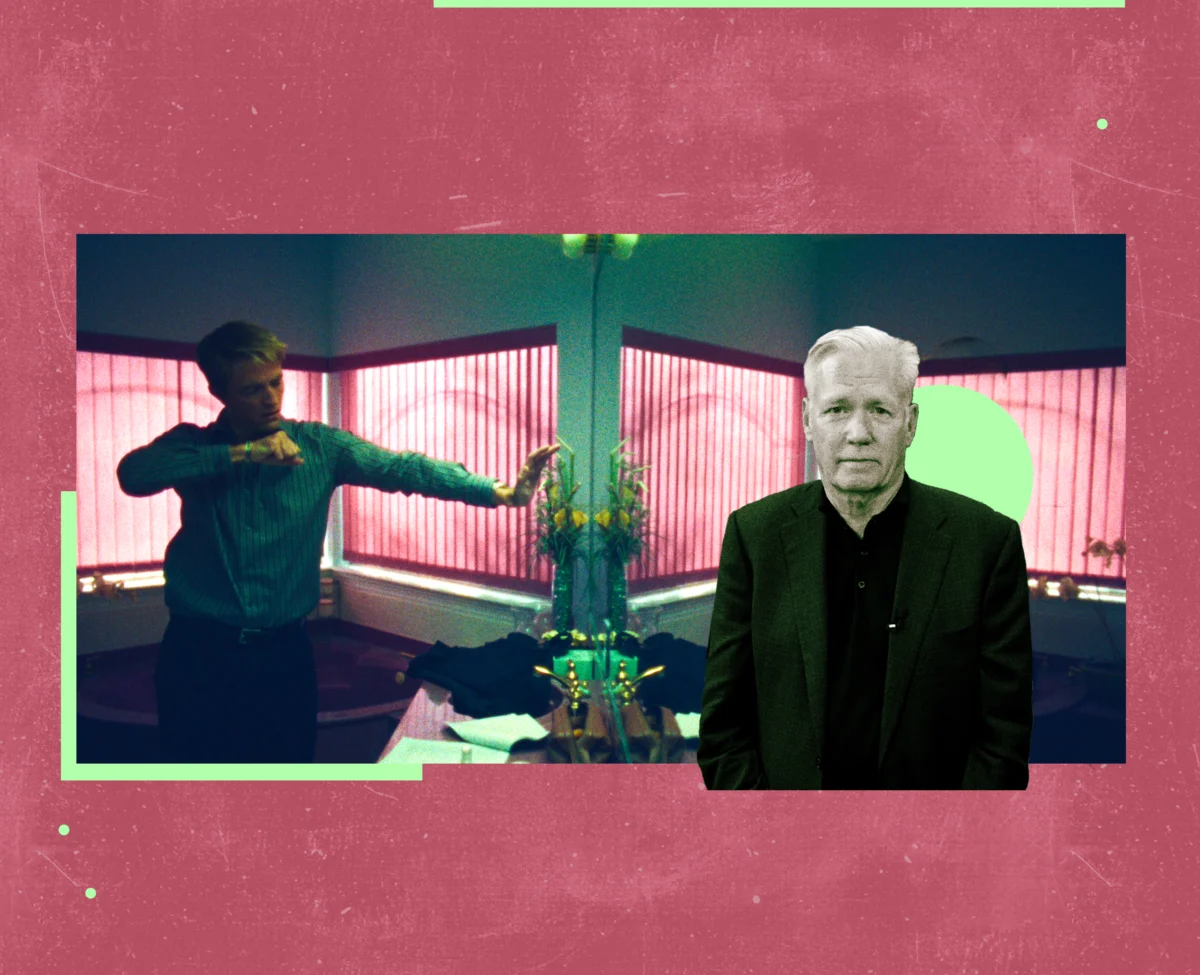
Amid these macro-level systemic threats, the journey of true-crime advocate Eileen Umbehr and journalist Joe Sexton—chronicled in the HBO documentary A Killer Story—serves as a timely reminder of what foundational journalism is meant to achieve. Starting from thousands of ignored emails sent to a skeptical reporter, the six-year investigation that ultimately freed a wrongfully convicted woman underscores the irreplaceable value of persistence. It also offers a cautionary tale about society’s consumption of true crime, contrasting passive entertainment with the grueling, unglamorous work of correcting systemic injustice.
As the press navigates threats from both an increasingly authoritarian executive branch and monolithic corporate ownership, the events of this week demonstrate that while institutional protections are fracturing, the fundamental commitment of individual reporters and united newsrooms remains the ultimate bulwark of a free society.