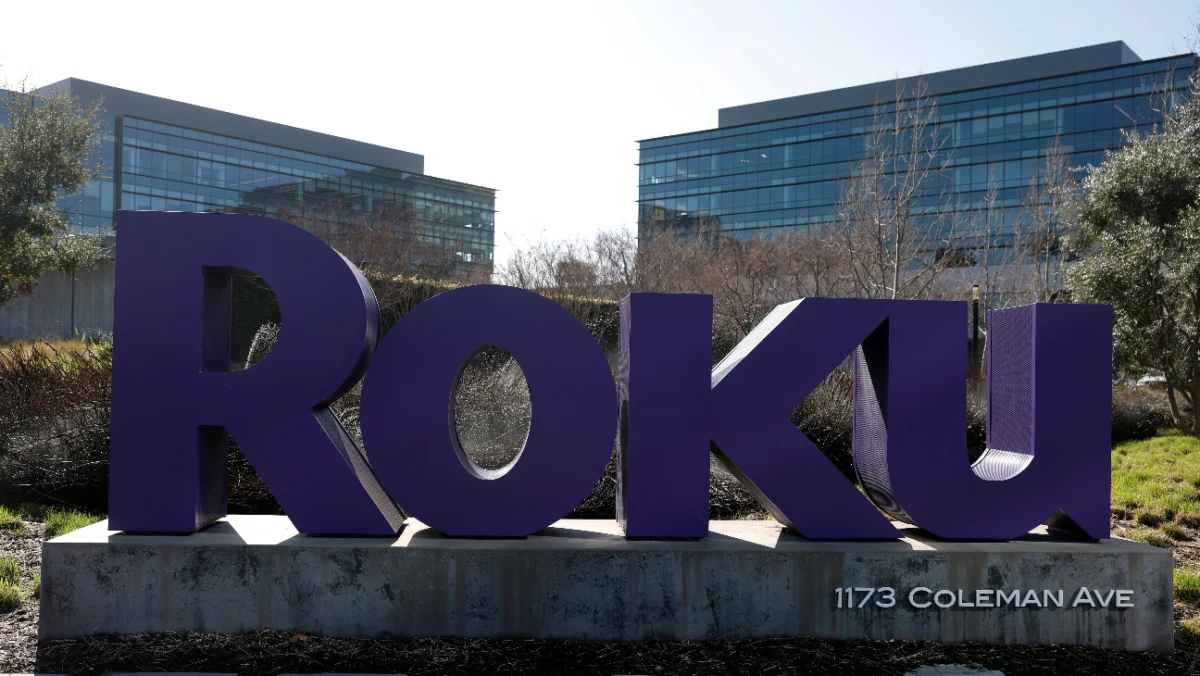
In a landmark transaction that signals a seismic shift in the digital media landscape, Fox Corp. has officially finalized its $22 billion acquisition of Roku. This merger, which combines one of legacy media’s most recognizable brands with one of the world’s most influential streaming distribution platforms, creates a formidable new power player capable of dictating the future of home entertainment.
The deal, which received the green light from the U.S. Department of Justice (DOJ) this past Friday, was not approved without stringent oversight. To mitigate concerns regarding market dominance and anticompetitive behavior, the DOJ forced Fox to accept a series of binding concessions. These requirements are designed to preserve a level playing field in the increasingly crowded streaming ecosystem, ensuring that Fox’s newfound control over the “digital front door” of millions of American living rooms does not stifle its competitors.
The Terms of the Settlement: Regulating the Gatekeeper
The DOJ’s approval is contingent upon a strict behavioral decree aimed at preventing Fox from leveraging Roku’s platform to unfairly boost its own programming at the expense of rivals. Under the terms of the agreement, Fox has committed to a series of safeguards that will remain in effect for at least three to five years, with some data-privacy protections extending until 2029.
Key Concessions Mandated by the DOJ:
- Platform Neutrality: Fox must maintain a neutral stance toward competing streaming services. The company is prohibited from manipulating search results or home screen placements to prioritize Fox-owned content over third-party applications.
- Content Continuity: Fox has agreed to continue carrying non-Fox movies and television shows for a minimum of three years, ensuring that Roku’s existing library remains intact for consumers.
- Data Siloing: Perhaps the most significant constraint involves user data. Fox is prohibited from sharing sensitive information—such as user search history, viewing habits, and click-through data—gained from the Roku platform with its internal content production teams. This “firewall” is intended to prevent Fox from gaining an unfair competitive advantage by leveraging proprietary data on how rival content performs.
- Third-Party Access: Fox must provide external content providers with transparent access to audience data, ensuring that competitors can continue to optimize their own performance on the platform without being sidelined by the parent company.
A Chronology of the Deal: From Negotiation to Integration
The path to this $22 billion merger was both rapid and intense, unfolding against the backdrop of a volatile media market defined by cord-cutting and the fierce battle for ad-supported streaming dominance.
Phase 1: The Initial Overtures (12 Months Ago)
Initial discussions regarding a potential tie-up between Fox and Roku began over a year ago. At the time, both companies were facing existential pressures: Fox, while successful in live news and sports, sought a more robust digital footprint, while Roku needed to expand its content offerings to combat increasing competition from hardware manufacturers like Amazon and Google.
Phase 2: The Formal Agreement (Five Months Ago)
Despite the complexity of the regulatory hurdles, the formal agreement was signed just five months ago. The speed of the negotiations underscored the urgency felt by both boards to consolidate their market position before the macroeconomic climate tightened further.
Phase 3: The Regulatory Scrutiny
The DOJ’s antitrust division launched a comprehensive review to determine whether the acquisition would result in an unfair monopoly over ad-supported streaming. The investigation focused on the unique position of Roku as both a hardware manufacturer and a distribution OS (Operating System).
Phase 4: Final Closure
On Friday, the ink dried on the final documents. By acquiring Roku, Fox has effectively purchased the "operating system of the living room," transforming from a traditional broadcaster into a vertically integrated media giant.
Supporting Data: Why This Merger Matters
To understand the scale of this acquisition, one must look at the reach of the two entities involved. Roku is not merely a device manufacturer; it is the gatekeeper for millions of households. Its operating system is built into a vast array of smart TVs, making it the default interface for millions of viewers in the United States.
Market Power Indicators:
- The Tubi Factor: With the acquisition of Roku, Fox now owns two of the largest free, ad-supported streaming television (FAST) platforms in existence: Tubi and The Roku Channel. This consolidation gives Fox a massive share of the ad-supported market, a segment currently seeing explosive growth as consumers move away from expensive cable bundles.
- Fox One’s Strategic Positioning: By folding its premium streaming service, Fox One, into the Roku ecosystem, the company gains instant access to a massive, pre-existing user base. This significantly lowers the customer acquisition costs (CAC) that typically plague new streaming services.
- The "Home Screen" Real Estate: In the modern television era, the home screen is the most valuable real estate in media. By controlling the interface, Fox now dictates the discovery process. When a user turns on their television, the apps they see first and the content they are recommended are largely determined by the platform’s algorithm.
Official Responses and Justifications
The DOJ’s decision to approve the deal was rooted in a pragmatic view of the market’s competitive dynamics. The Department concluded that the transaction is "not likely to result in harm to competition" within the free, ad-supported streaming sector.
In a formal statement, the DOJ noted: "The investigation found that, because Roku relies on a broad offering of content from many providers to attract consumers, the merged firm would suffer monetary and reputational harm if it attempted to use the Roku platform to harm Fox’s content rivals."
Essentially, the regulators believe that the business model of Roku relies on being a "Switzerland" of streaming. If Roku were to prioritize Fox content to the point where Netflix, Disney+, or YouTube became difficult to access, users would simply switch to a different device, such as an Apple TV or Amazon Fire Stick. This consumer choice serves as a natural deterrent against the abuse of market power.
Fox leadership has echoed this sentiment, framing the acquisition as an investment in user experience. "Our goal is to build a more robust, integrated ecosystem that benefits the viewer," a spokesperson for Fox Corp. stated. "We recognize the responsibility that comes with this platform and remain fully committed to the terms of our agreement with the Justice Department."
Implications for the Future of Media
The Fox-Roku merger is expected to have long-lasting implications for the streaming industry, potentially triggering a new wave of consolidation.
1. The Death of the "Neutral Platform" Era
For years, streaming platforms like Roku and Amazon Fire TV were viewed as neutral hardware providers. This deal effectively ends that era. As media companies increasingly look to own both the content and the distribution mechanism, the lines between “platform” and “publisher” are blurring. Competitors will likely be watching closely to see if Fox can truly remain a neutral gatekeeper.
2. A New Ad-Tech Powerhouse
By combining Roku’s proprietary ad-targeting technology with Fox’s massive library of news, sports, and entertainment content, the new entity becomes a titan in the digital advertising market. Advertisers now have a one-stop shop to reach millions of viewers across a platform that knows exactly what those viewers are watching. This creates a data-driven advertising engine that could be difficult for smaller, independent media companies to compete against.
3. The Future of Content Discovery
The power to control what a viewer sees first is the power to define the culture. As Fox integrates its own content more deeply into the Roku interface, it will be able to drive viewership for its original programming with unprecedented efficiency. Whether this leads to a better user experience or a narrowed, more homogenized media landscape remains to be seen.
4. Regulatory Precedent
This deal will likely serve as a benchmark for future antitrust reviews in the media sector. By choosing a path of "behavioral remedies"—mandating specific actions like data silos and search neutrality—rather than blocking the deal entirely, the DOJ is signaling that it prefers to regulate the behavior of tech giants rather than break them up.
Conclusion
The acquisition of Roku by Fox Corp. for $22 billion represents the culmination of years of industry evolution. It is a bold, capital-intensive move that secures Fox’s relevance in a digital-first world. While the DOJ’s concessions provide a necessary layer of protection for the broader market, the long-term reality is that the media landscape has been fundamentally altered. The gatekeepers have now become the content creators, and the battle for the living room has moved into a new, high-stakes chapter. Whether this marriage of legacy broadcasting and modern streaming tech will thrive under the watchful eye of federal regulators is the defining question for the industry in the coming decade.