In the annals of British pop culture, few entities loom as large as The Beatles and Doctor Who. While the two icons seem to exist in separate spheres—one defining the sound of the 1960s, the other defining the landscape of British science fiction—their histories have occasionally intersected in ways that are as unexpected as a time-traveling police box.
Perhaps the most fascinating of these intersections occurred in 1965, when the BBC’s long-running sci-fi series inadvertently became the guardian of a lost piece of musical history. Through a quirk of television production and the TARDIS’s "time-space visualizer," a rare performance of "Ticket to Ride" was saved from the broadcast industry’s notorious "wiping" era, creating a permanent, albeit small, digital footprint of a moment that otherwise would have vanished forever.
The Era of the Great Wipe: Why Footage Disappeared
To understand the significance of this preservation, one must first understand the state of television archiving in the mid-20th century. During the 1960s and 1970s, the BBC—like many broadcasters worldwide—faced significant storage and budgetary constraints. Magnetic videotape was an expensive commodity, and the industry standard was to reuse tapes to record new programming.
This practice, now referred to as the "wiping era," resulted in the loss of thousands of hours of television history. Many classic episodes of Doctor Who itself were lost during this period, alongside countless episodes of Top of the Pops. Because music performance footage was often treated as disposable, the master tapes for many of The Beatles’ early appearances were erased, effectively deleting the visual history of the band’s meteoric rise.
The 1965 "Chase" Phenomenon
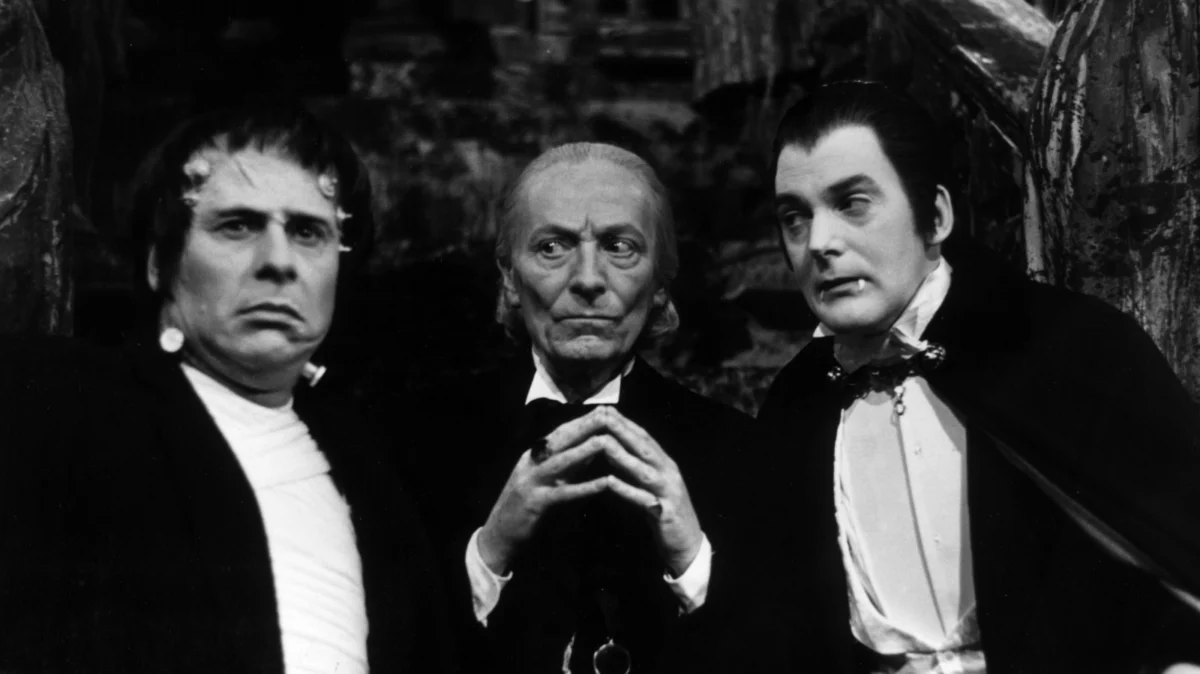
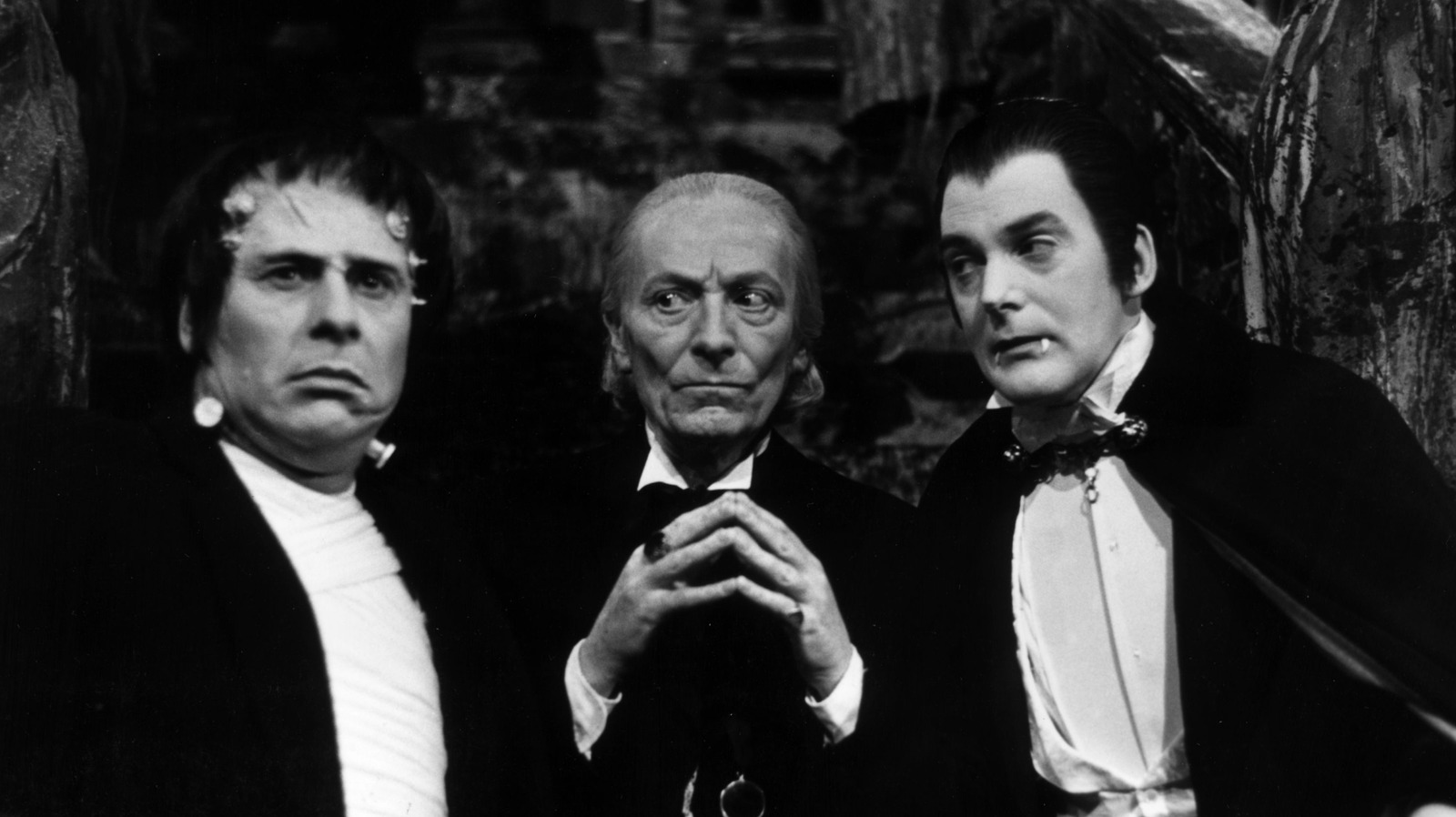
In the first episode of the 1965 Doctor Who serial "The Chase," titled "The Executioners," the Doctor (played by William Hartnell) and his companions—Ian, Barbara, and Vicki—find themselves monitoring a "time-space visualizer." This device allowed the characters to observe events occurring across different times and places.
For a brief, shining moment, the Doctor tunes into a broadcast of Top of the Pops, where The Beatles are seen performing their hit single "Ticket to Ride." It was a meta-textual nod to the show’s contemporary cultural landscape, grounding the science-fiction narrative in the reality of 1965 Britain.
Because this footage was captured on the master tape of the Doctor Who episode itself, it escaped the fate of the original Top of the Pops broadcast. Today, it remains the only known surviving visual record of that specific performance. It is a strange irony that a show about time travel serves as the anchor for a piece of music history that can no longer be retrieved from its original source.
The Road Not Taken: A Near-Miss Casting
The relationship between the Fab Four and the Time Lord almost became much more direct. During the production of "The Chase," there were internal discussions regarding whether the band might actually appear in the episode. The proposed concept would have seen the group playing older versions of themselves, performing at a futuristic 50th-anniversary concert.
However, the plans were thwarted by Brian Epstein, the band’s legendary manager. Epstein, who was famously protective of the band’s image and brand, felt that a cameo in a children’s science-fiction show did not align with the group’s trajectory or their status as global icons. While the idea was abandoned, the show’s production team opted to include the Top of the Pops clip instead, unknowingly creating a "time capsule" that would outlast the original source material.
The Legal Labyrinth of Licensing
While the footage survives, its availability to the public remains fraught with complexity. Because The Beatles are arguably the most protected intellectual property in the history of music, licensing their likeness and sound is notoriously difficult.
Even modern prestige television has struggled with these hurdles. For instance, the Apple TV+ series For All Mankind notably altered an Easter egg involving the band after producers became concerned about potential lawsuit risks. Consequently, the brief clip in "The Chase" is often subject to regional copyright restrictions. In many international DVD distributions and streaming releases, the segment is either cut or blurred, leaving fans to rely on fan-sourced archives or bootlegs to witness this piece of history.
Doctor Who’s Ongoing Love Affair with the Fab Four
The inclusion of "Ticket to Ride" in 1965 was merely the beginning of a long-standing tradition of Doctor Who referencing The Beatles. Over the decades, the series has peppered its episodes with subtle nods, costume references, and musical cues related to the band. However, the most ambitious attempt to integrate the group into the narrative occurred in the 2024 season.
In the episode "The Devil’s Chord," the Fifteenth Doctor (Ncuti Gatwa) and his companion Ruby Sunday (Millie Gibson) travel to 1963 to witness the band during the recording sessions for their debut album, Please Please Me.
The episode takes a fantastical turn when the Doctor discovers that the band is not just recording a hit, but—due to the meddling of a villainous entity known as Maestro—is actually in the midst of producing one of the worst tracks in their history. The episode serves as a love letter to the power of music, depicting the band not as untouchable gods, but as creative humans navigating the pressures of fame and artistic integrity.
Official Perspectives: The Quest for Joy
Showrunner Russell T. Davies has been vocal about the importance of the 2024 season’s tonal shift. In several interviews, Davies emphasized that the goal for the latest iteration of Doctor Who was to provide a "joyous escape from the real world."
"Song and dance tend to be things that spring out of us when we’re feeling joyful," Davies noted, framing the musical elements of the season as a deliberate stylistic choice. Ncuti Gatwa, who plays the Doctor with a vibrant, rhythmic energy, echoed this sentiment, suggesting that the intersection of music and science fiction is a natural fit for a show that has always championed imagination and wonder.
Implications for Archival Preservation
The story of "The Chase" highlights a broader issue in media studies: the fragility of cultural memory. In the digital age, we often assume that content is "there forever." However, the case of the 1965 Doctor Who clip proves that preservation is often accidental rather than systematic.
Cultural historians argue that if such a significant moment in music history can be relegated to a fragment within an unrelated sci-fi serial, there are likely countless other moments of artistic significance buried within forgotten tapes and production reels. The ongoing interest in this specific clip—and the subsequent legal battles to keep it available—underscores the enduring cultural gravity of The Beatles.
Conclusion: A TARDIS for the Ages
Whether it is a grainy, black-and-white performance of "Ticket to Ride" or an elaborate, high-budget musical homage in a modern episode, the relationship between Doctor Who and The Beatles remains a testament to the interconnected nature of 20th-century pop culture.
The Doctor has traveled to the ends of the universe and back, but the most remarkable journey remains the one that took a 1965 performance and hid it away in the heart of a time machine, ensuring that, against all odds, the music didn’t just fade away—it traveled through time.