In the rapidly evolving landscape of home entertainment, Amazon’s Fire TV Stick once stood as the gold standard for accessible, affordable streaming. By balancing hardware performance with an open ecosystem, Amazon captured a significant portion of the living room market. However, a seismic shift has occurred with the rollout of the company’s proprietary "Vega OS." What was intended to be a streamlined, next-generation experience has instead triggered a wave of consumer backlash, performance degradation, and a fundamental questioning of Amazon’s long-term strategy for its streaming hardware.
The State of the Platform: A Critical Overview
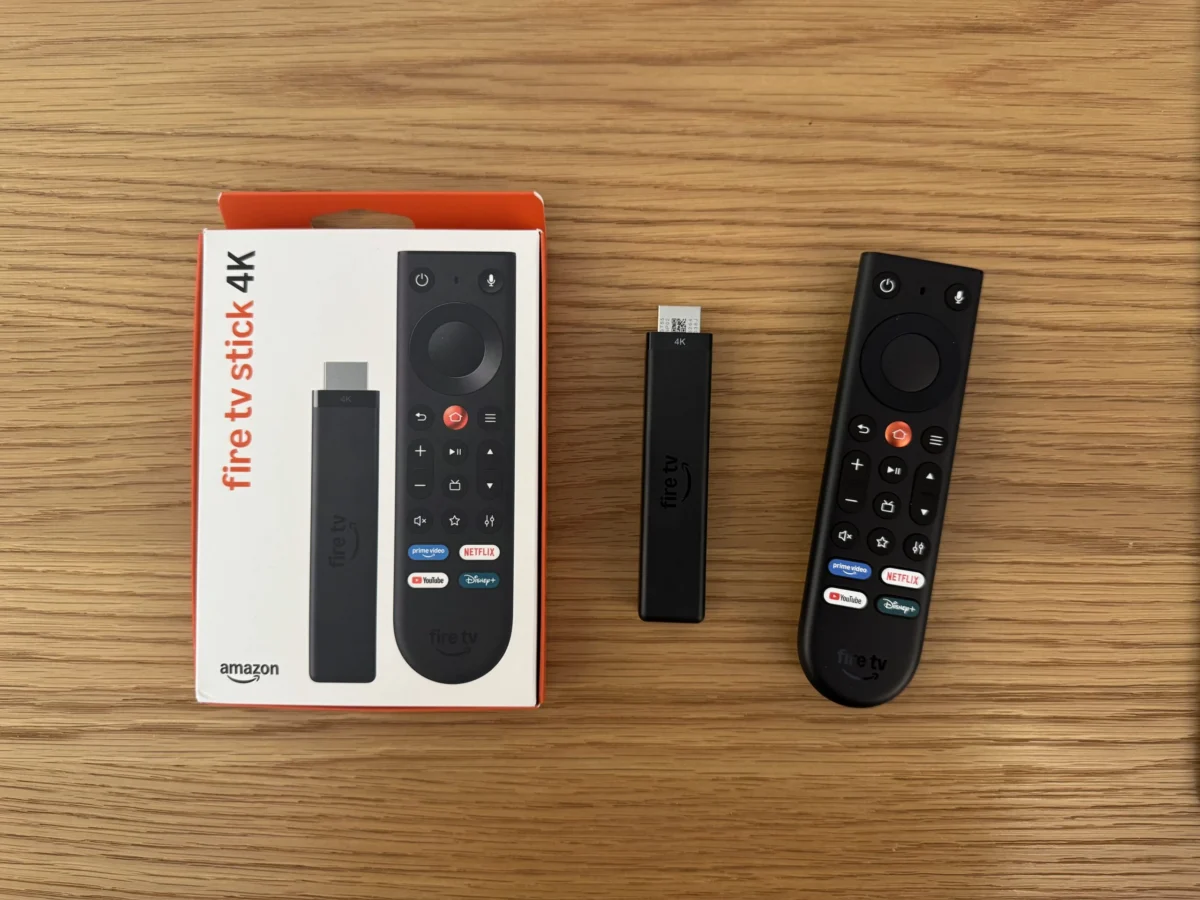
The latest iteration of the Fire TV Stick 4K has arrived at a moment of profound consumer dissatisfaction. Current data suggests that the transition to Vega OS—an operating system built on a custom Linux foundation—is failing to meet the expectations set by its predecessor, Fire OS.
The primary complaints center on the hardware’s inability to maintain a fluid user interface. Despite Amazon’s marketing claims of "increased speed" and "optimized performance," real-world testing paints a different picture. Users have reported significant input lag, stuttering animations, and a general lack of responsiveness that renders the interface feel "drunk" or unoptimized. When combined with the removal of previously standard features, the Fire TV Stick 4K has transformed from a top-tier streaming recommendation into a cautionary tale of software-hardware misalignment.
A Chronology of the Decline: From Open Ecosystem to Walled Garden
To understand the current frustration, one must look at the recent timeline of Amazon’s software strategy.
- The Announcement of Vega OS: Amazon began signaling a pivot away from the Android-based Fire OS toward their own internal Linux-based platform, Vega OS. The goal, according to company insiders, was to reduce dependence on Google’s ecosystem and create a more "focused" environment.
- The Launch of the 4K Model: The release of the newest Fire TV Stick 4K marked the first major hardware rollout featuring the new OS as the primary interface.
- The "Gray Box" Bug: Shortly after release, users began reporting a visual glitch where streaming icons for services like YouTube and Hulu would vanish, replaced by generic gray placeholders. This rendered the home screen functionally useless for non-technical users.
- The Sideloading Lockdown: Perhaps most controversial was the restrictive nature of Vega OS, which effectively crippled the "Developer Options" menu. Users who had become accustomed to sideloading niche apps or custom launchers found themselves locked out of their own devices.
- The Current Tipping Point: As of October 2026, the sentiment on Amazon’s own product pages has turned hostile, with 53% of consumer reviews sitting at a one-star rating—a catastrophic metric for a flagship consumer electronic device.
Supporting Data and Technical Failures
The technical hurdles facing the new Fire TV Stick 4K are not merely anecdotal; they represent a fundamental departure from the high-fidelity expectations of the 4K streaming market.
The "Gray Box" Phenomenon
For weeks, the interface failed to render metadata for major streaming apps. This visual degradation was not just an aesthetic issue; it highlighted a synchronization failure between the new OS and Amazon’s cloud-based app catalog. While Amazon has since issued a patch, the fact that such a bug made it to production is symptomatic of the rushed transition to Vega OS.
The Loss of Advanced AV Standards
Perhaps the most damaging revelation for home theater enthusiasts is the inconsistent support for Dolby Vision and Dolby Atmos. When a consumer purchases a device specifically labeled "4K," the expectation is full compatibility with premium audiovisual standards. The new OS appears to struggle with the handshake protocols required for these formats, turning a high-end streaming device into a standard 1080p-tier experience for many users.
The "Alexa+" Problem
Amazon has touted a "focused Alexa+ experience" as a selling point for the new devices. However, user feedback suggests that the voice integration is more restrictive than ever. Instead of providing faster results, the AI assistant feels "half-baked," often failing to execute deep-link commands that were previously standard on older Fire OS models.
Official Responses: A Damage Control Narrative
In light of the mounting criticism, Amazon has been forced to issue updates and guidance to address the most glaring deficiencies.
Regarding the "gray box" app icons, an Amazon spokesperson stated: "This issue affected only a subset of devices. We have successfully deployed a fix. Users simply need to install the latest firmware update, and the system will re-sync the app rows within 10 to 20 minutes."
Furthermore, addressing the confusion regarding the pinning of non-sponsored apps to the home screen—a major pain point for users who felt Amazon was forcing their own content to the front—the company provided specific instructions to navigate the, admittedly complex, settings menu. While these responses solve the immediate "how-to" problems, they do little to address the broader concern: that the user interface has become intentionally hostile toward user customization.
Implications: The Death of a Market Leader?
The implications of this shift are far-reaching. Amazon is not just losing individual customers; it is losing the "power users" who previously acted as brand ambassadors.
The Exodus to Competitors
For years, the Fire TV Stick was the go-to recommendation for tech-savvy users, home automation enthusiasts, and those looking to sideload alternative streaming services. With the closure of the OS to third-party development, those users are migrating in droves to Roku and the Onn streaming devices (Walmart’s budget-friendly, Google TV-based line). The sentiment is clear: if the device cannot be customized, the consumer will choose the device that is the most stable and least intrusive.
The "Search Bar" Symptom
A telling indicator of consumer sentiment is the predictive text in Amazon’s own search bar. When users begin typing "Fire TV," the autocomplete now suggests "fire tv stick non vega." This reveals that the consumer base is actively searching for the older, "outdated" hardware because it is perceived to be more functional and less restrictive than the "new and improved" version.
The Economic Impact
The loss of high-volume buyers is a significant blow. When power users, who often purchase dozens of devices annually for family, friends, or client setups, announce they are abandoning the ecosystem, the "network effect" that propelled Fire TV to the top of the market begins to reverse. Amazon is currently in a position where its hardware innovation is actively driving its most loyal customer base away.
Conclusion: A Pivot or a Peril?
Amazon stands at a crossroads. The company is clearly attempting to transition its living room hardware into a more controlled, advertising-heavy, and "walled" ecosystem. However, by prioritizing this control over the user experience—specifically regarding performance and openness—they are undermining the very features that made the Fire TV Stick a success.
If the "Fire TV Stick 4K Max" eventually follows the path of the standard stick and adopts the restrictive Vega OS, the current wave of dissatisfaction will likely turn into a full-scale abandonment. For a company that has spent a decade building the world’s most popular streaming platform, the decision to alienate its user base for the sake of a proprietary, underperforming OS may go down as one of the most significant strategic missteps in the history of home entertainment technology.
Unless Amazon takes drastic measures to optimize Vega OS or reintroduces the flexibility that defined the brand, the Fire TV Stick will likely transition from a market leader to a forgotten legacy product, pushed aside by competitors who still understand the value of a user-first experience.