Main Facts
The 2024 Toronto International Film Festival (TIFF) played host to a cinematic throwback of the highest order with the world premiere of Closing Night. Marking the feature-length directorial debut of actor-turned-filmmaker Cody Fern—best known for his work on Ryan Murphy’s American Horror Story—the film is an unabashed, high-stakes melodrama reminiscent of mid-century Hollywood classics. Co-written by Fern and Devon Bostick, the movie channels the spirit of legendary directors like Douglas Sirk and the studio-era powerhouse producer Ross Hunter, who specialized in lush, emotionally turbulent "women’s films" that dominated box offices in the 1950s with titles like Imitation of Life and Magnificent Obsession.
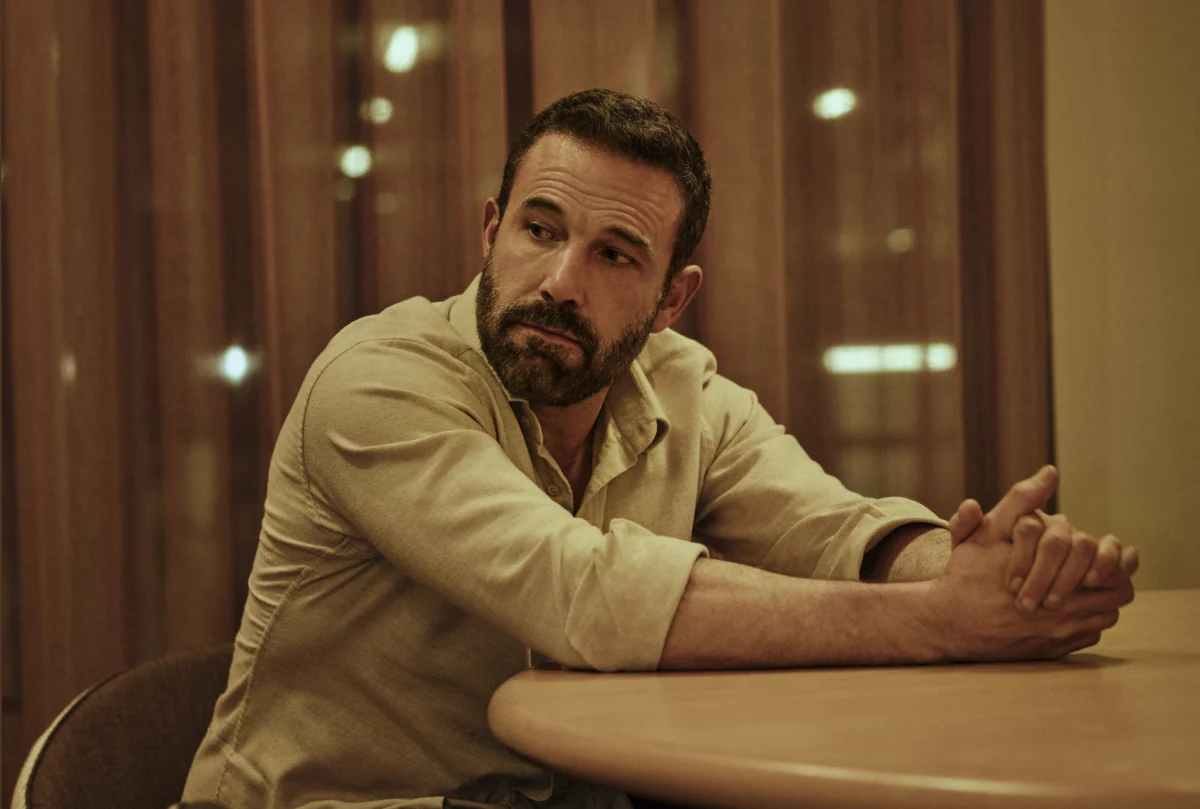
At its core, Closing Night is a searing, deeply fractured character study about motherhood, ambition, generational trauma, and the devastating cost of secrets. Anchored by a powerhouse ensemble cast featuring Sarah Paulson, Naomi Watts, Dianne Wiest, Toby Wallace, and Odessa A’zion, the 115-minute feature unfurls like a tightly wound theatrical stage play. It presents a world where matriarchal bonds are tested, shattered, and occasionally set ablaze by decades of denial and unspoken resentments.
While modern Hollywood has largely pivoted away from unapologetic, melodramatic storytelling that prioritizes theatrical female angst, Closing Night proves that the genre still holds immense magnetic pull—especially when placed in the hands of masterclass actors willing to dive headfirst into the psychological wreckage of complex characters.
Chronology: A Descent Into Familial Chaos
The narrative architecture of Closing Night is meticulously constructed, beginning with a stark portrait of professional invincibility crashing down into personal ruin.
Act I: The Cracks in the Facade
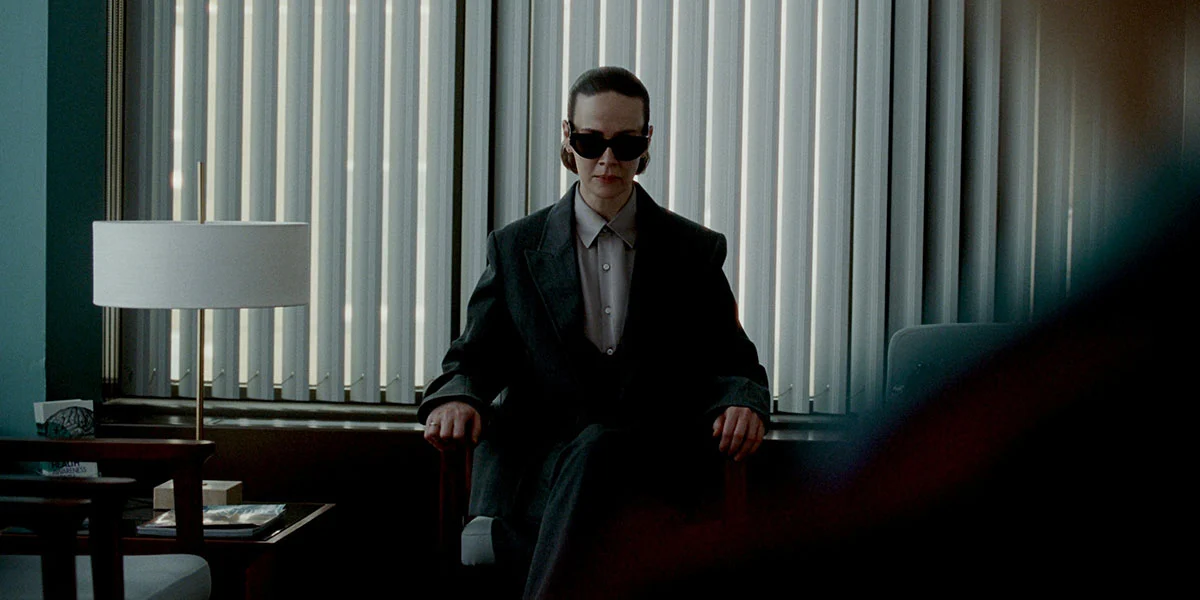
The film opens inside a glittering Broadway theater, where revered stage star Sandra Vale (Sarah Paulson) is performing in her latest hit play. Sandra is a titan of the stage, an actress defined by a career of unblemished triumphs. However, during this particular performance, something is fundamentally amiss. Struggling to maintain her footing and uncharacteristically missing her beats, Sandra insists on pushing forward, deaf to the growing alarm of her producers.
Reluctantly, she submits to a medical consultation and a battery of cognitive tests. The results force her to confront an unthinkable reality: she is exhibiting the early signs of dementia. Rather than accepting the diagnosis, Sandra retreats into a fierce, dangerous state of denial, desperately trying to outrun a cognitive decline she cannot comprehend.
Act II: The Opening Night Cataclysm
In a fateful move that ignites a narrative firestorm, Sandra invites her estranged family to the opening night of her play. What follows is a dual disaster. On stage, Sandra suffers a catastrophic public collapse, shattering her career-long illusion of perfection. Off stage, the situation deteriorates just as rapidly in a hospital room.
Here, the worst fears of Sandra’s eccentric, emotionally volatile sister, April (Naomi Watts), are realized. April discovers that Sandra has secretly tracked down and met April’s estranged son, Theo (Toby Wallace). Theo is currently living with his clueless, free-spirited partner Lucy (Odessa A’zion), completely oblivious to the explosive family history about to detonate beneath his feet.
The chaos reaches a boiling point with the arrival of the family’s vitriolic matriarch, Grandma Diane (Dianne Wiest). A small-town beauty parlor owner unapologetic for her harsh parenting methods, Diane swoops in to stir the pot, dragging decades of buried family lies and toxic secrets out into the open air.
Act III: Reckoning and Resolution
Playing out with the rhythmic intensity of a three-act stage tragedy, the film accelerates its pace of revelations. As the family’s fractured dynamics are laid bare, the tone pivots sharply. The narrative culminates in a shocking, morally complex decision made by Sandra—one that promises to forever alter the trajectory of everyone involved.

Supporting Data & Production Profile
Closing Night was developed as a distinct collaborative effort, bringing together an impressive roster of behind-the-scenes talent alongside its starry marquee names.
Production Details & Credits
- Closing Night
- Festival Premiere: Toronto International Film Festival (Special Presentations)
- Director: Cody Fern
- Screenplay: Cody Fern and Devon Bostick
- Producers: Nancy Grant, Rosalie Chicoine Perreault, Will Howarth, Matilda Comer
- Running Time: 1 hour and 55 minutes (115 minutes)
- Sales Agencies: CAA (U.S.); Mk2 (International)
The Ensemble Cast Breakdown
- Sarah Paulson as Sandra Vale: Delivering a masterclass in unraveling pride, Paulson portrays the ambitious actress whose professional sacrifices are finally catching up with her in the twilight of her career. Having previously worked with Fern on American Horror Story, Paulson brings a fierce vulnerability to the role of a woman losing her grip on her own mind.
- Naomi Watts as April: Watts embraces the theatricality of her role as Sandra’s loopy, perpetually unstable sister. April has spent her life struggling to keep her own act together while trying to be a decent mother to Theo.
- Dianne Wiest as Diane: Wiest delivers a dynamite performance as the sharp-tongued, unapologetic matriarch. Running a small-town beauty parlor, Diane provides the film’s most cutting commentary on generational parenting, refusing to offer remorse for her abrasive methods.
- Toby Wallace as Theo: Wallace adds grounding tension as the son caught in the crossfire of familial manipulation and long-kept secrets.
- Odessa A’zion as Lucy: A’zion brings a youthful, unpredictable energy to the proceedings as Theo’s partner, whose own potential pregnancy adds another layer of complication to an already suffocating family dynamic.
Official Responses and Creative Vision
The transition of Cody Fern from acclaimed television and film actor to feature director has been met with significant critical curiosity, particularly given the bold, retro-fitted nature of his debut. Speaking around the film’s TIFF premiere, the creative team emphasized a desire to resurrect a style of filmmaking that feels increasingly rare in contemporary Hollywood.
Fern, whose artistic sensibilities were shaped in part by his deep collaborations within Ryan Murphy’s television universe, noted that Closing Night was designed as a love letter to the emotionally operatic women’s pictures of the mid-20th century. By casting actors of the caliber of Paulson, Watts, and Wiest, Fern aimed to create an arena where high drama is not a punchline, but an earnest exploration of human suffering and familial guilt.
The producers—spearheaded by Nancy Grant, Rosalie Chicoine Perreault, Will Howarth, and Matilda Comer—championed the project for its refusal to temper its characters’ flaws. In a modern cinematic landscape that often pressures female characters to remain deeply likable or easily redeemable, Closing Night embraces mothers and daughters who make terrible choices, harbor deep resentments, and stumble blindly through their final chances at forgiveness.
Implications: The Return of the "Woman’s Film"?
The premiere of Closing Night at Toronto raises an intriguing question about current cinematic trends: Is Hollywood ready for the return of the unashamed, high-octane theatrical melodrama?
For decades, the "woman’s film"—a term once used by Hollywood studios to categorize melodramas driven by female protagonists dealing with domestic tribulations, romantic sacrifice, and familial estrangement—was a cornerstone of box office revenue. Directors like Douglas Sirk utilized vibrant Technicolor, lush musical scores, and sweeping emotional arcs to critique and portray the stifling domestic realities of American life.
However, as contemporary cinema leaned heavily toward IP-driven blockbusters, gritty realism, and elevated horror, the grand cinematic melodrama largely retreated to the realm of prestige television (such as Big Little Lies or Feud).
With Closing Night, Cody Fern and his stellar cast have attempted to bridge that gap, bringing the grand-scale theatricality of the television prestige drama back to the big screen. The film’s reception at TIFF will likely serve as a bellwether for specialty distributors. If audiences embrace the film’s unapologetic soapiness and towering performances, it could signal an appetite for more mid-budget, star-studded melodramas that give powerhouse actresses the kind of "go-for-broke" material they rarely find in today’s commercial pipeline.
Ultimately, Closing Night reminds viewers of a simple cinematic truth: when masterclass talents like Paulson, Watts, and Wiest are handed meaty, deeply flawed roles, audiences find it nearly impossible to look away. Whether the film achieves the enduring cultural legacy of a Douglas Sirk picture remains to be seen, but its arrival at TIFF proves that the dramatic fire of classic Hollywood melodrama is still burning.