By the CJR Staff
Published as part of the Daily Media Analysis & Laurels and Darts Series
Main Facts: A Tumultuous Era for American Journalism
The landscape of American journalism is currently facing an unprecedented convergence of political hostility, massive corporate consolidation, and the enduring power of grassroots investigative reporting.
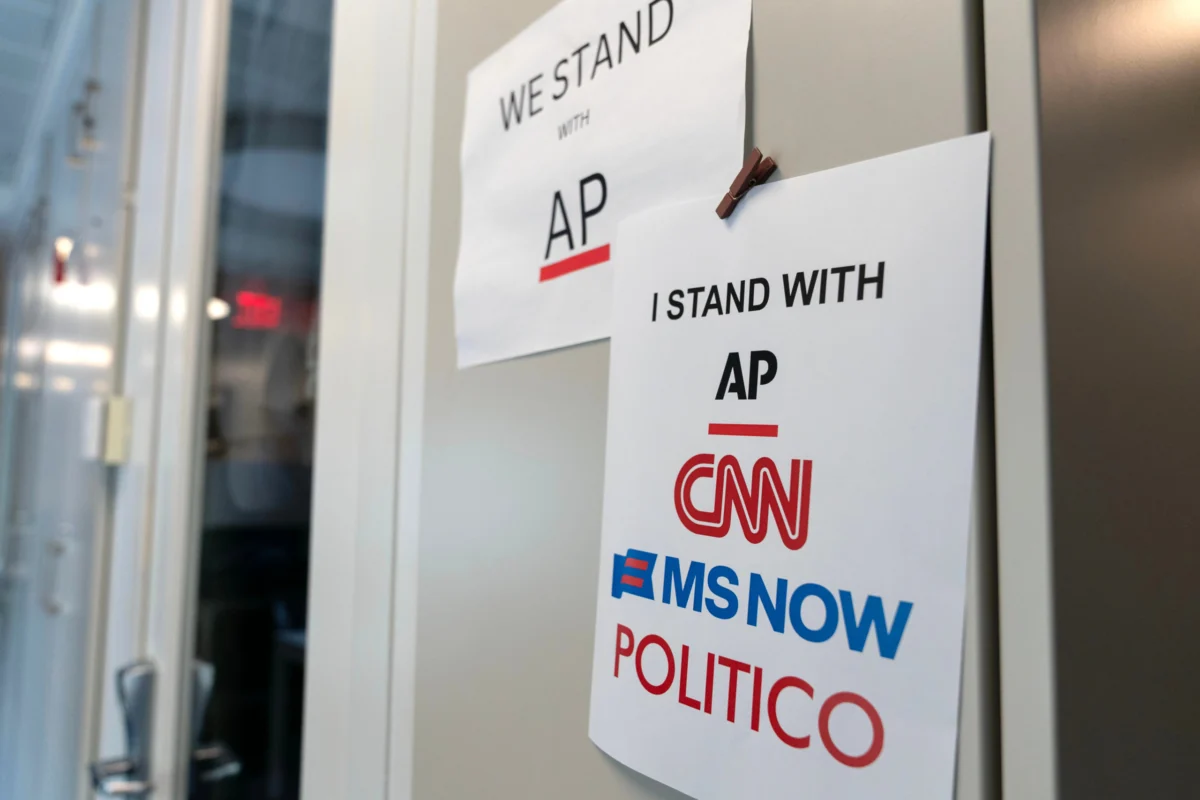
At the center of the political storm is an extraordinary show of solidarity from the White House press corps. Following President Trump’s sudden banishment of CNN, MS Now, and Politico from the White House grounds, the broader media ecosystem took a decisive stand. Rather than acquiescing to government-imposed limitations on press access, competing television networks—including ABC, CBS, Fox News, and NBC—collectively refused to backfill the vacant rotation spots, effectively launching an unprecedented blackout of everyday White House travel and official actions.
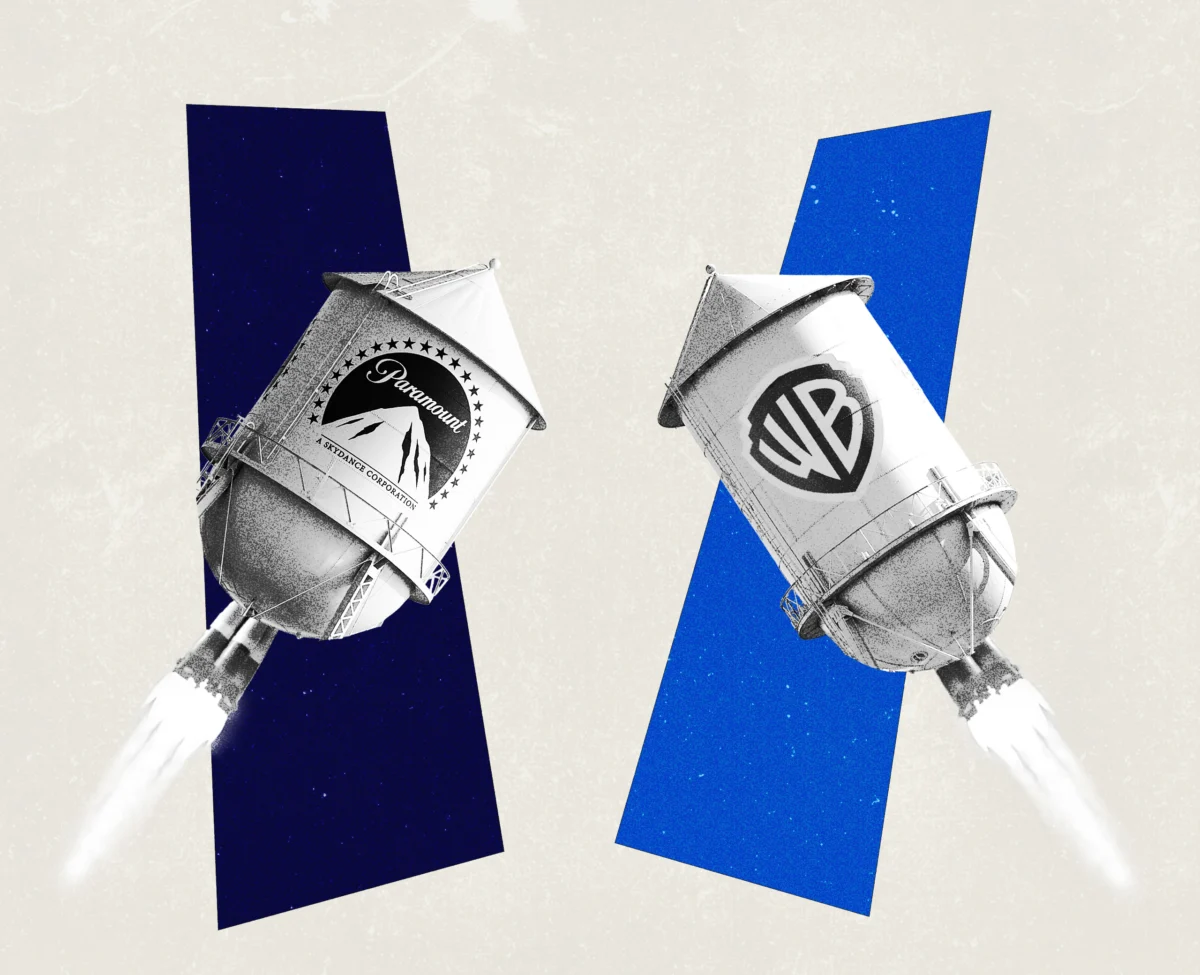
Simultaneously, the business side of the industry is undergoing a seismic and controversial shift. State attorneys general recently settled their antitrust lawsuit against Paramount, clearing the path for a massive corporate takeover led by the Ellison family. This merger places traditional news heavyweights—including CNN and CBS—under a single corporate umbrella. Despite the introduction of a newly minted "Editorial Independence Board," media critics, advocacy groups, and internal newsroom staffers have broadly condemned the move as a hollow gesture that fails to protect editorial integrity from political or corporate interference.
Yet, amid these systemic struggles, the profound impact of dedicated, old-school journalism continues to shine. The conclusion of HBO’s true-crime documentary A Killer Story highlights how a persistent tip from a stay-at-home mother in Kansas ultimately dismantled a deeply flawed double-homicide conviction, thanks to the eventual commitment of a veteran investigative reporter.
Chronology of Events: From White House Bans to Corporate Mergers
The White House Press Crisis
- July: The White House Correspondents’ Association (WHCA) faced severe criticism—and a metaphorical "dart" from media watchdogs—for pushing forward with its annual dinner just weeks after the Trump administration subpoenaed New York Times journalists, raising questions about whether the organization prioritized access over adversarial accountability.
- Early Fall: President Trump banned CNN, MS Now, and Politico from the White House in retaliation for their coverage.
- The Blackout: In a historic display of solidarity, major networks (ABC, CBS, Fox News, and NBC) declined to replace CNN in the pool rotation, suspending routine coverage of the president’s daily official activities. Peter Baker of The New York Times noted this marked the first time in his 30-year career that a U.S. president operated without routine network television camera coverage.
- Legal Action & Judicial Response: The banned outlets filed a lawsuit, backed by an amicus brief from forty-nine media organizations. Following a federal court hearing, a judge issued a temporary restraining order restoring access for fourteen days, deeming the targeted ban likely unconstitutional. Despite initial chaos and administrative defiance at the gates, reporters were eventually permitted entry, though some were barred from a subsequent state dinner.
The Paramount-Warner Bros. Discovery Merger
- Tuesday: State attorneys general, including California’s Rob Bonta, announced a settlement in their antitrust challenge against Paramount.
- Corporate Consolidation: The deal finalized a pathway bringing a vast array of entertainment and news properties—including CNN and CBS—under the direct control of a single corporate entity governed by the Ellison family.
- Fallout: Prominent media figures, including CNN contributor Kara Swisher, announced their resignations in protest, citing deep skepticism regarding the newly proposed "Editorial Independence Board."
Supporting Data and Industry Metrics
- The Amicus Brief: 49 distinct media organizations formally joined forces to back the banned news outlets through legal filings, demonstrating a rare unified front across competitive boundaries.
- The Open Letter Coalition: An open letter organized by the Committee to Protect Journalists was formally signed by 28 separate newsrooms condemning government restrictions on press freedom.
- The Pen Pal Investigation: Veteran reporter Joe Sexton ignored thousands of emails before responding to message number 2,714 sent by true-crime enthusiast Eileen Umbehr. That single response sparked a 6-year filmmaking process that culminated in the gripping HBO docuseries A Killer Story.
- Editorial Board Thresholds: The newly established Paramount-WBD "Editorial Independence Board" is structured to include 5 "established journalists" with a minimum of 10 years of experience, with a mandate that no more than 2 members can be affiliated with the same political party. However, these members are appointed directly by the combined corporate board of directors chaired by David Ellison.
Official Responses and Stakeholder Perspectives
The reactions from institutional leaders, legal experts, and media figures underscore a deep rift between corporate reassurance and deep-seated industry skepticism.
On the White House Press Blackout
Jacqui Heinrich, a Fox News correspondent and president of the WHCA, issued a firm defense of the marginalized outlets:
"The Constitution protects the freedom of the press from government interference. The WHCA stands in defense of our colleagues."
In a joint statement explaining their decision to suspend standard rotation coverage, the major networks emphasized the core principle at stake:
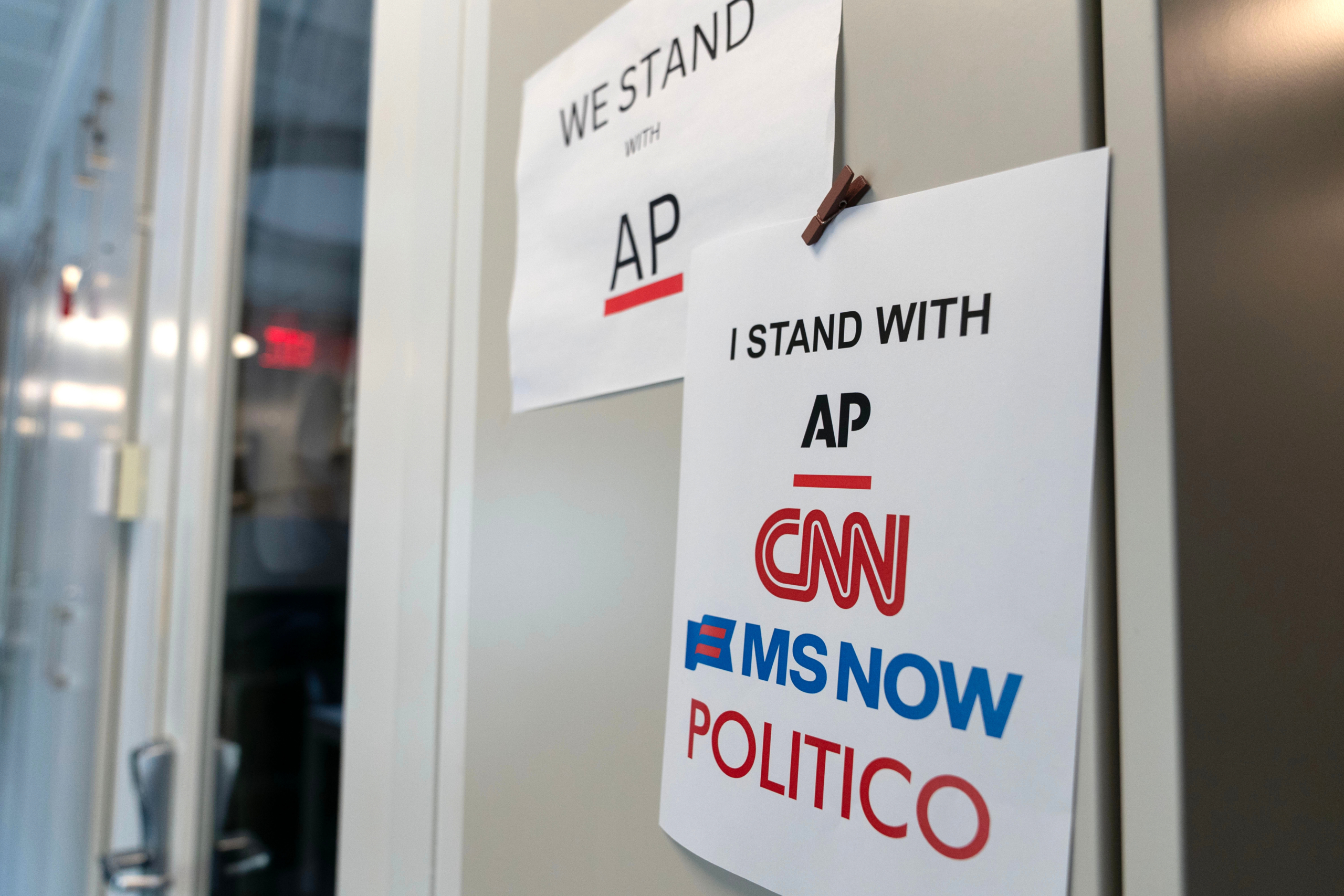
"No administration should restrict a news organization because it objects to its reporting."
On the Paramount-Ellison Merger
The settlement attempts to alleviate fears of political capture through the creation of an Editorial Independence Board designed to resolve disputes over "alleged reporting bias or failure to meet agreed reporting fairness standards." However, this mechanism has faced relentless mockery and rejection from working journalists and advocacy leaders.
Connecticut Attorney General William Tong, whose state participated in the antitrust coalition, expressed open dissatisfaction with the compromise:
"I was pushing for a spin-off of CNN, untethered from the mother ship… The way Ellison has run CBS is pretty ugly."
Jessica J. González, co-chief executive of the media watchdog nonprofit Free Press, offered a scathing assessment of the corporate safeguards:
"A fake bipartisan oversight committee won’t save CNN. We have all the evidence we need from the Ellisons’ destruction of CBS about what they do to warp journalism at Donald Trump’s request."
Kara Swisher, addressing her followers and listeners on social media and her podcast, pulled no punches regarding the new ownership structure:
"CNN is not going to be protected. As someone recently told me: Always some fuckery… [The Ellisons are] terrible media owners."
Echoing these internal doubts, an anonymous CNN executive remarked that staff view the oversight board as entirely performative:

"Nobody thinks it’s going to be some sort of actual firewall."
Implications: The Dual Threats of Government Intimidation and Corporate Capture
The events unfolding across the media landscape point to a perilous moment for the Fourth Estate, characterized by external threats to access and internal threats to independence.
1. The Erosion of Access as a Political Weapon
The Trump administration’s decision to arbitrarily ban specific news outlets represents a direct escalation in state-sponsored media management. By cutting off organizations whose reporting displeases the executive branch, the administration seeks to establish a selective reporting apparatus.
However, the unprecedented response by the White House press corps—refusing to act as scab labor to backfill banned colleagues—signals a vital tactical evolution. For years, critics argued that the press corps’ obsession with maintaining physical access at all costs led to complicity and self-censorship. The recent blackout proves that collective economic and operational solidarity can push back against unconstitutional censorship, forcing the judiciary to intervene with temporary protections.
2. The Monopolization of News and the Illusion of Oversight
While political actors attempt to silence the press from the outside, corporate boardrooms are dismantling it from within. The consolidation of CNN and CBS under the Ellison family creates a massive media monolith where institutional journalism is increasingly vulnerable to corporate alignment with political power.
The creation of an "Editorial Independence Board" appointed by the very executives overseeing the merger has been widely diagnosed as corporate window dressing. With figures like Bari Weiss—whose tenure at CBS has drawn intense internal criticism and accusations of suppressing critical reporting—looming large in corporate restructuring talks, the promise of objective journalism appears severely compromised. Analysts like Laura Martin of Needham & Company warn that the trajectory points toward either severe network shrinkage or a pervasive editorial climate mirroring the controversies at CBS.
3. The Enduring Vitality of Investigative Roots
Amid these macro-level crises, the journey of A Killer Story serves as a vital reminder of why journalism matters. It underscores the danger of journalistic hubris—typified by Joe Sexton initially dismissing thousands of emails from a determined Kansas housewife—while celebrating the ultimate triumph of rigorous, persistent inquiry. True accountability rarely starts in corporate boardrooms or White House press briefings; it often begins with a lone citizen refusing to let an injustice go unanswered, met eventually by a journalist willing to listen.
As the industry navigates the simultaneous trials of government hostility and corporate homogenization, the ultimate survival of a free press depends not on hollow regulatory boards or polite access-seeking, but on collective solidarity and an unyielding commitment to the truth.