Main Facts
In the early 1990s, the acclaimed children’s horror-fantasy series "Eerie, Indiana" captivated audiences with its quirky blend of the mundane and the surreal. However, one particular episode, titled "The Broken Record," proved too unsettling for NBC, leading the network to refuse its initial broadcast. The controversy, which only recently came to light through insights from director and creative consultant Joe Dante, centered on the episode’s unconventional use of "backmasking"—a recording technique that became synonymous with alleged Satanic messages in popular music during a period of widespread moral panic.
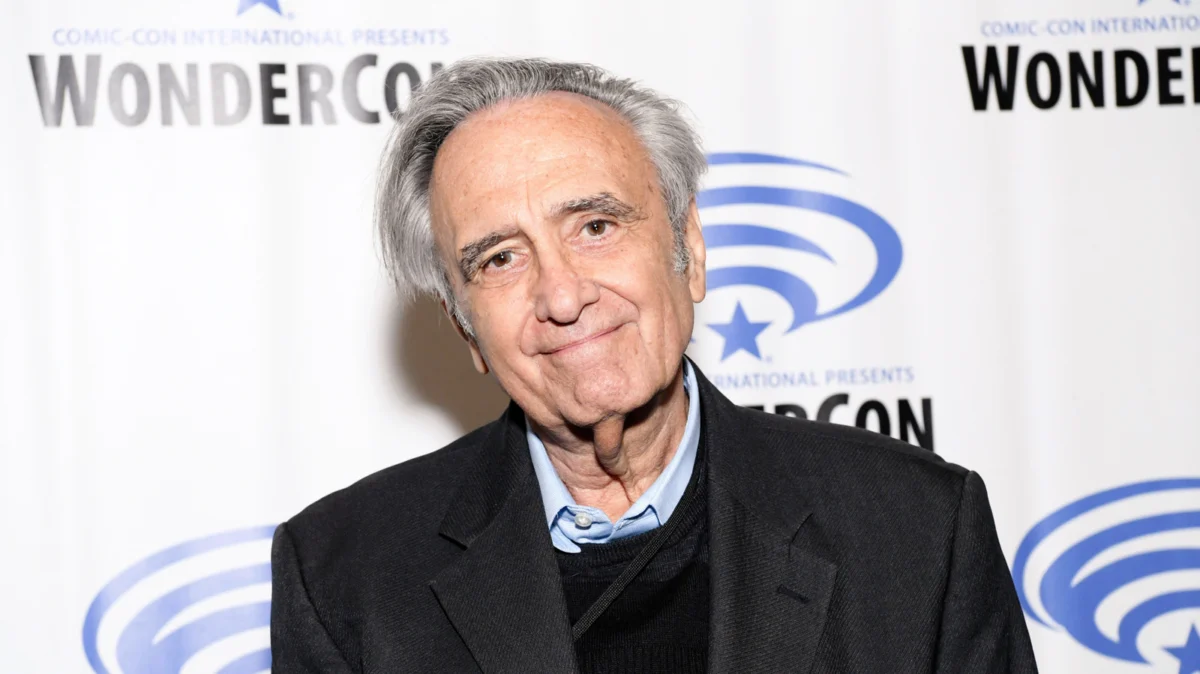
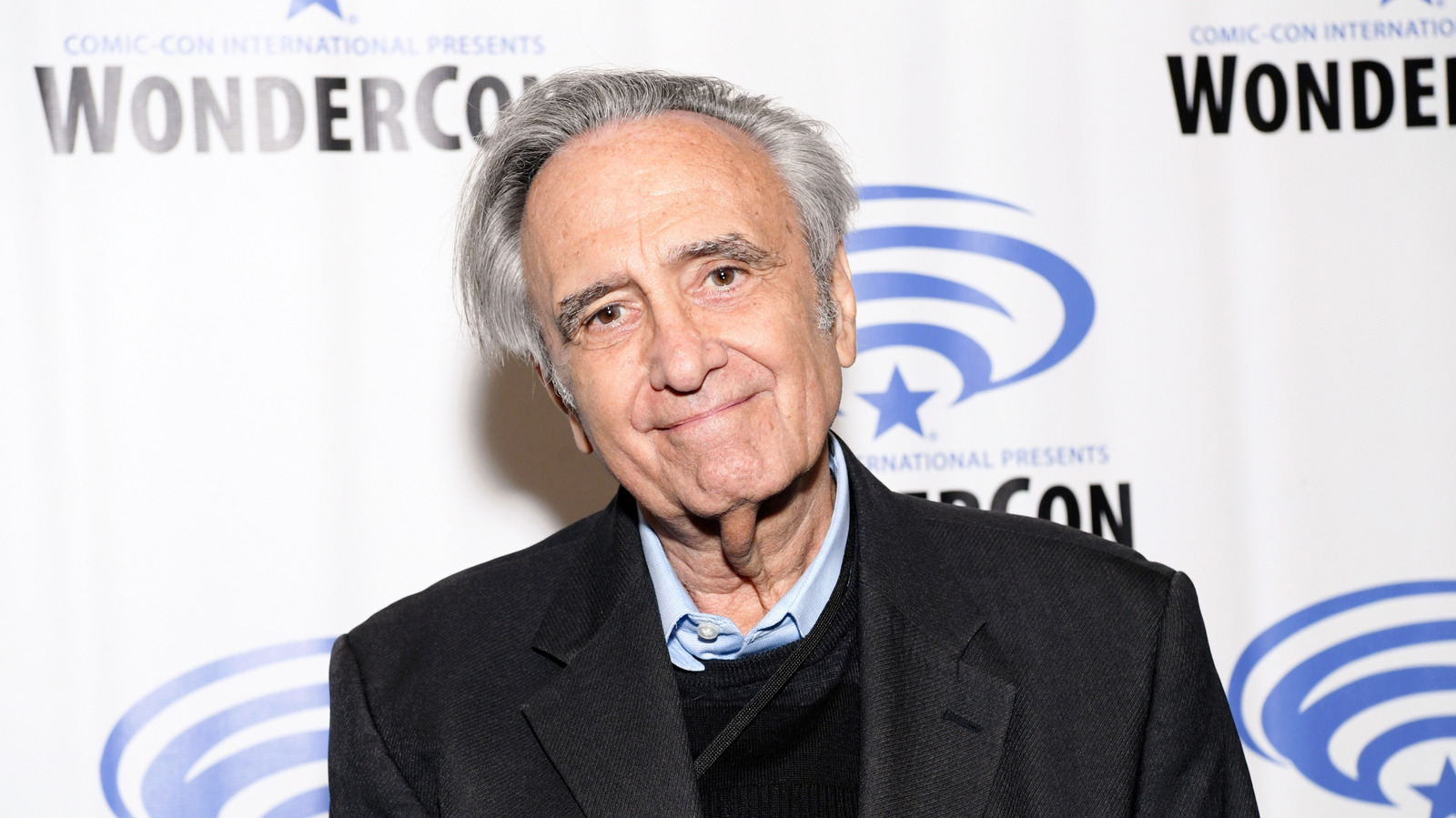
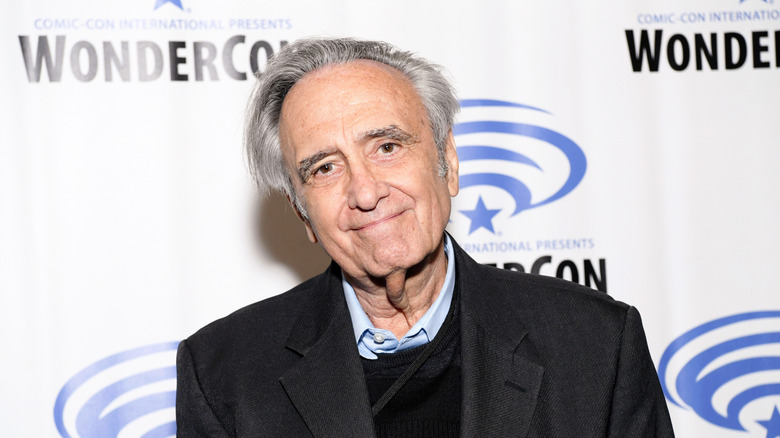
Speaking to Psychotronic Cinema, Joe Dante revealed the network’s apprehension: "It has backward masking in it, and that was considered too controversial to the religious groups." This statement underscores a significant moment in television censorship, where the perceived threat of subliminal messages, even within a children’s program, was enough to trigger a broadcast ban. The irony, as Dante’s further comments and the episode’s content reveal, is that "The Broken Record" did not promote anything sinister. Instead, it ingeniously used the backmasking trope to deliver a poignant and far more grounded message about the hidden traumas of childhood, specifically parental abuse, effectively subverting the very fears that led to its initial suppression.
Backmasking, or backward masking, is the practice of recording sounds or messages that are intelligible only when played in reverse. While often dismissed as auditory pareidolia or deliberate artistic experimentation, it gained notoriety in the 1980s when religious fundamentalists and concerned parent groups alleged that rock bands were embedding covert Satanic or anti-Christian messages into their music. This cultural phenomenon, known as the "Satanic Panic," created an environment of heightened sensitivity, where networks like NBC were acutely aware of potential backlash from vocal advocacy groups. The decision to pull "The Broken Record" was a direct reflection of this prevailing fear, prioritizing the avoidance of controversy over the creative intent of the showrunners.
Chronology
The Genesis of "Eerie, Indiana"
"Eerie, Indiana" premiered in 1991, a joint creation of Joe Dante, Karl Schaefer, and Jose Rivera. It centered on Marshall Teller (Omri Katz), a teenager who moves with his family to the seemingly idyllic, yet deeply peculiar, town of Eerie, Indiana. Marshall quickly discovers that Eerie is a hotbed of bizarre phenomena, populated by odd characters, and riddled with unexplained mysteries. From people who seal themselves in plastic to stay "fresh" to a town where Elvis Presley still delivers newspapers, the show masterfully blended elements of "The Twilight Zone" and "Twin Peaks" for a younger audience, offering a darkly comedic and often unsettling look at suburban life.
Joe Dante, renowned for his work on films like "Gremlins" and "The Howling," brought a distinctive vision to the series, infusing it with his characteristic blend of satire, horror, and homage to classic genre cinema. His involvement lent the show a unique edge, elevating it beyond typical children’s programming. "Eerie, Indiana" gained a cult following for its sophisticated storytelling, memorable characters, and its willingness to tackle themes that often skirted the edge of what was considered appropriate for its target demographic. The series, though short-lived with only 19 episodes, left an indelible mark on 90s television, praised for its originality and its ability to genuinely creep out its viewers while still being accessible.
The Production of "The Broken Record"
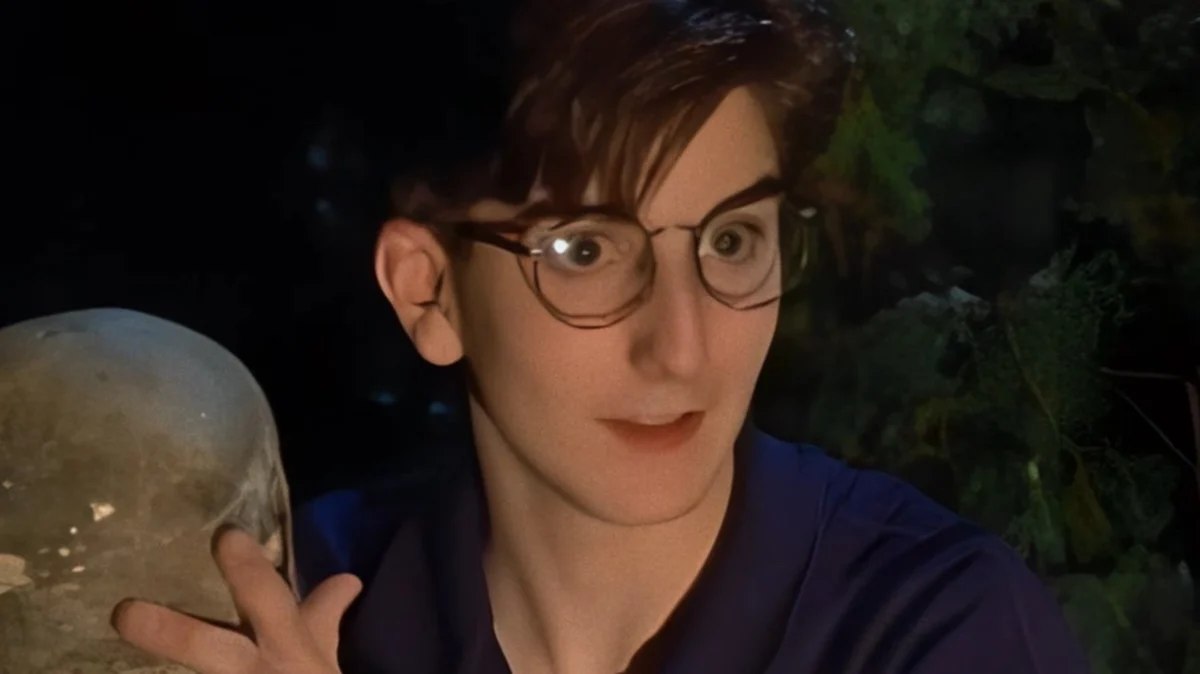
"The Broken Record" (Season 1, Episode 14) exemplifies the show’s creative ambition. The episode tells the story of Tod (Grant Gelt), a new kid in Eerie who, after listening to a mysterious rock record played backward, begins to exhibit increasingly rebellious and erratic behavior. Marshall, ever the investigator, suspects that the record holds the key to Tod’s transformation. The narrative cleverly plays on the prevalent cultural anxieties surrounding rock music and its supposed corrupting influence on youth, a direct nod to the Satanic Panic.
The creative team behind "Eerie, Indiana" deliberately incorporated backmasking into the episode’s plot, not as a genuine endorsement of the phenomenon, but as a narrative device to explore deeper psychological themes. They understood the cultural weight of backmasking and chose to wield it to subvert audience expectations. Instead of revealing demonic incantations or calls to evil, the backward messages on Tod’s record turn out to be recordings of his father’s verbal abuse. This twist transforms the episode from a supernatural scare into a poignant commentary on the very real and damaging effects of emotional neglect and abuse within a family unit. The "monster" wasn’t Satan; it was the hidden pain inflicted by a parent. This daring thematic choice showcased the show’s willingness to delve into serious social issues, even within its fantastical framework.
NBC’s Decision and the Immediate Aftermath
The decision by NBC to ban "The Broken Record" from its original broadcast schedule was a pre-emptive measure, taken during the network’s standards and practices review process. While no formal public statement from NBC was issued at the time, Joe Dante’s recollection confirms the underlying fear. The cultural climate of the early 90s was still heavily influenced by the remnants of the Satanic Panic. Networks were extremely cautious about any content that could be perceived as endorsing or even playfully referencing Satanism, especially in children’s programming. The potential for a massive public outcry, boycotts, and advertiser withdrawals loomed large.
For the creators, this decision must have been frustrating. The episode was a clever critique of the very moral panic that led to its banning. It intended to expose the absurdity of focusing on imagined evils while ignoring tangible ones. However, the network’s priority was clear: avoid controversy at all costs. Consequently, "The Broken Record" was withheld from the original run, becoming a legendary "lost" episode among the show’s burgeoning fanbase. Its absence meant that a significant part of the series’ thematic depth and its clever subversion of cultural anxieties went unseen by its initial audience, limiting the show’s potential impact and message.
Supporting Data
The Satanic Panic: A Cultural Backdrop
To fully grasp NBC’s decision, one must understand the pervasive influence of the "Satanic Panic" that gripped North America from the late 1970s through the early 1990s. This moral panic was characterized by widespread public fear, often fueled by sensationalized media reports, that Satanic cults were engaged in ritual abuse, human sacrifice, and the widespread corruption of youth through various forms of popular culture.
The panic gained momentum in the early 1980s with cases like the McMartin Preschool trial, where allegations of Satanic ritual abuse, despite lacking credible evidence, became a national obsession. Simultaneously, heavy metal music became a primary target. Bands like Led Zeppelin, Judas Priest, AC/DC, and Iron Maiden were accused of embedding subliminal messages, often via backmasking, that encouraged Satan worship, suicide, or rebellion. Religious groups, conservative activists, and concerned parents launched campaigns, organized protests, and even pushed for legislation to censor or ban records. Congressional hearings were held, and prominent figures like Tipper Gore co-founded the Parents Music Resource Center (PMRC), advocating for parental advisory labels on music albums.
Beyond music, other forms of media were swept into the panic. Role-playing games like "Dungeons & Dragons" were lambasted as gateways to the occult, leading to real-world suicides attributed to the game (though later debunked). Horror films, books, and even children’s cartoons were scrutinized for any perceived Satanic imagery or themes. This climate of suspicion and moral outrage created an environment where institutions, including television networks, operated with extreme caution. Any content that could be interpreted, even tangitally, as endorsing or acknowledging Satanic themes was deemed a significant risk. For a network like NBC, reliant on advertisers and broad public appeal, navigating this minefield meant erring on the side of extreme conservatism, especially when it came to programming aimed at children.
The Mechanics of Backmasking and Its Perceived Threat
Backmasking itself is a relatively simple audio effect. It involves recording a sound or message and then reversing the playback direction. While sometimes used intentionally by artists for creative effect (e.g., The Beatles’ "Rain" or Led Zeppelin’s "Stairway to Heaven"), its association with subliminal Satanic messages was largely based on misinterpretation, auditory pareidolia, and confirmation bias. Listeners, primed to hear something sinister, would often "discover" messages that were not deliberately placed or were simply phonetic ambiguities when played backward.
During the Satanic Panic, however, the perception of backmasking was far from benign. It was presented as a clandestine tool used by musicians to bypass conscious filters and implant harmful ideas directly into the subconscious minds of young, impressionable listeners. Evangelists, talk show hosts, and self-proclaimed experts demonstrated how certain rock songs, when played backward, supposedly revealed phrases like "Here’s to my sweet Satan" (Led Zeppelin) or "It’s fun to smoke marijuana" (Queen). These demonstrations, often taken out of context and presented without critical scrutiny, amplified public fear.
Psychological research on subliminal messaging has largely debunked the notion that backmasking can effectively transmit complex, manipulative messages that bypass conscious thought and compel action. While subliminal stimuli can sometimes influence mood or preferences, there is no credible scientific evidence to support the idea that backward speech can indoctrinate listeners into Satanism or other harmful ideologies. Yet, in the cultural imagination of the 80s and early 90s, the "threat" of backmasking was very real, shaping public discourse and influencing corporate decisions. NBC’s apprehension about "The Broken Record" was a direct consequence of this potent, albeit scientifically unfounded, cultural belief.
"Eerie, Indiana" and its Thematic Underpinnings
"Eerie, Indiana" distinguished itself by presenting seemingly innocent suburban life as a veneer for the truly strange and often disturbing. Marshall’s journey through Eerie was less about battling external monsters and more about uncovering the bizarre truths hidden beneath the surface of normalcy. The show frequently used genre tropes—science fiction, horror, mystery—to explore deeper, more relatable human anxieties: conformity, identity, consumerism, and the often-unseen struggles of growing up.
"The Broken Record" perfectly encapsulates this thematic approach. By initially framing Tod’s rebellion as a result of "Satanic" backmasking, the episode taps into a familiar horror trope and a prevalent cultural fear. However, the eventual revelation—that the backward messages are recordings of his father’s verbal abuse—shatters this supernatural illusion. It shifts the "horror" from an external, fantastical evil to an internal, psychological one. The true monster isn’t a demon from hell, but the insidious damage inflicted by a parent. This narrative turn is characteristic of "Eerie, Indiana," which often used the bizarre to highlight the very real dangers and complexities of the human condition. It showcased the show’s commitment to thoughtful storytelling, even when disguised as children’s entertainment, making NBC’s initial fear-driven censorship all the more lamentable in retrospect.
Official Responses
Joe Dante’s Recollection
Joe Dante’s candid recollection in the Psychotronic Cinema interview provides the most direct insight into NBC’s decision. His statement, "It has backward masking in it, and that was considered too controversial to the religious groups," is succinct but powerful. It highlights that the network’s concern wasn’t about the episode’s actual message or artistic merit, but purely about the perception of controversy. Dante, a veteran filmmaker known for pushing boundaries, likely understood the commercial realities and the network’s need to avoid public relations nightmares. While his tone doesn’t explicitly convey anger or frustration, it implicitly critiques the environment that forced such a creative compromise. His role as a creative consultant, rather than a direct executive, might have given him a more objective perspective on the internal network discussions, yet still placed him in a position to witness the impact of such decisions on the creative product. His revelation, years later, serves as a historical footnote, shedding light on the often-unseen battles between artistic vision and corporate caution.
NBC’s Stance (Implied/Official)
NBC, like all major broadcast networks in the era before widespread cable and streaming, operated under strict "standards and practices" guidelines. These guidelines were designed to ensure content was appropriate for a broad audience, adhered to advertiser demands, and, crucially, avoided controversy that could alienate viewers or incite boycotts. During the height of the Satanic Panic, religious advocacy groups held significant sway, and their ability to mobilize public opinion and pressure advertisers was a tangible threat.
While no specific official statement from NBC regarding "The Broken Record" has been publicly documented, their implied stance is clear: the risk associated with even mentioning backmasking, given its association with Satanic messages, was too high. The network likely feared that even a critical or satirical portrayal of backmasking could be misinterpreted or exploited by vocal groups, leading to accusations that NBC was promoting occult themes to children. This proactive censorship reflects a broader industry trend where networks often chose self-censorship to pre-empt external pressures, prioritizing brand safety and advertiser relations over challenging content. The goal was to maintain a squeaky-clean image, especially for family-oriented programming, and any perceived deviation from this could result in significant financial and reputational damage.
Lack of Immediate Public Outcry
Crucially, because "The Broken Record" was never aired during "Eerie, Indiana’s" original run, there was no immediate public outcry or controversy surrounding the episode at the time of its initial production. The public was simply unaware of its existence. The episode didn’t become a "banned classic" until years later, when it was finally released on home video and streaming platforms. This retrospective discovery allowed audiences to appreciate the episode’s clever narrative twist and its social commentary without the immediate, knee-jerk reactions of the moral panic era. The absence of initial public debate meant that the episode’s themes and creative choices were not immediately scrutinized or debated by the public or media, delaying its proper contextualization and appreciation.
Implications
Impact on the Show and Creators
The banning of "The Broken Record" likely had a subtle, yet significant, impact on the creative team of "Eerie, Indiana." While the show continued to explore quirky and sometimes dark themes, such an experience could lead to self-censorship in future episodes. Creators might become more hesitant to tackle potentially controversial subjects, even with satirical intent, knowing that their efforts could be deemed too risky by the network. This kind of creative constraint, born from external pressure, can stifle innovation and limit the depth of storytelling.
For Joe Dante and his collaborators, it served as a stark reminder of the limitations imposed by network television in a sensitive cultural climate. Despite the artistic integrity and social commentary embedded in "The Broken Record," the episode’s fate underscored that commercial viability and public perception often trumped creative freedom. While "Eerie, Indiana" eventually found its way to a cult following, the original ban meant that a key piece of its thematic puzzle was missing for its initial audience, potentially diminishing its overall impact and legacy in its own time.
Legacy and Re-evaluation
With the advent of DVD releases and streaming services, "The Broken Record" finally became widely accessible. When the episode was included in the show’s DVD release and later made available on platforms like Amazon Prime Video, it was met with little to no controversy. The cultural landscape had shifted dramatically since the early 90s. The Satanic Panic had largely faded into a historical curiosity, and audiences were more accustomed to critical engagement with media, understanding satire and subversion.
The episode’s re-emergence allowed for a proper re-evaluation of its merits. Viewers could now appreciate its cleverness in using a sensationalized cultural fear (Satanic backmasking) to highlight a far more insidious and real-world problem (child abuse). Far from being seen as promoting the occult, "The Broken Record" is now recognized as one of "Eerie, Indiana’s" most intelligent and daring episodes, a testament to its creators’ ability to weave social commentary into fantastical narratives. Its journey from a banned curiosity to an acclaimed piece of television history underscores the transient nature of moral panics and the enduring power of thoughtful storytelling.
Changing Media Landscape and Censorship
The trajectory of "The Broken Record" serves as a powerful illustration of the evolving media landscape and the shifting nature of censorship. In the 1990s, broadcast television was the dominant medium, subject to stringent regulations and intense public scrutiny. Networks had immense power as gatekeepers, and their decisions heavily influenced what content reached homes. The fear of public backlash and advertiser flight was a primary driver of content decisions.
Today, the media ecosystem is vastly different. The rise of cable television, followed by the explosion of streaming platforms, has decentralized content distribution and diversified audiences. Streaming services, operating on subscription models rather than advertising, often have greater creative freedom and are less susceptible to the immediate pressures that once plagued traditional broadcasters. This shift has allowed for a broader range of content, including more niche, controversial, or experimental programming, to find an audience. "Banned" content from previous eras often finds a new life and appreciation in this environment, as creators and platforms are less beholden to the lowest common denominator or the most vocal minority. The internet, too, has played a crucial role, making information and previously suppressed content easily discoverable, fostering discussion and re-evaluation.
The Enduring Message of "The Broken Record"
Ultimately, "The Broken Record" stands as a poignant reminder of "Eerie, Indiana’s" deeper ambitions. By peeling back the layers of sensationalism and moral panic, the episode reveals a core truth: that the most terrifying realities are often found not in the supernatural, but in the hidden traumas and abuses within seemingly normal lives. The message that emotional abuse can be as corrupting, if not more so, than any imagined Satanic influence, resonates powerfully.
In its clever subversion, the episode highlights the absurdity of the Satanic Panic itself, demonstrating how societal fears can distract from genuine societal problems. It underscores the show’s enduring legacy as more than just a children’s horror series; it was a program willing to explore complex psychological and social issues, albeit through a fantastical lens. The initial banning of "The Broken Record" is a historical footnote, but its eventual widespread availability and critical re-appraisal ensure that its intelligent, uncomfortable, and profoundly human message will continue to be heard, even if it has to be played backward first.