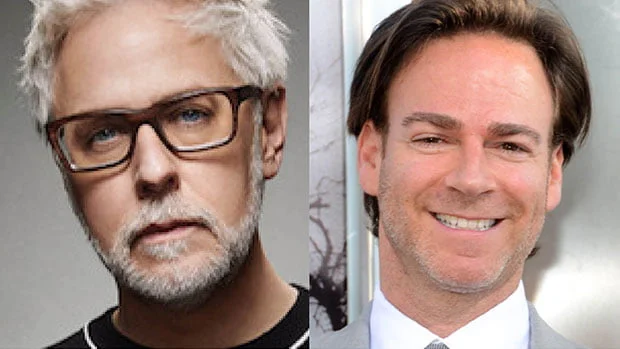
The landscape of superhero cinema is undergoing a seismic shift. In a move that signals the dawn of a new strategic era under the banner of the newly merged Paramount-Skydance entity, DC Studios is set to undergo a complete leadership overhaul. James Gunn and Peter Safran, the creative duo who spent the last four years architecting the DC Universe (DCU), are officially stepping down from their roles as co-CEOs and chairmen.
Stepping into the breach is Jeremy Latcham, a seasoned Hollywood producer and former Marvel Studios stalwart. Appointed by Skydance CEO David Ellison, Latcham’s tenure will officially commence on December 1, marking the latest chapter in the aggressive restructuring of Warner Bros. Discovery (WBD) assets following the historic Paramount-Skydance merger.
The Chronology of Change: From Gunn’s Vision to the Skydance Era
To understand the weight of this transition, one must look at the timeline that brought DC to this inflection point. When Gunn and Safran took the reins in late 2022, they were tasked with the unenviable challenge of reconciling a fragmented cinematic universe. Their mandate was clear: consolidate the disparate threads of the DC brand—ranging from the legacy of the "Snyderverse" to standalone hits like The Batman—into a cohesive, interconnected storytelling engine.
Over the past four years, the pair implemented a rigorous development slate, focusing on a multi-platform strategy that bridged film, television, and digital gaming. However, the corporate world moves faster than the development of a blockbuster. The acquisition of WBD by the Paramount-Skydance conglomerate necessitated a top-down evaluation of all subsidiary assets. As David Ellison began consolidating his leadership team, it became apparent that the "Gunn-Safran" era, while creatively ambitious, would not be the path forward for the new corporate ownership.
By mid-2024, rumors of leadership shifts began to circulate within industry circles. These culminated in this week’s announcement: Gunn and Safran will transition into roles as producers, continuing to shepherd specific projects within the DC pipeline, but relinquishing the executive control that allowed them to dictate the overarching strategy of the studio.
Supporting Data: The Latcham Pedigree
Jeremy Latcham is no stranger to the mechanics of successful superhero franchises. His appointment is widely seen as a "return to form" for a studio that is looking to recapture the box-office dominance of the previous decade.
Latcham spent years at the epicenter of the Marvel Cinematic Universe’s meteoric rise, serving as an executive producer on foundational films such as Iron Man, Thor, and The Avengers. His departure from Marvel nine years ago was followed by the launch of his own production shingle, Latcham Pictures. Through this entity, he collaborated with major studios like 20th Century Fox and Hasbro, demonstrating a versatility that extended beyond the traditional superhero mold.
The shift in reporting structure is perhaps the most significant indicator of the new Skydance philosophy. Where Gunn and Safran reported directly to WBD CEO David Zaslav—a structure that often placed them in the thick of corporate politics—Latcham will report to Skydance’s joint film heads, Dana Goldberg and Josh Greenstein. This move is designed to streamline the creative process, placing DC Studios firmly within the broader, more centralized Skydance creative ecosystem.
Official Responses: A Vision of "Deep Reverence"
The transition has been marked by a carefully orchestrated messaging campaign, emphasizing stability and respect for the source material.
In his inaugural statement as the incoming CEO, Jeremy Latcham acknowledged the monumental scale of his new charge: "DC’s pantheon of characters is among the most iconic in American popular culture. I’ve had the privilege to help bring some of the most celebrated superhero stories to life on the big screen, and I’m excited and honored for the opportunity to now lead DC Studios into its next era."

Latcham’s tone suggests he intends to prioritize the "fan-first" philosophy that made his work at Marvel so commercially successful. "The chance to steward the incredible cast of DC characters to the screen in a way that excites lifelong fans while introducing their timeless stories to the next generation is a massive responsibility that I do not take lightly," he added.
Skydance’s leadership was equally effusive. In a joint statement, Dana Goldberg and Josh Greenstein praised Latcham’s understanding of the brand’s heritage. "Jeremy brings a deep reverence for DC and its passionate fanbase, recognizing that they are the very foundation of this storied, multigenerational brand," they stated. "Under his leadership, every film and television show will be ushered from start to finish through the prism of the legions of fans who love and champion it. Jeremy’s track record exemplifies the excellence he will bring to building out DC and the many beloved characters within it."
The Implications: What This Means for the DC Universe
The departure of Gunn and Safran, while amicable in public statements, raises significant questions regarding the future of the projects currently in development. Will the "Gunn-verse" continue, or will Latcham pivot toward a new, distinct creative aesthetic?
1. The Producer Role
Gunn and Safran remain attached as producers on several key projects. This suggests that the studio is keen to avoid a complete "scorched earth" policy. Projects that are already in advanced stages of production or pre-production will likely remain on their current trajectory, allowing for a seamless transition that minimizes financial disruption.
2. A Shift in Strategy
Under Latcham, we can expect a recalibration of the DCU. Whereas the Gunn-Safran approach was characterized by a specific, idiosyncratic vision of humor and genre-bending, Latcham’s history suggests a focus on blockbuster scalability and structural consistency. The focus will likely shift toward "tentpole" events that prioritize broad, four-quadrant appeal—a hallmark of his Marvel tenure.
3. The Impact on WBD-Skydance Synergy
The integration of DC into the Skydance portfolio is a clear signal that the superhero genre is no longer a siloed business unit. It is now a core pillar of a massive, multi-platform media powerhouse. By reporting to Goldberg and Greenstein, DC Studios will be more deeply integrated into the cross-platform initiatives of the merged entity, potentially leading to more aggressive tie-ins across streaming, gaming, and consumer products.
4. Market Reaction
Wall Street and industry analysts are viewing the change with cautious optimism. The superhero market has faced "fatigue" headwinds in recent years, with audiences becoming increasingly selective about which films they support. Latcham’s mandate is not just to make more DC content, but to ensure that the content meets a standard of excellence that keeps the brand relevant in an increasingly crowded media landscape.
Conclusion: The Road Ahead
As December 1 approaches, the industry is watching closely to see how Jeremy Latcham navigates the complex machinery of DC Studios. He inherits a brand that is arguably the most valuable intellectual property in the history of comics, yet one that has struggled to find a consistent creative identity in the streaming age.
The transition from Gunn and Safran to Latcham represents more than just a change in personnel; it is a manifestation of the new corporate reality following the Paramount-Skydance merger. The "next era" of DC will be defined by its ability to balance the demands of a diverse, passionate fanbase with the logistical and financial requirements of a global media giant.
Whether Latcham can replicate the success he found during the golden age of Marvel remains to be seen. However, one thing is certain: in the world of DC, change is the only constant. As the studio prepares for this transition, the fans, the investors, and the creators alike are waiting to see if the next iteration of Batman, Superman, and the Justice League will find the stability they so desperately need to reclaim their place atop the box-office hierarchy.