Just over a month after Paramount finalized its high-profile acquisition of Warner Bros. Discovery and rebranded under the Skydance banner, the newly consolidated corporate giant’s games division has implemented a wave of structural layoffs. The cuts, which have impacted an unspecified number of developers across various studios and projects, have once again thrown a harsh spotlight on the volatile intersection of corporate mergers and job security within the modern video game industry.
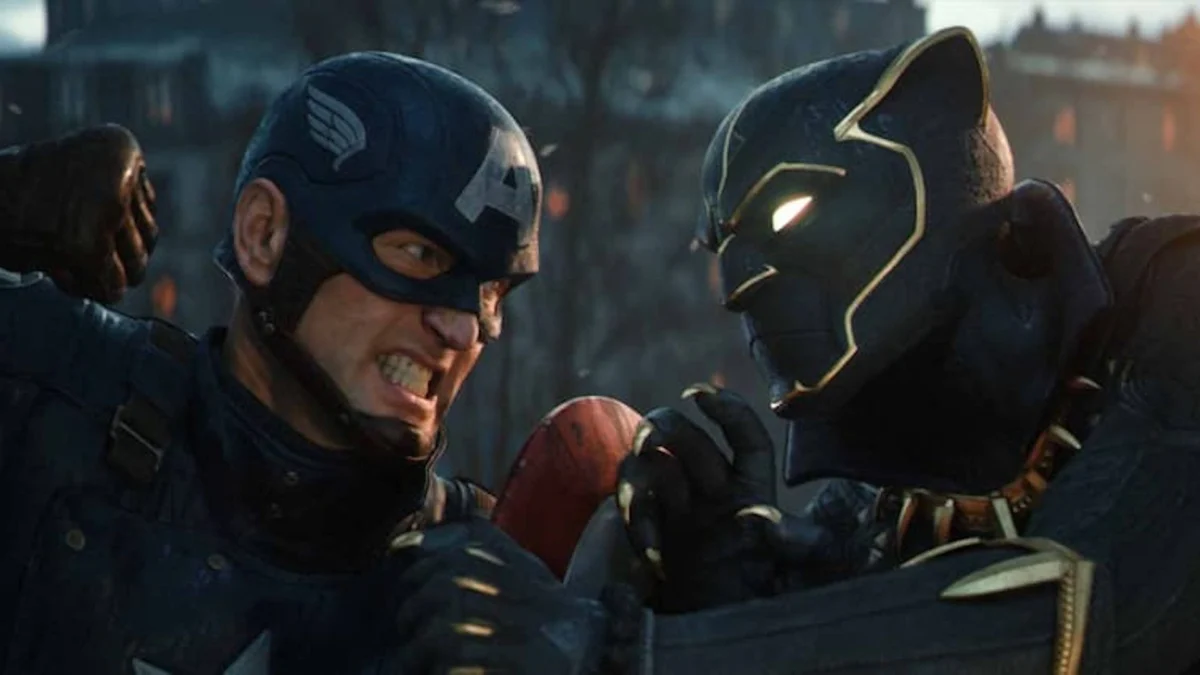
As industry stakeholders attempt to digest the full scale of the restructuring, affected developers have taken to professional networking platforms like LinkedIn to share news of their departures. The layoffs arrive during a particularly sensitive transitional phase for Skydance Games, a unified division born from the amalgamation of multiple legacy entertainment assets, leaving major high-profile projects—including Marvel 1943: Rise of Hydra and PlatinumGames’ Teenage Mutant Ninja Turtles: The Last Ronin—scrutinized by anxious fans and industry analysts alike.
Chronology of the Merger and the Subsequent Cuts
The groundwork for the current turbulence was laid months prior, when the sprawling corporate machinations between Paramount and Warner Bros. Discovery began to materialize. Historically, both media empires maintained distinct pathways into the interactive entertainment space. Paramount housed operations via Skydance Interactive and Skydance New Media, entities dedicated to pushing narrative boundaries and immersive virtual reality experiences.
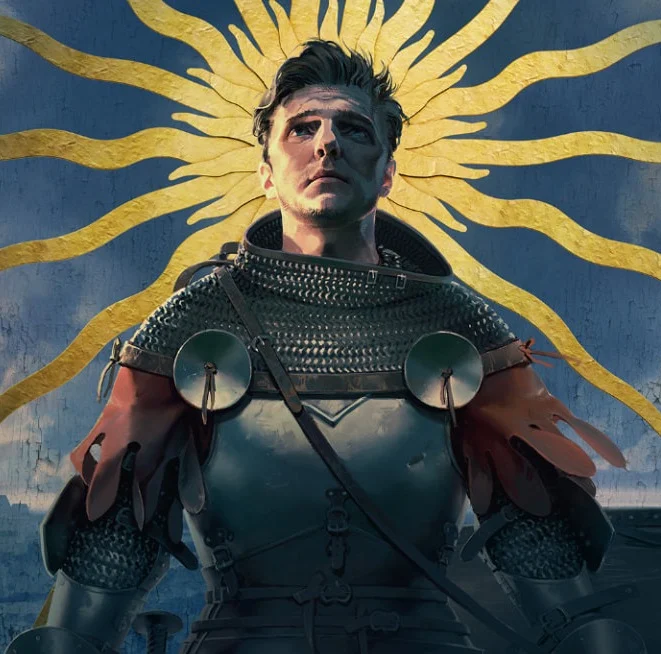
Earlier this year, these distinct branches were streamlined into a singular corporate entity: Skydance Games Studio. This newly formed umbrella boasted major developmental mandates, including the ambitious partnership with PlatinumGames to publish Teenage Mutant Ninja Turtles: The Last Ronin, alongside the Amy Hennig-led Marvel 1943: Rise of Hydra at Skydance New Media.
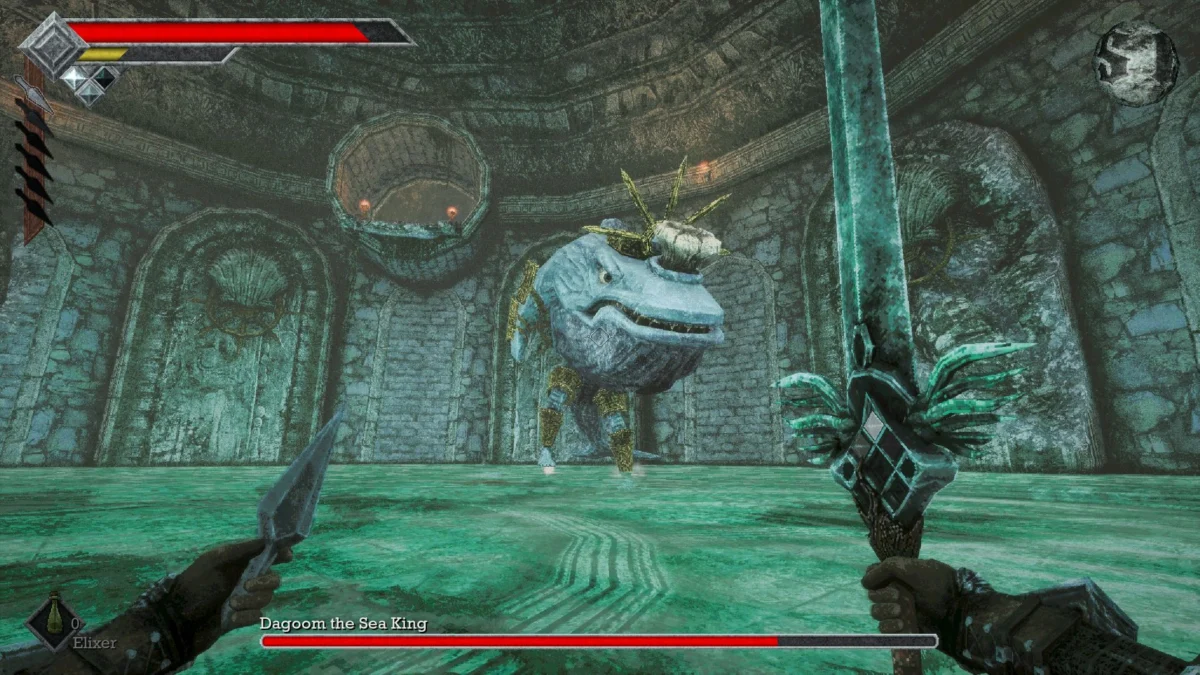
Concurrently, Warner Bros. Games operated its own massive stable of development powerhouses, riding the colossal financial wave of 2023’s Hogwarts Legacy alongside fighting game staple Mortal Kombat 1. However, the subsequent road had proven rocky, with leadership struggling to maintain consistent output across all internal teams. When acquisition talks intensified, third-party onlookers—including rival media executives such as Netflix co-CEO Gregory Peters—remarked on the perceived valuation of Warner’s gaming assets, with some treating them as secondary components to the larger cinematic and streaming portfolio.
Once the ink dried on the Paramount-Warner Bros. Discovery merger and the transition to the Skydance name was complete, industry watchers anticipated inevitable redundancies. Those fears were realized when reports of sudden job losses began surfacing on LinkedIn.
Principal environment artist Dana Klaren published a list detailing more than 25 team members who had been let go, including himself. Senior gameplay and game AI programmer Rebecca Vessal revealed in a separate post that "most" of her specific team at Skydance Interactive had been dismantled. Meanwhile, other technical staff members, such as lead engineer David Vera—who survived the initial purge—publicly lamented the sudden exodus of institutional knowledge and creative expertise from the studio floor.
Supporting Data and Portfolio Landscape
The financial and developmental architecture supporting these layoffs reveals a complex web of high-stakes publishing bets and shifting corporate valuations:
- The Corporate Transition: Paramount’s acquisition of Warner Bros. Discovery concluded just weeks before the layoffs, prompting an internal reorganization designed to eliminate perceived structural overlaps.
- Studio Consolidation: Prior to the merger, Paramount’s gaming footprint was divided between Skydance Interactive and Skydance New Media, before being streamlined into Skydance Games Studio.
- High-Profile Projects Affected:
- Marvel 1943: Rise of Hydra: Spearheaded by veteran director Amy Hennig at Skydance New Media, the cinematic action-adventure title has faced multiple delays and currently lacks a concrete release window.
- Teenage Mutant Ninja Turtles: The Last Ronin: A dark, narrative-driven adaptation being developed by PlatinumGames and published through the unified Skydance Games framework.
- Warner Bros. Gaming History: Despite historic successes like Hogwarts Legacy (which sold over 22 million copies in 2023) and Mortal Kombat 1, Warner Bros. Games faced internal pressures to continually justify its overhead in a shifting market—leading external bidders, such as Netflix executives, to publicly minimize the direct valuation of the studio arms relative to the wider media library.
Official Corporate Responses
Faced with mounting public scrutiny and a wave of disgruntled employee testimonials circulating across social media, Skydance management formally acknowledged the downsizing in a statement provided to industry publication Variety.

A company spokesperson framed the cuts as a necessary administrative pivot to secure future viability, stating:
"As part of our ongoing efforts to position Skydance Games for long-term growth and success, we are implementing reorganization and operational shifts across a few areas of our business."
The representative elaborated on the agonizing calculus behind scaling back active pipelines:
"We have stepped back and taken some time to consider where we are investing our efforts and have made the difficult decision to scale down some of our projects. As a result, there are roles impacted. This is not a reflection of the talent, dedication, or creativity of those affected and we are grateful for their contributions. We are committed to approaching the process with transparency, care and respect for those who are leaving the company."
Despite these assurances of empathetic offboarding, the suddenness of the cuts has drawn sharp criticism from labor advocates who point out a recurring industry trend: corporate mergers routinely result in worker displacement, regardless of individual project performance or personal engineering achievements.
Industry Implications and the Future of Skydance Games
The layoffs at Skydance Games serve as yet another grim milestone in a multi-year contraction phase for the global video game sector. As venture capital tightens and media conglomerates consolidate into monolithic entities, the immediate casualty is almost invariably human capital. When massive portfolios merge, corporate boards look at balance sheets rather than project roadmaps, trimming creative talent to satisfy near-term shareholder expectations.
For the games themselves, the implications are profound and immediate. Skydance New Media’s Marvel 1943: Rise of Hydra has already weathered multiple schedule setbacks, and the erosion of veteran engineering and design staff threatens to introduce further friction into its development cycle. Similarly, the collaborative effort behind Teenage Mutant Ninja Turtles: The Last Ronin relies heavily on stable publisher-developer communication—a dynamic that can easily be fractured when internal management structures are rewritten overnight.
Furthermore, the sentiment expressed by external entities during the acquisition phase—where Warner Bros. Games was initially judged as having "relatively minor" core value compared to traditional streaming properties—underscores a perilous disconnect between corporate financiers and the creative teams building interactive worlds. If major publishers continue to view game development arms as disposable padding to be adjusted during fiscal recalibrations, the industry risks losing the foundational talent required to produce blockbuster entertainment.
As the dust settles on the initial weeks of the Skydance era, the immediate focus remains on supporting the displaced developers who have suddenly found themselves navigating a hyper-competitive job market. Meanwhile, the remaining workforce at Skydance Games faces the daunting task of delivering on ambitious, globally recognized franchises with depleted ranks and mounting pressure from corporate leadership to prove the financial merit of the merger.