The media and entertainment landscape is undergoing a structural transformation that many industry veterans describe as the most challenging period in the history of digital streaming. What began as a gold rush of content spending and subscriber acquisition has pivoted sharply toward a grueling era of consolidation, cost-cutting, and, inevitably, mass workforce reductions.
As streaming giants navigate the "post-growth" reality, the human cost is becoming increasingly evident. From major studios to niche technology providers, thousands of professionals are finding their roles eliminated as corporations prioritize profitability and leaner operations.
Main Facts: A Sector in Flux
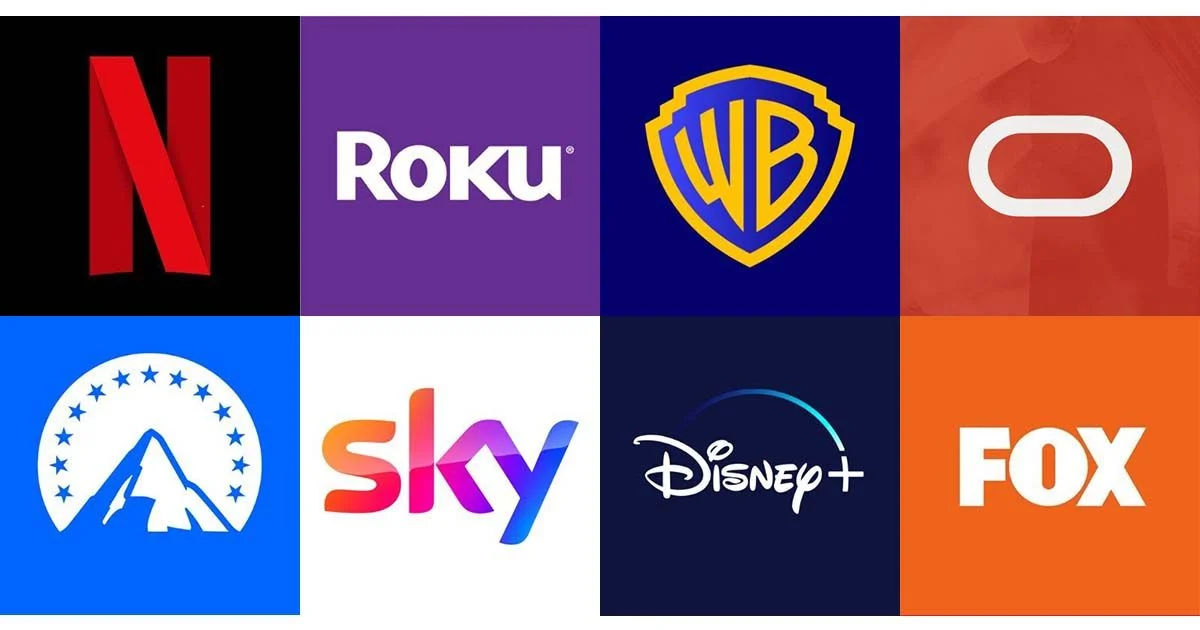
The primary driver of the current employment volatility is a fundamental shift in business strategy. For years, companies like Disney, Warner Bros. Discovery (WBD), and Paramount operated under a "growth at all costs" mandate. Today, that has been replaced by an obsession with positive cash flow and operational efficiency.
The result is a wave of layoffs and buyout offers that have swept across the industry. Key developments include:
- Widespread Consolidation: The integration of platforms and the streamlining of content pipelines are leading to massive redundancies.
- The "Exit" Mentality: Companies are scrutinizing every division, with some, such as SkyShowtime, facing existential questions about their future viability.
- The M&A Fallout: Large-scale acquisitions—such as Fox’s recent purchase of Roku—are creating massive organizational overlaps, necessitating staff reductions to achieve projected synergies.
- Broader Tech Spillover: The crisis is not contained to media companies; the underlying infrastructure providers, including Cloudflare, Microsoft, and Oracle, are also trimming workforces, affecting those specifically tasked with video-related services.
A Chronology of the Streaming Slowdown
The current wave of layoffs did not emerge in a vacuum. It is the culmination of a two-year decline in market confidence and consumer spending capacity.
Early 2024: The Initial Signals
The year began with heightened scrutiny on streaming profitability. While companies initially attempted to manage costs through content cancellations and licensing deals, it soon became clear that these measures were insufficient.
Mid-2024: The Wave Builds
By the summer, the scope of the layoffs expanded. Netflix, often considered the bellwether for the industry, announced a reduction of 1,000 employees. This was followed by significant cuts at Scripps (430 employees) and reports of staff reductions within the Vision Pro division at Apple, signaling that even high-growth hardware projects were not immune to the cooling market.
Q4 2024: The Current Reckoning
As we reach the final months of the year, the industry is entering a period of forced maturation. Comcast is actively preparing for the spin-off of NBCUniversal and Sky, a move that is expected to trigger a significant restructuring. Simultaneously, the potential acquisition of ITV’s media division by Sky looms, threatening further headcount reductions should the deal proceed.
Supporting Data: The Scale of the Disruption
The sheer volume of individuals impacted by these shifts is staggering. Anecdotal evidence from industry analysts suggests that hundreds of employees across WBD, Paramount, Disney, Roku, and NBCU have already been affected.
The following breakdown illustrates the breadth of the current economic environment:
- Corporate Restructuring: Tens of thousands of layoffs have been reported across tech giants like Microsoft and Oracle, with a significant percentage of these losses impacting product and service divisions that support the streaming ecosystem.
- Public Media: Even non-commercial entities are feeling the pinch. NPR’s decision to offer voluntary buyouts to 300 newsroom employees highlights how even organizations reliant on federal or public funding are struggling to sustain their current operational footprints.
- The "Buyout" Calculus: Companies are increasingly opting for voluntary buyout programs to mitigate the PR impact of involuntary terminations. However, for employees, these offers present a complex financial puzzle. The acceleration of stock options, while attractive in the short term, must be weighed against a barren job market where competition for senior-level roles has reached an all-time high.
Implications: The Hard Road Ahead for Professionals
The professional implications of this downturn are profound. The streaming industry, once characterized by high demand for specialized skills in content delivery, data analytics, and platform engineering, is now oversaturated with displaced talent.
The Myth of "Job Security"
For those currently employed in the sector, the primary takeaway is the volatility of the current market. Even employees in departments previously deemed "essential" are now subject to the whims of quarterly earnings calls. The reliance on M&A activity as a growth strategy has made tenure increasingly rare, as the "overlap" created by mergers is often resolved through the wholesale cutting of redundant departments.
The Strategy for Survival
Industry experts are advising professionals to look beyond their current niche. The "streaming-only" skill set is becoming a liability as the industry shrinks. Instead, professionals are encouraged to look toward adjacent sectors—such as cybersecurity, cloud infrastructure, or enterprise AI—where the skills developed in the streaming world might be transferable.
Furthermore, those currently evaluating buyout packages are urged to perform a rigorous analysis of their personal financial health. With the job market in a state of contraction, the "cushion" provided by a buyout may need to last significantly longer than originally anticipated.
Official Responses and Industry Outlook
While many firms have remained tight-lipped regarding the specific mechanics of their reductions, the industry consensus is clear: the era of unchecked growth is over.
Some organizations, however, are beginning to show signs of stabilization. Reports indicate that companies like Philo, Bloomberg, and Google remain open to strategic hiring. This offers a rare, if small, beacon of hope for displaced workers. Industry observers are now actively working to bridge the gap between this displaced talent pool and the remaining companies that are still operating on a growth trajectory.
Conclusion: Navigating the Uncertainty
The current crisis in the streaming industry is not merely a "correction"; it is a total recalibration of the media economy. For the workforce, this necessitates a shift in strategy. The days of jumping between streaming startups for massive salary increases are over, replaced by a need for stability, adaptability, and careful financial planning.
For those navigating this difficult landscape, the advice remains consistent: prioritize data over emotion. Evaluate the health of the broader industry before making life-altering career decisions, and look for opportunities in sectors that provide long-term stability rather than just high-profile names.
As the industry moves toward the end of the year, the focus will remain on the major corporate spin-offs and the potential further consolidation of European and American media assets. For the thousands of professionals waiting for clarity, the path forward is narrow, but the resilience of the industry’s workforce suggests that, in time, a new, more sustainable model will emerge from the wreckage of the current contraction.
Disclaimer: This analysis is intended for informational purposes and reflects current industry trends. Those affected by layoffs are encouraged to consult with financial advisors and career counselors to navigate their specific circumstances.