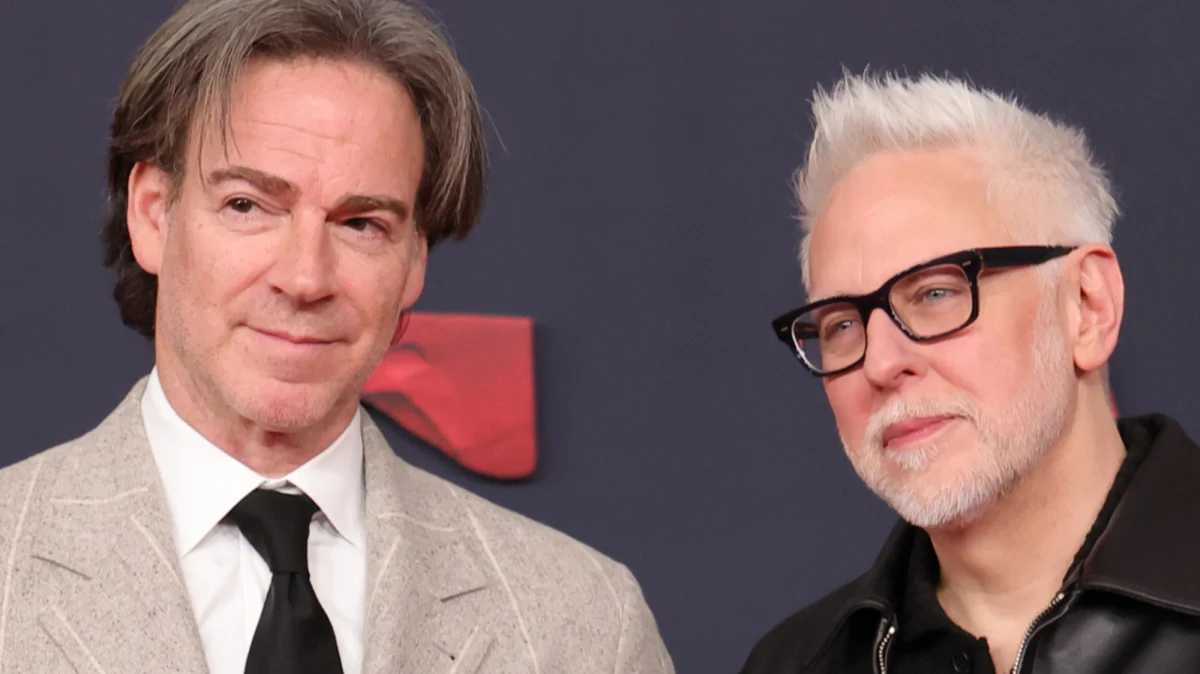
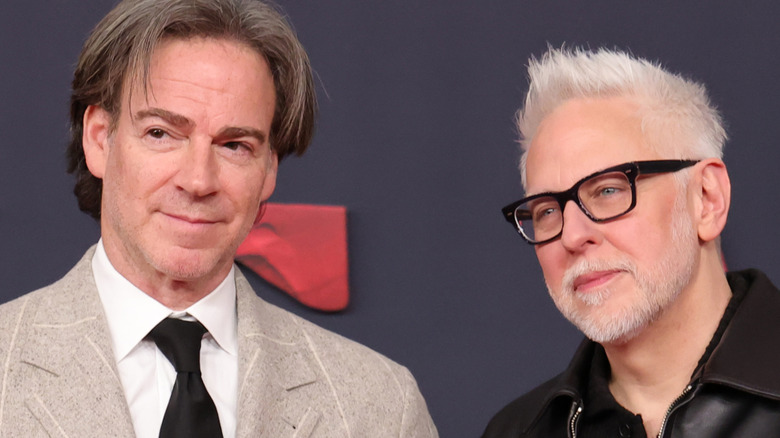
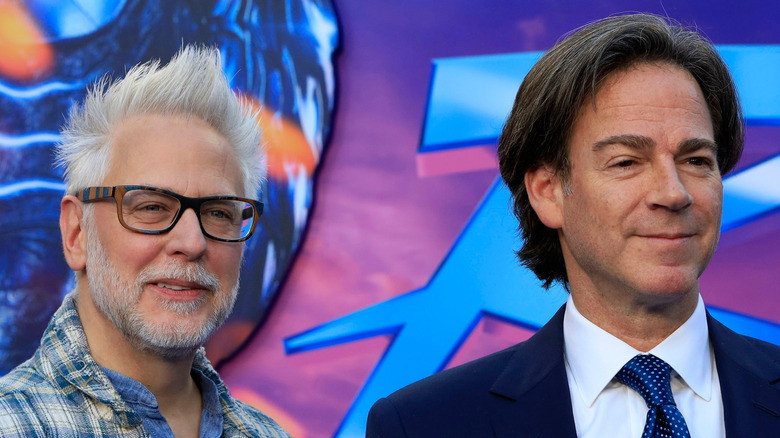
In a move that has sent shockwaves through the entertainment industry, James Gunn and Peter Safran—the duo tasked with revitalizing the DC cinematic and television footprint—have announced their resignation as CEOs and co-chairmen of DC Studios. Their departure, effective December 1, marks the end of a high-stakes, four-year tenure defined by ambitious structural overhauls, the launch of a new interconnected universe, and the inevitable pressures of corporate leadership in the modern streaming era.
The studio has already named their successor: Jeremy Latcham, a seasoned executive formerly serving as Marvel’s senior vice president of production and development. Latcham brings with him a decorated resume, having played a pivotal role in the early construction of the Marvel Cinematic Universe (MCU), including the Iron Man, Spider-Man, and Avengers franchises.
The Chronology of an Ambitious Tenure
When Gunn and Safran were first appointed in October 2022, they inherited a franchise that was widely perceived as disjointed and lacking a clear creative North Star. Tasked with building a "sustainable growth business," the pair spent their first two years in relative silence, crafting a long-term roadmap that would eventually be unveiled as "Chapter 1: Gods and Monsters."
- November 2022: Gunn and Safran officially assume their roles, signaling a departure from the previous "Snyderverse" era and the beginning of a cohesive, interconnected DC Universe (DCU).
- December 2024: The DCU officially launches on the small screen with the animated series Creature Commandos, setting the tone for a darker, more stylistic approach.
- July 2025: The highly anticipated Superman, starring David Corenswet, hits theaters, representing the crown jewel of their creative vision.
- Late 2025 – 2026: The release slate expands to include projects like Clayface, Peacemaker, and the ambitious Lanterns series.
- November 2026: Gunn and Safran announce their intent to step down, citing the "trying" nature of the corporate role.
Behind the Decision: The Burden of the Corporate Suit
While Gunn’s public statement on Instagram was filled with gratitude for his collaborators, it also offered a rare, candid glimpse into the toll taken by executive management. For a creator like Gunn, known for his distinct directorial voice on projects like Guardians of the Galaxy, the administrative requirements of running a major studio proved to be a significant departure from his true passion: filmmaking.
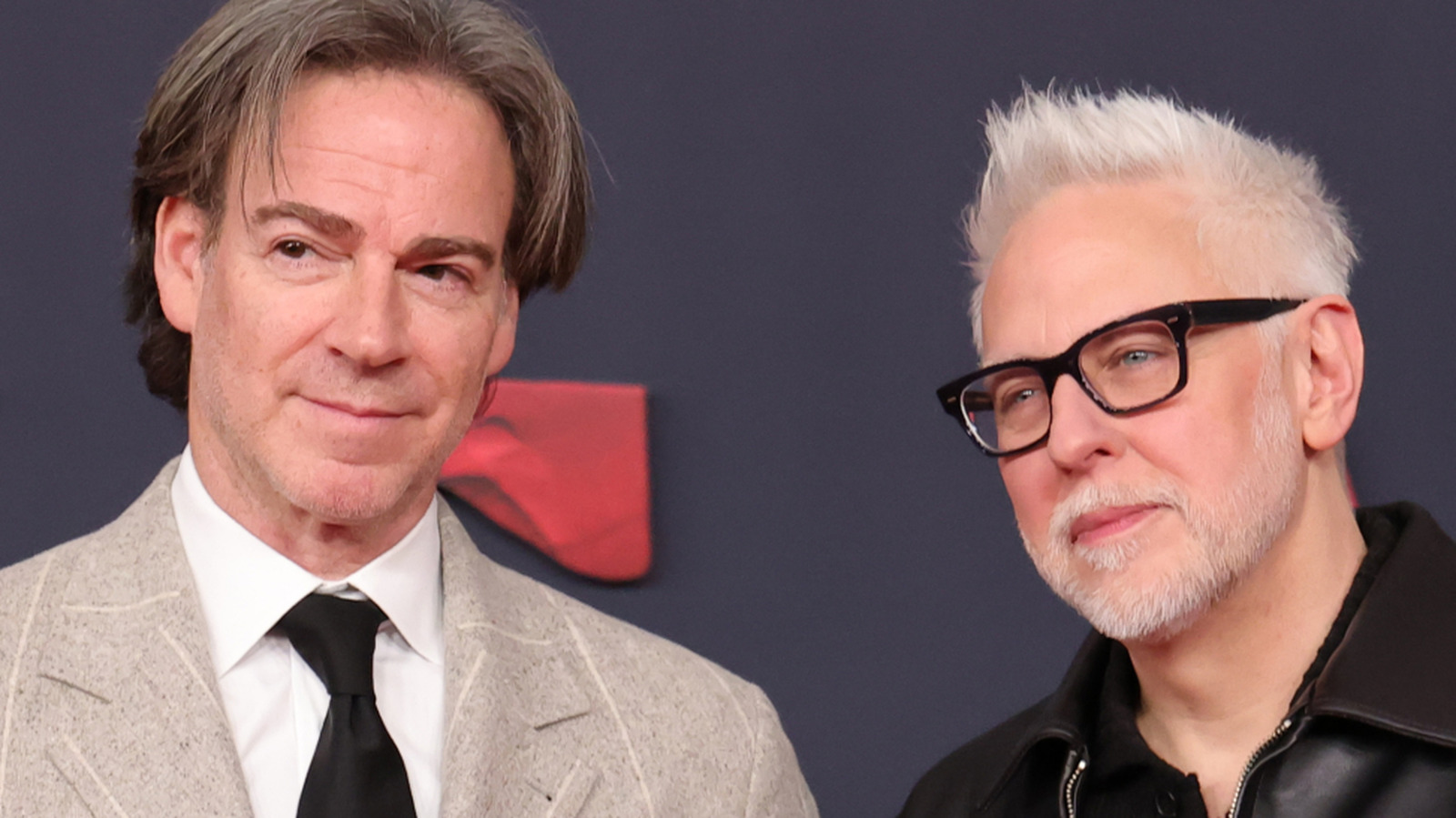
"What only the closest people to me have known over the past four years is my time at DC Studios has been trying, to say the least," Gunn wrote. He explicitly called out his "dislike" for the corporate nature of the job, noting that his role as a creative architect had forced him to sacrifice the breaks and creative downtime he usually relies on to sustain his artistic output.
Safran, who acted as the logistical and operational backbone of the partnership, was credited by Gunn for "taking the brunt" of the corporate heavy lifting. Gunn’s admission serves as a poignant reminder of the tension between creative integrity and corporate bureaucracy—a recurring theme in the modern age of conglomerate-owned superhero franchises.
A Legacy of "Gods and Monsters"
The tenure of Gunn and Safran will be analyzed for years to come, particularly regarding their attempt to replicate a "Marvel-style" interconnectedness within the DC framework. Their record is, by most industry accounts, a "mixed bag."
On the creative front, they found success with niche, character-driven projects. Peacemaker and Creature Commandos were praised for their unique tone, while Lanterns—which concluded its first season in October 2026—demonstrated the potential for high-concept, serialized storytelling within the DCU.
However, the commercial performance of the slate was not without its pitfalls. The Supergirl feature film, which was expected to be a major pillar of their strategy, failed to capture the box office momentum required to sustain a multi-billion dollar franchise. This "box office disappointment," coupled with the lingering questions surrounding the future of Lanterns—which has yet to receive a formal Season 2 renewal—likely contributed to a broader internal reassessment of the studio’s direction.
The Latcham Factor: What Lies Ahead?
The appointment of Jeremy Latcham is a strategic pivot. By selecting a former Marvel executive who helped define the "Golden Age" of the MCU, Warner Bros. Discovery appears to be signaling a desire for a return to the tried-and-true operational models that turned comic book properties into global cultural phenomena.
Latcham’s pedigree suggests that DC Studios will prioritize rigorous production pipelines and long-term franchise sustainability. However, the move also raises questions about whether the studio will abandon the "director-led" vision that Gunn championed in favor of a more standardized, studio-controlled output.
Implications for the Future of the DCU
The departure of Gunn and Safran does not mean an immediate exit from the DC ecosystem. Both remain attached to several upcoming projects, most notably Man of Tomorrow, which is slated for release this summer. Furthermore, Gunn has confirmed he is currently penning another DC project, ensuring that his creative fingerprints will remain on the brand for at least the next few production cycles.
Yet, the transition signals a fundamental shift in the culture of DC Studios. When Gunn and Safran arrived, the mandate was to "fix" a broken system through bold, idiosyncratic choices. As Latcham steps in, the mandate seems to have shifted toward stability and refinement.
Key Questions Remaining:
- Will the "Gods and Monsters" roadmap survive? Latcham has not yet disclosed whether he plans to continue the existing narrative arc or if he will implement a new creative vision for the DCU.
- What happens to the projects currently in development? With several scripts in the pipeline, fans are waiting to see which projects will move forward and which will be shelved under new leadership.
- Can the studio find a balance? The industry will be watching closely to see if Latcham can maintain the creative spark of the Gunn era while delivering the consistent box office returns that the studio desperately needs.
As the industry looks toward December 1, the overarching sentiment is one of transition. James Gunn and Peter Safran set out to redefine the DC Universe, and while they may not have completed the mission, they have certainly left the franchise in a position far more stable than the one they inherited four years ago. Whether that foundation is enough for the next generation of DC leadership remains to be seen.
What are your thoughts on this major leadership shift at DC Studios? Do you believe the brand is headed in the right direction, or was the "Gunn/Safran" era the necessary shake-up the studio needed? Join the conversation in the comments below.