Main Facts: The Intersection of Prestige Drama and Forgotten Sci-Fi Horror
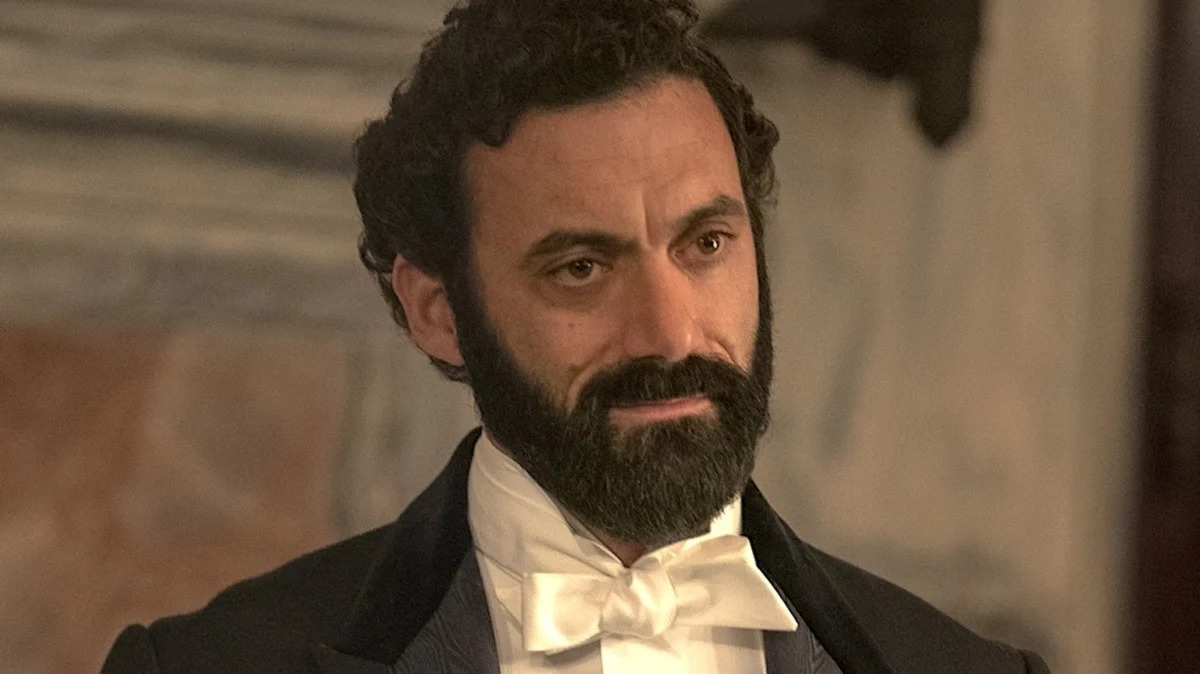
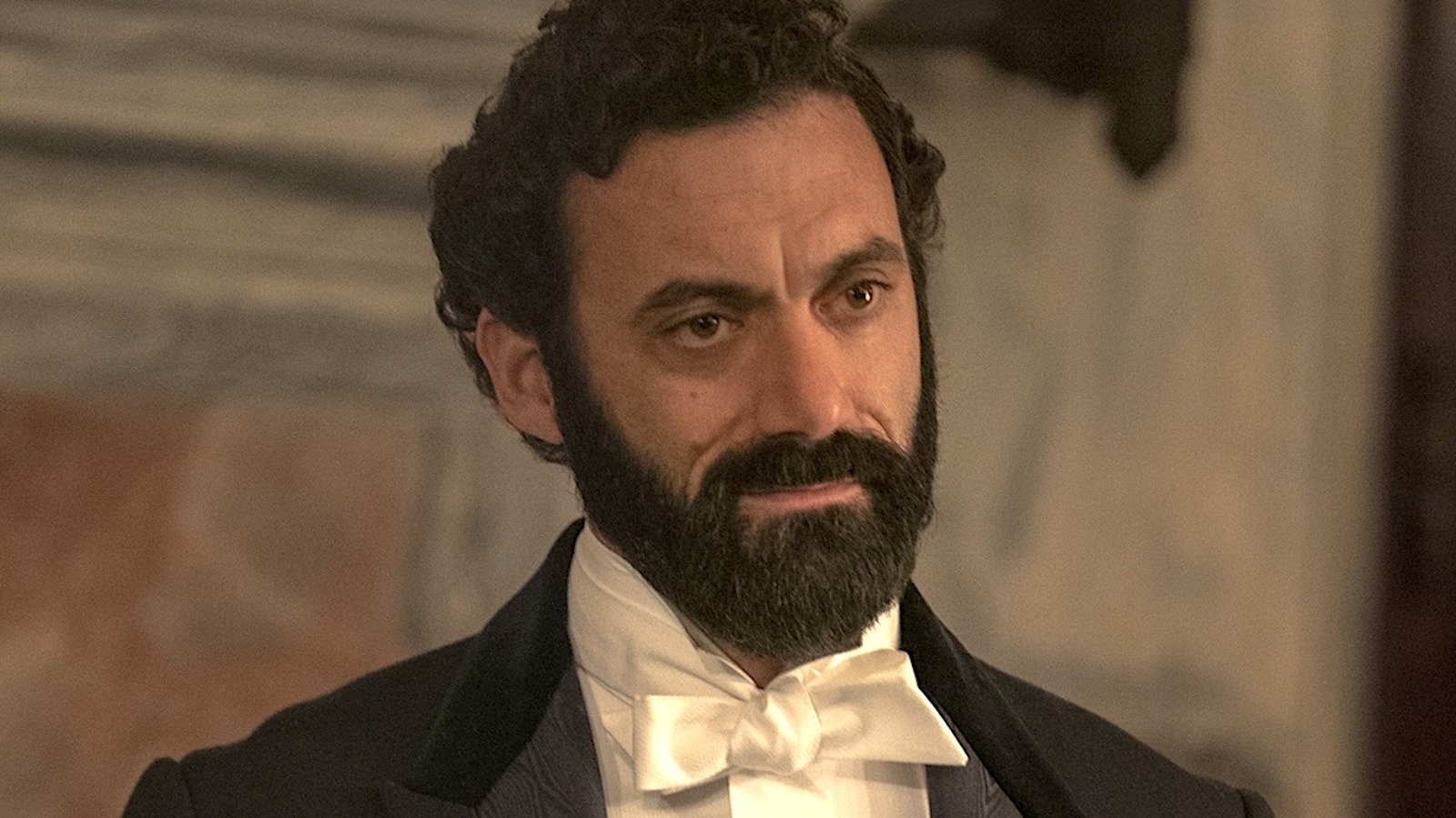
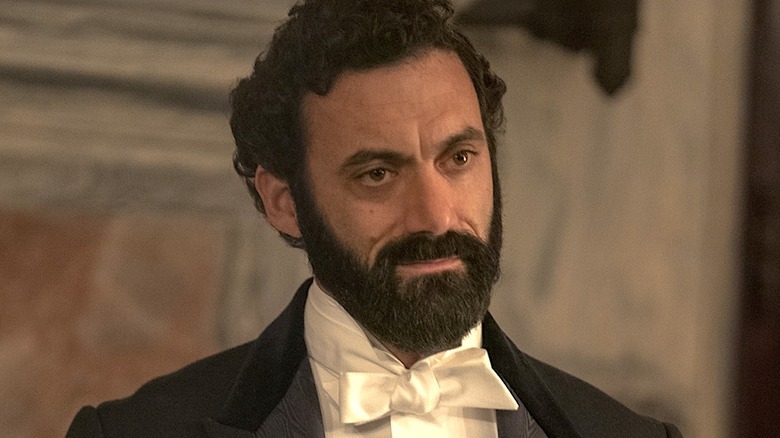
To millions of television viewers today, Morgan Spector is recognized as the formidable, sharp-witted industrialist George Russell in HBO’s lavish historical drama The Gilded Age. With his immaculate three-piece suits, unwavering ambition, and commanding presence, Spector anchors one of prestige television’s most popular period pieces. However, long before he was wheeling and dealing in late-19th-century New York City, Spector took a dramatic left turn into the realm of supernatural terror.
Five years prior to his breakout role on The Gilded Age, Spector headlined a high-profile, yet ultimately short-lived, television adaptation of Stephen King’s classic novella The Mist. Aired on the Spike network in the summer of 2017, the 10-episode series attempted to expand the tight, claustrophobic dread of King’s original 1980 text into a sprawling, serialized ensemble drama. Playing the central role of Kevin Copeland—a modern, progressive family man thrust into an apocalyptic nightmare—Spector stood at the epicenter of a terrifying meteorological phenomenon that brought out the absolute worst in humanity.
Despite boasting the King brand, a recognizable cast, and ambitious narrative aspirations, Spike’s The Mist failed to capture the cultural zeitgeist. Plagued by mixed critical reception, significant creative departures from the source material, and low audience retention, the series was quietly ushered out the back door after a single season. Today, it remains a fascinating footnote in the vast landscape of Stephen King screen adaptations—and a compelling look at a pre-stardom Morgan Spector exploring the dark corridors of small-town horror.
Chronology: From King’s Page to Spike’s Screen
The Evolution of a Modern Horror Classic
To understand the trajectory of the 2017 television series, one must examine the legacy of the source material. Stephen King’s original novella, The Mist, was first published in the 1980 horror anthology Dark Forces and later collected in King’s 1985 collection Skeleton Crew. The story’s premise is deceptively simple: a strange, unnatural mist rolls over a small Maine town, trapping a group of everyday citizens inside a local supermarket. As otherworldly monsters stalk the fog outside, paranoia, religious fanaticism, and internal conflict threaten to tear the trapped survivors apart from the inside.
For decades, the definitive screen interpretation of the story was director Frank Darabont’s critically acclaimed 2007 feature film. Renowned for its bleak, unforgettable ending—which even shocked Stephen King himself—Darabont’s cinematic adaptation stayed relatively faithful to the tight, supermarket-bound structure of the novella.
By the mid-2010s, however, the television landscape was undergoing a massive shift toward serialized horror and expanded universes, largely fueled by the undead success of AMC’s The Walking Dead. Cable networks were actively hunting for recognizable intellectual property that could be spun out into multi-season event television. Enter Dimension Television and the Spike network (which was then in the process of rebranding itself into the Paramount Network). In 2016, the network greenlit a straight-to-series order for The Mist, developed by executive producer and writer Christian Torpe.
Rather than simply retelling the supermarket story for television, the creative team decided to blow the doors off the concept. The series was designed to follow multiple groups of characters scattered across the fictional town of Bridgeville, Maine, as they sought shelter in different locations—including a shopping mall, a local hospital, and a church—while grappling with a mist that defied scientific explanation and induced severe psychological torment.
Casting Morgan Spector and the 2017 Premiere
In the summer of 2016, casting announcements revealed that Morgan Spector would lead the series as Kevin Copeland, alongside an ensemble cast that included Alyssa Sutherland, Gus Birney, Dan Butler, and Frances Conroy. For Spector, it was a rare and coveted leading television vehicle, arriving two years after his stint on NBC’s short-lived espionage drama Allegiance.
When The Mist premiered on Spike on June 22, 2017, it drew decent initial curiosity from horror enthusiasts and Stephen King completionists. Yet, viewers who tuned in expecting a straightforward translation of the 2007 film or the original novella were met with an entirely different beast. The series discarded the iconic supermarket setting, introduced entirely new narrative arcs, and replaced physical monsters with shifting, psychological manifestations of personal guilt and trauma.
The strategy proved to be a double-edged sword. While the creators aimed to build a sustainable television mythos that could explore human depravity over multiple seasons, the deviations alienated a significant portion of the core audience. Ratings experienced a steady, steep decline week over week. By the time the tenth and final episode of the first season aired in August 2017, the writing was on the wall. In September 2017, Spike officially canceled The Mist, putting a definitive end to the town of Bridgeville’s supernatural ordeal.
Supporting Data: Critical Reception and Audience Metrics
The commercial and critical trajectory of Spike’s The Mist provides a textbook case study in the perils of adapting beloved literary properties for television without retaining the core elements that made them successful in the first place.
Critical Consensus and Ratings Breakdown
Upon its debut, reviews for The Mist were decidedly mixed to negative. Critics pointed to uneven pacing, heavy-handed social commentary, and an overreliance on unlikable, reactionary characters that made the viewing experience grueling rather than thrilling.
On the review aggregator website Rotten Tomatoes, the series holds a lukewarm 58% critic approval rating, indicating a deep division among professional reviewers. While some critics praised the atmospheric tension and the committed performances of the ensemble cast, the prevailing sentiment was that the show lacked the narrative focus and atmospheric dread of King’s writing.
The audience reception was even harsher. On Rotten Tomatoes, The Mist garnered a dismal 45% audience score. Viewer reviews frequently criticized the show’s CGI effects, its departure from the beloved supermarket-confinement dynamic, and its introduction of subplots that felt disconnected from the overarching terror of the mist itself.
Viewership metrics similarly reflected a lack of sustained engagement. While the series premiere managed to draw over 1.2 million live viewers—a respectable launch for the niche Spike network—ratings experienced a precipitous drop as the season progressed. By the final episodes, live viewership had plummeted by more than 50%, cementing the network’s decision to pull the plug rather than invest in a second season.
Official Responses and Perspectives: Morgan Spector’s Take on the Project
Despite the commercial failure and negative critical consensus that ultimately doomed the series, lead actor Morgan Spector has consistently expressed pride in the artistic choices made during the production of The Mist. For Spector, the project represented a unique opportunity to subvert traditional horror tropes and explore complex psychological territory.
Reimagining the Horror Hero
As a self-professed fan of Stephen King’s literary works, Spector was immediately drawn to the pilot script because of how it positioned his character, Kevin Copeland. In traditional horror and sci-fi narratives, the central hero is almost invariably a stoic archetype—a hardened law enforcement officer, a military veteran, or a man accustomed to physical violence and decisive action.
In contrast, Kevin Copeland was written as a modern, progressive suburban father and high school teacher who prided himself on his empathy, rationality, and civilized sensibilities. When the world literally dissolves into an apocalyptic nightmare of fog and monsters, Kevin’s deeply held worldview is put to the ultimate test.
In a promotional interview with Yahoo! Entertainment during the show’s 2017 press tour, Spector elaborated on why he signed on for the role:
"I thought the idea of putting a nice, modern, liberal guy at the center of this small-town horror show was a unique choice. Usually the central characters in these types of stories are stoic. They are cops or men of violence already. This is a guy who is just a normal progressive suburban dad. What happens to his values when he walks out into the apocalypse."
This thematic exploration—examining how fragile civilization is when confronted with primal, unexplainable terror—remained a driving force for Spector throughout the shoot. Even though the audience and critics did not fully embrace the execution, the actor’s commitment to grounding a fantastical premise in genuine human anxiety was widely noted as one of the stronger elements of the series.
Implications: The Legacy of The Mist and Future Adaptations
The cancellation of Spike’s The Mist in 2017 marked the end of that specific television experiment, but it also offered valuable lessons for Hollywood regarding the adaptation of Stephen King properties. Furthermore, it serves as a fascinating stepping stone in the broader career trajectory of Morgan Spector, proving that every misfired project can still offer vital training grounds for actors bound for major critical acclaim.
The Rise of Morgan Spector
For Morgan Spector, the failure of The Mist did nothing to stunt his professional momentum. In the years following the show’s cancellation, Spector steadily built a formidable resume across television, film, and theater. He delivered memorable supporting turns in acclaimed series such as Homeland, The Plot Against America, and Boardwalk Empire, before landing his career-defining role as George Russell in Julian Fellowes’s The Gilded Age.
Looking back, his time anchoring a chaotic, high-concept genre series like The Mist gave Spector valuable experience in carrying an ensemble production under demanding television shooting schedules. Today, as fans marvel at his commanding, ice-cool authority on HBO, his past life as a beleaguered suburban dad fighting fog monsters in Maine serves as a fun and unexpected piece of pop culture trivia.
The Future of The Mist on Screen
While Spike’s television adaptation remains an isolated, largely forgotten experiment, the cinematic legacy of Stephen King’s novella is far from finished. The intellectual property continues to hold immense allure for filmmakers seeking to capture the terrifying unpredictability of humanity pushed to the brink.
Industry insiders note that a brand-new interpretation of the sci-fi horror tale is currently in development. Acclaimed horror auteur Mike Flanagan—who has built a stellar reputation adapting King’s works, including Gerald’s Game and Doctor Sleep—is slated to write and direct an upcoming feature film adaptation of The Mist. This high-profile project comes hot on the heels of Flanagan’s other major King-adjacent ventures, including the Prime Video series renewal of Carrie for a second season.
As Hollywood prepares to take another crack at the fog-drenched nightmare, the 2017 series starring Morgan Spector remains a unique historical artifact: an ambitious, psychological detour that dared to ask what happens when a nice guy from the suburbs has to face the end of the world.