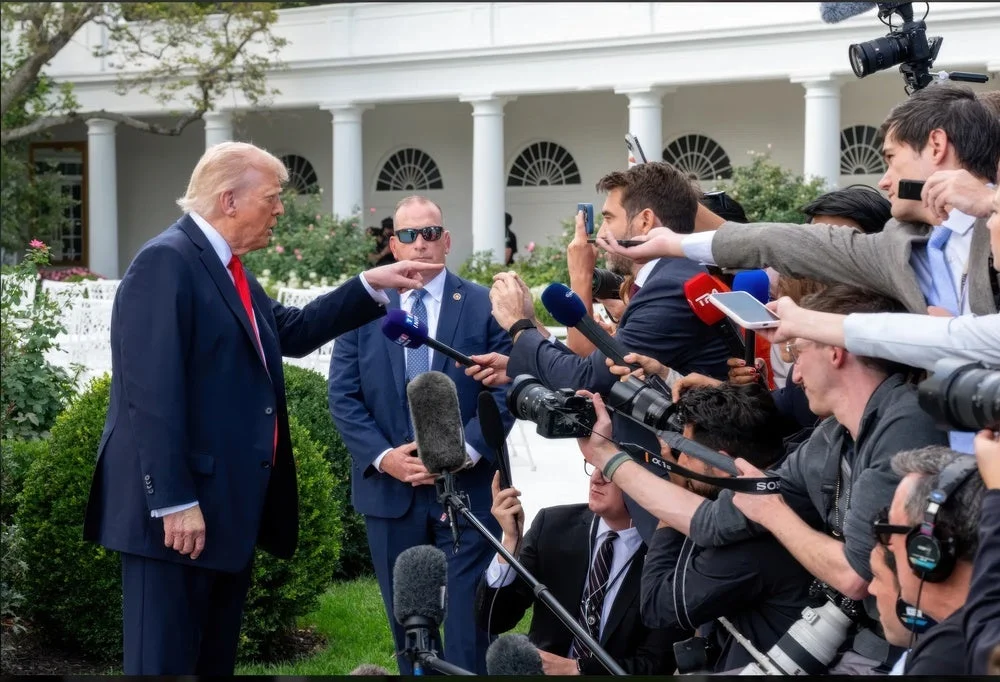
The echoes of the midterm elections have finally faded, leaving behind a media landscape that is as polarized as it is exhausted. For corporate communicators and public relations professionals, this period presents a recurring, high-stakes dilemma: Should brands retreat into a self-imposed silence to avoid the crossfire of political discourse, or should they seize the moment to insert themselves into the conversation?
For years, the conventional wisdom in corporate communications was clear-cut: stay out of politics unless the business has a direct, existential reason to engage. However, modern public affairs and business strategy suggest that this "bunker mentality" may be an outdated relic. In an era where corporate reputation is increasingly tied to social and political awareness, banking a narrative off political news can be a powerful, surprisingly safe strategy—provided the approach is rooted in policy rather than partisanship.
The Shift: From Political Spectacle to Policy Substance
The core challenge for brands in the wake of an election is avoiding the "trap of the hot take." When brands attempt to engage with the fleeting, visceral nature of political "trash talk," they invite scrutiny and risk alienating large swaths of their consumer base. The secret, according to industry veterans, lies in the distinction between politics and policy.
Politics is often a zero-sum game focused on victory, defeat, and the assignment of blame. Policy, by contrast, is about the mechanisms of change. By shifting the focus from the personalities on Capitol Hill to the institutions and regulatory frameworks they manage, brands can position themselves as thought leaders without appearing partisan.
Institutional Navigation as a PR Strategy
For many sectors, engagement with government institutions is not optional; it is a fundamental requirement of doing business. Pharmaceutical companies must interact with the FDA; technology firms are under constant scrutiny from the FTC and SEC. Rather than viewing these interactions as burdens, communicators can leverage them as narrative anchors.
Consider the case of a brand aiming to critique the performance of a government agency, such as the Department of Veterans Affairs. A blunt, partisan attack would likely result in a PR nightmare. However, by focusing on long-term, systemic failures that have persisted across multiple administrations—be it under Democratic or Republican leadership—the brand can frame its narrative around the necessity of reform. This objective, policy-centric approach allows a company to advocate for its constituents—in this case, veterans—without becoming a pawn in the broader political food fight.
Chronology of a Strategic Pivot
To understand how brands successfully navigate this terrain, one must look at the arc of a well-executed post-election communications campaign.
Phase 1: The Cooling-Off Period (Immediate Post-Election)
In the immediate aftermath of an election, the media cycle is saturated with analysis of winners, losers, and shifting power dynamics. This is the period where most brands should remain disciplined and avoid "jumping in." During this phase, internal teams should be analyzing the legislative priorities that will emerge from the new political makeup of Congress or the administration.
Phase 2: Identifying the Policy Hook
Once the initial noise settles, communicators identify the policy "layup." This is an issue where the brand’s interests align with a broader, non-partisan need for efficiency, transparency, or progress. Whether it is an infrastructure project, a tax policy shift, or a regulatory update, the goal is to find a topic that affects the consumer’s daily life rather than their voting history.
Phase 3: Humanizing the Narrative
Data and white papers are essential, but they rarely capture the public imagination. The third phase of the chronology involves bringing in a human element. By centering the narrative on an individual who is directly impacted by the policy, brands create an emotional connection that transcends partisan boundaries.
Phase 4: Sustained Engagement
Finally, the narrative is extended beyond the election cycle. By tying the story to recurring economic data—such as the monthly Jobs Report or the Consumer Price Index (CPI)—the brand ensures that its message remains relevant long after the election-night headlines have vanished.
Supporting Data and The Human Element
The success of these strategies is not merely anecdotal; it is supported by the way media outlets prioritize content. Journalists are perpetually in search of stories that bridge the gap between abstract policy and lived experience.

A compelling example of this involves a healthcare client navigating a crowded policy environment. While industry lobbyists were shouting over one another on Capitol Hill, the client’s team chose a different route. They identified a mother whose terminally ill son was waiting for life-saving FDA approval. By framing the entire campaign around this family’s journey, the brand moved the needle from "corporate lobbying" to "human advocacy."
The resulting coverage was broad, spanning local human-interest segments to high-level national op-eds. The key to this success was rigorous vetting. Before placing a subject in the media spotlight, brands must conduct deep-dive research into their spokespeople. A single controversial social media post or an unscripted moment of volatility can turn a campaign into a brand crisis. Authenticity is vital, but professional preparation is the guardrail that keeps the narrative on track.
Official Responses and Economic Indicators
When brands fear taking a stance, they often overlook the power of "following the money." Economic data provides a neutral, predictable, and highly effective peg for media outreach.
Take, for example, the recent fluctuations in agricultural markets. When beef prices spiked due to tariff concerns, a regenerative lamb farming company did not issue a political statement on trade policy. Instead, they utilized the latest Consumer Price Index (CPI) data to highlight the cost-effectiveness of their product as an alternative.
The outcome was immediate:
- Retail Trade Media: Picked up the story as a consumer-savings angle.
- Industry Newsletters: Analyzed the shift in market demand.
- Social Media: Influencers used the data to drive conversations about sustainable food costs.
By focusing on the economic reality of the consumer, the brand successfully navigated a politically charged trade topic without ever taking a side on the tariffs themselves. The "official response" of the marketplace—what the data actually shows—became the brand’s most powerful tool.
Implications for the Future of Corporate Comms
As we look toward the future, the implications for PR professionals are clear: the era of the "silent brand" is drawing to a close. Consumers and stakeholders increasingly demand that the entities they interact with understand the world they inhabit.
1. The Death of Neutrality
While "neutrality" might seem like a safe harbor, it is often perceived as apathy. Brands that refuse to engage with the realities of the policy environment risk becoming irrelevant. The goal is not to be partisan, but to be relevant.
2. Rigor Over Speed
The speed of the digital age often encourages brands to fire off reactions to trending news. This is a trap. The most successful brands will be those that invest the time to develop high-quality, data-backed, and human-centered narratives. Two well-crafted press releases are worth more than a dozen reactive tweets.
3. Understanding the Audience
Finally, brands must realize that the "political food fight" is not the only story in town. There is a vast, untapped appetite for stories that explain how the world works, how policy impacts the economy, and how businesses are solving real-world problems.
Conclusion: The Professional’s Call to Action
The end of an election cycle is not a time for communicators to rest; it is the moment the real work begins. The political theater will continue, and the cycle of outrage will spin on. Brands that choose to rise above the noise by focusing on policy, people, and economic realities will find that they don’t need to shout to be heard.
In today’s media environment, the most effective way to secure positive coverage is to stop chasing the political headline and start creating the policy narrative. By serving as a bridge between complex government actions and the daily lives of consumers, brands can secure their reputation, build long-term trust, and ensure that their message survives long after the ballots are counted. The election may be over, but for the strategic communicator, the opportunity to shape the narrative is just beginning.