In the fast-paced world of corporate communications, the line between a routine business decision and a national cultural flashpoint is thinner than ever. This week’s PR roundup explores three distinct case studies that highlight the shifting landscape of brand management: the unintended politicization of a popular restaurant promotion, the nonlinear path Gen Z is carving through the world of sports, and the strategic mastery behind a massive alliance between two American household staples.
I. Olive Garden’s "Pasta Pass": An Unintended Political Flashpoint
The Main Facts
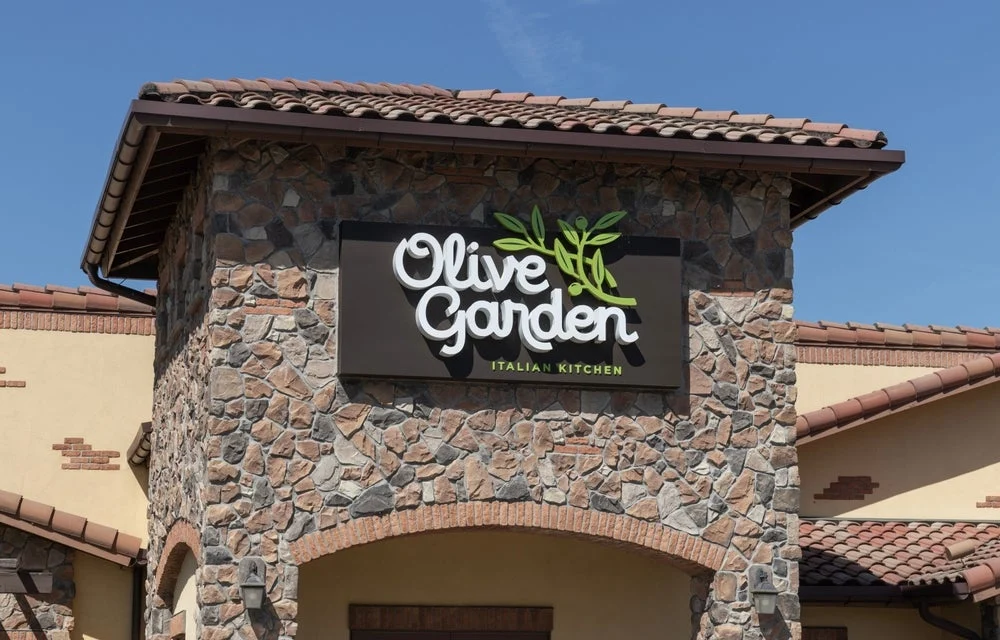
Olive Garden recently revived its highly anticipated “Never-Ending Pasta Pass,” a promotional campaign that offers loyal customers unlimited pasta for a set period. To streamline operations and manage the 10,000 limited-edition passes, the company required participants to present a valid photo ID at the time of ordering. What began as a logistical measure to prevent fraud and manage inventory unexpectedly spiraled into a national political debate, landing the casual dining chain in the crosshairs of the legislative battle surrounding the SAVE America Act.
Chronology of the Controversy
The transformation from a marketing campaign to a political talking point occurred with startling speed. Within a single week of the promotion’s launch:
- The Pivot: Republican proponents of the SAVE America Act—which mandates photo identification for voting and proof of citizenship for registration—began citing Olive Garden’s policy as a real-world validation of ID requirements.
- The Escalation: The comparison was invoked seven times during a single House committee hearing and subsequently echoed on the Senate floor.
- The National Stage: The narrative reached the White House briefing room, where the restaurant’s policy was juxtaposed against federal voting rights legislation.
Implications for Brand Communication
The situation serves as a stark case study in the risks of the modern "culture war" era. Olive Garden chose to remain silent, a strategic decision that kept them out of the direct line of fire but highlighted the vulnerability of any brand policy involving "identity" or "verification."
Eric Yaverbaum, CEO of Ericho Communications, notes that while brands often aim to capitalize on social trends, being "dragged" into a political discourse is a different beast. “What separates these instances from intentional political advertising is control of the narrative,” Yaverbaum explains. “It is highly unlikely that Olive Garden executives anticipated their pasta promotion would become a metaphor for federal election law. When a brand becomes a pawn in a larger legislative fight, they must weigh the potential for free exposure against the risk of alienating half their customer base.”
The key takeaway for PR professionals? A pre-prepared crisis protocol regarding identity and access is no longer a "nice-to-have" contingency—it is a baseline requirement for any consumer-facing business in the 21st century.
II. Gen Z and the Rewriting of Sports Fandom
The Shift in Fandom
For decades, sports fandom was a hereditary, geographic inheritance. You supported the team your parents supported, or the one located in your home city. However, new research from the Acceleration Community of Companies (ACC) and USC Annenberg, titled "Gen Z Sports Fandom & The Mega-Moment," reveals that the traditional gatekeepers of fandom are losing their grip.
Supporting Data and Trends
The study, which surveyed a nationally representative sample of Gen Z adults, indicates that the "game" is no longer the primary entry point for young fans. Instead, fandom is now:
- Culture-Driven: Gen Z fans are often drawn to the athlete’s personal brand, the narrative arc of their lives, or the community built around them on social media.
- Non-Linear: A viral TikTok, a high-profile celebrity relationship, or a controversial moment on social media can generate more "fan conversion" than a standard season schedule.
- Experience-Centric: With major events like the FIFA World Cup and the 2028 Olympic Games on the horizon, the research suggests that sports organizations must pivot toward "mega-moment" marketing to capture a generation that prioritizes social relevance over geographic loyalty.
Expert Insight: The Death of the "Front Door"
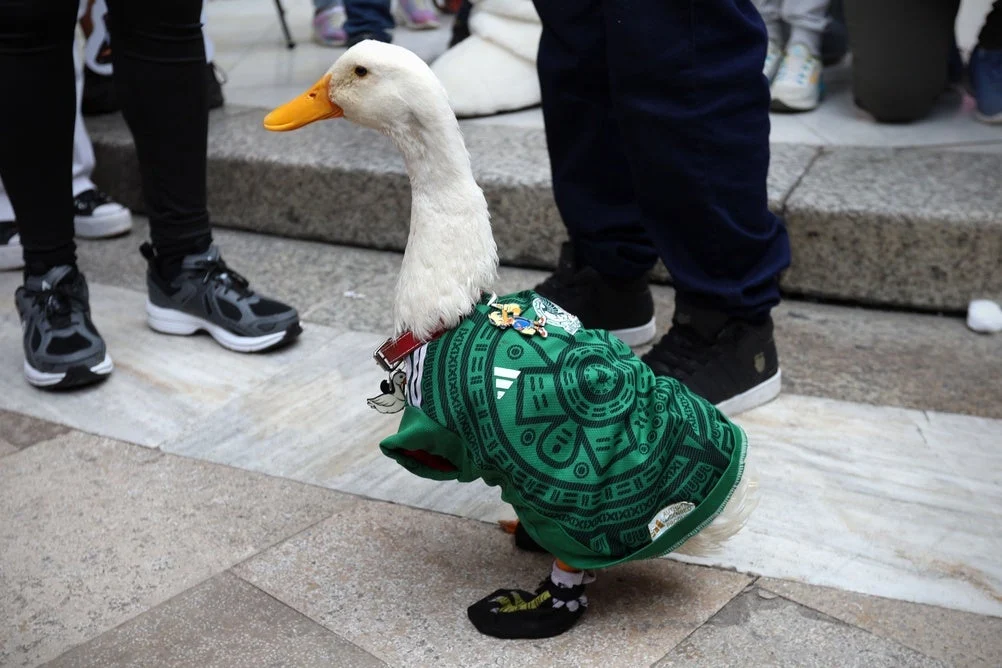
Monica Chun, President of ACC, argues that the game is now often the "last stop" rather than the first. “Young fans aren’t necessarily falling in love with the sport first,” says Chun. “They are falling in love with the story, the creator, or the controversy. Sports used to create culture. Increasingly, culture is creating sports fans.”
For the PR industry, this necessitates a complete overhaul of how we view engagement. Communicators must stop viewing audiences as a linear funnel moving from awareness to interest. Instead, they must meet the audience where they already exist: in the adjacent spaces of influencer content, cultural commentary, and digital communities.
III. The Kraft Heinz and Disney Alliance: A Masterclass in Nostalgia
The Strategic Partnership
In one of the most significant brand partnerships of the year, Kraft Heinz and The Walt Disney Company have formed a long-term, multi-platform alliance. This is not merely a co-branding exercise; it is an integrated ecosystem involving foodservice, media, and experiential marketing across Disney’s parks, resorts, and streaming platforms.
The "Together at Last" Campaign
The creative campaign, "Together at Last," developed by the agency Rethink, intentionally avoids placing products in a fantasy world. Instead, it brings Disney "magic" into the home. By featuring iconic products like Kraft Mac & Cheese and HEINZ condiments in relatable, everyday family meal moments, the campaign bridges the gap between the grocery aisle and the theme park experience.
Official Responses and Strategic Rationale
Nicolas Amaya, President of North America at Kraft Heinz, emphasized the multigenerational connection: “This alliance is about showing up together in the moments that matter most—whether at the parks or at home—to deliver elevated experiences and storytelling that turn everyday meals into memories.”
Todd Kaplan, CMO of Kraft Heinz, echoed this sentiment, noting that the two brands share deep, multi-generational equity. “The two are not only iconic in their respective industries, but they are the key to so many meaningful moments spanning generations.”
Implications for Future Brand Alliances
Industry analysts, including David Edelman, Executive Advisor for Digital and Marketing Transformation, view this as a pivotal move for legacy brands. “For Kraft Heinz, the partnership represents the next step in a strategy to expand beyond grocery shelves and into immersive experiences,” Edelman observed.
The partnership offers three critical lessons for communicators:
- Nostalgia is an Asset: In a fragmented digital world, leveraging the shared history of two iconic brands provides a "comfort" factor that drives engagement.
- Beyond the Shelf: Brands must find ways to exist in the "moments" of a consumer’s life, rather than just the transactions.
- Experiential Commerce: The future of retail lies in the intersection of physical products and immersive storytelling. By embedding their products into the Disney ecosystem, Kraft Heinz is successfully transitioning from a commodity provider to a partner in lifestyle creation.
Conclusion: The New Communications Paradigm
Whether it is navigating the volatile waters of political discourse, understanding the non-linear habits of Gen Z, or crafting multi-generational brand narratives, the role of the modern PR professional has fundamentally evolved.
We are no longer just managing reputations; we are managing the intersections where culture, commerce, and politics collide. As demonstrated by the Olive Garden, Gen Z research, and the Kraft Heinz-Disney alliance, the brands that succeed will be those that possess the agility to respond to unexpected narratives, the humility to follow their audience’s lead, and the foresight to build emotional, experiential connections that transcend the product itself.
In an era where every social post can spark a movement and every consumer choice is a statement, the ability to maintain brand integrity while remaining culturally relevant is the ultimate competitive advantage.