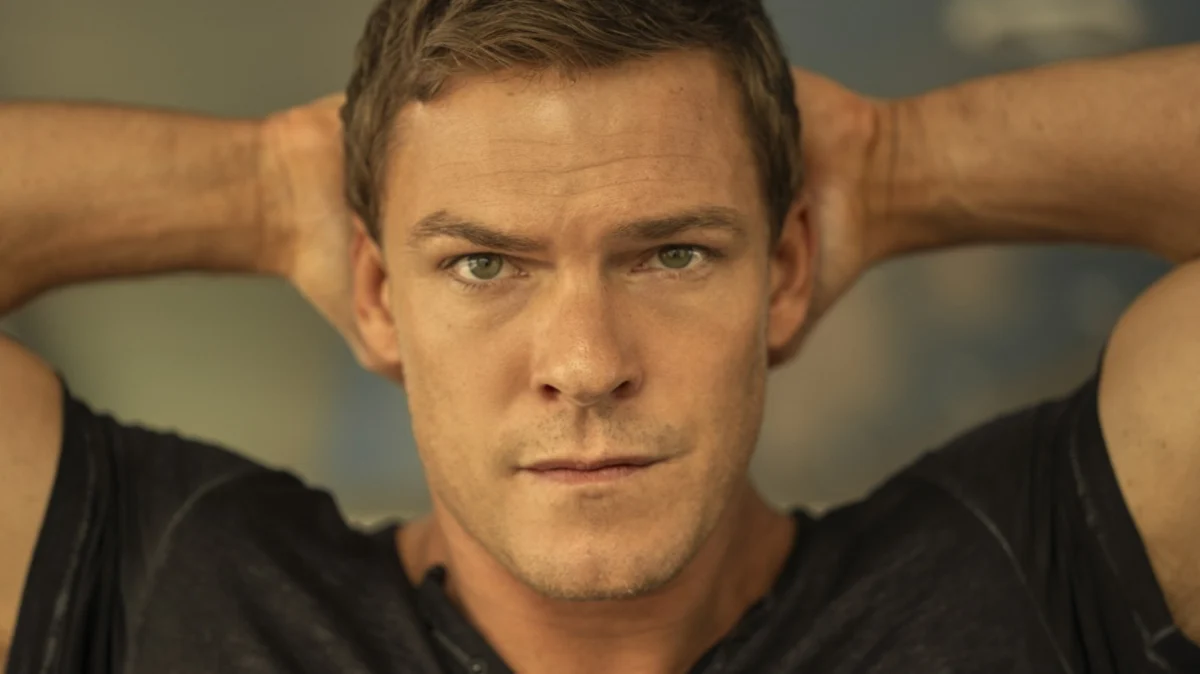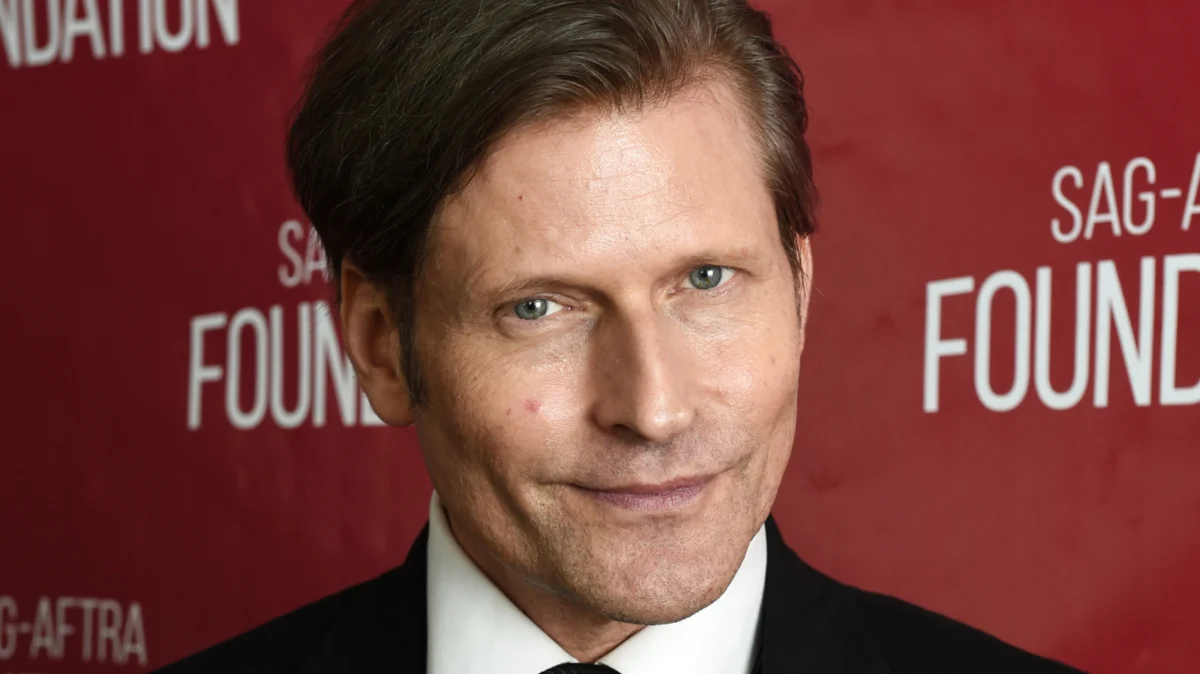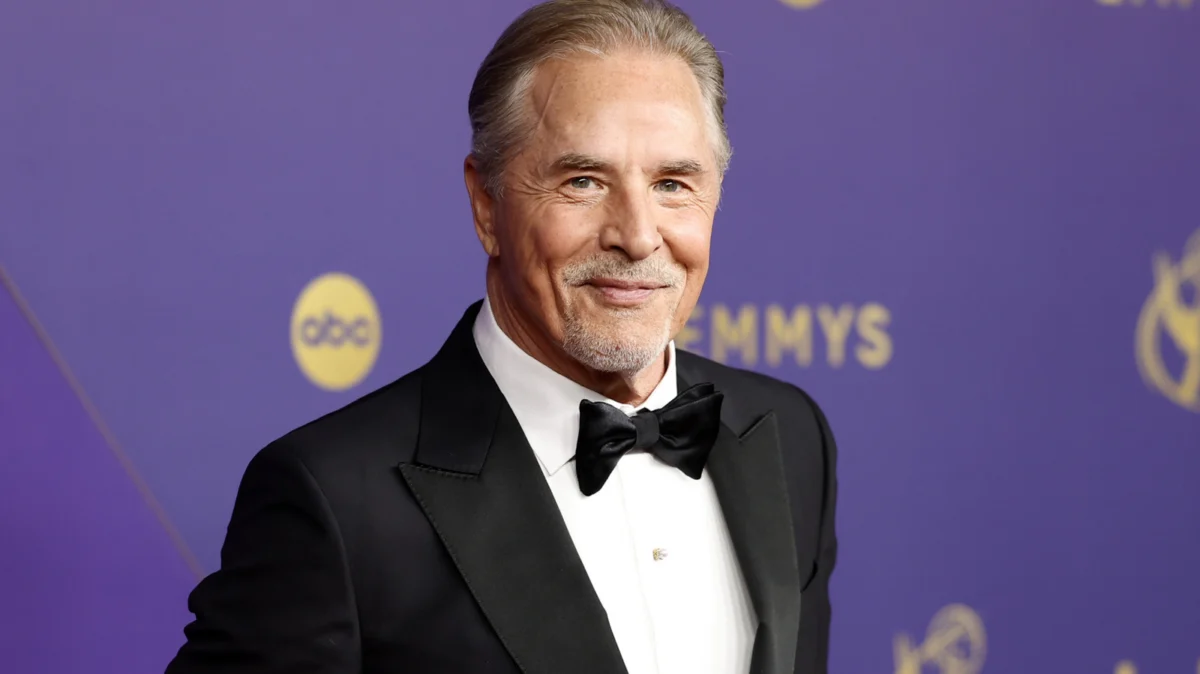
The history of science fiction television is littered with "what ifs"—the casting decisions that, had they gone differently, would have fundamentally altered the DNA of iconic franchises. Among the most fascinating of these near-misses is the casting of Lieutenant Starbuck in the 1978 original series of Battlestar Galactica. While Dirk Benedict’s portrayal of the cigar-chomping, card-playing, rogue pilot became the definitive blueprint for the 1970s sci-fi hero, the road to his cockpit was paved with executive interference. Specifically, ABC network brass had their sights set on a different rising star: Don Johnson.
The Genesis of an Icon: Designing the Original Starbuck
When Glen A. Larson developed Battlestar Galactica in the late 1970s, the landscape of television was shifting. Following the colossal success of Star Wars in 1977, networks were desperate to capture the "space opera" lightning in a bottle. Within the Galactica narrative, the character of Starbuck was intended to be the audience’s entry point into the grittier side of human survival—a man who lived for the thrill of the dogfight and the turn of a card.
As documented in Paul Ruditis’ Battlestar Galactica Vault: The Complete History of the Series, 1978-2012, the creative team at Universal Studios was under immense pressure to populate the bridge of the Galactica with actors who could balance high-stakes action with a relatable, roguish charm. While Dirk Benedict had demonstrated a magnetic screen presence during early readings, he was an untested commodity in the eyes of ABC executives.
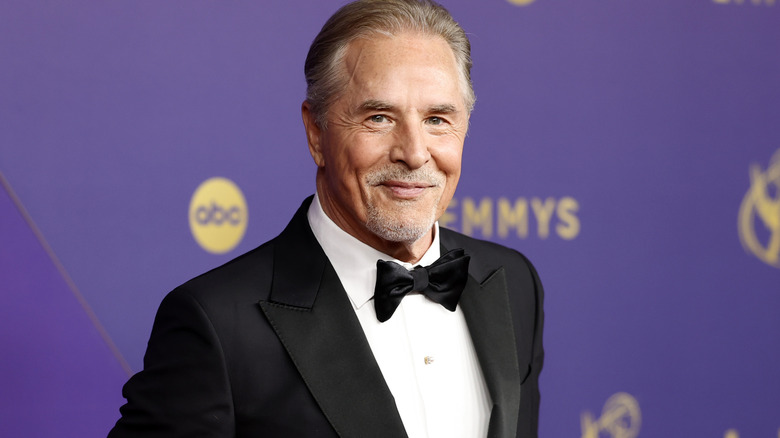
The network executives, ever cautious about ratings and marketability, viewed Benedict as a risk. They pushed aggressively for Don Johnson, an actor whose early career had shown promise, to take on the mantle of the fleet’s best pilot. Johnson, who would eventually achieve global superstardom in the 1980s as Sonny Crockett on Miami Vice and later secure acclaim in modern hits like Django Unchained and Knives Out, represented a "safer," more traditional leading-man archetype in the eyes of the 1978 network suits.
The Chronology of a Casting Battle
The casting process for Battlestar Galactica was not merely a series of auditions; it was a high-stakes tug-of-war between the show’s creative visionaries and the network’s corporate mandate.
- Early 1978: Universal Studios and Glen A. Larson identify Dirk Benedict as the ideal fit for the cynical, charismatic Starbuck. Larson begins tailoring the dialogue and mannerisms of the character to match Benedict’s specific improvisational style.
- The Network Intervention: ABC executives, viewing the series as a massive financial gamble, demand a more recognizable face. They nominate Don Johnson for the role, citing his burgeoning potential as a star.
- The Crucible of Screen Tests: Rather than folding, the creative team subjected Benedict to a grueling series of screen tests. The objective was to force the network to witness, in no uncertain terms, that the chemistry between Benedict and the rest of the cast was irreplaceable.
- The Decision: After exhausting the network’s list of objections and repeatedly demonstrating his command of the character, Benedict was officially cast. The decision proved to be a turning point, cementing the tone of the show for its initial run.
Supporting Data: Why Starbuck Mattered
The importance of the Starbuck character cannot be overstated. In the lexicon of late-70s television, Starbuck was the "Han Solo" equivalent—the moral gray area in a show that otherwise leaned into the noble, military rigidity of Commander Adama.
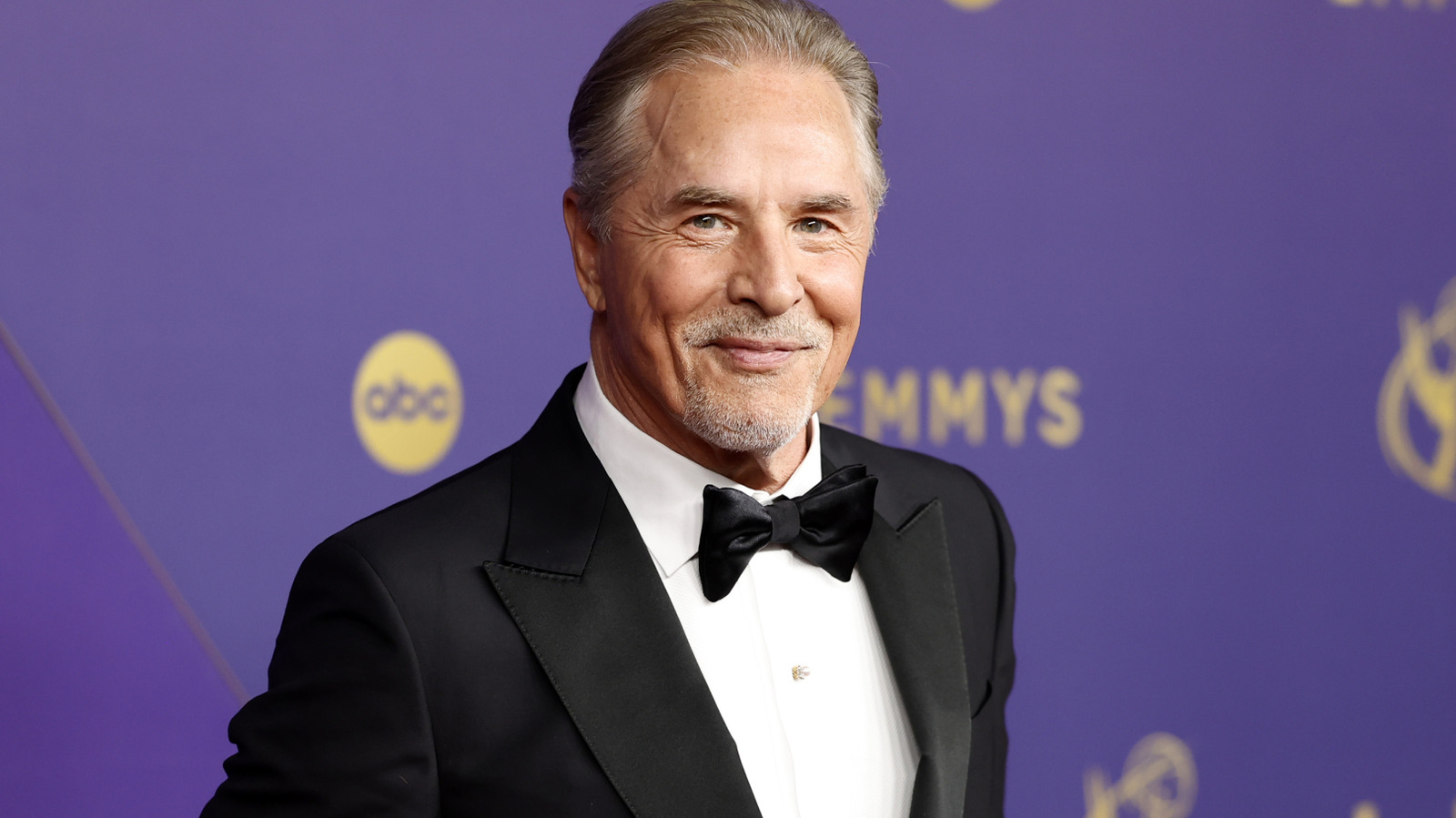
Data regarding the show’s reception at the time highlights that the "roguish" archetype was essential for maintaining viewership among younger demographics. Benedict’s portrayal brought a sense of lightness to the often-dark premise of a civilization on the run from total annihilation. While Don Johnson might have brought a different brand of intensity to the role, historians of the genre often point out that Benedict’s specific, slightly irreverent approach to the military structure of the Colonial Fleet was what defined the show’s unique flavor.
The Evolution of a Legacy: The 2003 Reboot
The debate surrounding the character of Starbuck reached a fever pitch decades later when Ronald D. Moore launched the 2003 reimagined Battlestar Galactica. The choice to gender-swap Starbuck, casting Katee Sackhoff in the role, was a seismic shift for the franchise.
Sackhoff, much like Benedict before her, faced her own uphill battle for the role. In interviews, she has candidly discussed the frustration of being typecast in "angsty" teenage roles prior to her audition. Her pursuit of the role of Starbuck was characterized by sheer tenacity; she famously auditioned seven times to prove she could embody the grit and physical demands required of the character.
The implication of this casting was profound. By transforming Starbuck into a woman—while keeping the character’s fundamental flaws, exceptional pilot skills, and irreverence intact—the reboot transcended the limitations of the original series. It moved the conversation away from the "macho action hero" trope of the 70s toward a more complex, psychologically grounded character study.
Official Responses and Cultural Fallout
The transition from the 1978 version to the 2003 version was not without friction. Dirk Benedict was vocal in his dissatisfaction with the reboot. In a 2004 essay titled "Starbuck: Lost in Castration," published in Dreamwatch magazine, Benedict expressed deep disdain for the direction of the new show. He described the reboot as a "show of despair, sexual violence, and family dysfunction," signaling his disagreement with the grittier, more cynical tone of the 21st-century production.
Furthermore, his comments on the gender-flipping of Starbuck were widely criticized as dated and dismissive. However, the passage of time—and the undeniable success of Sackhoff’s performance—eventually softened the divide. The cultural reconciliation between the two Starbucks reached a symbolic zenith when Benedict and Sackhoff were photographed together at a Starbucks location, a tongue-in-cheek nod to the name they shared and the different eras they defined.
Implications for Modern Casting
The saga of Starbuck’s casting serves as a masterclass in the tensions between artistic integrity and corporate risk-aversion. The fact that the show’s creator had to fight for his choice of actor suggests that, even in the 1970s, the "network note" was the greatest enemy of creative innovation.
If Don Johnson had been cast, Battlestar Galactica might have taken on a different aesthetic—perhaps one that leaned more into the slick, procedural style of later police dramas. Conversely, Benedict’s success proved that the "unknown" actor is often better equipped to define a character because they bring no baggage to the role.
The subsequent evolution of the character under Katee Sackhoff underscores a broader trend in television: the willingness to deconstruct classic archetypes. By removing the "macho" constraint, the writers of the 2003 series were able to explore Starbuck’s trauma and brilliance with a level of vulnerability that was simply not permitted in 1978.
Ultimately, the history of Starbuck—from the boardroom battles over Don Johnson to the iconic status of Dirk Benedict and the revolutionary performance of Katee Sackhoff—remains a vital case study in television history. It reminds audiences that the icons we revere are often the product of narrow escapes, hard-fought auditions, and the persistent vision of creators who know exactly who their heroes should be, even when the rest of the world is looking elsewhere.