By [Your Name/Journalistic Staff]
As the communications landscape faces an unprecedented inflection point driven by generative AI and shifting media consumption habits, the public relations industry gathered in Orlando, Florida, from October 18–20 for PRSA ICON 2026. Held at the Orlando World Center Marriott, the conference served as a bellwether for the future of the profession. While the shadow of rapidly evolving technology loomed large over the proceedings, the overwhelming consensus among industry leaders was counterintuitive: in an era of machine-generated content, the "human touch" has become the ultimate competitive advantage.
The Human-First Mandate
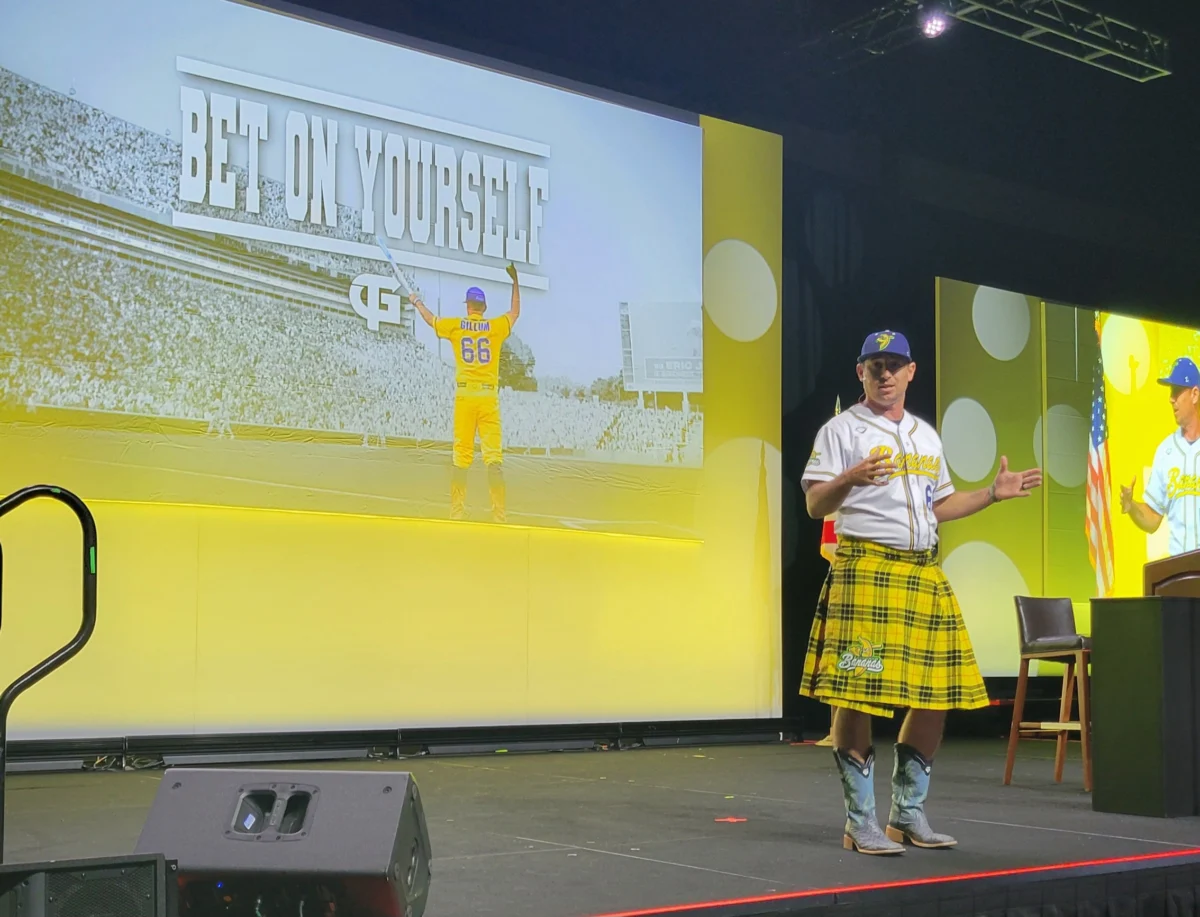
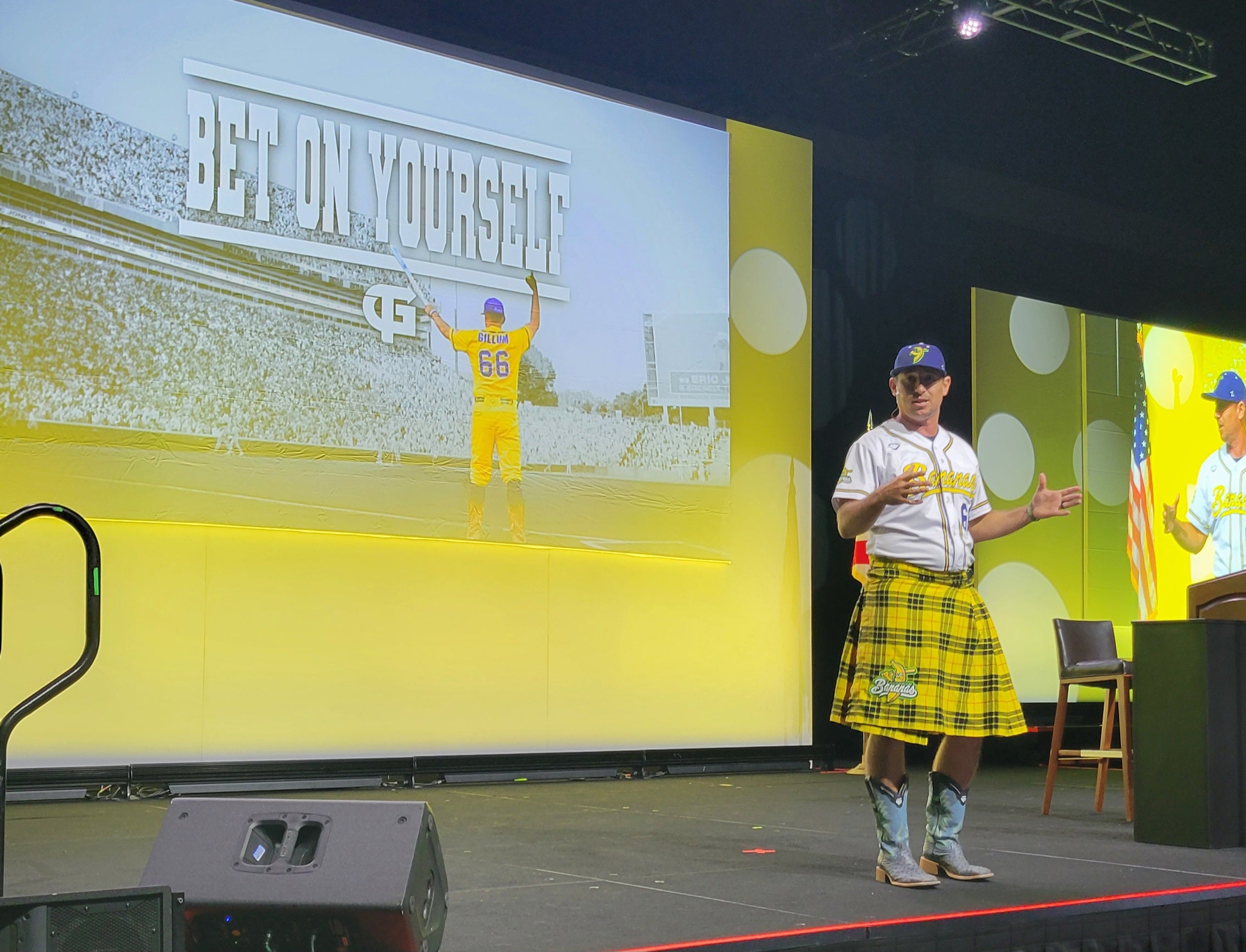
The event opened with a high-energy keynote from Savannah Bananas Head Coach Tyler Gillum, whose approach to sports entertainment served as a masterclass in modern brand engagement. Gillum, known for transforming a local baseball team into a global cultural phenomenon, argued that success lies in radical empathy. By prioritizing direct, tangible interactions with fans—handshakes, high-fives, and authentic human connection—Gillum demonstrated that even in a digitized world, people crave intimacy.
"You have to have the courage to be misunderstood to do things that have never been done before," Gillum told the audience. This philosophy set the tone for the three-day summit, framing the communicator’s role not as a mere content producer, but as an architect of human trust.
Chronology of the Summit: A Three-Day Deep Dive
The conference was meticulously structured to address the "homework" required of modern communicators.
- Day One: The Philosophy of Connection. The opening sessions focused on the shifting paradigm of brand identity. Speakers emphasized that the "Savannah Bananas model"—prioritizing fan/consumer experience over traditional broadcast metrics—is no longer a niche strategy but a requirement for modern corporate reputation management.
- Day Two: Operationalizing Technology. Mid-conference sessions pivoted toward the pragmatic integration of AI. Experts from Procter & Gamble, Hilton Grand Vacations, and Fujifilm moved beyond the "hype cycle" of AI to discuss how to weave machine intelligence into workflows without sacrificing institutional integrity.
- Day Three: Resilience and Future-Proofing. The final day addressed crisis management, ethics, and the evolving relationship between corporate messaging and Large Language Models (LLMs). The closing arguments underscored that while tools may change, the core tenets of transparency and relationship-building remain the industry’s bedrock.
Supporting Data and Industry Insights
The discourse at PRSA ICON 2026 was marked by a departure from vanity metrics. Leaders from some of the world’s most recognizable brands dismantled the traditional reliance on "impressions" as a primary measure of success.
Damon Jones, Chief Communications Officer at Procter & Gamble, provided a stark assessment: "My CEO doesn’t care about impressions. He doesn’t get paid in impressions, and neither do I." Instead, P&G focuses on building a "body of evidence" that links communication strategies to tangible business outcomes, such as trust and sales.
Similarly, Erica Ettori, SVP of Corporate Communications at Universal Destinations, illustrated this shift with a case study on the company’s upcoming U.K. park launch. The goal was not media saturation, but public favorability—specifically, a target of 80% support. By anchoring communications in business objectives rather than media clips, the team was able to navigate complex regulatory and social environments effectively.
Official Responses and Strategic Perspectives
Throughout the conference, seasoned professionals offered nuanced perspectives on how to navigate the intersection of human creativity and artificial intelligence.
Humanity as the Competitive Edge
Hannah Vazzana, EVP and Chief Brand and Communications Officer at Hilton Grand Vacations, crystallized the conference’s prevailing sentiment: "I think humanity is trending." Vazzana argued that as generative AI floods the market with predictable, homogenized content, "originality" becomes a rare and valuable commodity. She warned that consumers have become adept at spotting "slop"—low-effort, AI-generated messaging—and that trust can only be maintained through empathy, nuance, and the ability to "read the room."
The "Assistant" Paradigm
The consensus on AI usage was clear: it should be used for administrative triage, not creative strategy. Erica Ettori noted that she utilizes AI primarily to manage high-volume, low-complexity tasks—such as filtering her inbox to identify the five most critical communications—thereby reclaiming time for high-level judgment and strategic planning.
The "Inside-Out" Listening Strategy
Anthony Farina, CCO of Fujifilm, advocated for a five-step transformation process: Listening, Strategy, Structure, Execution, and Measurement. He emphasized that the most effective communication strategies begin with listening to internal skeptics. "Do not run from them; run toward them," Farina urged. By engaging with dissenters within an organization, communicators gain insights that are often sanitized or ignored by leadership circles.
Implications for the Future of Communications
The implications of PRSA ICON 2026 are profound for practitioners at every level. The conference highlighted a clear transition in the industry’s evolution, characterized by three major shifts:
1. From "Content Creator" to "Evidence Architect"
The era of reporting impressions as a sign of success is effectively over. The modern communicator is expected to function as a data-informed strategist who can map communications efforts directly to business KPIs—whether those are sales, public favorability, or employee retention.
2. The Rise of "Culture Connectors"
The case study presented by Katie Weldon of Ingalls Shipbuilding regarding "culture connectors"—a network of 600 internal influencers—highlights a move toward decentralized communication. By empowering employees to act as messengers, companies can better detect rumors, gauge sentiment, and navigate crises before they escalate into the public sphere.
3. AI Literacy as a Fundamental Skill
Communicators must now treat AI as both a tool and an audience. As Damon Jones noted, "We’ve declared, for example, that the LLMs are a target audience for news." This means that owned platforms (corporate blogs, white papers, verified datasets) are now more critical than ever. These assets feed the LLMs that shape public perception, making the quality and accuracy of owned content a high-stakes priority for brand reputation.
Conclusion: Putting Strategy to Work
The final takeaway from Orlando was an empowering one. While the rapid pace of technological change can feel overwhelming, the core of the profession remains firmly rooted in human judgment.
For the professional looking to implement these insights immediately, the path forward involves three distinct actions:
- Audit your metrics: Replace impressions with business-impact data. If your leadership tracks sales or public favorability, align your reporting to those specific buckets.
- Establish your "Internal Bench": Proactively build relationships with market research, customer service, and investor relations teams. These departments possess the "ground truth" that will define your messaging.
- Invest in Owned Media: Ensure your organization is publishing high-quality, factual content that provides a definitive source of truth for both human readers and search-driven AI models.
As the conference concluded, the message was clear: The faster the world moves toward automation, the more vital the human communicator becomes. The future belongs to those who can synthesize data with empathy, proving that in the age of the machine, the human edge is not just relevant—it is the only thing that truly matters.