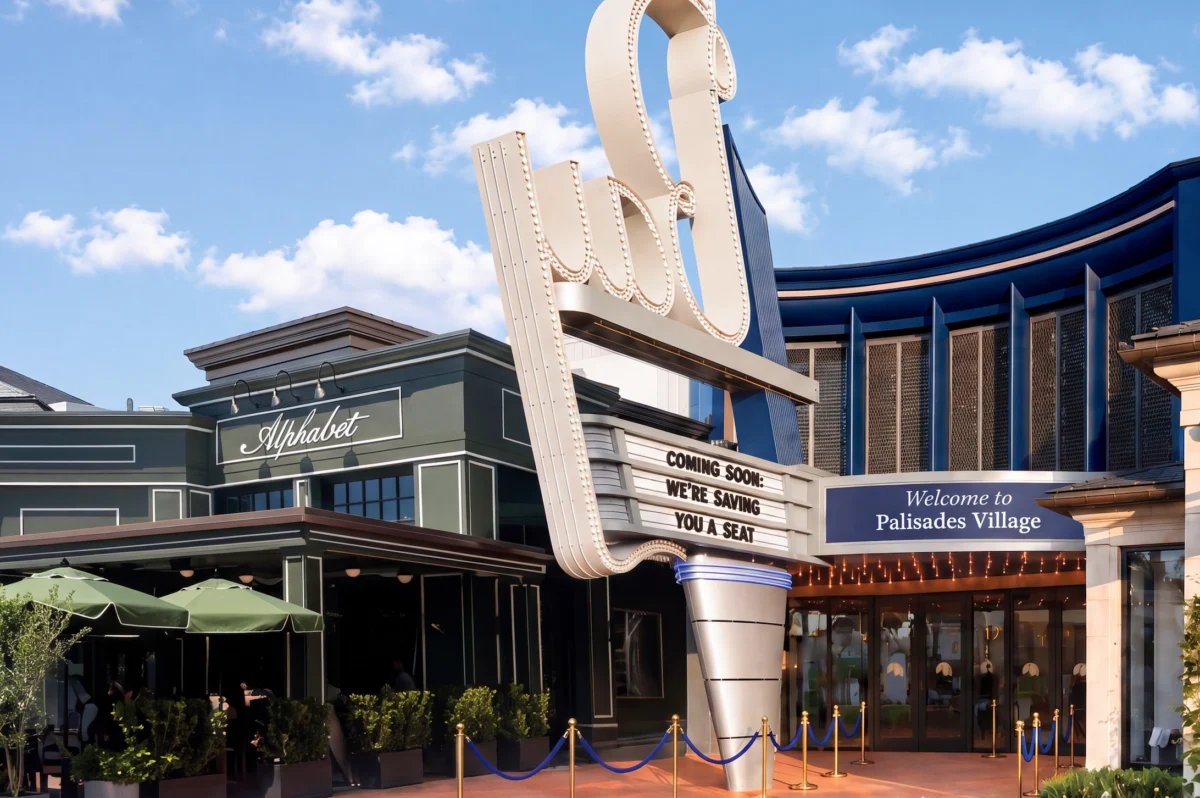
PACIFIC PALISADES, CALIFORNIA — The iconic Bay Theater in Pacific Palisades is officially welcoming back moviegoers this Friday, marking a triumphant cinematic rebirth just over a year after devastating regional catastrophes forced its indefinite closure. Following a high-profile transition announced last month, Paramount Pictures has stepped in alongside real estate developer Rick Caruso and luxury cinema operator The Lot to reimagine, modernize, and reopen the beloved neighborhood theater.
Located in the heart of Rick Caruso’s upscale Palisades Village shopping destination, the newly revitalized five-screen multiplex combines state-of-the-art projection and sound technology with high-end hospitality. The reopening not only restores a vital community hub to the Westside of Los Angeles but also serves as a powerful symbol of resilience for a neighborhood that has spent the past fourteen months rebuilding its commercial and social fabric.
Main Facts
The grand reopening of the Bay Theater introduces a sophisticated hybrid of luxury hospitality and cutting-edge filmmaking technology to the Pacific Palisades community. Operated by The Lot—renowned for its upscale dine-in movie theater concepts—the venue has undergone a comprehensive internal and technological overhaul.
Key Features of the Revamped Bay Theater:
- Auditoriums and Technology: The boutique five-auditorium multiplex is equipped with advanced laser projection systems and immersive, multi-channel surround sound architectures designed to optimize every frame of film, from major Hollywood blockbusters to intimate independent features.
- Luxury Seating: Patrons can enjoy fully customizable, ergonomic seating featuring adjustable footrests, backrests, headrests, and neck supports. Each seat is outfitted with integrated USB charging ports and a personal dining table complete with custom lighting and silent service buttons for seamless food and beverage ordering.
- Culinary Program: The cinema offers a comprehensive, made-to-order menu curated by professional chefs. Offerings range from artisanal appetizers and gourmet burgers to full entrées and decadent desserts.
- Beverage Selection: The full-service bar and lounge program features an extensive array of wines, local craft beers, sophisticated mocktails, and signature cocktails crafted specifically for the Pacific Palisades location—including the Pacific Blush, the Sunset Mule, and the Coastline Cantarito.
- Social Spaces: A redesigned lounge area features an expansive video wall dedicated to sports viewing and community gatherings, providing a communal space for residents to socialize before and after screenings.
- Programming Diversity: Alongside first-run Hollywood releases, the theater’s calendar will feature curated retrospective screenings, nostalgic classic film series, and community-focused special events.
The opening weekend lineup reflects this diverse programming strategy. First-run titles hitting the Bay’s screens include Johnny Depp’s highly anticipated Ebenezer (opening nationwide on Friday), family favorite The Cat in the Hat, Wild Horse Nine, You Can See Everything, and the visually stunning Godzilla Minus Zero.
Chronology: From Devastation to Rebirth
The journey of the Bay Theater’s revival is inextricably linked to the broader timeline of recovery for the Pacific Palisades community following one of the most challenging periods in modern Southern California history.
January 2025: The Devastating Wildfires
In early January 2025, a series of catastrophic wildfires swept across parts of Southern California, leaving a path of destruction in the Pacific Palisades. While emergency responders battled tirelessly to protect residential zones, the regional infrastructure suffered immense smoke, ash, and thermal damage. Public spaces, local businesses, and commercial hubs—including the popular Palisades Village—were forced into immediate closures as evacuation orders took effect and structural safety assessments began. At the time, the Bay Theater was operated by streaming giant Netflix, which had utilized the space for high-profile industry screenings, premieres, and select public runs. In the wake of the disaster, normal operations ceased entirely.
August 2025: The Resilience of Palisades Village
Following months of rigorous environmental remediation, structural restoration, and safety inspections led by Caruso’s development team, Palisades Village officially reopened to the public in August 2025. The return of the open-air shopping and dining district injected much-needed energy back into the local economy. However, the multi-screen cinema space within the complex remained dark, its future uncertain as long-term lease discussions and partnership evaluations took place behind closed doors.
February 2026: The Paramount Takeover Announcement
Rumors that had swirled throughout the Westside entertainment community were confirmed when it was officially announced that Paramount Pictures, in a tripartite collaboration with Caruso and The Lot, was taking over the cinema operations. The announcement detailed a vision to completely revamp the venue, transforming it into a premier showcase for both major studio releases and community-centric cinematic events. Industry analysts immediately recognized the move as a strategic effort by a legacy Hollywood studio to forge deeper direct-to-consumer experiential touchpoints within affluent cultural enclaves.
March 2026: The Grand Reopening
Just one month after the partnership was made public, the Bay Theater opens its doors to the public on Friday. The rapid turnaround underscores the immense logistical coordination among Paramount, Caruso, and The Lot, who worked around the clock to install next-generation projection equipment, luxury seating tiers, and fully functional commercial kitchens in time for the spring box office season.
Supporting Data and Market Context
The reopening of the Bay Theater arrives at a critical juncture for the theatrical exhibition business, which continues to evolve in response to changing consumer habits, the rise of home streaming, and shifting urban retail dynamics.
The Economics of Luxury Dine-In Cinema
Over the past decade, the traditional multi-plex model has faced mounting pressure, leading major players to pivot toward premium large-format (PLF) screens and luxury dine-in concepts. According to recent data from the National Association of Theatre Owners (NATO), audiences are increasingly willing to pay a premium for enhanced comfort, curated food and beverage menus, and intimate viewing environments.
The Lot’s operational model capitalizes directly on this consumer trend. By reducing auditorium seating capacities to make room for plush, spaced-out recliners and personal dining infrastructure, theaters can command higher per-ticket averages while significantly boosting per-capita food and beverage sales. In affluent micro-markets like the Pacific Palisades—where median household incomes and consumer spending on experiential dining are exceptionally high—this model has proven remarkably resilient.
Real Estate and Retail Synergy
The integration of a luxury cinema into a high-end open-air retail center like Palisades Village illustrates the modern "lifestyle center" philosophy pioneered by Rick Caruso. Retail properties that rely solely on apparel and traditional goods have faced headwinds from e-commerce; however, properties anchored by experiential elements—such as boutique fitness clubs, fine-dining restaurants, and luxury art-house or first-run cinemas—consistently maintain higher foot traffic and longer dwell times.
Market researchers note that visitors to dine-in cinemas typically spend an additional 45 to 90 minutes dining or shopping within the surrounding development before or after their screenings. Consequently, the reopening of the Bay Theater is expected to act as a significant economic catalyst for neighboring retailers, restaurants, and local service providers within Palisades Village who continue their post-wildfire economic recovery.
Official Responses and Stakeholder Perspectives
Leadership from all three major entities involved in the revitalization project have emphasized the community-first ethos driving the partnership.
Paramount Pictures
In a joint statement regarding the acquisition and reopening, representatives for Paramount Pictures underscored the studio’s commitment to preserving the communal magic of the theatrical experience.
"Paramount Pictures, Caruso, and The Lot have reimagined the theaters with cutting-edge cinema technology that includes luxury seating, elevated dining, and exceptional hospitality, while preserving the intimate neighborhood character that has made it a community favorite."
Studio executives noted that having a dedicated coastal showcase allows Paramount to test immersive experiential marketing initiatives, host exclusive Q&A sessions with filmmakers and talent, and connect directly with Westside audiences in a sophisticated, bespoke environment.
Rick Caruso
For billionaire developer Rick Caruso, the return of the cinema is the fulfillment of a promise made to the residents of Pacific Palisades in the immediate aftermath of the 2025 wildfires. Caruso’s retail properties are intentionally designed to function as "town squares," where civic life, commerce, and culture intersect.
"When we rebuilt and reopened Palisades Village last August, we knew that restoring the heart of our neighborhood meant bringing back our local theater," Caruso stated during preparations for opening week. "By partnering with industry giants like Paramount Pictures and operational experts like The Lot, we aren’t just restoring what was lost—we are elevating it into something far more extraordinary for our community."
The Lot
As the operational engine behind the new theater, The Lot brings extensive expertise in managing high-end entertainment venues across Southern California. Executives from the company highlighted the meticulous attention to detail poured into the Pacific Palisades location.
"We wanted to ensure that every element—from the precision calibration of our laser projection systems to the artisanal craftsmanship of our cocktail menu—reflects the refined tastes of the Pacific Palisades community," said a spokesperson for The Lot. "This isn’t just about watching a movie; it’s about creating an all-encompassing social experience where neighbors can gather, relax, and share in the joy of storytelling."
Broader Implications for the Industry and the Community
The launch of the newly reimagined Bay Theater carries several important implications for both the local community of Pacific Palisades and the broader entertainment landscape.
1. A Blueprint for Studio-Retail Collaborations
The direct involvement of a legacy Hollywood studio like Paramount in the direct operation and curation of a neighborhood cinema is a relatively rare and innovative approach in modern distribution. For decades, film studios and theater exhibitors operated under strict regulatory frameworks and clear functional boundaries. However, as studios seek deeper connections with consumers in an era dominated by algorithmic streaming platforms, taking a stake in physical exhibition spaces offers a valuable direct-to-consumer marketing channel. Industry observers will be watching closely to see whether other major studios follow Paramount’s lead by investing in boutique neighborhood theaters.
2. Community Healing and Civic Identity
Beyond its economic and commercial value, the theater serves as a powerful psychological anchor for the Pacific Palisades. The collective trauma of the January 2025 wildfires disrupted the social rhythms of daily life in the canyon community. Public gathering spaces like the Bay Theater—where families gather for weekend matinees, teenagers meet on Friday nights, and neighbors run into each other in the lobby—play an essential role in rebuilding civic cohesion and a sense of normalcy.
3. The Future of Independent and Mainstream Programming
By blending first-run commercial blockbusters with curated classic retrospectives and special community events, the Bay Theater bridges the gap between massive multiplexes and specialized art-house cinemas. This programming flexibility ensures that the theater will remain relevant to a diverse demographic of film lovers, ranging from families seeking weekend entertainment to cinephiles looking for specialized retrospective screenings.
As the house lights dim and the opening credits roll on Friday evening, the Bay Theater will officially reclaim its place as the cultural heartbeat of the Pacific Palisades—proving that even in the face of unprecedented adversity, the magic of the silver screen endures.